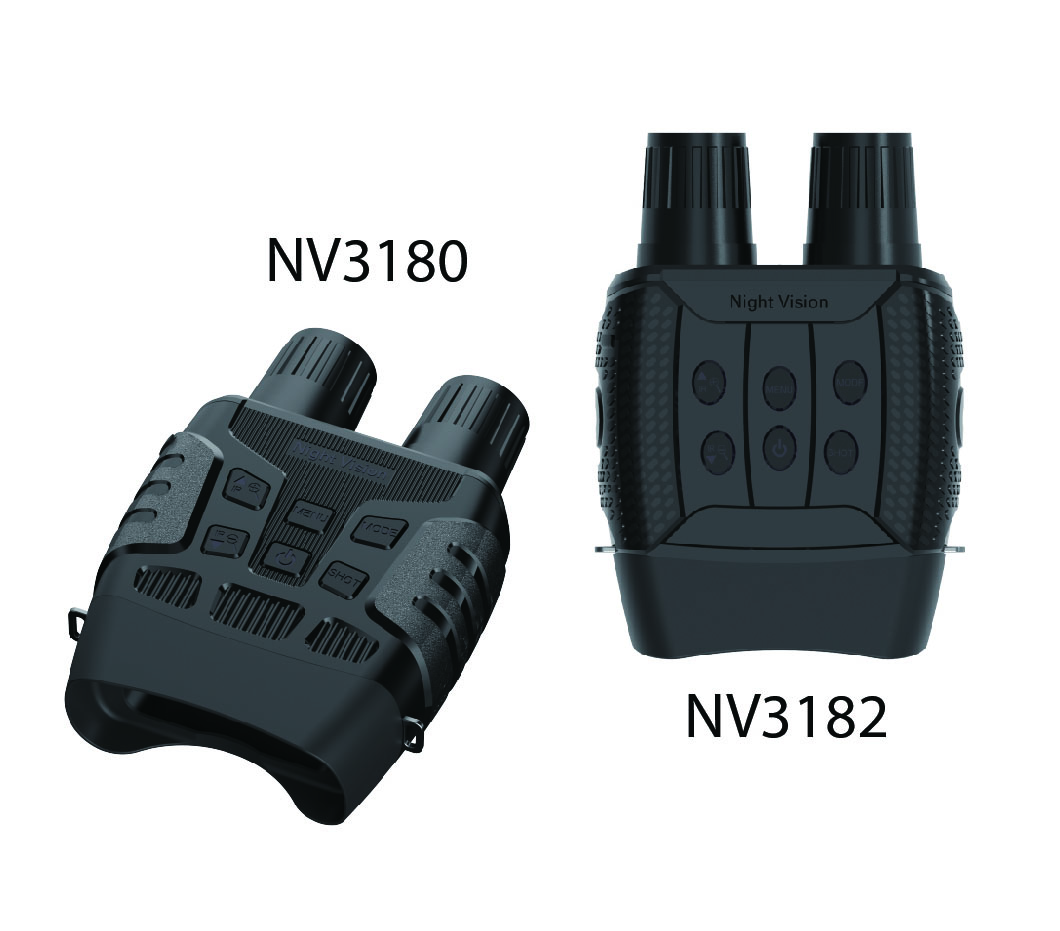
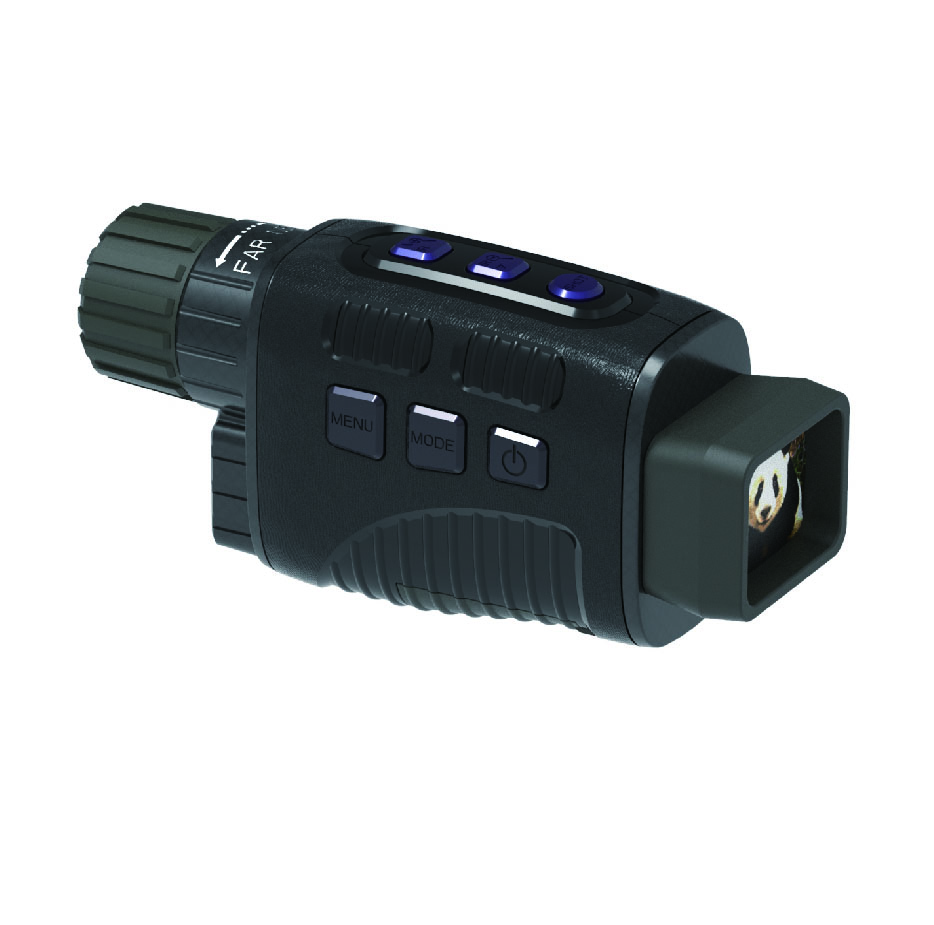
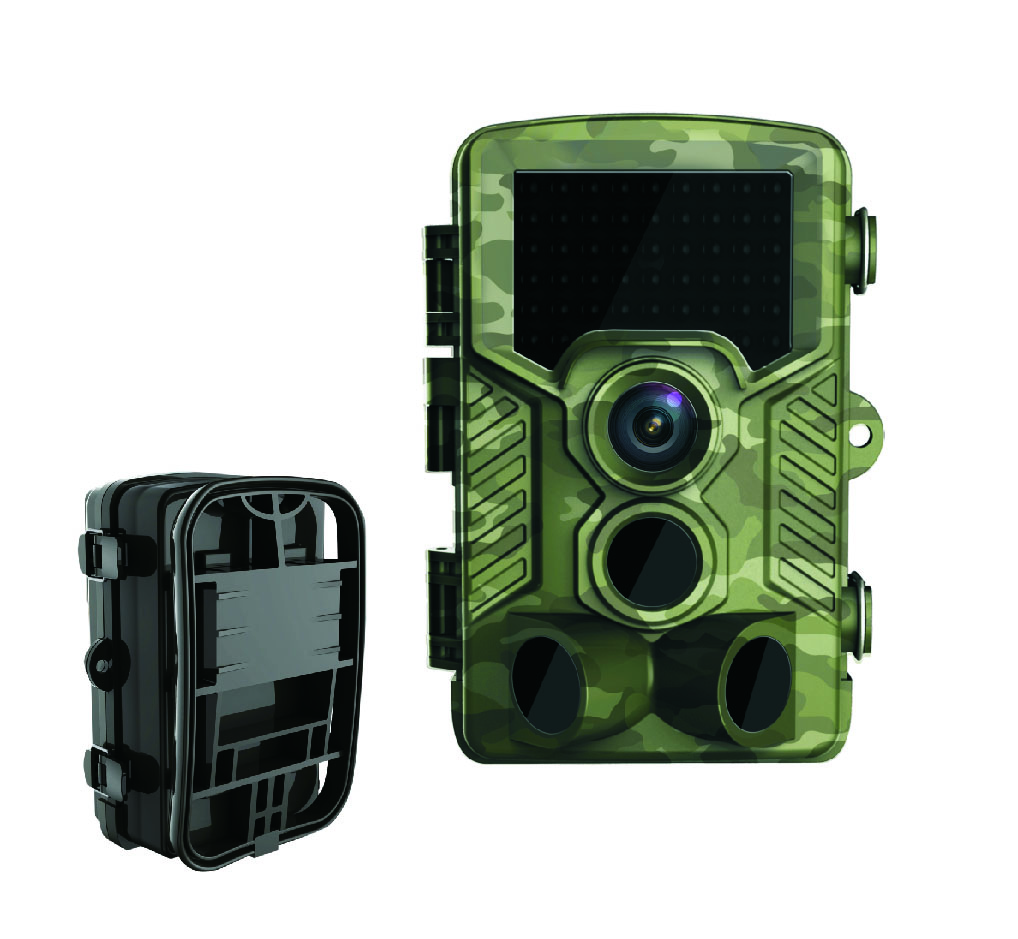
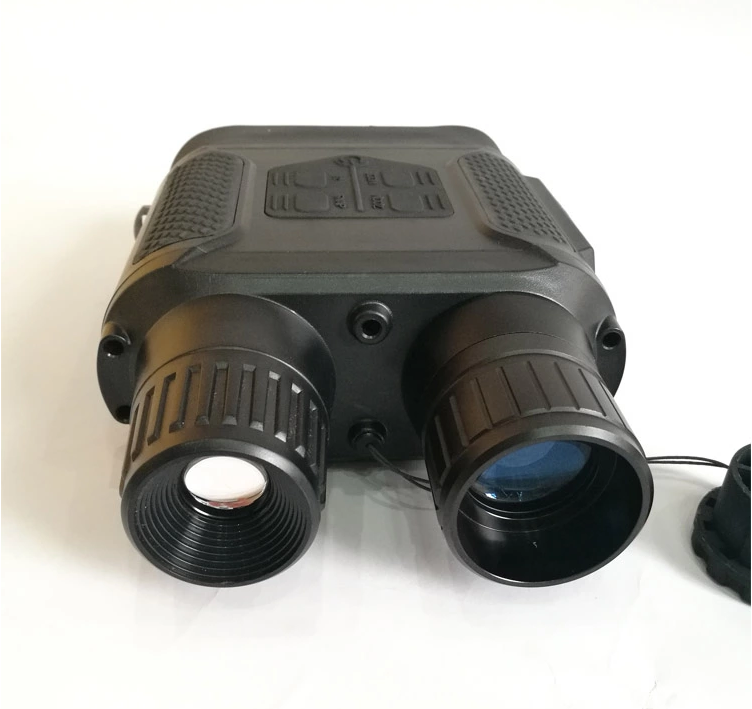
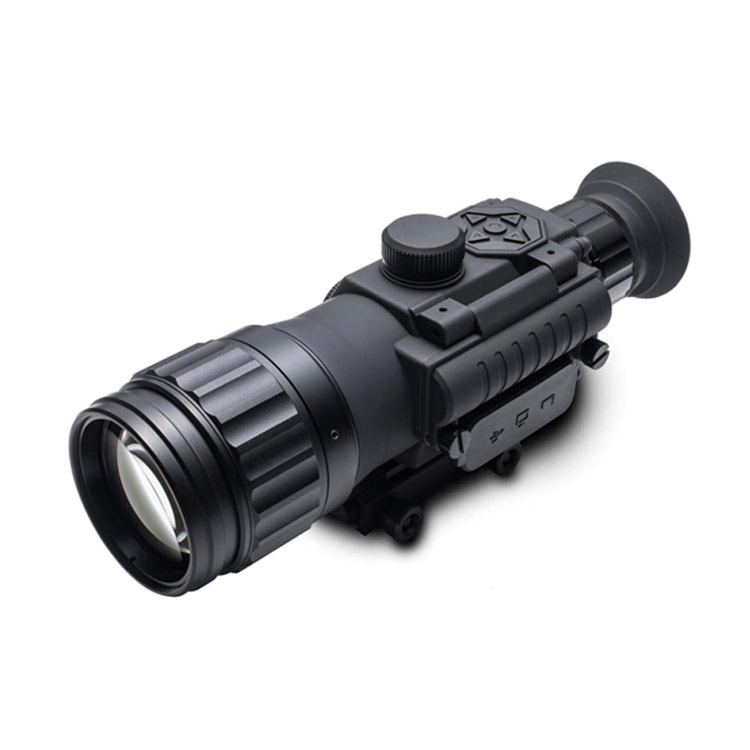
Hunting Cameras
Source reliable hunting cameras in volume directly from vetted manufacturers. Designed for importers, wholesalers, and brands seeking OEM/ODM production, our factory-direct catalog features cellular and non-cellular trail cameras built to rigorous performance standards.
Sourcing hunting cameras (often referred to as trail cameras) requires navigating a complex intersection of optics, power management, RF engineering, and environmental ruggedization. For volume buyers, the primary challenge is cutting through supplier specification inflation—separating true hardware capabilities from software-interpolated marketing claims—while ensuring consistent performance and connectivity in harsh, off-grid environments.
Defining Core Specifications: Beyond the Spec Sheet
Manufacturers frequently inflate specifications, particularly megapixel counts and trigger speeds. To procure a reliable product, buyers must dictate the actual hardware components rather than relying on top-line marketing figures.
Image Sensors and Optics
A common pitfall is purchasing a "32MP" camera that actually utilizes a 2MP or 4MP CMOS sensor with aggressive software interpolation. This results in significant noise and artifacts, particularly in low-light conditions. Specify the exact sensor brand (e.g., Sony IMX, Omnivision) and its native resolution. Furthermore, lens aperture (f-stop) is critical; an aperture of f/2.0 or wider is necessary to maximize light intake for night capture, reducing reliance on the infrared flash.
PIR Sensor Calibration
The Passive Infrared (PIR) sensor dictates the camera's trigger reliability. The critical metric here is the relationship between the PIR detection angle and the camera lens's Field of View (FOV). If the PIR angle is significantly wider than the FOV, the camera will trigger before the subject enters the frame, resulting in "blank" images. Conversely, if it is too narrow, fast-moving subjects will be missed. Trigger speeds under 0.3 seconds require highly optimized firmware to wake the image sensor from deep sleep instantly.
| Flash Type | Visibility | Illumination Range | Primary Application |
|---|---|---|---|
| Low Glow (850nm) | Faint red glow | Up to 100ft / 30m | General wildlife monitoring, longer range |
| No Glow (940nm) | Invisible to naked eye | Up to 70ft / 20m | Security, sensitive game, anti-theft |
Need help validating supplier specifications and component choices? Discuss your technical requirements with our sourcing experts.
Talk to our teamCellular Integration and RF Compliance
The market has shifted heavily toward 4G/LTE cellular cameras that transmit images via cloud platforms. This adds significant complexity to the sourcing process.
The cellular module (often sourced from manufacturers like Quectel or Simcom) is typically the most expensive single component in the device. You must ensure the manufacturer is using the correct regional module variant (e.g., North America vs. Europe) to support local carrier bands.
More importantly, cellular devices carry a heavy regulatory burden. Depending on your market, the device will require FCC, CE, PTCRB, and potentially carrier-specific certifications (like AT&T or Verizon network approvals). Navigating this requires rigorous compliance & testing to ensure the factory's RF design meets legal requirements and won't be blocked by local telecom networks.
Manufacturing Vulnerabilities and Quality Control
The factory floor is where a well-designed camera either succeeds or fails. Hunting cameras are deployed in extreme weather, meaning assembly tolerances must be flawless.
When conducting factory audits for potential suppliers, it is crucial to verify their testing infrastructure. A capable factory must have dark rooms for IR calibration, RF shielding boxes for antenna testing, and specialized equipment for environmental stress tests.
Critical QC Checkpoints for Hunting Cameras
- Standby Current Testing: Must measure under 0.2mA to ensure multi-month battery life in the field.
- Vacuum Pressure Testing: IP66 or IP67 ratings must be verified via air leak testing, not just visual water spray tests.
- IR Cut Filter Calibration: Ensuring the mechanical filter engages correctly for daytime color accuracy and disengages for night vision.
- False Trigger Simulation: Thermal chamber testing to ensure temperature fluctuations do not cause runaway PIR triggers.
Implementing stringent quality control & inspection protocols before shipment is non-negotiable to prevent high return rates caused by battery drain or water ingress.
Production Realities: MOQs, Pricing, and Lead Times
Pricing for hunting cameras is heavily dictated by the presence of a cellular module, the native resolution of the CMOS sensor, and the quality of the housing tooling.
If you are pursuing custom casing designs, proprietary app integrations, or unique power solutions (like integrated solar panels), utilizing professional OEM/ODM services is highly recommended to manage the engineering handoff and tooling development.
Ready to scale your production? Let us help you negotiate pricing, manage MOQs, and secure reliable production timelines.
Get a free consultationFrequently Asked Questions
Sourcing high-performance hunting cameras requires a strict focus on power efficiency, environmental sealing, and true component specifications. By enforcing rigorous quality standards and validating factory capabilities early, you can secure a product that performs reliably in the wild and protects your brand's reputation.
Get Sourcing Help for Hunting Cameras
Tell us your requirements and our experts will connect you with verified manufacturers.