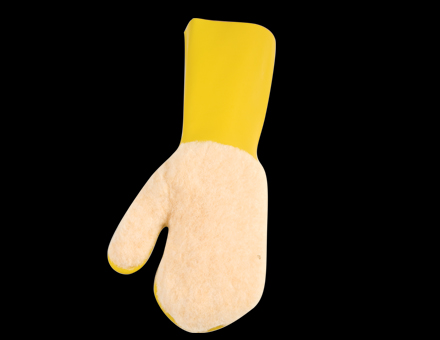
Household Gloves
Source bulk Household Gloves from vetted manufacturers and suppliers in Asia. Designed for importers, wholesalers, and brands seeking reliable OEM and private-label production, our network delivers consistent quality, strict compliance, and competitive pricing for large-scale protective cleaning wear orders.
Sourcing household gloves at scale requires balancing material costs, chemical resistance, and tactile comfort while ensuring consistent thickness across millions of units. Because these products are manufactured on continuous dipping lines, minor deviations in temperature or chemical formulation can lead to massive defect rates. Success depends on partnering with factories that maintain rigorous process controls.
Material Specifications and Formulation
Defining the exact material and structural specifications is the first step in protecting your margins and brand reputation. Buyers must specify the exact weight per piece (in grams) and thickness (in mils or millimeters) at three critical points: the cuff, the palm, and the fingertips.
The primary materials used in household gloves dictate their performance and price point:
- Latex (Natural Rubber): Offers superior elasticity, comfort, and tear resistance. It is the standard for general household cleaning but carries the risk of latex allergies.
- Nitrile (Synthetic Rubber): Provides excellent resistance to household chemicals, oils, and punctures. It is hypoallergenic but typically more expensive and less elastic than latex.
- PVC (Vinyl): A low-cost alternative suitable for light-duty tasks. It has lower tensile strength and chemical resistance compared to latex or nitrile.
| Material | Key Advantage | Chemical Resistance | Relative Cost |
|---|---|---|---|
| Latex | High Elasticity | Moderate | Medium |
| Nitrile | Puncture Resistant | High | High |
| PVC | Economical | Low | Low |
Beyond the base material, you must define the interior finish. Cotton flock-lining is standard for sweat absorption and ease of donning, but the application method (sprayed vs. dipped) impacts durability.
Need help defining specifications and identifying capable dipping facilities?
Get a free consultationManufacturing Tolerances and Quality Control
Household gloves are produced via a complex dipping process using ceramic formers. Quality is won or lost on the factory floor, specifically in the preparation of the coagulant, the speed of the dipping line, and the vulcanization ovens.
If the dipping speed is uneven, the gloves will have inconsistent thickness, leading to weak spots. If the leaching process (which washes away residual proteins and chemicals) is rushed to save time, the end product may cause severe skin irritation or carry a strong chemical odor. Verifying a supplier's capability often requires comprehensive Factory Audits to inspect their automated lines, oven temperature logs, and on-site testing labs.
Critical QC Checks for Bulk Orders
To prevent unacceptable defect rates, rigorous Quality Control & Inspection protocols must be enforced before shipment:
Pre-Shipment Inspection Focus Areas
- Water-tightness and pinhole testing (typically to AQL 1.5 or 2.5)
- Tensile strength and elongation tests (both before and after accelerated aging)
- Thickness measurement at cuff, palm, and fingertip using micrometers
- Visual inspection for uneven flocking, discoloration, or poor cuff rolling
- Weight verification (grams per piece) to ensure raw material compliance
Customization and Private Labeling
For brands, the ability to customize is critical. Using OEM/ODM Services, buyers can specify custom Pantone colors, unique cuff lengths (e.g., extra-long for dishwashing), and specific embossed grip patterns on the palm and fingers (such as diamond, honeycomb, or fishscale textures). Keep in mind that unique grip patterns or non-standard sizing will require the factory to invest in custom ceramic formers, which increases the initial tooling cost and lead time.
MOQs, Lead Times, and Pricing Reality
Because dipping lines are designed to run continuously, starting and stopping a line for a color or material change is highly inefficient. As a result, Minimum Order Quantities (MOQs) for household gloves are strictly enforced by manufacturers.
Pricing is heavily indexed to raw material costs—specifically global natural rubber prices and petrochemical indices for nitrile and PVC. Exchange rate fluctuations and the specified weight per pair (which dictates the exact volume of raw material used) are the main drivers of unit cost.
Looking to optimize your supply chain and negotiate better terms with reliable manufacturers?
Talk to our teamFrequently Asked Questions
Successfully sourcing household gloves requires looking past the unit price and scrutinizing the factory's process controls. A supplier's ability to maintain consistent dipping speeds and precise oven temperatures is what ultimately protects your margins from high defect rates. If you need experienced oversight on the ground to manage audits, specifications, and QC, our team is ready to assist.
Get Sourcing Help for Household Gloves
Tell us your requirements and our experts will connect you with verified manufacturers.