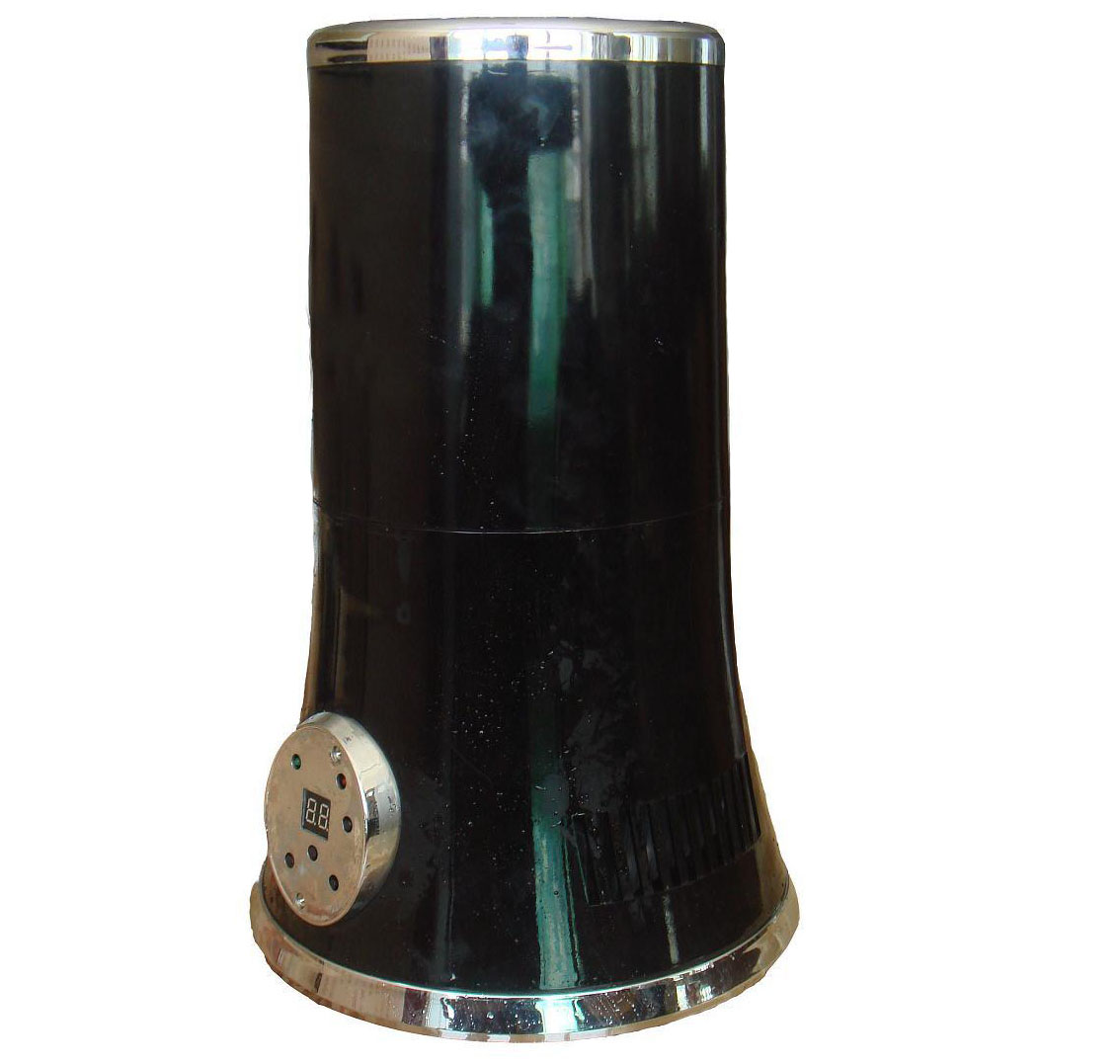
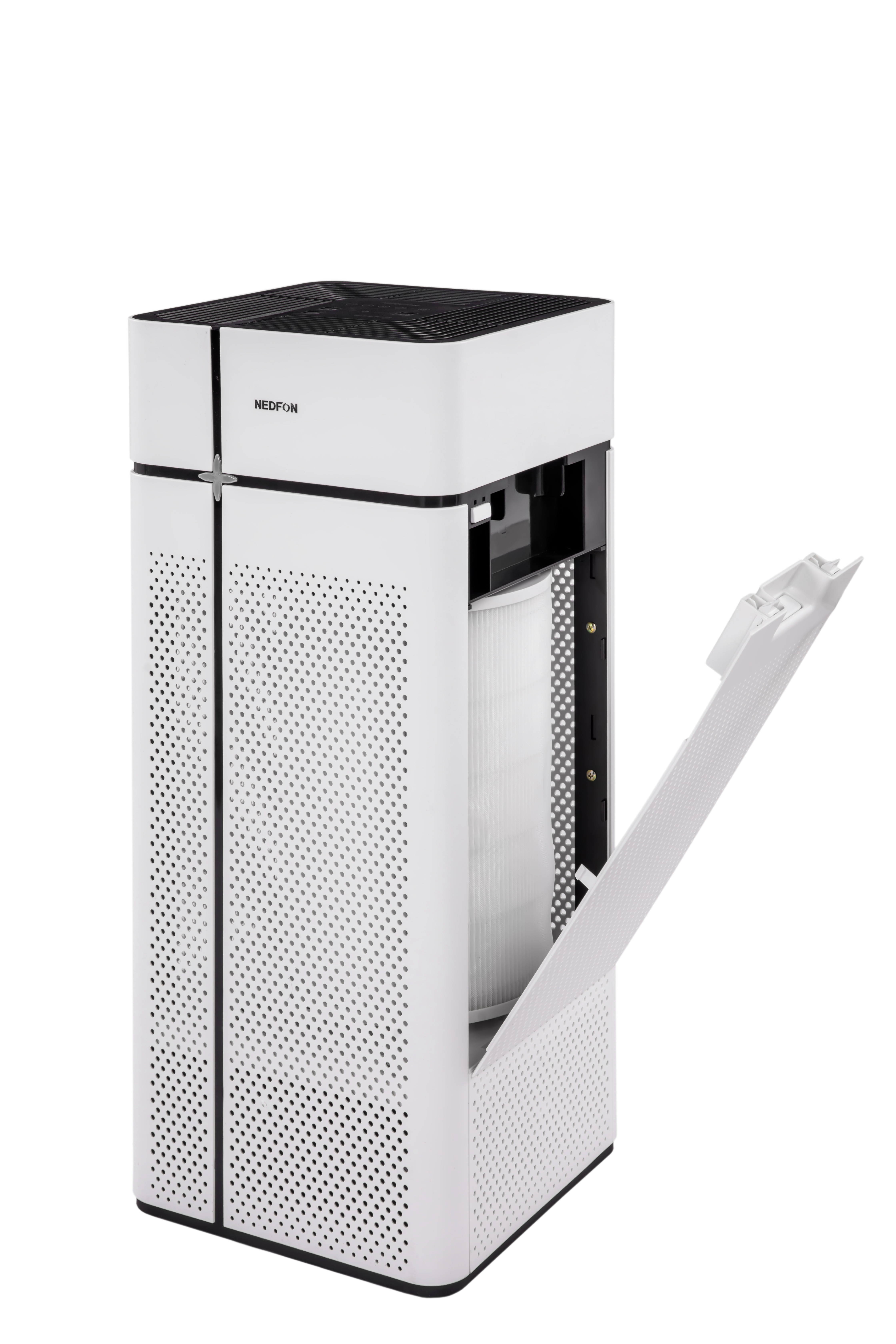
Household Air Purifiers
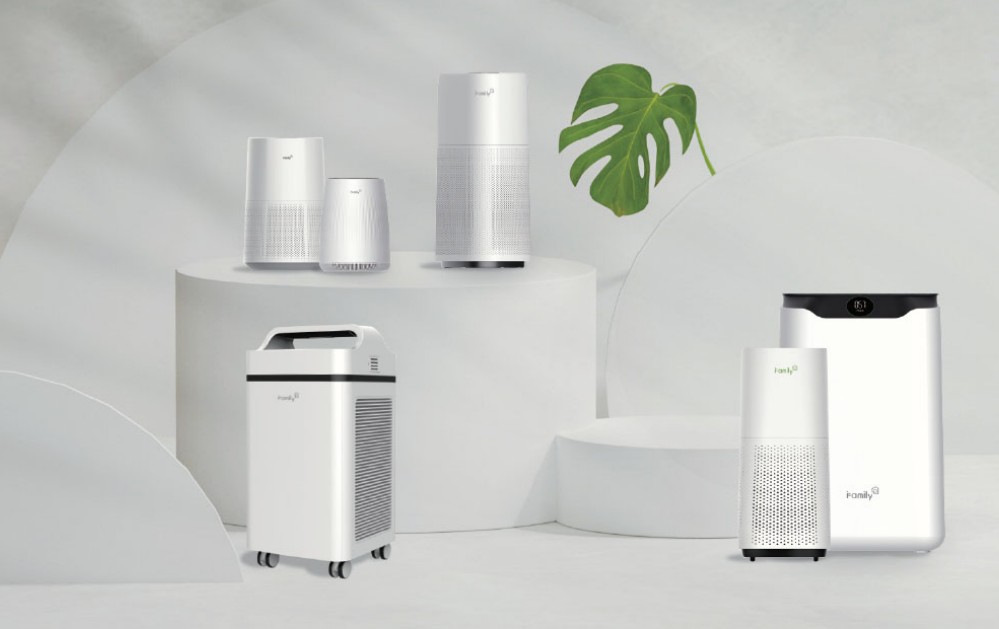
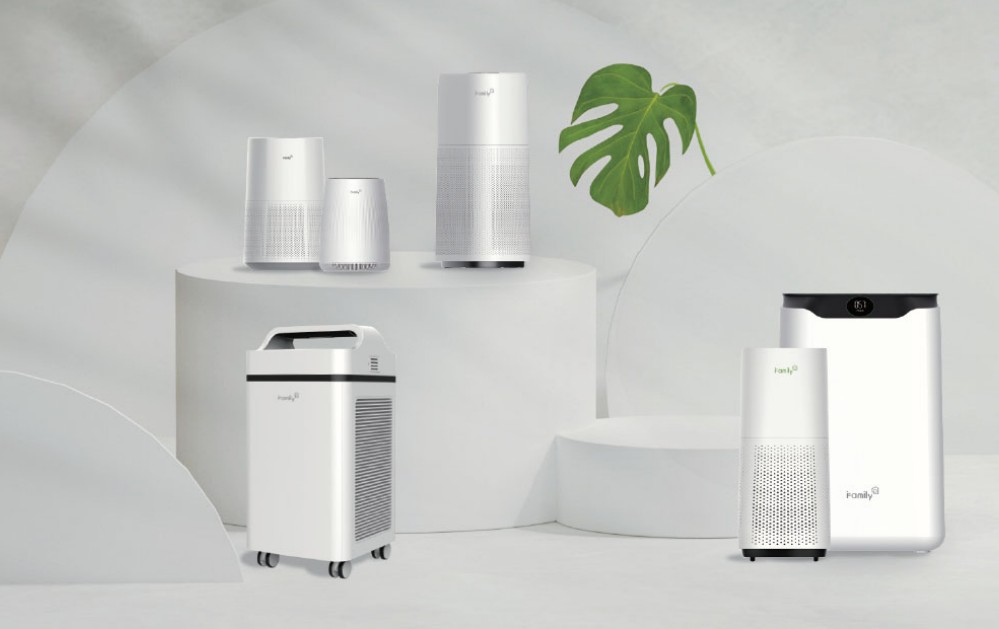
Source high-performance Household Air Purifiers directly from vetted manufacturers and wholesale suppliers. Designed for importers, distributors, and appliance brands, our network supports bulk procurement and custom OEM/ODM production to meet strict global air quality standards.
Sourcing household air purifiers at scale requires balancing motor efficiency, acoustic engineering, and strict filtration standards. A minor flaw in housing tolerances or assembly can cause air bypass, rendering even the highest-grade HEPA filter useless. For volume buyers, securing a reliable manufacturing partner means looking beyond superficial design and validating the factory's engineering capabilities, motor sourcing, and quality control infrastructure.
Core Specifications & Filtration Architecture
The performance of an air purifier is defined by its Clean Air Delivery Rate (CADR) and Cumulated Clean Mass (CCM). Achieving high CADR without exceeding acceptable noise levels (typically under 60 dB at maximum speed) depends entirely on the internal aerodynamics and the motor-fan assembly.
When configuring a unit for production, the filtration stack and motor type are your primary cost and performance drivers.
| Motor Type | Efficiency | Noise Profile | Cost Impact | Best For |
|---|---|---|---|---|
| AC Motor | Standard | Higher vibration at high RPM | Low | Entry-level retail units |
| BLDC (Brushless DC) | High | Smooth, quiet operation | Premium | Mid-to-high-end smart purifiers |
The Filtration Stack
Most modern household units require a multi-stage approach. A typical stack includes:
- Washable Pre-filter: Captures large particles (hair, dust) to extend HEPA life.
- True HEPA (H13 or H14): Must capture 99.97 percent of particles down to 0.3 microns. Verify the supplier's media source; cheap media increases air resistance, forcing the motor to work harder.
- Activated Carbon: For VOC and odor removal. Specify pelletized carbon rather than carbon-sprayed sponge for actual efficacy.
- Supplemental Tech: UV-C LEDs or ionizers. If utilizing these, ozone emission testing is mandatory.
Need help configuring a custom filtration stack? We can match your technical requirements with a capable manufacturer.
Talk to our teamManufacturing Tolerances & Assembly Control
The physical housing of the purifier is typically ABS plastic formed via injection molding. If the factory's tooling is worn, the plastic housing will warp slightly. Even a one-millimeter gap between the filter frame and the housing allows dirty air to bypass the filter entirely.
If you are developing a custom design or integrating IoT capabilities, leveraging professional OEM/ODM Services ensures that the internal layout, PCB placement, and sensor integration are engineered for manufacturability before tooling begins.
Critical Factory Floor Checks
- Verify the presence of an anechoic chamber for accurate noise level testing.
- Check for CADR testing chambers (standard 30 cubic meter rooms) to validate performance claims.
- Inspect the balancing process for fan impellers to prevent high-speed vibration.
- Ensure robust sealing mechanisms (EVA foam gaskets) are applied consistently around filter housings.
Executing comprehensive Factory Audits prior to finalizing your supplier choice is the only way to confirm these testing facilities actually exist and are calibrated correctly.
Compliance and Quality Assurance
Air purifiers are heavily regulated appliances. Compliance is not optional, and failure to meet regional standards will result in blocked shipments or recalls.
CARB Compliance for the US Market
If your units include ionizers, electrostatic precipitators, or UV lights and are destined for the United States, they must be certified by the California Air Resources Board (CARB) to ensure ozone emissions remain below 0.050 ppm.
Beyond standard electrical safety (CE, RoHS, UL/ETL), functional performance must be verified during production. Implementing strict Quality Control & Inspection protocols helps catch common defects like uncalibrated PM2.5 sensors, resonant motor vibration, or improper PCB soldering before the units are containerized.
Proper Compliance & Testing should be integrated into your sourcing timeline early, as certification processes can take several weeks.
Production Realities: MOQs, Lead Times, and Pricing
Pricing for household air purifiers fluctuates based on raw material costs (copper for motors, ABS for plastics) and the complexity of the PCBA (smart Wi-Fi features vs. analog controls).
When negotiating with factories, be wary of prices that fall significantly below the market average for a given CADR. Cost-cutting usually occurs in unseen areas: thinner plastics, lower-grade HEPA media, or refurbished AC motors.
Want to validate your target pricing? We can benchmark your specifications against current factory costs.
Get a free consultationFrequently Asked Questions
Successfully sourcing household air purifiers requires looking past the outer shell and focusing on the internal engineering, motor quality, and filtration integrity. A rigorous approach to factory vetting and quality control ensures your product performs as promised and meets all regulatory demands.
Get Sourcing Help for Household Air Purifiers
Tell us your requirements and our experts will connect you with verified manufacturers.