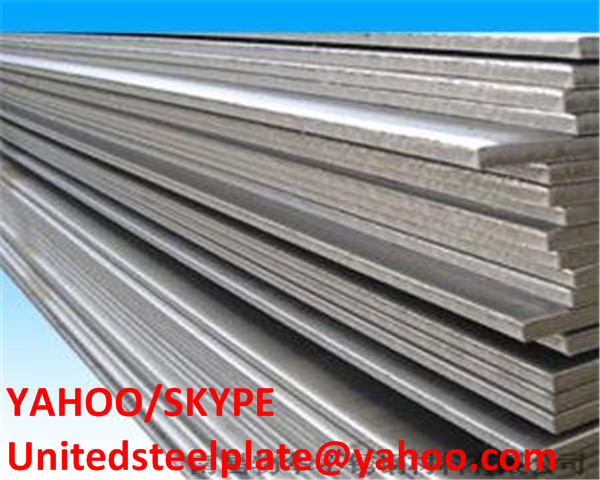
Hot Rolled Steel Plates
Source Hot Rolled Steel Plates from vetted manufacturers and wholesale suppliers. Built for importers, industrial distributors, and procurement managers buying in bulk, our network ensures competitive pricing and strict adherence to global metallurgical standards.
Hot rolled steel plates are the foundational material for heavy construction, shipbuilding, pressure vessels, and industrial machinery. When sourcing these plates in volume from overseas mills, the primary challenge is not simply locating production capacity. The real complexity lies in ensuring consistent yield strength, maintaining strict dimensional tolerances across large batches, and securing reliable, traceable mill test certification for every heat.
Successful procurement requires a deep understanding of mill capabilities, global grading standards, and the logistics of moving heavy, high-volume freight.
Critical Specifications and Global Standards
Steel grading systems vary significantly by region, and specifying the wrong equivalent can lead to structural failures or compliance issues in your target market. Beyond the basic grade, buyers must define acceptable carbon equivalent (CEV) levels, which directly impact the weldability of the plate.
| Standard | Primary Region | Minimum Yield Strength | Common Application |
|---|---|---|---|
| ASTM A36 | North America | 250 MPa | General structural & bridges |
| EN 10025 S355 | Europe | 355 MPa | Heavy engineering & offshore |
| JIS G3101 SS400 | Asia | 245 MPa | General purpose construction |
| ASTM A516 Gr. 70 | Global | 260 MPa | Pressure vessels & boilers |
When placing orders, precise dimensional tolerances must be established. For thickness, standards like EN 10029 define different classes (A, B, C, and D) dictating whether the tolerance allows for plate thickness to fall slightly under the nominal specification or if it must remain strictly at or above it.
Navigating mill allocations, grade equivalents, and quality control across overseas steel purchases requires boots on the ground. Let us streamline your procurement process.
Talk to our teamManufacturing Variables and Quality Control
The hot rolling process involves heating steel slabs to over 1,100 degrees Celsius and passing them through a series of rollers. Variations in temperature control, rolling speed, and cooling rates directly affect the grain structure and mechanical properties of the final plate.
Assessing a mill's capability often requires comprehensive Factory Audits to verify the modernization of their reheating furnaces and the precision of their rolling stands. Outdated equipment frequently results in inconsistent thickness (crown) across the width of the plate or poor flatness.
Common Defects to Monitor
Catching defects before the steel is loaded onto a vessel is critical. Implementing rigorous Quality Control & Inspection protocols at the mill or port can prevent costly rejections upon arrival.
Key Pre-Shipment Inspection Points
- Verify Mill Test Certificates (MTC EN 10204 3.1 or 3.2) against physical heat number stamps.
- Perform ultrasonic testing (UT) to check for internal laminations or inclusions.
- Inspect for surface defects including scale pits, rolled-in scale, and edge cracking.
- Measure diagonal dimensions to ensure squareness on sheared or flame-cut plates.
- Confirm flatness and camber remain within the specified tolerance limits.
Buying Mechanics: MOQs, Pricing, and Logistics
Steel is a highly commoditized market where pricing is directly tied to iron ore and coking coal indices, as well as regional energy costs. Because mills operate continuously, they require significant volume to justify changing the setup of their rolling mills for specific thicknesses or widths.
If your volume does not meet a mill's minimum rolling campaign, you may need to source from large stockists or service centers that can cut from existing coil or standard plate stock.
Logistics also play a massive role in the landed cost of hot rolled plates. Standard 20-foot containers can handle plates up to roughly 5.8 meters in length, maxing out at around 25 to 28 metric tons due to road weight limits. For longer plates (e.g., 12 meters), breakbulk shipping is mandatory. Coordinating these heavy-lift movements requires specialized Shipping & Freight expertise to ensure the plates are properly dunnaged and secured against shifting and saltwater exposure during transit.
Struggling with high MOQs or complex breakbulk logistics? We coordinate multi-supplier consolidation and heavy freight forwarding to lower your landed costs.
Get a free consultationFrequently Asked Questions
Securing a reliable supply of hot rolled steel plates requires vigilant oversight of mill certifications, production tolerances, and heavy-freight logistics. By enforcing strict quality controls and verifying mill capabilities upfront, buyers can protect their supply chains from costly material rejections and project delays.
Get Sourcing Help for Hot Rolled Steel Plates
Tell us your requirements and our experts will connect you with verified manufacturers.