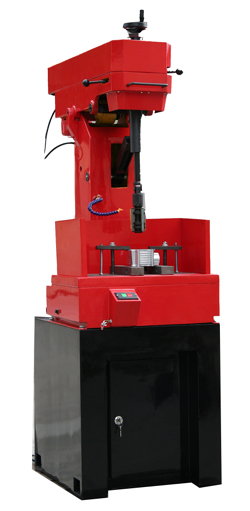
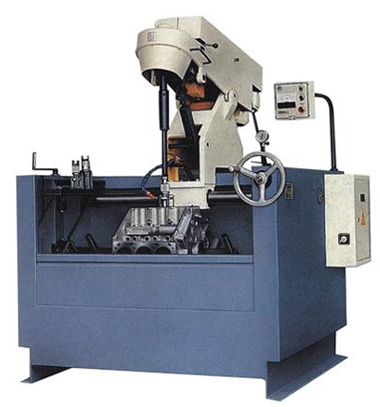
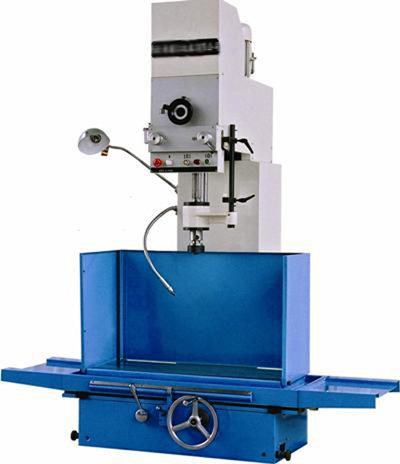
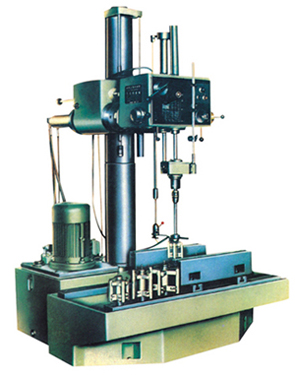
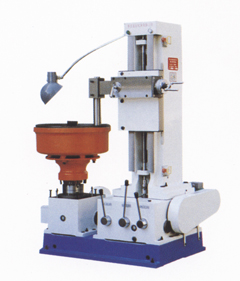
Honing Machines
Source industrial honing machines from vetted manufacturers and suppliers in China and across Asia. Designed for importers, machinery distributors, and procurement managers seeking precision bore finishing equipment, our network provides reliable wholesale purchasing and custom OEM/ODM production to meet your exact machining tolerances.
Procuring honing machines overseas requires navigating a complex landscape of mechanical tolerances, control system reliability, and heavy-machinery logistics. Whether you are sourcing vertical CNC honing centers for automotive cylinder blocks or horizontal machines for hydraulic cylinders, the margin for error is microscopic. A machine that fails to hold tight geometric tolerances or achieve the required surface finish (Ra) will result in costly scrap rates for the end user.
Successfully importing these machines means verifying that the manufacturer actually produces the critical components—like the spindle and hydraulic feeds—to a high standard, rather than just assembling low-tier commodity parts.
Critical Specifications to Define
When negotiating with machinery manufacturers, clarity on technical parameters dictates the build quality. Ambiguous specifications often lead to factories defaulting to cheaper components to win the bid.
Ensure your technical data sheet specifies:
- Stroke Length and Speed: Must align with the maximum part length. Variable stroke speeds are essential for cross-hatch angle control.
- Expansion Systems: Specify whether you require hydraulic, pneumatic, or servo-driven tool expansion. Servo systems offer superior feed control for blind-hole honing.
- Control Architecture: For CNC models, specify the controller brand (e.g., Siemens, Fanuc, or a reputable domestic equivalent like GSK). Proprietary factory controllers can be difficult to service internationally.
Need help verifying technical specifications with Asian manufacturers? We can step in to ensure your requirements are clearly defined and met.
Talk to our teamManufacturing Quality & Factory Vetting
The precision of a honing machine is directly tied to the rigidity of its cast iron base and the quality of its guide rails. Factories cutting corners often use improperly aged castings, which warp over time, or install lower-grade linear guideways that degrade under the constant oscillation of the honing process.
To mitigate this, thorough Factory Audits are non-negotiable. You need to verify the factory's own machining capabilities. Do they use high-precision boring mills to machine their castings? How do they measure spindle concentricity during assembly?
Key Factory Verification Points
- Verify in-house casting aging processes (natural or thermal stress relief).
- Inspect the assembly environment for spindle bearings (requires temperature control).
- Check the brand and origin of critical hydraulic valves and servo motors.
- Request documentation on their internal run-off testing procedures.
If you are a brand looking to market machinery under your own name, engaging a supplier for OEM/ODM Services requires establishing strict quality agreements covering everything from custom paint colors and branding to specific component upgrades.
Pricing, MOQs, and Lead Times
Honing machines are capital equipment, so the Minimum Order Quantity (MOQ) is almost always 1 unit. However, volume discounts (typically 5-10 percent) apply when ordering multiple units that can share a container.
Pricing is highly dependent on the machine's configuration, automation level, and the origin of its critical components.
| Machine Type | Typical Application | Primary Cost Drivers |
|---|---|---|
| Manual Horizontal | Small batch, variable parts | Motor power, base rigidity |
| Vertical PLC/Hydraulic | Engine cylinders, sleeves | Hydraulic system brand, stroke length |
| Multi-Spindle CNC | High-volume automotive | Servo controls, automated fixturing |
Lead Times: Standard models typically require 30 to 45 days for production. Custom OEM configurations or heavy-duty vertical machines with extended strokes can take 60 to 90 days.
Because honing machines are heavy, bulky, and sensitive to moisture, logistics require careful planning. Proper crating, rust-prevention packaging (VCI), and securing the machine's moving parts are critical before handing off to Shipping & Freight providers to ensure safe transit.
Managing heavy machinery logistics and cross-border payments can be complex. Let us streamline your supply chain from factory floor to final delivery.
Get a free consultationQuality Control & Pre-Shipment Testing
Never authorize final payment or shipment without a rigorous pre-shipment inspection. A standard visual check is insufficient for precision machine tools. Comprehensive Quality Control & Inspection must involve a functional run-off test using actual workpieces.
Key inspection criteria include:
- Laser Interferometer Testing: Verifying the positioning accuracy and repeatability of the stroke.
- Spindle Runout Measurement: Using dial indicators to ensure concentricity is within the specified tolerance.
- Test Cut Verification: Honing a sample part and measuring the resulting bore for roundness, cylindricity, and surface finish (Ra) using specialized metrology equipment.
- Coolant System Check: Ensuring the magnetic separator and paper filter systems function correctly without leaks.
Frequently Asked Questions
Sourcing industrial honing machines is fundamentally about managing risk. The initial purchase price is only one factor in the total cost of ownership; a machine that requires constant recalibration or suffers from premature component failure will quickly erase any upfront savings. By enforcing strict technical specifications, conducting thorough functional run-offs, and managing the logistics carefully, you can secure high-performance machinery that delivers reliable precision for years.
Get Sourcing Help for Honing Machines
Tell us your requirements and our experts will connect you with verified manufacturers.