Honey Processing Machines
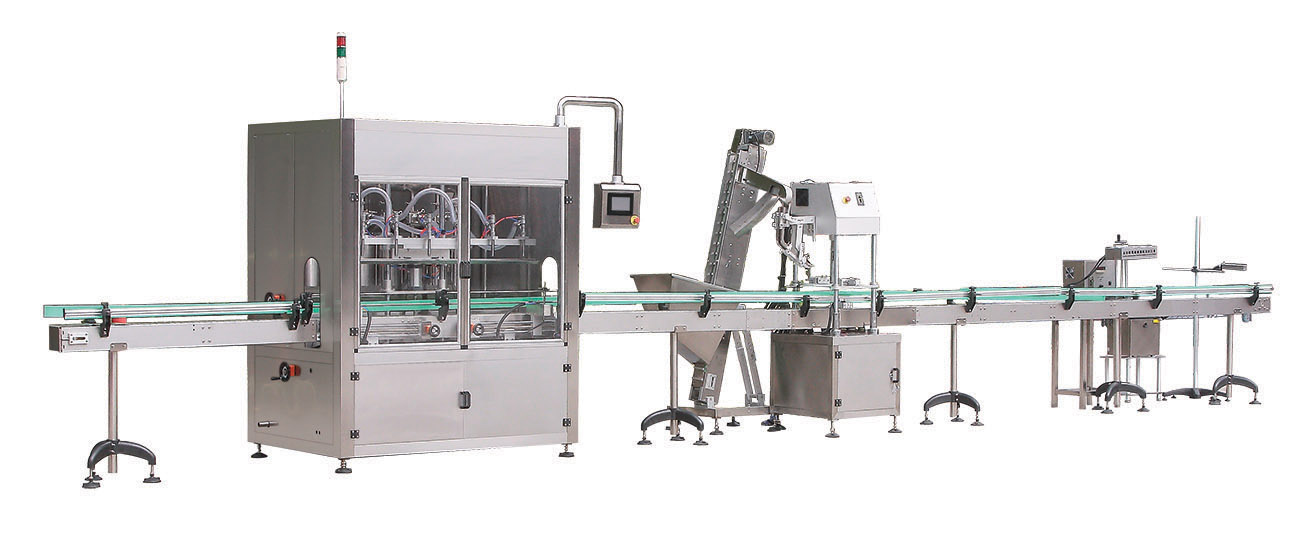
Source industrial-grade honey processing machines from vetted suppliers and manufacturers. Designed for importers, wholesalers, distributors, and food-beverage brands seeking reliable OEM production, our bulk equipment covers extraction, filtration, moisture reduction, and bottling lines.
Sourcing honey processing machinery requires balancing throughput capacity with strict thermal control. Because honey is highly sensitive to heat—which can destroy natural enzymes and elevate Hydroxymethylfurfural (HMF) levels—the equipment you import must feature precise jacketed heating and efficient vacuum concentration. For buyers building complete processing lines or sourcing standalone units for resale, verifying the manufacturer's engineering standards is just as critical as the spec sheet.
Core Technical Specifications
When evaluating suppliers, the distinction between a standard agricultural mixer and a true food-grade honey processor lies in the material finish and environmental controls.
Critical Specifications to Verify
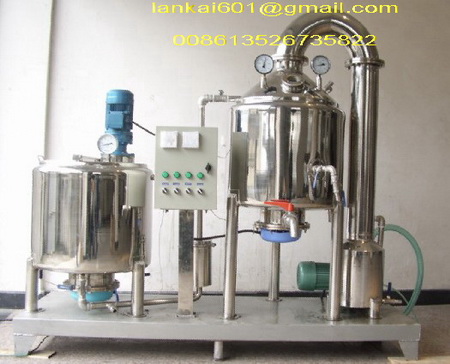
- Heating Mechanism: Must use water-jacketed heating rather than direct heat to prevent caramelization and HMF spikes.
- Vacuum System: Look for water ring vacuum pumps capable of maintaining negative pressure (typically -0.09 MPa) to allow moisture evaporation at lower temperatures (under 50°C).
- Filtration Rating: Dual-stage filtration systems (e.g., 80 mesh coarse, 120 mesh fine) using SUS304/316L filter screens.
- Agitator Design: Low-speed scraping agitators (typically 30-45 RPM) to ensure even heat distribution without introducing excessive air bubbles.
Need help verifying technical specifications with overseas manufacturers? Our engineers can evaluate supplier capabilities before you commit.
Talk to our teamMaterial Grades and Sanitary Standards
Honey is acidic (pH typically between 3.4 and 6.1). Prolonged contact with substandard metals will cause corrosion, leaching, and product spoilage.
| Feature | Standard (Domestic/Low-Cost) | Export/Premium Grade |
|---|---|---|
| Contact Materials | SUS304 (1.5mm - 2mm) | SUS316L (2.5mm - 3mm+) |
| Welding standard | Standard TIG, minimal polishing | Sanitary TIG, polished to Ra under 0.4µm |
| Seals & Gaskets | Standard industrial rubber | Food-grade Silicone, EPDM, or PTFE |
| Control Systems | Manual analog PID controllers | PLC touch screen (Siemens/Omron) |
Manufacturing Quality and Defect Control
The primary failure points in imported honey processing equipment occur during the fabrication of the pressure vessels and the integration of the vacuum systems. Poorly executed welds not only harbor bacteria but can also compromise the vacuum seal, rendering the moisture reduction process ineffective.
Because these defects are difficult to rectify post-shipment, conducting thorough Factory Audits prior to placing an order is standard practice for high-volume buyers. You need to ensure the facility holds valid pressure vessel manufacturing licenses (if applicable to the equipment scale) and ISO9001 certification.
Vacuum Leakage Risks
A common defect in lower-tier equipment is micro-porosity in the welding of the vacuum concentrator. If the machine cannot hold a stable negative pressure, the boiling point of the water inside the honey will not drop sufficiently, forcing operators to increase the temperature and degrading the honey.
During production, implement strict Quality Control & Inspection protocols. Key inspection milestones should include:
- Material Verification: PMI (Positive Material Identification) testing to confirm SUS304/316L composition.
- Hydrostatic Testing: Pressure testing the water jackets and vacuum chambers for at least 24 hours to detect leaks.
- Surface Finish Inspection: Verifying that all internal welds are ground flush and polished to the specified roughness average (Ra).
Buying Mechanics: Pricing, MOQs, and Lead Times
Procuring industrial food machinery operates on different timelines and pricing structures than consumer goods. Most manufacturers build to order, allowing for customization of voltage (e.g., 220V/380V, 50Hz/60Hz), footprint, and automation levels.
Cost Drivers
- Capacity & Scale: A 500kg/batch concentrator will cost significantly less than a 2000kg/batch continuous processing line.
- Automation: Upgrading from manual valves and analog thermostats to fully automated pneumatic valves and centralized PLC controls can increase unit costs by 20-40%.
- Material Thickness: Thicker steel (essential for larger vacuum tanks to prevent implosion) increases raw material costs directly.
Planning a complete processing line? Let us manage the supplier coordination, engineering checks, and logistics.
Get a free consultationBecause honey processing lines are bulky and often require specialized crating or flat rack containers, coordinating the Shipping & Freight early in the procurement process is vital to avoiding unexpected port fees or transit damage.
Frequently Asked Questions
Securing reliable honey processing equipment is about controlling variables: temperature, pressure, and material integrity. By vetting suppliers for their engineering precision and enforcing strict pre-shipment testing, buyers can import machinery that protects the quality of the end product and delivers long-term operational stability.
Get Sourcing Help for Honey Processing Machines
Tell us your requirements and our experts will connect you with verified manufacturers.