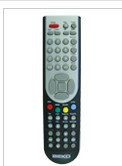
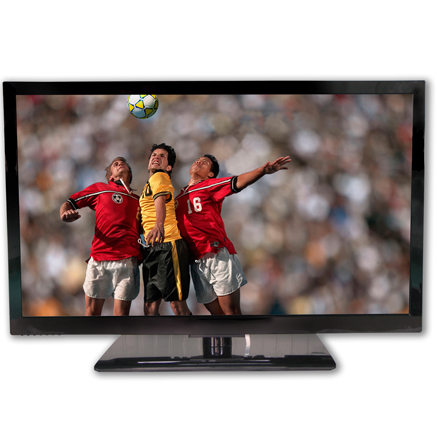
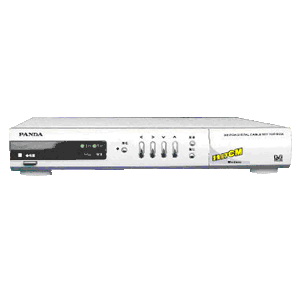
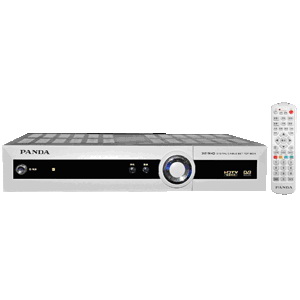
Home Video & Accessories
Source high-performance Home Video & Accessories from vetted suppliers and manufacturers in China and across Asia. Designed for importers, distributors, and brands seeking reliable wholesale purchasing or custom OEM/private-label production. Secure competitive pricing and fully compliant electronics for your market.
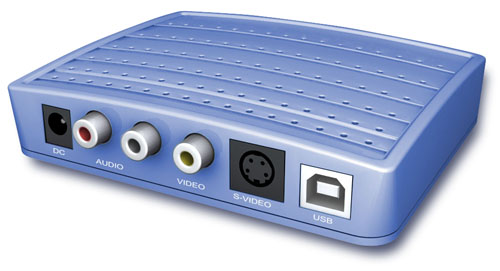
Sourcing home video electronics—ranging from 4K/8K matrix switchers and Android media players to signal extenders and capture cards—requires strict attention to signal integrity, chipset reliability, and intellectual property compliance. The core challenge isn't just finding a factory capable of basic PCB assembly; it's identifying a manufacturing partner that uses legitimate, licensed components, manages thermal output in compact enclosures, and maintains stable firmware across large production runs.
Critical Specifications and Component Selection
The performance of video distribution and playback hardware is dictated by the main system-on-chip (SoC) and the interface controllers. When negotiating with suppliers, you must specify the exact chipsets and bandwidth capabilities required for your target market. Relying on a factory's "standard configuration" often results in outdated HDMI 1.4 controllers being passed off as modern 4K solutions.
| Specification | Entry-Level / Budget | Professional / Premium |
|---|---|---|
| Bandwidth Support | 10.2Gbps to 18Gbps (4K@30Hz) | 48Gbps (8K@60Hz or 4K@120Hz) |
| HDCP Compliance | HDCP 1.4 (Prone to handshake errors) | HDCP 2.2 / 2.3 (Required for premium VOD) |
| Thermal Management | Passive cooling, plastic enclosure | Extruded aluminum chassis, thermal pads |
| EDID Management | Basic pass-through | Advanced dip-switch or software EDID control |
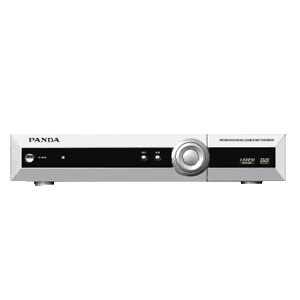
For smart media players and set-top boxes, memory speed (eMMC vs. standard NAND) and Wi-Fi module quality (e.g., dual-band Wi-Fi 6 vs. legacy 2.4GHz) drastically impact user experience. If you are developing a custom product line, leveraging OEM/ODM Services ensures you have direct control over the bill of materials (BOM) rather than accepting off-the-shelf compromises.
Struggling to verify chipset authenticity and supplier capabilities? Let our sourcing engineers evaluate your short-listed factories.
Talk to our teamManufacturing Quality & IP Compliance
Video accessories are notorious for regulatory and intellectual property pitfalls. High-speed signal transmission requires precise impedance control on the PCB. Poor soldering or inadequate electromagnetic interference (EMI) shielding will result in signal drops, artifacts, or complete handshake failures between displays and source devices.
Key Factory Verification Points
- Verify SMT (Surface Mount Technology) line capabilities for high-density PCB assembly.
- Check for proper EMI shielding over critical interface controllers.
- Confirm gold-plated connectors meet specified micron thickness for durability.
- Ensure 100% aging tests are performed on active video splitters and media players.
The HDMI Licensing Trap
Customs agencies routinely seize unbranded or private-label video accessories if the manufacturer is not an official HDMI Adopter. Always verify a factory's licensing status or work with a partner who can manage Compliance & Testing to ensure your shipments clear borders without legal friction.
Quality Control for Video Electronics
Catching defects before shipment is critical, as firmware bugs or hardware failures in video accessories often result in total product returns. Your Quality Control & Inspection protocol must move beyond simple cosmetic checks.
Signal Integrity Testing
Use dedicated signal generators and analyzers to confirm the device actually passes the claimed bandwidth (e.g., full 48Gbps) without bit errors.
Handshake & Compatibility
Test the accessory across multiple display brands and source devices to ensure HDCP and EDID handshakes complete successfully.
Thermal Stress Testing
Run active devices at maximum resolution and frame rate for a minimum of 4 to 8 hours to monitor for thermal throttling or signal dropouts.
Typical MOQs, Pricing, and Lead Times
The video accessory market is highly standardized at the factory level, meaning lead times and minimum order quantities (MOQs) are generally predictable, though they scale based on the level of customization required.
Pricing is highly volatile and directly tied to global semiconductor costs. A premium Amlogic or Realtek chipset for a media player, or a genuine Silicon Image controller for an HDMI matrix, will constitute the majority of the unit's cost. Aggressive price negotiation that forces a factory below their margin will almost always result in component substitution (e.g., swapping a recognized chipset for a cheaper, unstable clone).
Need realistic pricing models and reliable lead times for your next production run? Connect with our sourcing specialists.
Get a free consultationFrequently Asked Questions
Successfully importing home video and accessories requires navigating a complex web of technical specifications, chipset authenticity, and strict IP compliance. By establishing rigorous quality control parameters and verifying supplier capabilities upfront, you can build a reliable supply chain that delivers high-performance electronics your customers trust.
Get Sourcing Help for Home Video & Accessories
Tell us your requirements and our experts will connect you with verified manufacturers.