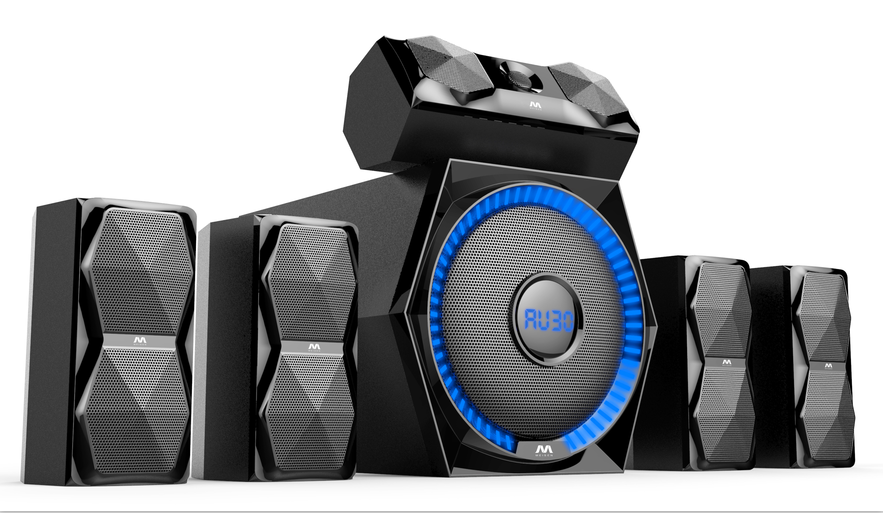
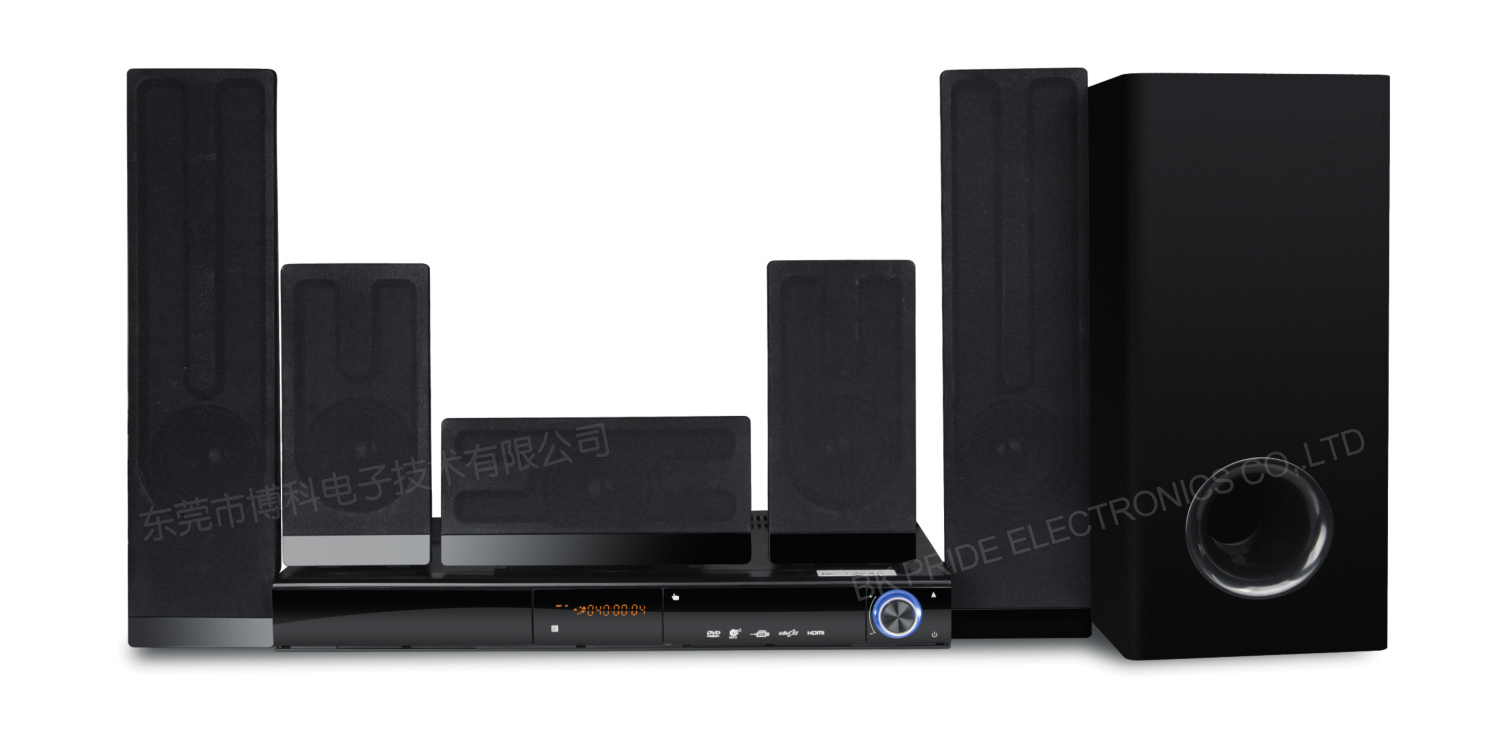
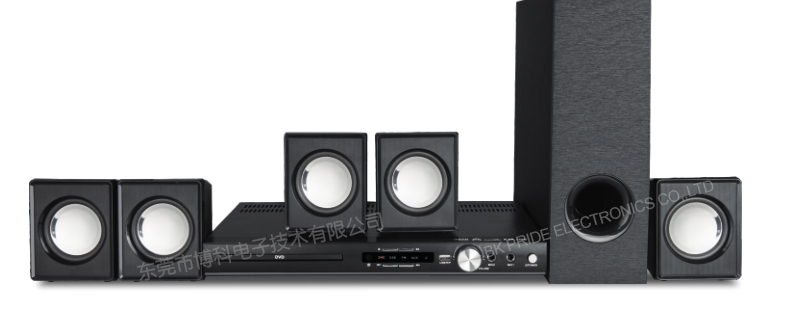
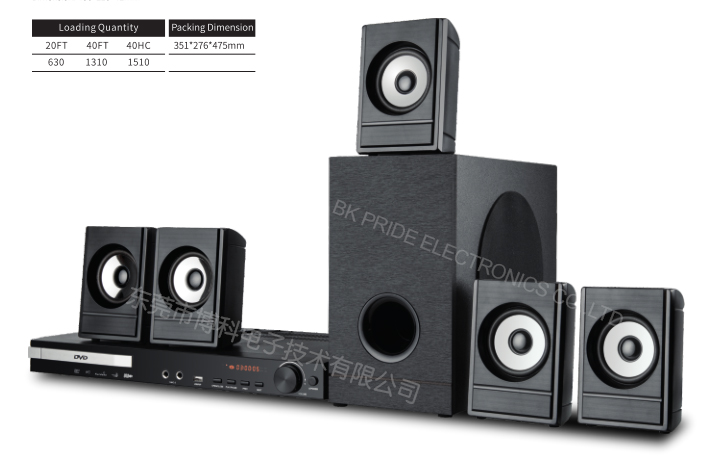
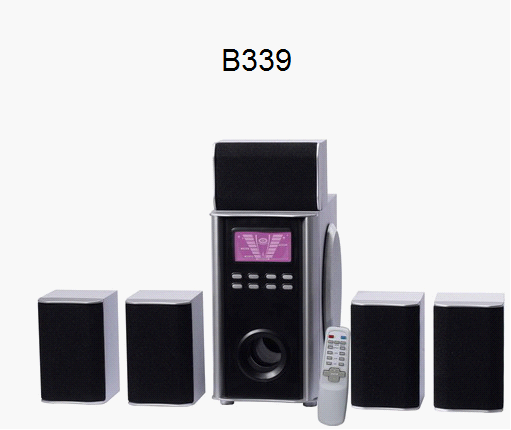
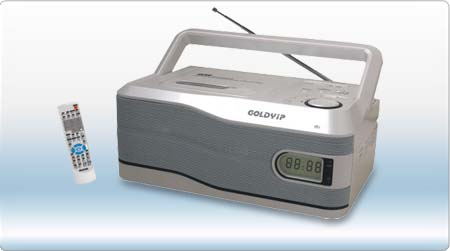
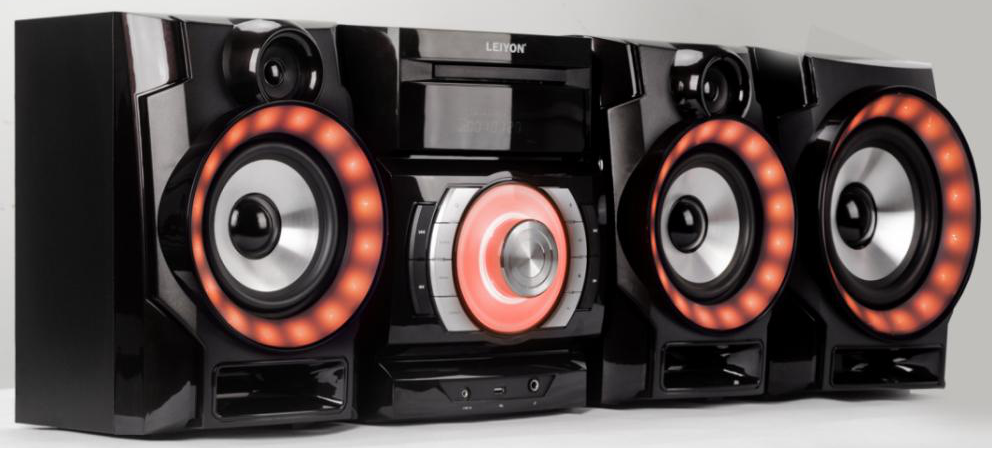
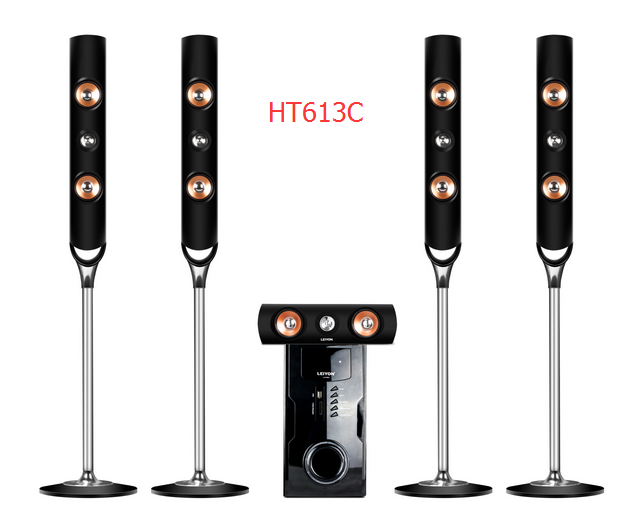
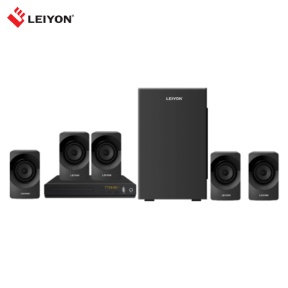
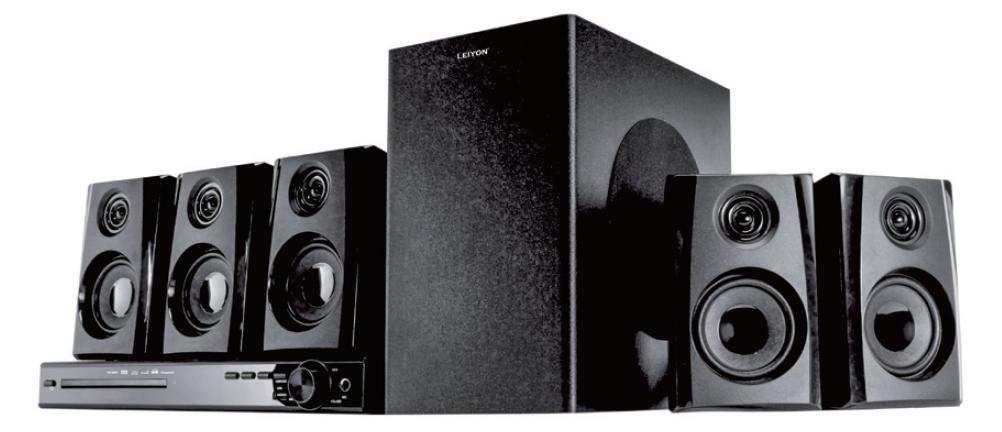
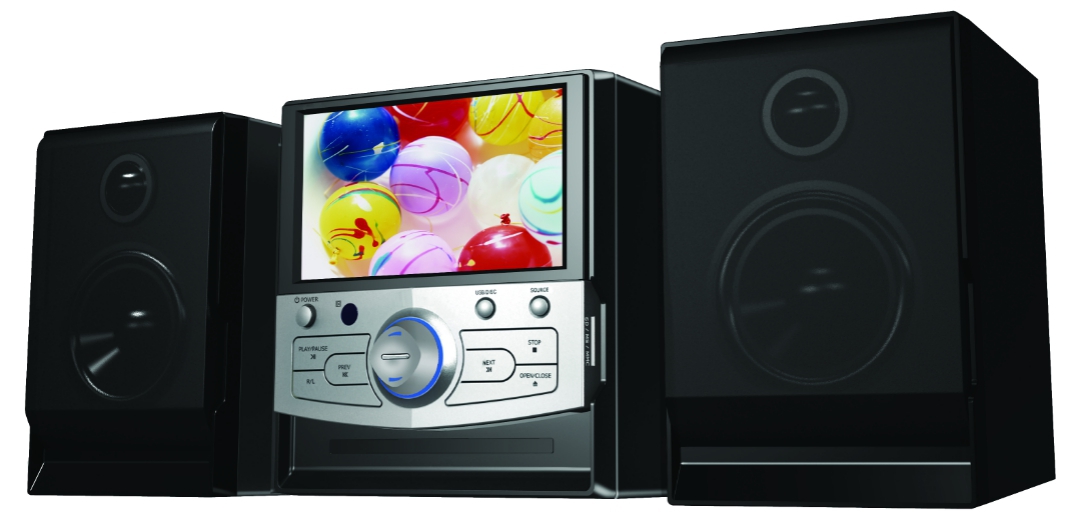
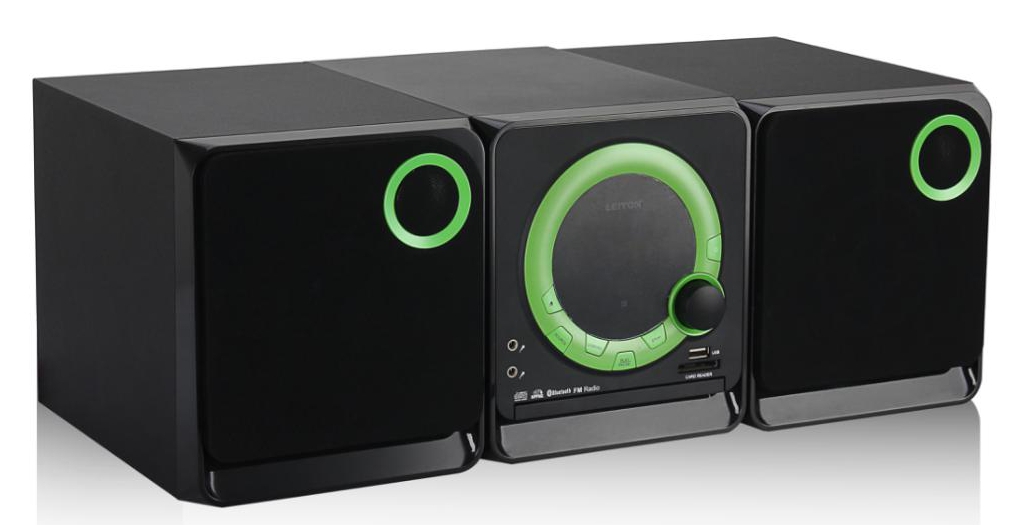
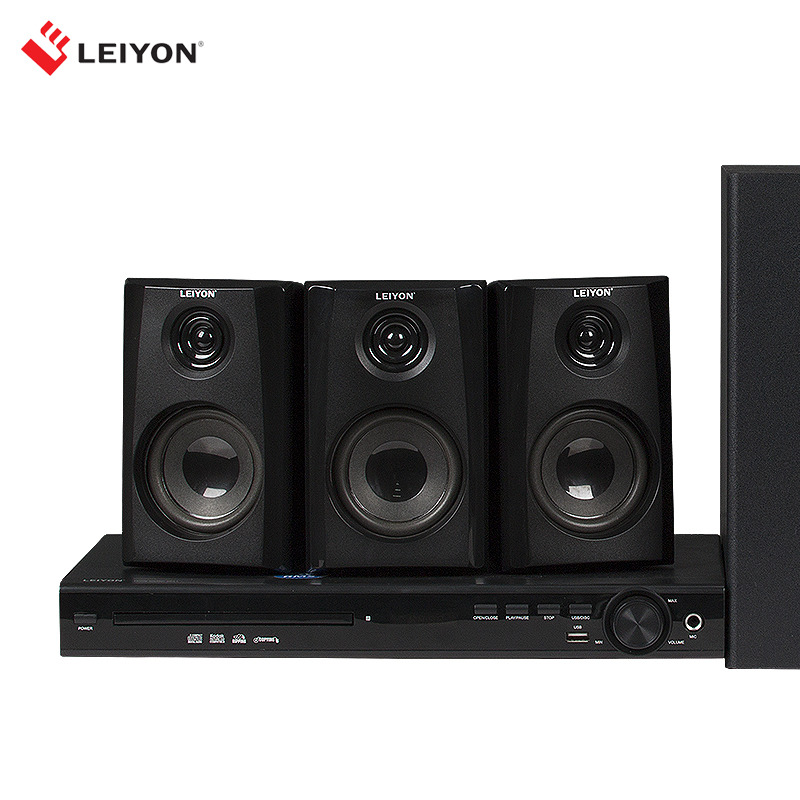
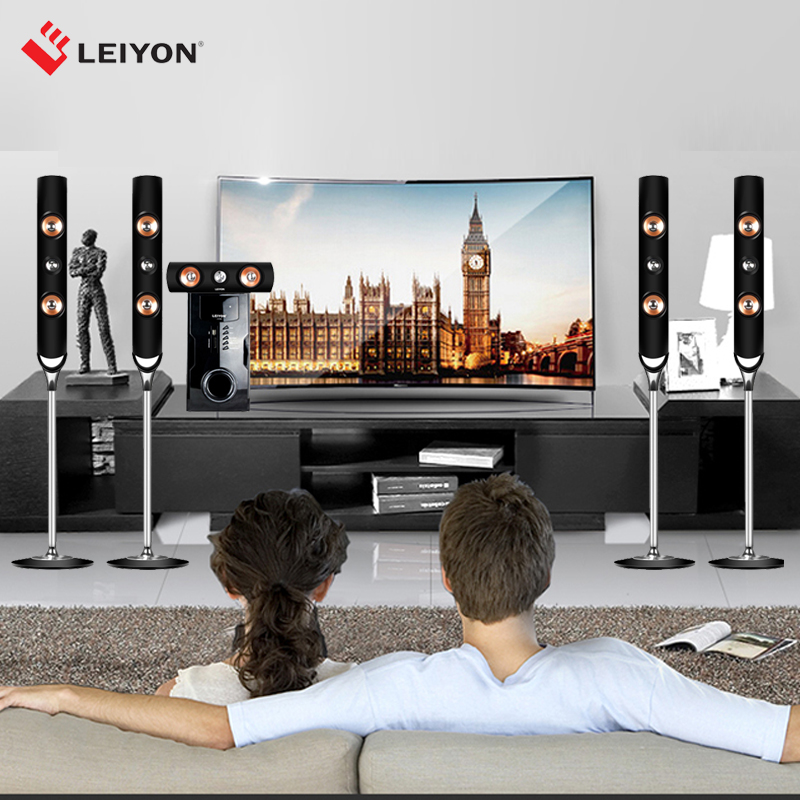
Home Theater Systems
Source high-quality home theater systems from vetted manufacturers and wholesale suppliers across Asia. Built for importers, electronics distributors, and audio brands seeking reliable OEM and private-label production, our network delivers scalable manufacturing with rigorous quality control.
Sourcing multi-channel home theater systems requires balancing acoustic engineering with complex electronics manufacturing. From amplifying circuits and digital signal processing (DSP) to enclosure acoustics and wireless transmission, a single point of failure in the Bill of Materials (BOM) can ruin audio fidelity or cause compliance failures at customs. For volume buyers, success depends on partnering with factories that possess true acoustic R&D capabilities, rather than those simply assembling off-the-shelf components.
Critical Specifications and Component Sourcing
When negotiating with suppliers, the specifications on paper must match the physical components inside the enclosure. Many entry-level manufacturers inflate power ratings using PMPO (Peak Music Power Output) instead of the industry-standard RMS (Root Mean Square). Strict definition of the BOM is essential.
| Specification | Entry-Level (White Label) | Mid to High-End (OEM/ODM) |
|---|---|---|
| Amplifier Output | Class D, low RMS (often marketed as high PMPO) | Class D or Class AB, true RMS rating per channel |
| THD (Total Harmonic Distortion) | Up to 10% at maximum volume | Under 1% at rated power |
| SNR (Signal-to-Noise Ratio) | 75dB to 80dB | Over 90dB |
| Connectivity | Bluetooth 5.0, Aux, Basic Optical | HDMI eARC, Wi-Fi, aptX HD, Coaxial |
The choice of decoding chips (such as those from Texas Instruments or MediaTek) dictates the system's ability to process advanced audio formats. If your market demands Dolby Atmos or DTS:X compatibility, you must ensure the factory uses certified ICs and holds the necessary manufacturing licenses.
Need help vetting audio manufacturers and verifying BOM specifications for your next product line?
Talk to our teamManufacturing Processes and Quality Control
The production of home theater systems bridges two distinct manufacturing disciplines: Surface Mount Technology (SMT) for the Printed Circuit Board Assembly (PCBA), and acoustic enclosure fabrication (typically injection-molded ABS for soundbars and fabricated MDF for subwoofers).
Inconsistent assembly can lead to rattling enclosures, blown capacitors, or wireless pairing failures. Implementing robust Quality Control & Inspection protocols directly on the factory floor is non-negotiable.
Critical Factory QC Checkpoints for Audio Systems
- Anechoic chamber testing to verify frequency response and acoustic tuning.
- 24-hour continuous burn-in testing at 80% volume to stress-test amplifiers and power supplies.
- Automated Optical Inspection (AOI) on the PCBA to detect cold solder joints.
- Drop and vibration testing, particularly for heavy subwoofer units, to ensure packaging integrity.
- Wireless latency and interference testing for satellite speakers and Bluetooth modules.
Beyond functional testing, electronic products must meet strict regulatory standards for your target market. Partnering with a sourcing team that understands Compliance & Testing ensures your shipments won't be rejected for failing FCC, CE, RoHS, or UL requirements.
OEM/ODM Customization and Supplier Vetting
For brands looking to differentiate their product lines, utilizing OEM/ODM Services allows for custom acoustic tuning, proprietary industrial design, and unique UI/UX on the digital displays. However, custom tooling for soundbar grilles and subwoofer enclosures requires significant capital investment.
Before committing to tooling fees, it is critical to conduct comprehensive Factory Audits. The best audio manufacturers are concentrated in Guangdong province (specifically Shenzhen, Dongguan, and Guangzhou). An audit should verify the factory's in-house engineering capabilities, anechoic chamber calibration, and SMT line capacity.
MOQs, Lead Times, and Pricing Drivers
Pricing in the home theater category is highly elastic, driven by the number of channels (e.g., 2.1 vs 5.1.2), driver materials (paper cone vs. Kevlar/neodymium), and licensing fees.
Streamline your supply chain and negotiate better terms with verified audio manufacturers.
Get a free consultationFrequently Asked Questions
Successful procurement of home theater systems hinges on strict BOM control, acoustic validation, and managing complex electronic supply chains. By establishing clear specifications and rigorous factory oversight, importers can secure high-margin audio products that perform reliably in the end-user's home.
Get Sourcing Help for Home Theater Systems
Tell us your requirements and our experts will connect you with verified manufacturers.