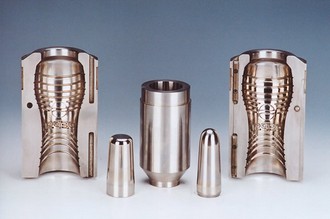
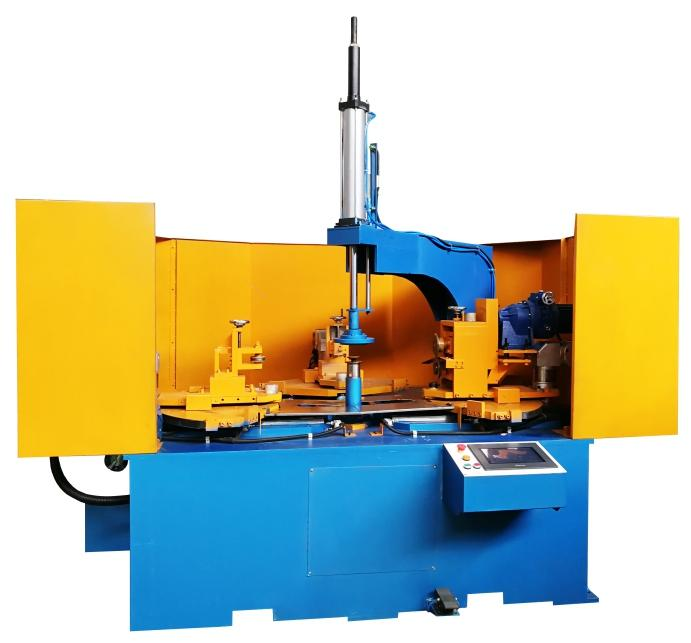
Home Product Manufacturing Machinery Parts
Source high-quality home product manufacturing machinery parts directly from vetted manufacturers and wholesale suppliers. Designed for importers, distributors, and brands requiring reliable OEM and aftermarket components in bulk, our network ensures strict quality control and competitive pricing for your production lines.
Sourcing replacement, aftermarket, or custom components for home product manufacturing machinery—whether for appliance assembly lines, furniture fabrication equipment, or textile processing—requires balancing strict dimensional tolerances with high-volume cost efficiency. The primary sourcing challenge is identifying specialized machine shops capable of producing high-wear industrial parts that meet or exceed original equipment specifications, without absorbing exorbitant OEM markups.
Critical Materials and Machining Specifications
Machinery parts used in home product manufacturing face continuous stress, friction, and thermal cycling. Specifying the correct material grade and surface treatment is non-negotiable for minimizing downtime on the factory floor. When commissioning parts, your technical drawings must explicitly detail material composition, required hardness (HRC), and acceptable dimensional tolerances (often down to +/- 0.01mm for high-speed automated equipment).
| Component Category | Standard Material Grades | Critical Manufacturing Focus |
|---|---|---|
| Drive Gears & Sprockets | 40Cr, 42CrMo Steel | Induction hardening (HRC 45-55), tooth profile accuracy |
| Cutting Blades & Dies | D2, SKD11 Tool Steel | Vacuum heat treatment, edge retention, anti-galling |
| Feed & Press Rollers | Polyurethane, NBR Rubber | Shore A hardness (70-90), concentricity, abrasion resistance |
| Pneumatic & Valve Fittings | 304/316 Stainless Steel, Brass | Thread precision, corrosion resistance, pressure ratings |
When moving production to a new supplier, it is highly recommended to request Material Test Reports (MTRs) alongside initial samples to verify the chemical composition of the raw steel or alloys used.
Need to match an exact OEM specification? Let us connect you with specialized machine shops capable of high-precision replication.
Talk to our teamQuality Control and Common Factory Floor Defects
The most common point of failure when importing machinery parts is inconsistent heat treatment. A gear that looks perfect dimensionally will fail prematurely if the core is too brittle or the surface is too soft. Catching these issues requires rigorous quality control and inspection before the container is loaded.
Pre-Shipment Inspection Focus Areas
- Dimensional Verification: Cross-checking critical dimensions against CAD files using CMM (Coordinate Measuring Machine) reports.
- Hardness Testing: Verifying Rockwell or Brinell hardness matches the engineering specification.
- Surface Finish (Ra): Ensuring bearing surfaces and seals meet the required surface roughness to prevent premature wear.
- Coating Thickness: Checking plating or anodizing thickness to ensure adequate corrosion resistance.
- Assembly Fitment: Testing mating parts (e.g., shafts and bearings) for proper clearance and interference fits.
Tooling Ownership
If you are paying for custom molds, casting patterns, or stamping dies, ensure your manufacturing agreement explicitly states that you own the tooling. This prevents supplier lock-in and protects your intellectual property.
Buying Mechanics: MOQs, Lead Times, and Pricing Drivers
Pricing for industrial machinery parts is driven by the manufacturing method (CNC machining vs. casting vs. stamping), raw material market rates, and production volume. Custom parts often require upfront tooling costs, which significantly impact the initial capital outlay but reduce the per-unit cost at scale.
For businesses developing proprietary manufacturing equipment, utilizing established OEM/ODM services allows you to scale production without investing in your own machining facilities. However, verifying the factory's actual capabilities—separating true manufacturers from trading companies—is essential. Conducting thorough factory audits ensures the supplier has the necessary ISO certifications, in-house testing equipment, and capacity to handle your volume.
Struggling with inconsistent quality from your current parts supplier? We can audit their facilities or source a more capable manufacturing partner.
Get a free consultationFrequently Asked Questions
Procuring industrial machinery parts in bulk is an exercise in risk management. Success depends entirely on clear technical communication, rigorous verification of factory capabilities, and uncompromising quality control at the source. Partnering with experienced sourcing professionals ensures your specifications are met, protecting your production lines from costly downtime.
Get Sourcing Help for Home Product Manufacturing Machinery Parts
Tell us your requirements and our experts will connect you with verified manufacturers.