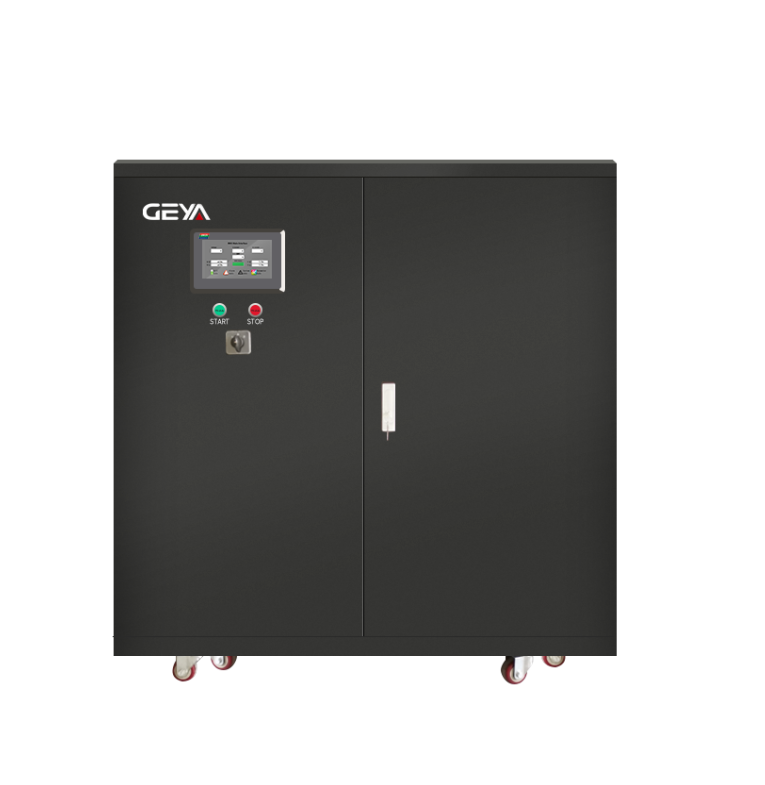
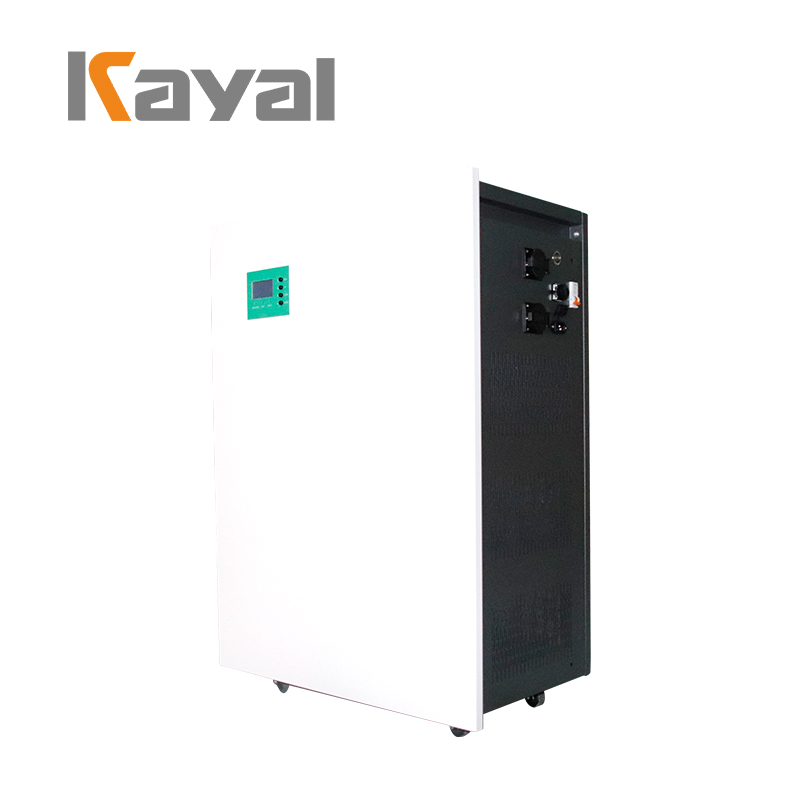
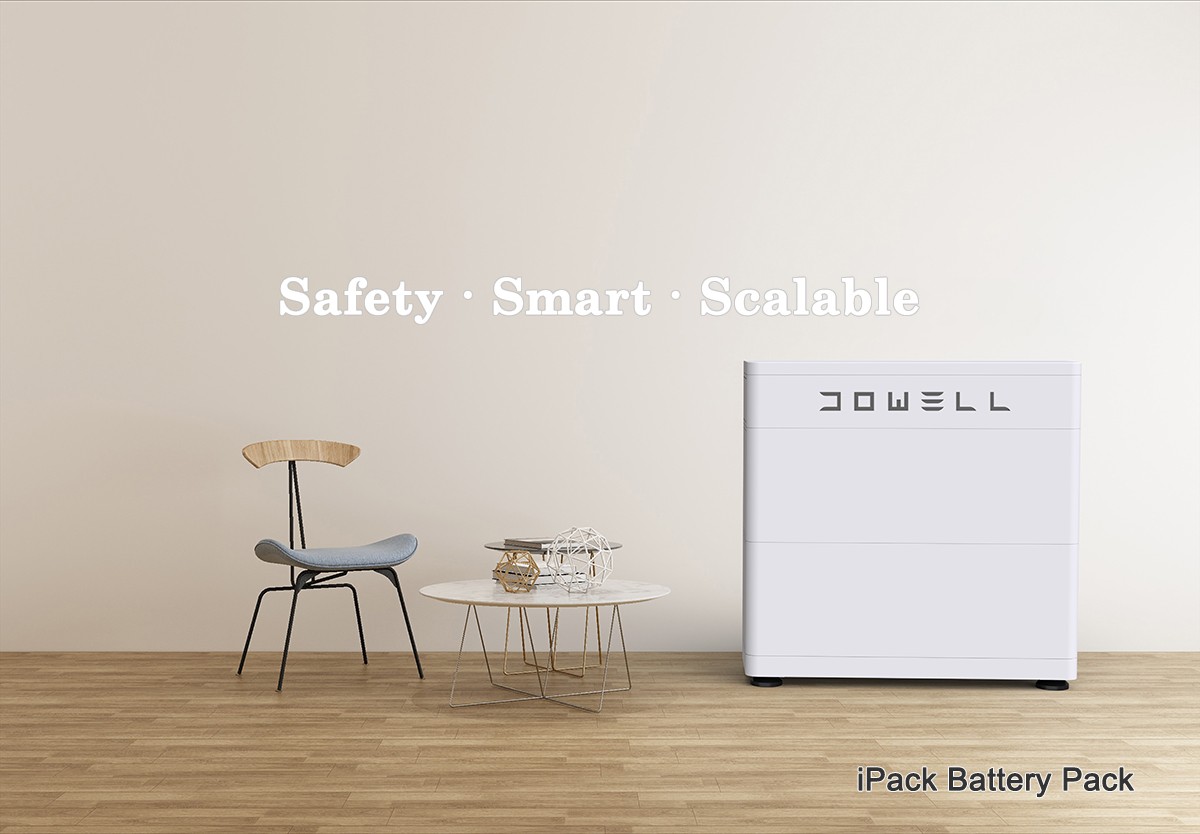
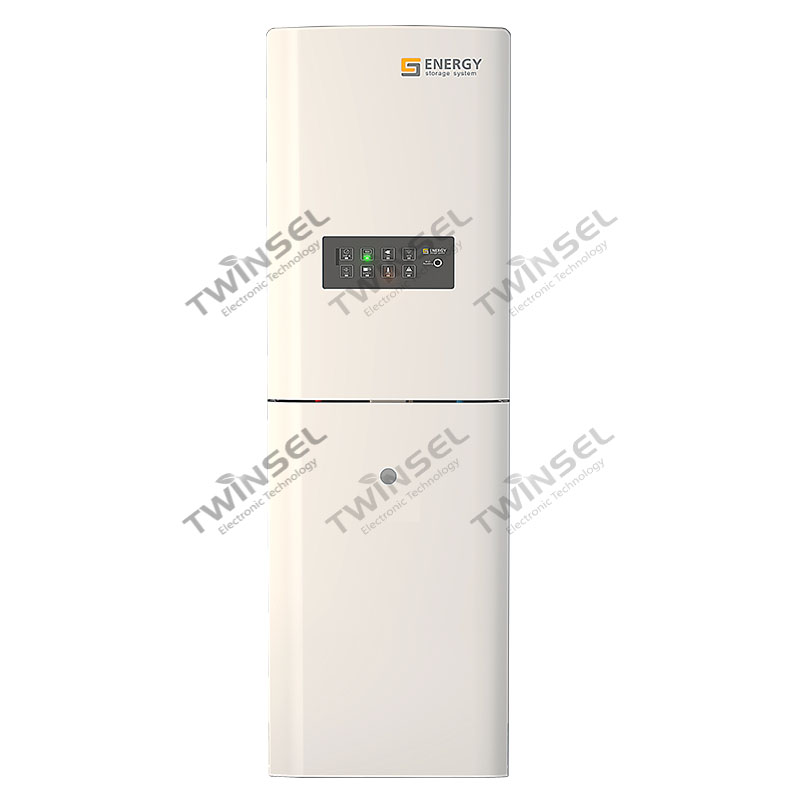
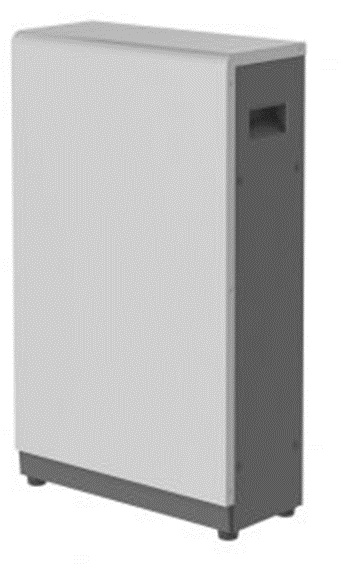
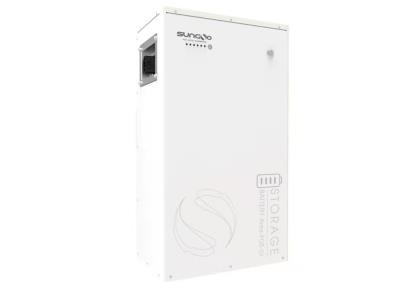
Home Energy Storage
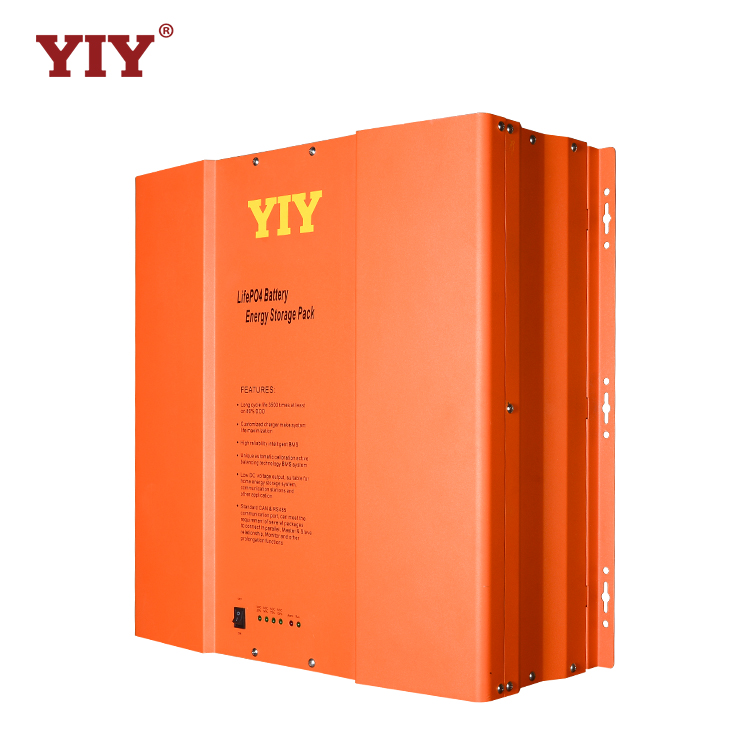
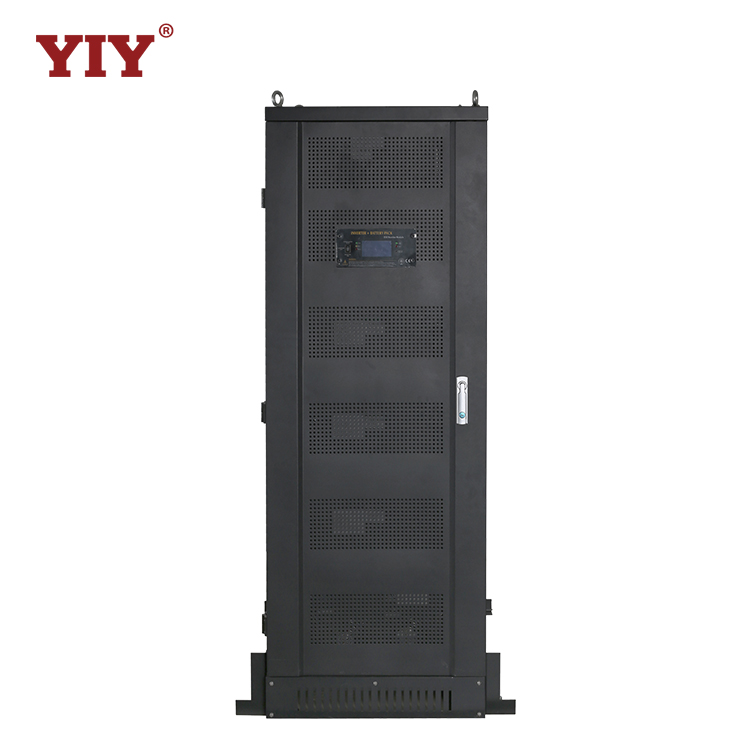
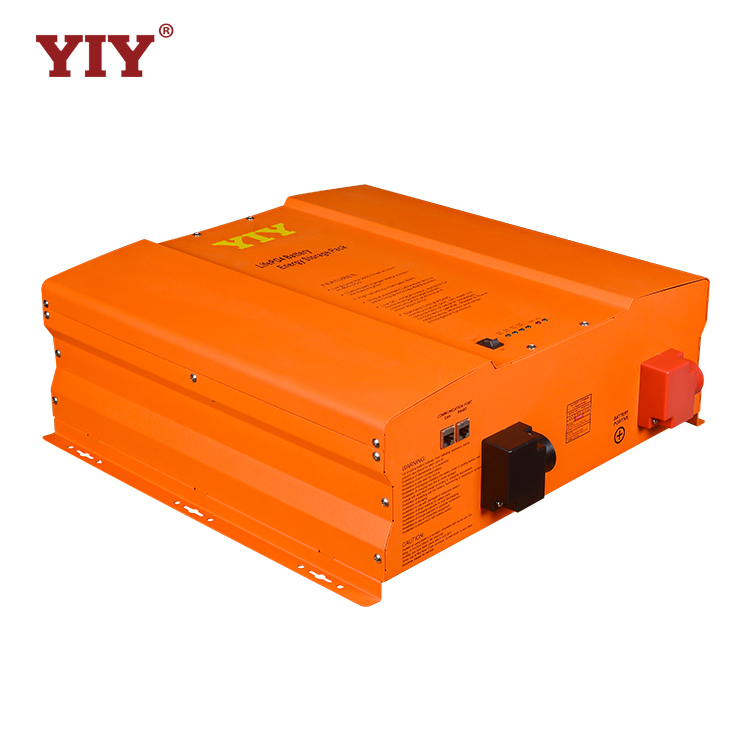
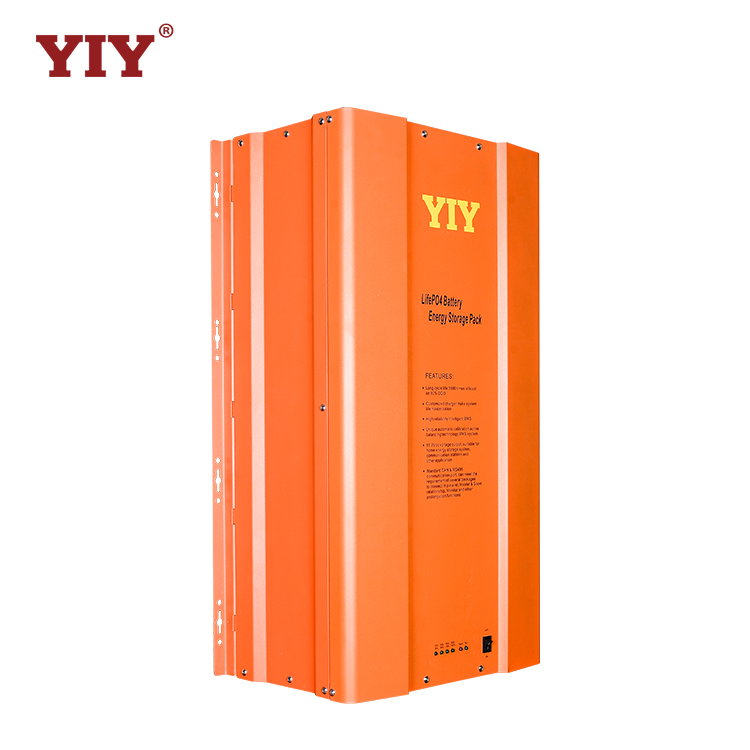
Source reliable Home Energy Storage systems directly from vetted manufacturers and wholesale suppliers. Designed for importers, renewable energy distributors, and brands seeking OEM or private-label production, our network delivers scalable, high-performance battery systems built for global market compliance.
Sourcing home energy storage systems requires navigating a complex supply chain where the difference between a reliable product and a hazardous liability comes down to cell grading, Battery Management System (BMS) logic, and thermal engineering. With the market shifting heavily toward Lithium Iron Phosphate (LiFePO4 or LFP) chemistries, bulk buyers face the challenge of verifying internal cell consistency and ensuring seamless communication protocols with major inverter brands.
Core Specifications and Architecture
When evaluating suppliers, the technical dialogue should immediately focus on cell chemistry, system voltage, and the sophistication of the BMS. The industry standard for residential storage has settled on LFP due to its thermal stability and cycle life, but how those cells are packaged and managed dictates the true value of the system.
| Architecture | Typical Voltage | Scalability | Best Application |
|---|---|---|---|
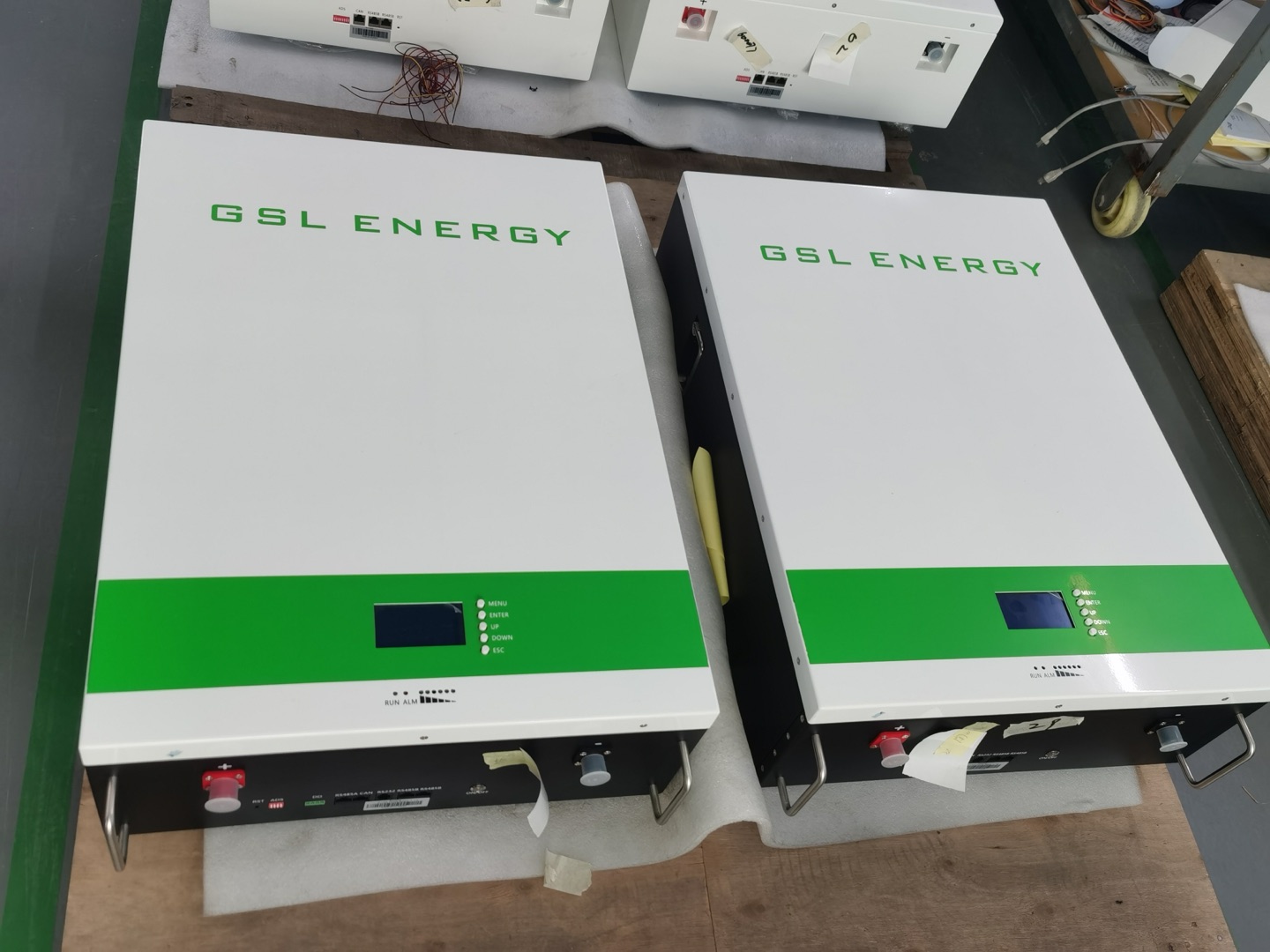
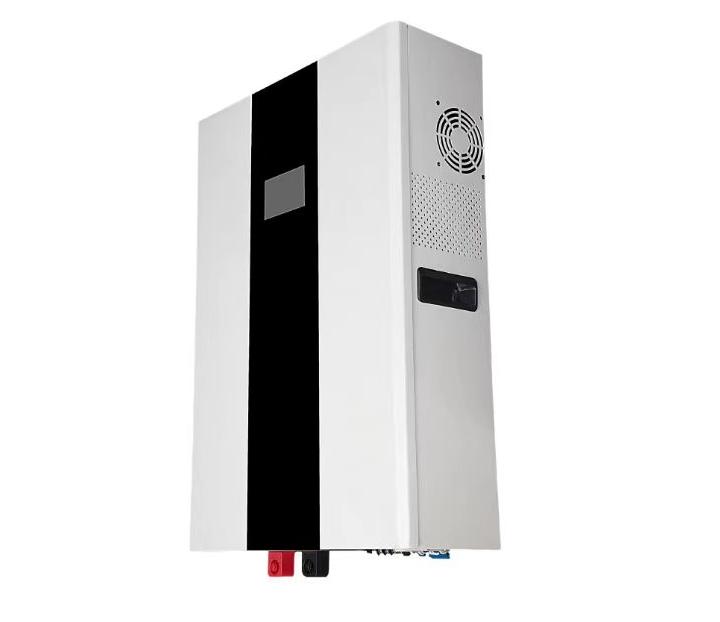
| Low Voltage (LV) | 48V / 51.2V | Parallel connection (up to 15 units) | Retrofits, off-grid, standard residential |
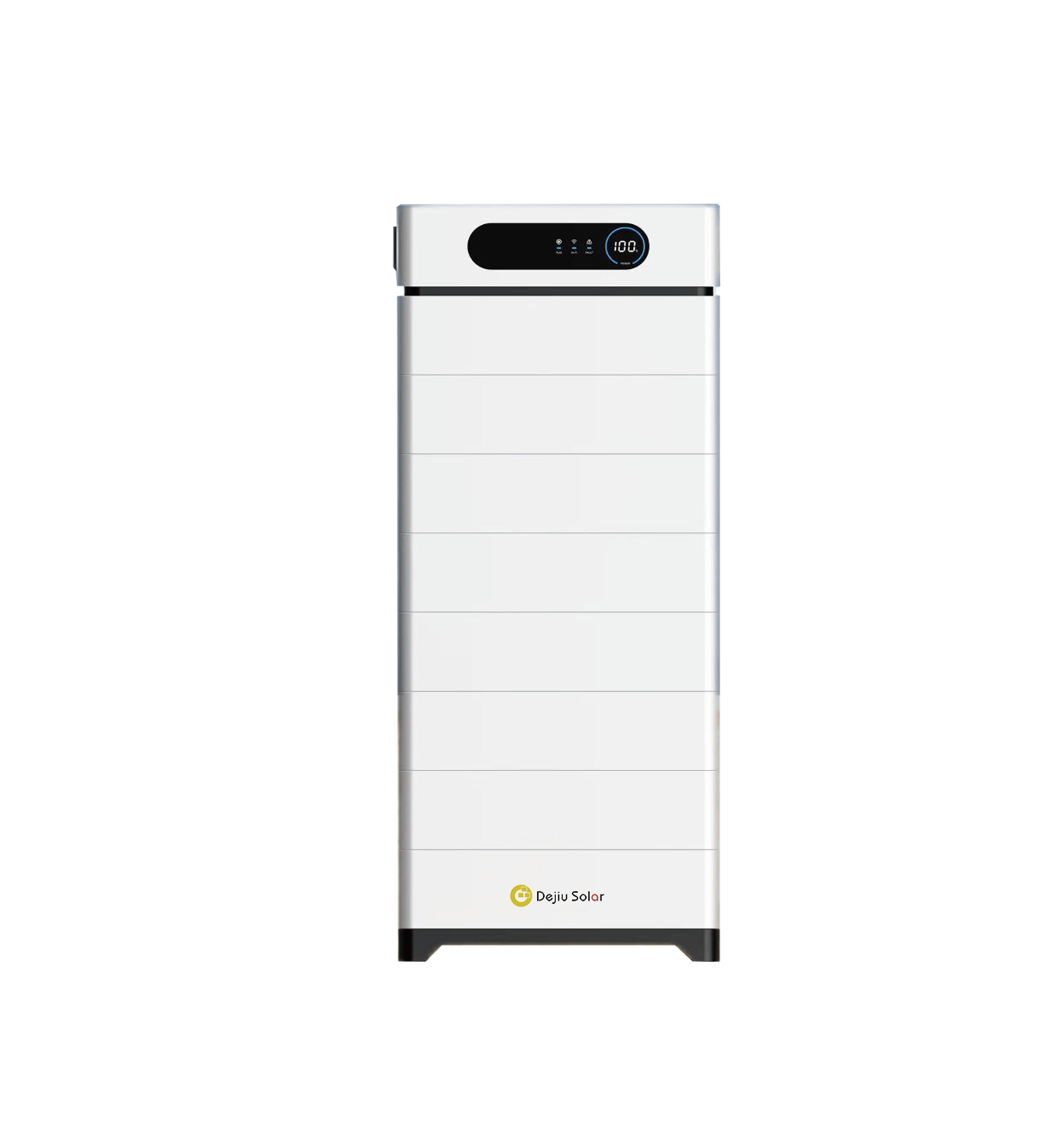
| High Voltage (HV) | 200V to 800V+ | Series connection (stacked modules) | High-power hybrid inverters, fast charging |
Critical Components to Specify
- Cell Grading: Insist on Grade A cells from tier-one manufacturers (e.g., CATL, EVE, BYD). Grade B cells, often sold at a steep discount, suffer from mismatched internal resistance, leading to premature capacity degradation.
- Cycle Life: Look for a guaranteed cycle life of 6,000 cycles or more at 80 percent Depth of Discharge (DoD) at 25°C.
- BMS Communication: The BMS must support CAN/RS485 protocols and offer pre-programmed compatibility with leading inverter brands (Victron, Deye, Growatt, SMA).
Struggling to verify cell grades or BMS inverter compatibility? Let our engineers vet the factory's technical capabilities before you commit to a prototype.
Talk to our teamManufacturing Tolerances and Quality Control
The physical assembly of a home energy storage battery is where many lower-tier factories cut corners. Poor manufacturing processes lead to thermal runaway risks and imbalanced cell packs.
During factory audits, you must look beyond the assembly line and examine the supplier's cell sorting and welding equipment. Automated cell sorting machines are non-negotiable; cells must be matched by voltage, internal resistance, and capacity before assembly. Furthermore, the busbars connecting the cells should be laser-welded rather than bolted or spot-welded, as laser welding provides superior conductivity and vibration resistance.
Pre-Shipment Inspection Checklist for Energy Storage
- Verify cell grading documentation and internal resistance matching logs.
- Test BMS communication protocols with a simulated or physical inverter.
- Conduct a full charge/discharge cycle test at the rated C-rate.
- Inspect laser welding joints for depth and uniformity.
- Confirm the presence and functionality of thermal sensors within the pack.
Compliance and Certifications
Energy storage systems are heavily regulated. Depending on your target market, the factory must be able to provide valid test reports. Partnering with a team that understands compliance and testing ensures you do not import stranded assets. Key certifications include UL 1973 (battery safety), UL 9540 (system safety), CE (for Europe), and UN38.3 (mandatory for all lithium battery transport).
Buying Mechanics: MOQ, Pricing, and Lead Times
Pricing in the home energy storage sector is highly sensitive to the spot price of lithium carbonate, but the BMS and outer casing also contribute significantly to the final BOM (Bill of Materials) cost.
If you are leveraging OEM/ODM services to develop a custom enclosure or proprietary BMS firmware, expect higher initial engineering fees and longer lead times for the first production run.
Ready to negotiate pricing and production schedules? We help volume buyers secure competitive terms and manage the entire supply chain from factory floor to final delivery.
Get a free consultationFrequently Asked Questions
Sourcing home energy storage in volume is a high-stakes procurement exercise. Success requires rigorous supplier vetting, strict adherence to quality control protocols, and a deep understanding of international safety standards. By focusing on cell consistency, advanced BMS integration, and verified manufacturing practices, you can build a resilient and profitable product line.
Get Sourcing Help for Home Energy Storage
Tell us your requirements and our experts will connect you with verified manufacturers.