Hole Saws
Source high-performance hole saws from vetted manufacturers and wholesale suppliers. Designed for importers, distributors, and tool brands seeking reliable OEM and private-label production, our network delivers precision-engineered cutting accessories for professional and industrial applications at competitive bulk pricing.
Sourcing hole saws at volume requires strict definition of the cutting edge, backing material, and arbor interface. A generic request for "bi-metal hole saws" will yield wildly inconsistent quotes and unpredictable field performance. To build a reliable supply chain, buyers must understand the metallurgical and manufacturing variables that dictate tool life and cutting speed.
Critical Specifications for Bulk Orders
The performance of a hole saw is entirely dependent on its material composition and tooth geometry. When negotiating with factories, your RFQ must explicitly state the grades and standards required.
| Type | Primary Application | Key Specification Focus |
|---|---|---|
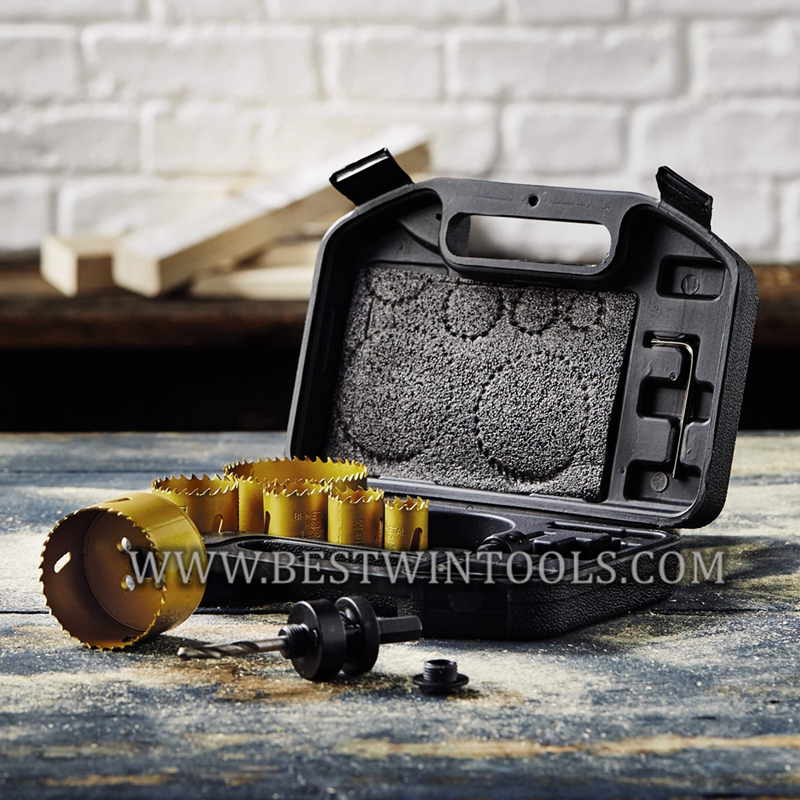
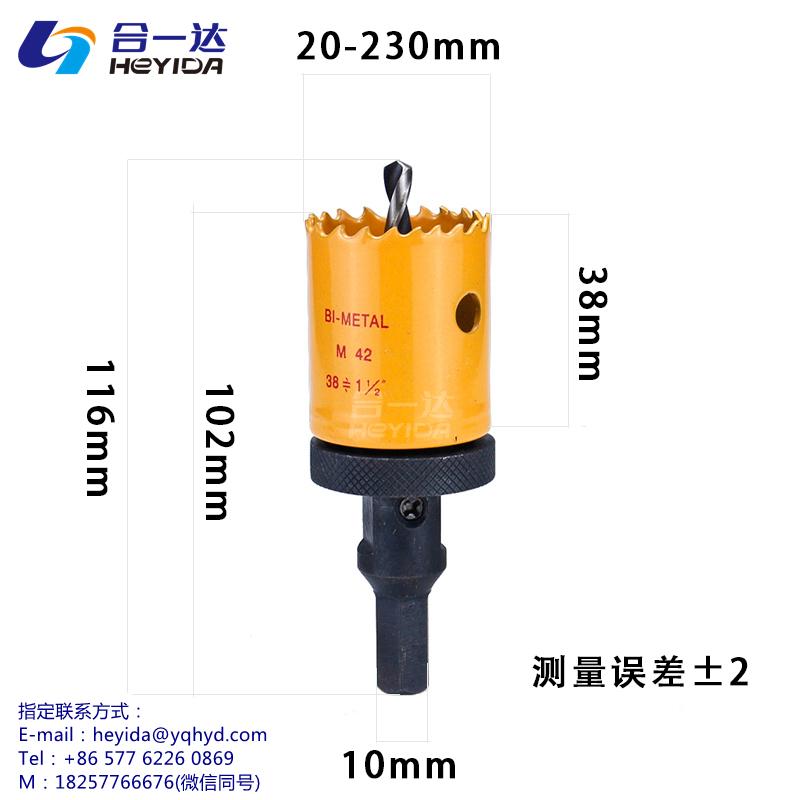
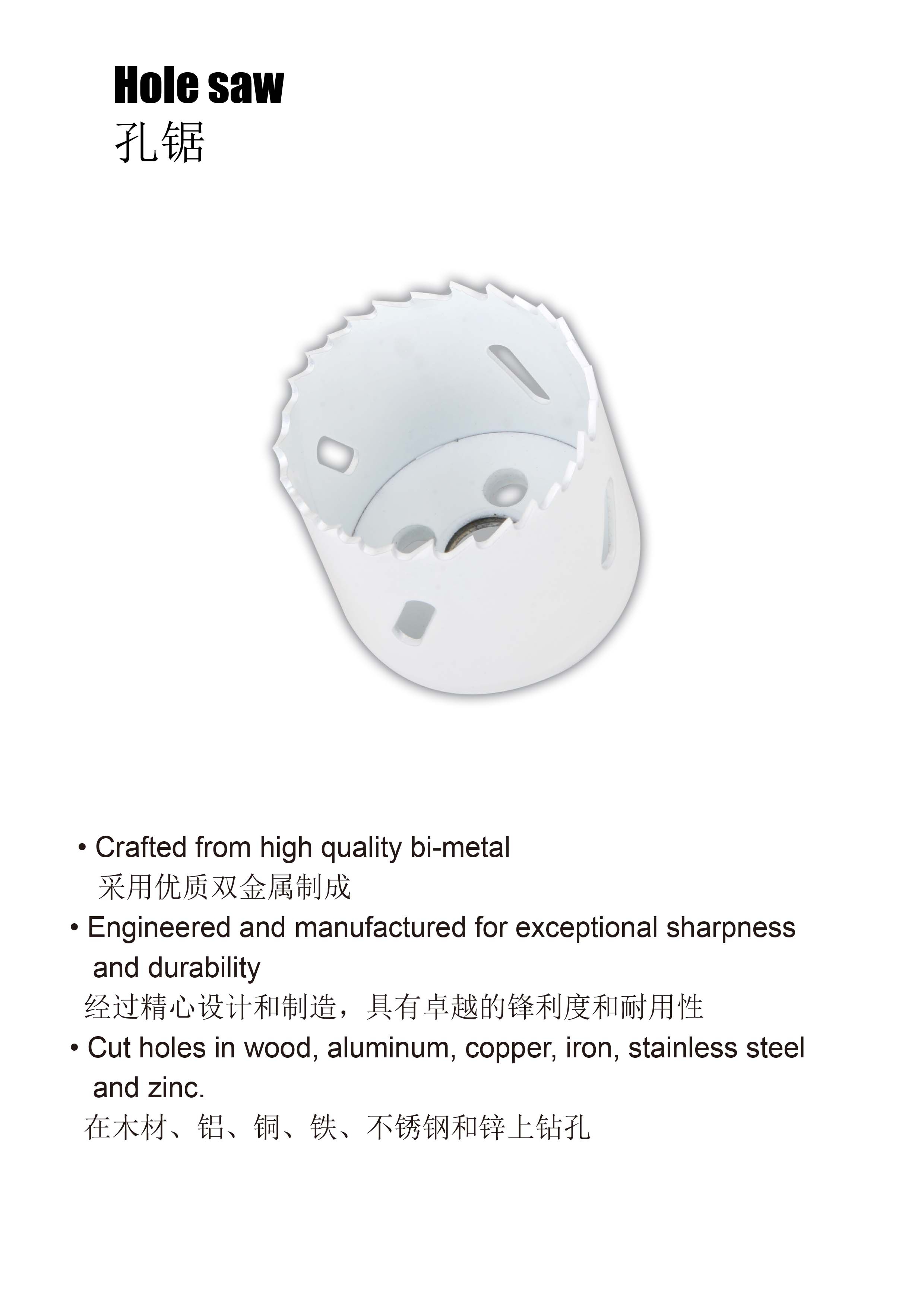
| Bi-Metal (M42/M51) | General metal, wood, plastics | Cobalt content, TPI (variable vs. constant) |
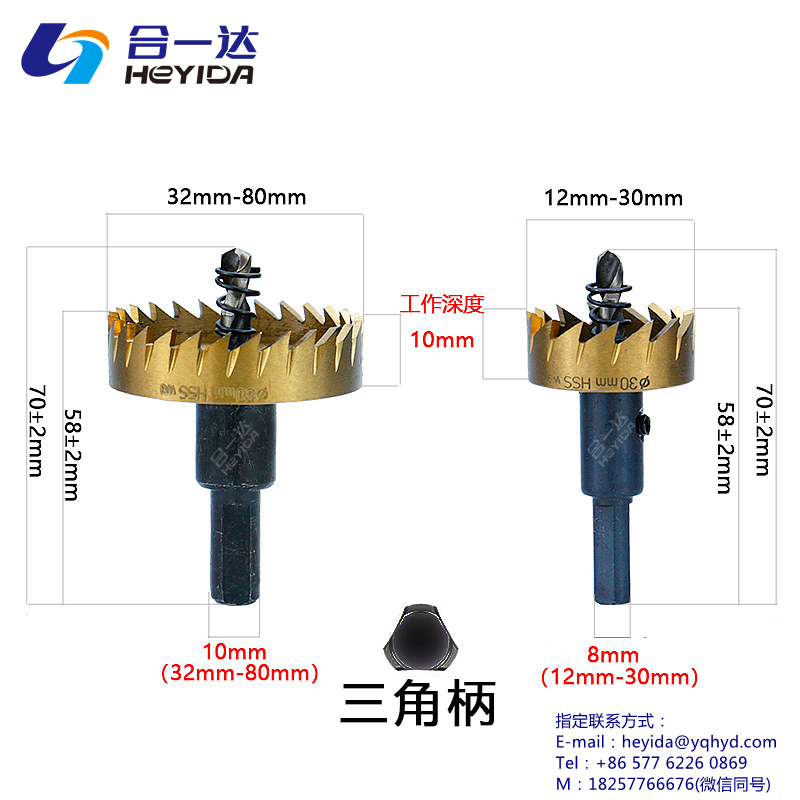
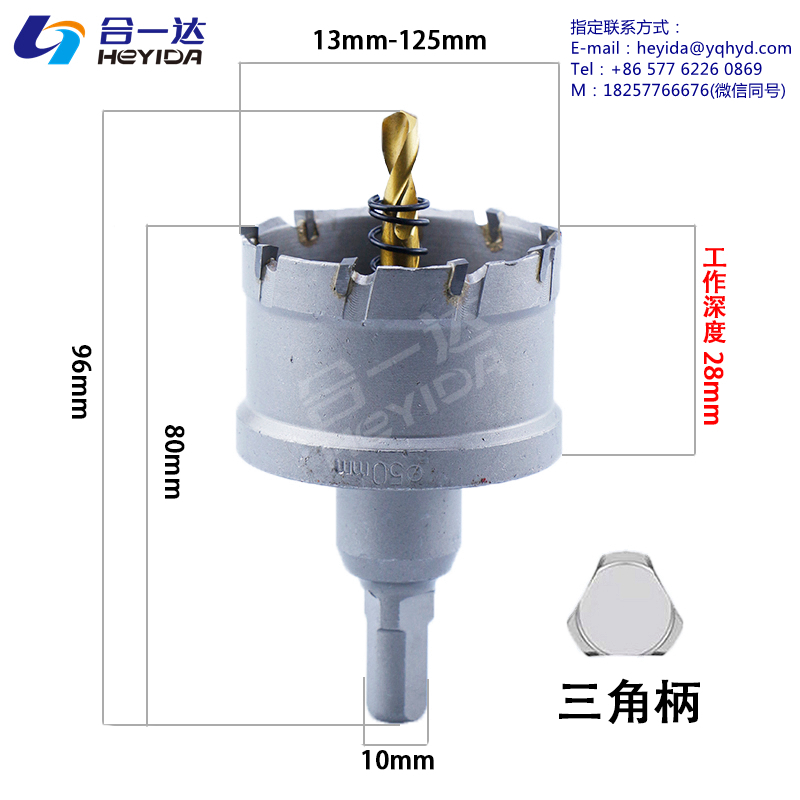
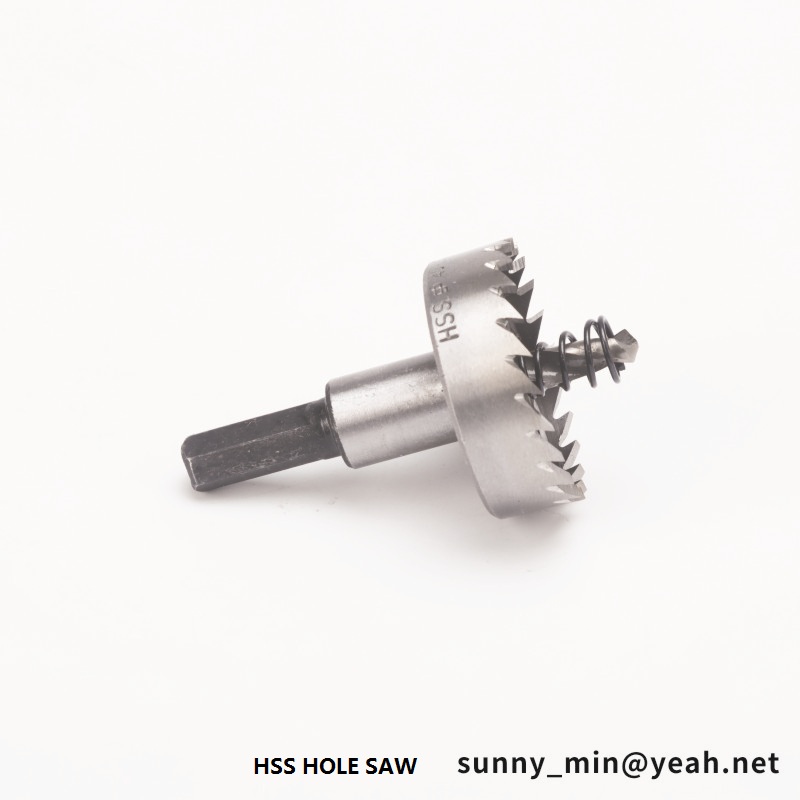
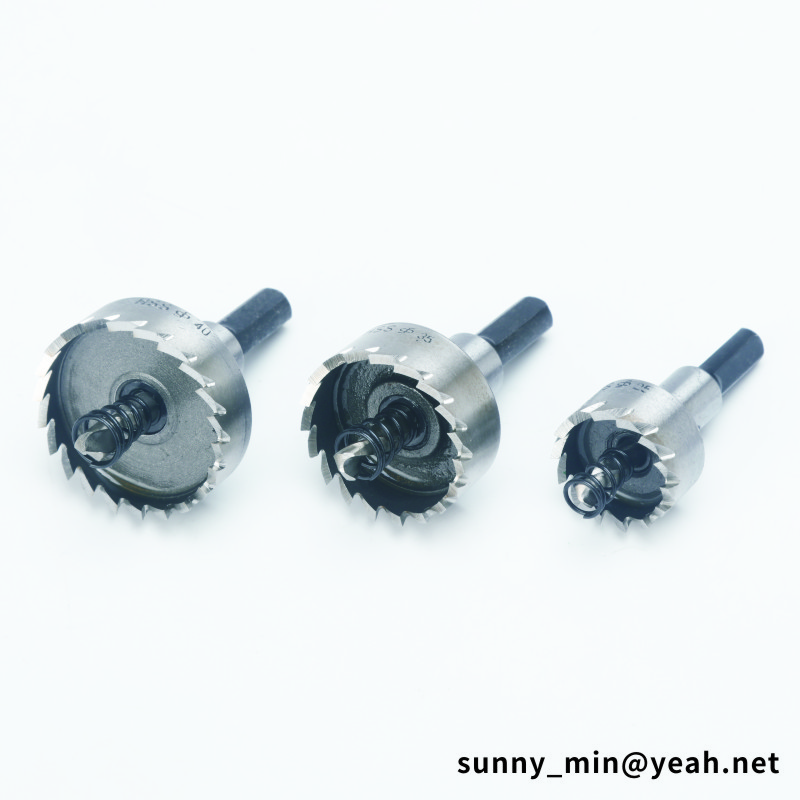
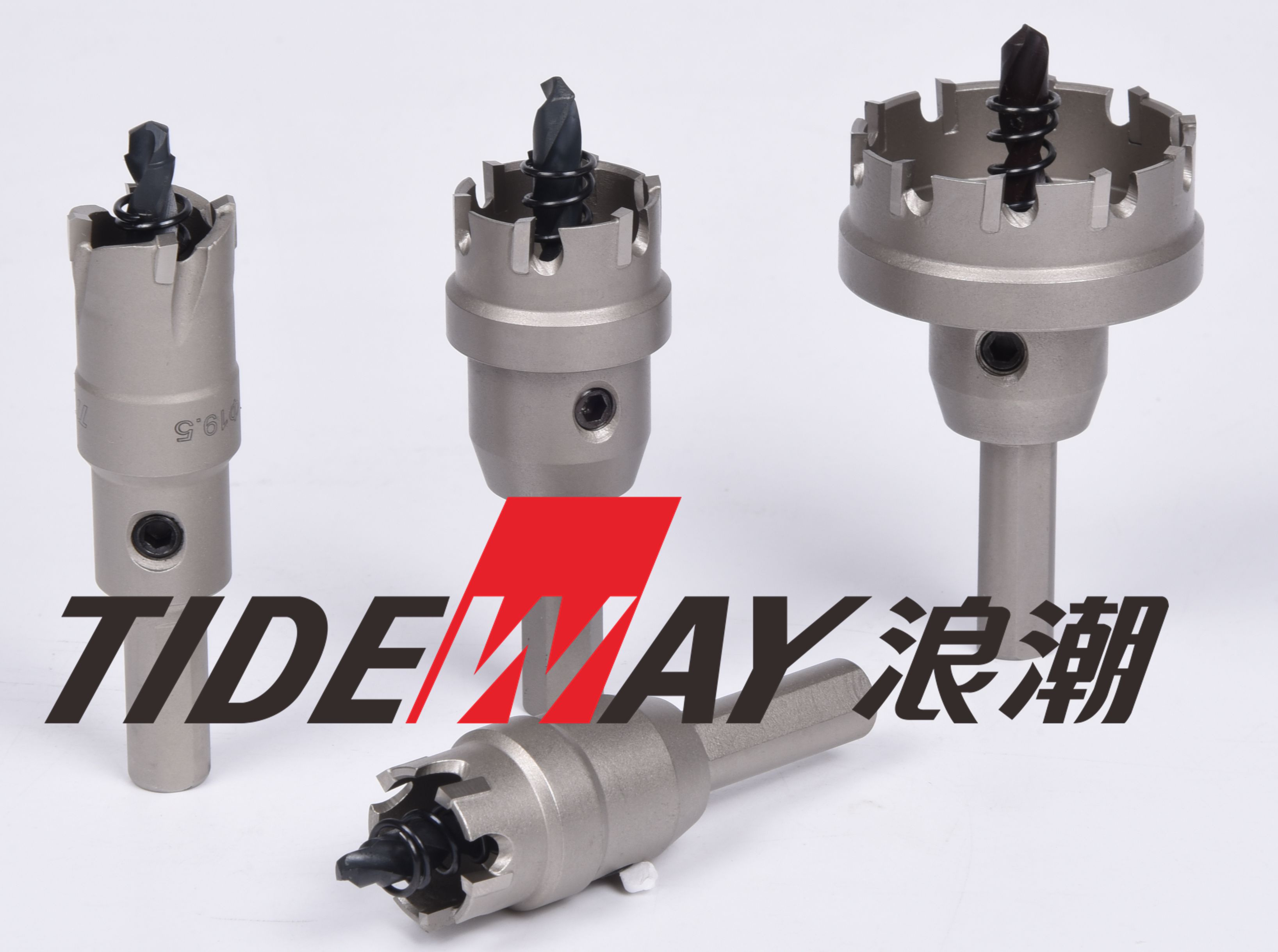
| Tungsten Carbide Tipped (TCT) | Thick steel, stainless, fiberglass | Carbide grade, braze joint strength |
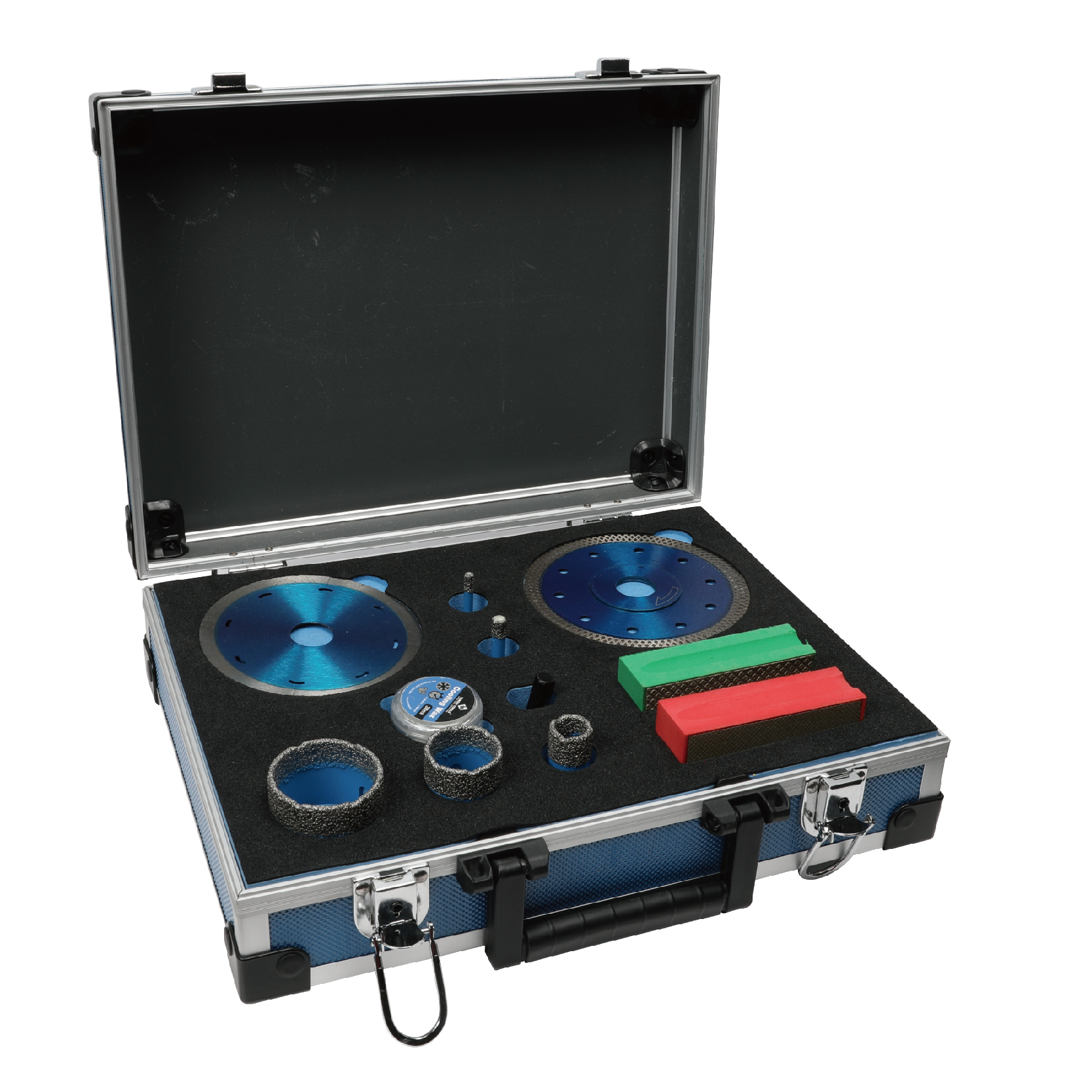
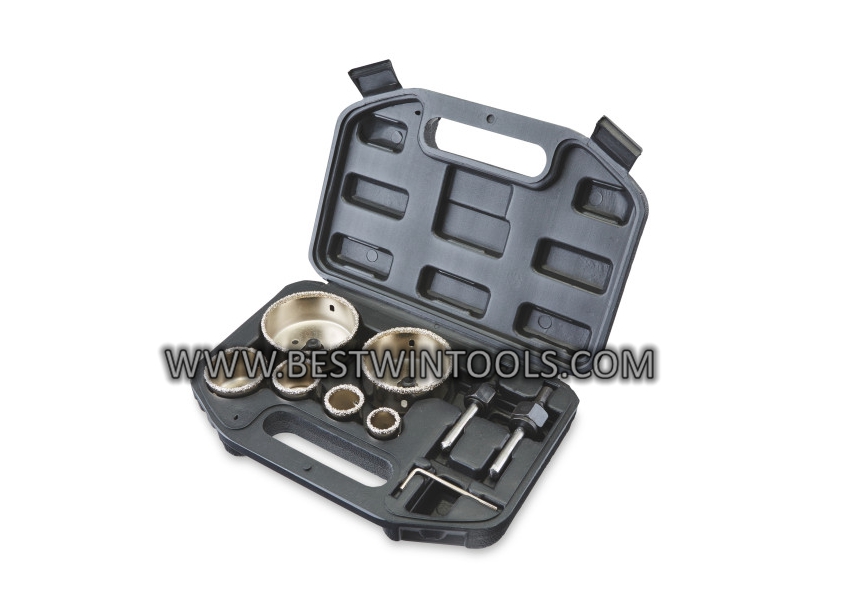
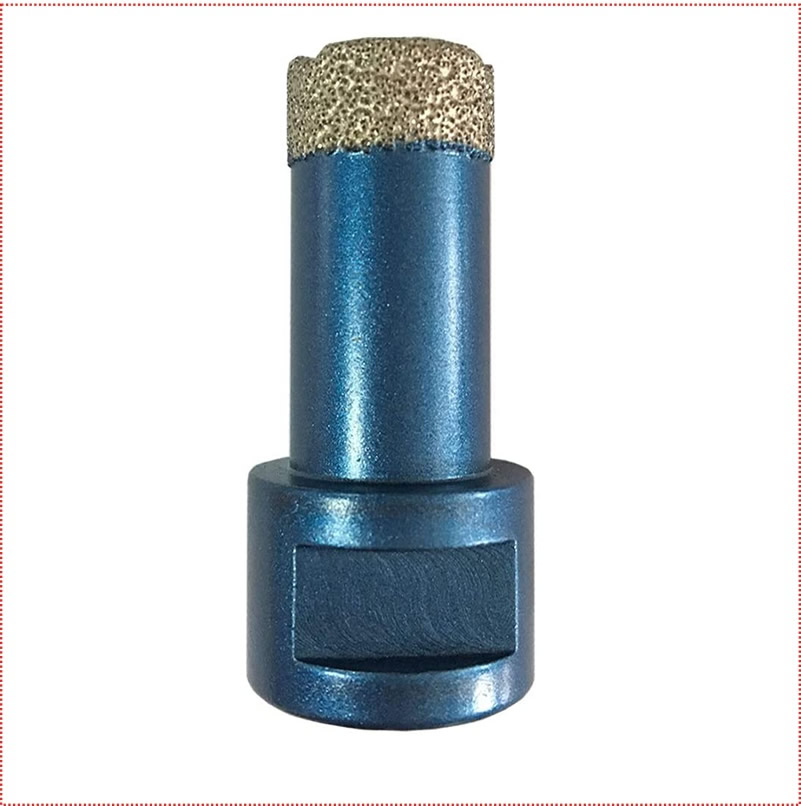
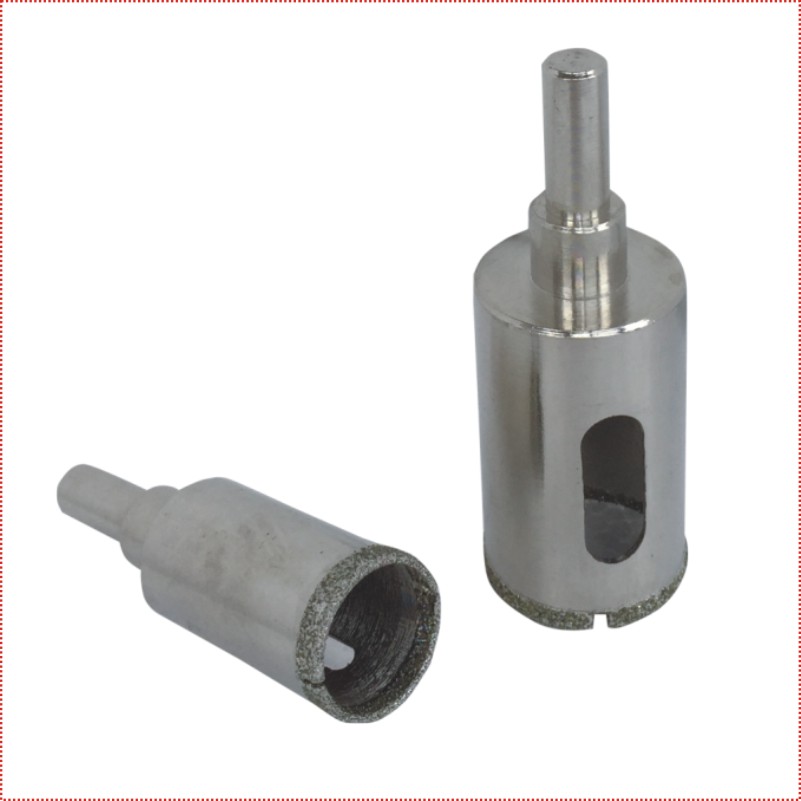
| Diamond Grit | Tile, glass, masonry | Grit size, electroplating thickness |
The Importance of the Weld (Bi-Metal)
In bi-metal manufacturing, the electron beam (EB) weld fusing the high-speed steel (HSS) cutting edge to the flexible alloy steel backer is the primary failure point. If this weld is weak, the saw will strip its teeth or tear apart under high torque.
When vetting suppliers, verifying their welding technology is critical. A proper factory audit should confirm the presence and routine calibration of high-end EB welding machines—often imported from Germany or Japan—rather than cheaper laser welding alternatives that may lack the necessary penetration.
Ensure your hole saw suppliers have the right electron beam welding and heat treatment equipment.
Talk to our teamManaging Quality Defect Risks
Even with premium materials, poor process control on the factory floor leads to unusable tools. Industrial buyers must implement rigorous inspection criteria.
Quality Control Focus Areas
- Concentricity (Runout): Measure total indicator reading (TIR). Excessive runout causes vibration and oversized holes. Tolerance should be under 0.2mm.
- Heat Treatment: Verify HSS tooth hardness (typically 65-68 HRC for M42) and backer hardness (42-47 HRC).
- Tooth Set and Sharpening: Inconsistent setting leads to binding in deep cuts and premature motor wear on power tools.
- Paint Adhesion: Poorly cured enamel or powder coat will flake immediately during transport or first use, degrading perceived brand quality.
Implementing strict quality control protocols before shipment is the only way to catch concentricity and tempering issues before they reach your distribution center.
OEM Customization and Kitting
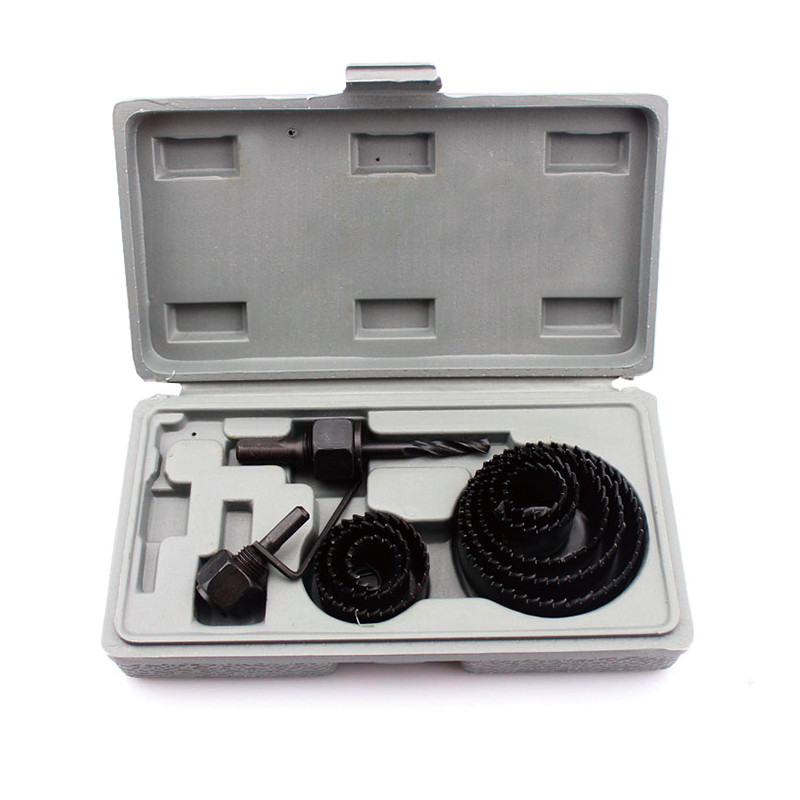
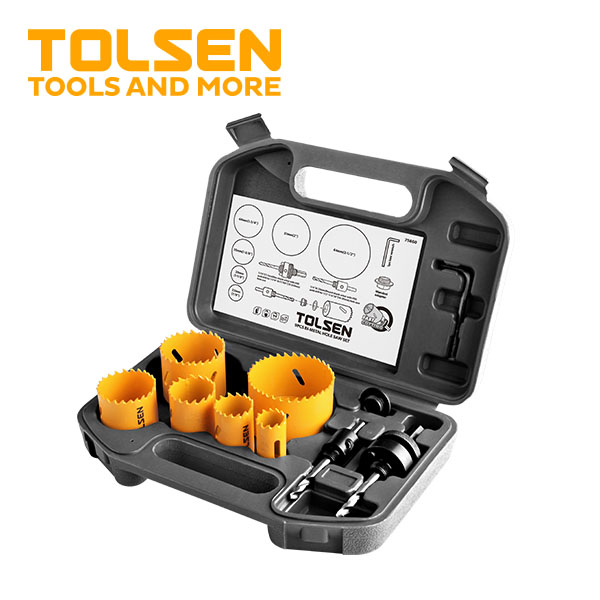
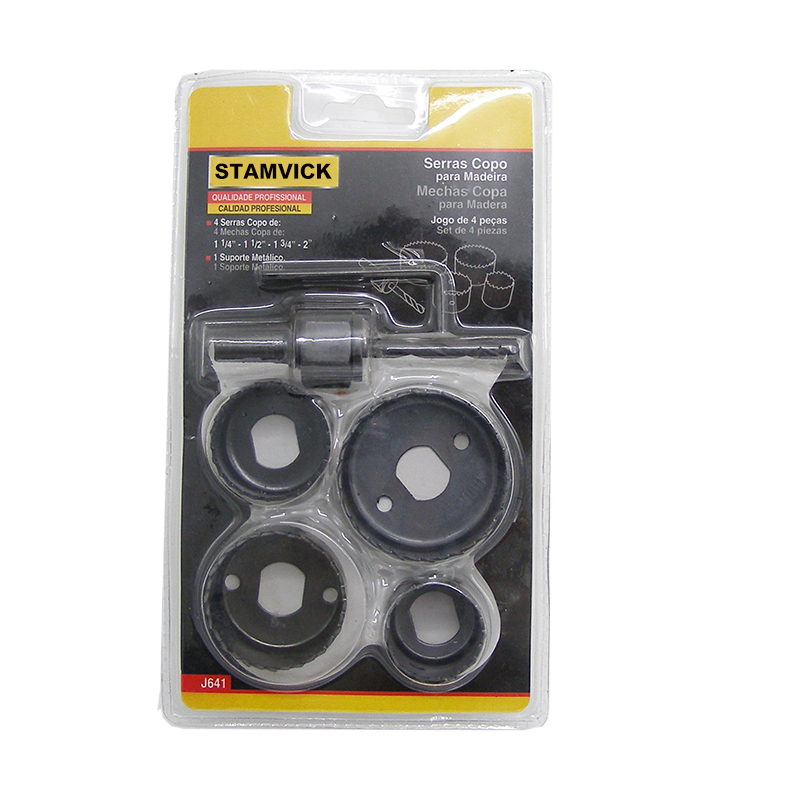
For tool brands and distributors, the major value-add often lies in kitting and presentation. Creating specialized sets for electricians, plumbers, or general contractors drives higher margin sales.
Pre-assembled Kits vs. Open Stock Sourcing
Advantages
- Higher perceived value and retail margin.
- Captures the complementary arbor and pilot drill sale.
- Targeted SKUs for specific trades (e.g., electrician sets).
Disadvantages
- Higher initial MOQ required for custom blow-molded cases.
- More complex packaging and assembly requirements.
- Heavier shipping volume per unit.
Utilizing comprehensive OEM/ODM services allows you to dictate custom paint colors, laser-etched branding on the saw body, and custom-molded EVA or ABS cases tailored to your target market.
MOQs, Lead Times, and Pricing Drivers
Pricing is highly sensitive to the grade of HSS used (e.g., M42 cobalt vs. standard M3) and the thickness of the backing plate. Be wary of quotes that fall 20 percent or more below the market average; this almost always indicates a substitution of M42 cobalt steel for standard high-carbon steel, which will fail rapidly on metal applications.
Optimize your cutting tool supply chain with verified factory-direct pricing and strict quality oversight.
Get a free consultationFrequently Asked Questions
Sourcing industrial-grade hole saws requires moving past superficial catalog specifications and looking closely at the factory's metallurgy, welding, and tempering processes. Getting these technical details right upfront ensures your tools perform under pressure and protect your brand's reputation in the field.
Get Sourcing Help for Hole Saws
Tell us your requirements and our experts will connect you with verified manufacturers.