Highway Engineering
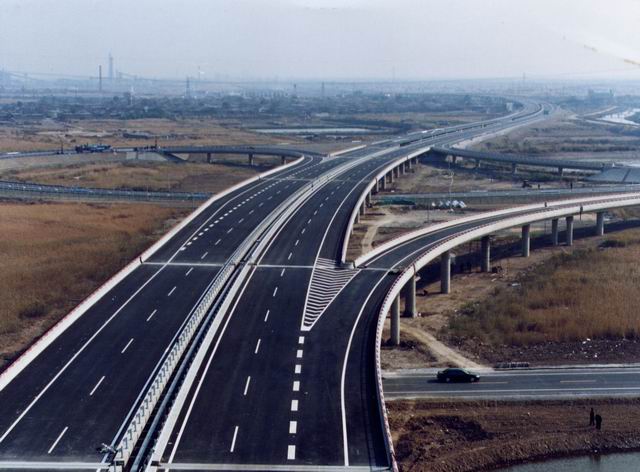
Source bulk highway engineering materials and prefabricated infrastructure components directly from vetted manufacturers. Designed for international contractors, procurement managers, and heavy construction wholesalers, our network provides reliable, compliant supplies for large-scale road and bridge projects.
Procuring materials for highway engineering projects—from structural crash barriers and sound-absorbing panels to bridge expansion joints and high-mast lighting poles—requires strict adherence to regional safety standards. The core challenge in cross-border procurement is ensuring that imported infrastructure components meet exact transportation authority specifications (like AASHTO or EN standards) while managing the complex logistics of high-volume, heavy-freight shipments.
Critical Specifications for Highway Infrastructure Components
When sourcing structural steel and safety materials for highway construction, generic specifications will result in rejected site deliveries. You must define the exact metallurgical and finishing requirements upfront.
Steel Grades and Yield Strengths
Manufacturers typically quote baseline carbon steel (such as Q235B, roughly equivalent to ASTM A36) to keep initial pricing competitive. However, structural highway elements like bridge parapets, gantries, and heavy-duty guardrails often require higher-yield steel (Q345B/Q355B or ASTM A572 Gr 50). Specify the exact yield strength required by your local Department of Transportation (DOT) or equivalent authority.
Anti-Corrosion Treatments
Highway components face continuous exposure to weather, road salts, and exhaust. Hot-dip galvanization is the industry standard, but the thickness must be explicitly stated in microns or grams per square meter (g/m²).
| Coating Type | Typical Application | Durability / Lifespan | Cost Profile |
|---|---|---|---|
| Standard Hot-Dip Galvanized (55-85 µm) | W-beam guardrails, standard posts | 15 to 25 years in moderate environments | Baseline standard |
| Heavy-Duty Galvanized (over 85 µm) | Coastal highways, high-salt winter zones | 25 to 40 years | 15 to 20 percent premium |
| Galvanized + Polyester Powder Coated | Scenic routes, urban noise barriers | Extended lifespan, aesthetic integration | Highest premium |
Manufacturing Risks and Quality Control
The physical size and weight of highway engineering products mean that defects discovered upon arrival are exceptionally costly to rectify. Reworking galvanized steel or re-welding structural poles on-site destroys project margins.
Quality is typically won or lost in the welding and coating phases. Inconsistent weld penetration on lighting poles can lead to structural failure under wind shear, while poor surface preparation prior to galvanization causes zinc flaking and rapid oxidation. Conducting thorough Factory Audits prior to finalizing your supplier is non-negotiable for critical infrastructure components.
Pre-Shipment Inspection Focus Areas
- Verify steel thickness using ultrasonic thickness gauges prior to coating.
- Test galvanization adhesion using the cross-hatch or stout knife test.
- Measure zinc coating thickness across multiple points to ensure uniformity.
- Conduct non-destructive testing (NDT) on critical load-bearing welds.
- Confirm dimensional tolerances align with project CAD drawings.
Need reliable eyes on the factory floor? We manage on-site technical inspections for heavy infrastructure materials.
Talk to our teamProcurement Logistics: MOQs, Pricing, and Lead Times
Highway engineering procurement is defined by heavy tonnage and project-specific requirements, which dictates how factories structure their pricing and minimum order quantities (MOQs).
Minimum Order Quantities (MOQs)
Factories rarely hold stock of finished highway components due to varying regional standards. Production is strictly made-to-order. For steel components like guardrails or sound barriers, MOQs are typically based on raw material batches or shipping efficiency—often starting at one 20ft Full Container Load (FCL), which equates to roughly 20 to 25 metric tons of steel. For specialized items like variable message sign (VMS) gantries, MOQs may be as low as 5 to 10 units.
Lead Times and Production Schedules
Expect a standard fabrication lead time of 30 to 45 days for typical steel orders. However, complex fabrications requiring custom tooling or extensive third-party Compliance & Testing (such as crash-test certification verification) can push lead times to 60 days or more.
Freight Considerations
Because highway materials max out container weight limits long before they fill the volume, freight costs are a major factor in your landed price. Heavy items require specialized loading equipment at the factory and reinforced container flooring. Coordinating Shipping & Freight with a forwarder experienced in heavy industrial goods is critical to avoid port delays and container damage.
Optimize your procurement schedule and freight strategy for heavy highway materials.
Get a free consultationFrequently Asked Questions
Sourcing highway engineering materials at scale requires treating the manufacturer as an extension of your project supply chain. By defining exacting material standards upfront and strictly enforcing quality control before the goods leave the factory, you can secure highly competitive pricing without compromising the structural integrity of your infrastructure projects.
Get Sourcing Help for Highway Engineering
Tell us your requirements and our experts will connect you with verified manufacturers.