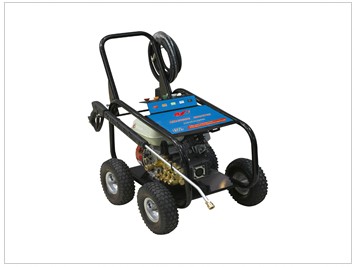
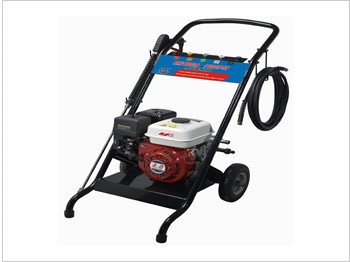
High Pressure Cleaners
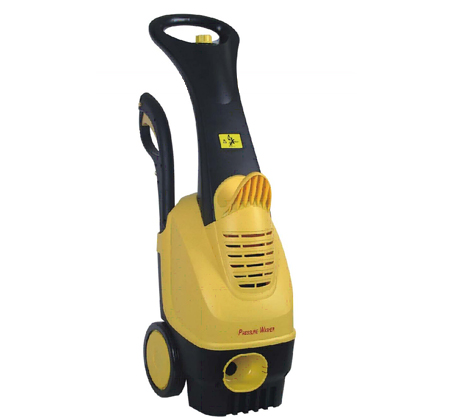
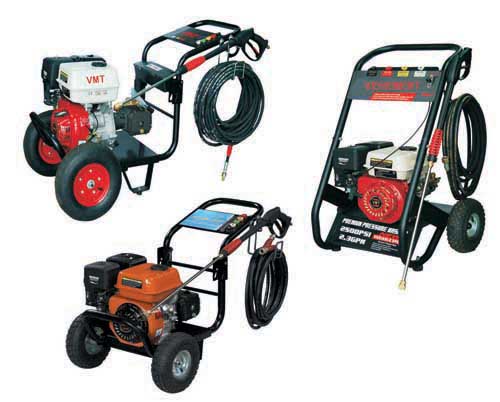
Source commercial and industrial high pressure cleaners from vetted suppliers and manufacturers across Asia. Built for importers, wholesale distributors, and brands seeking reliable OEM and private-label production, our network delivers bulk manufacturing solutions tailored to your specific power, flow rate, and compliance requirements.
Sourcing high pressure cleaners in bulk requires navigating a highly fragmented supplier base where the difference between commercial-grade reliability and rapid failure often comes down to internal component selection. Because outward appearances can be easily replicated, verifying pump architecture, motor durability, and thermal relief mechanisms is critical before committing to a production run.
Core Specifications: Pumps, Motors, and Materials
The heart of any pressure washer is its pump and power source. When negotiating specifications for a bulk order, you must dictate exact component grades rather than relying on a factory's standard bill of materials.
Pump Architecture
The pump dictates the lifespan and duty cycle of the cleaner. Most manufacturers offer two primary styles:
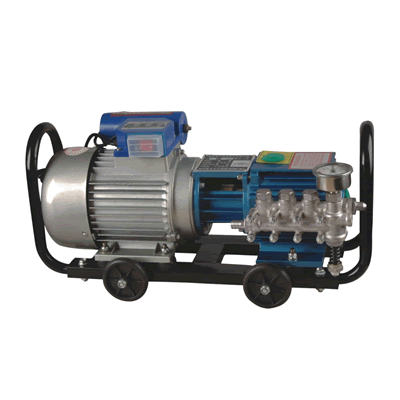
- Axial Cam Pumps: Typically used in light-to-medium duty applications. They are direct-drive, compact, and cost-effective, but generally not serviceable. Ensure the factory specifies aluminum or brass heads depending on your target price point.
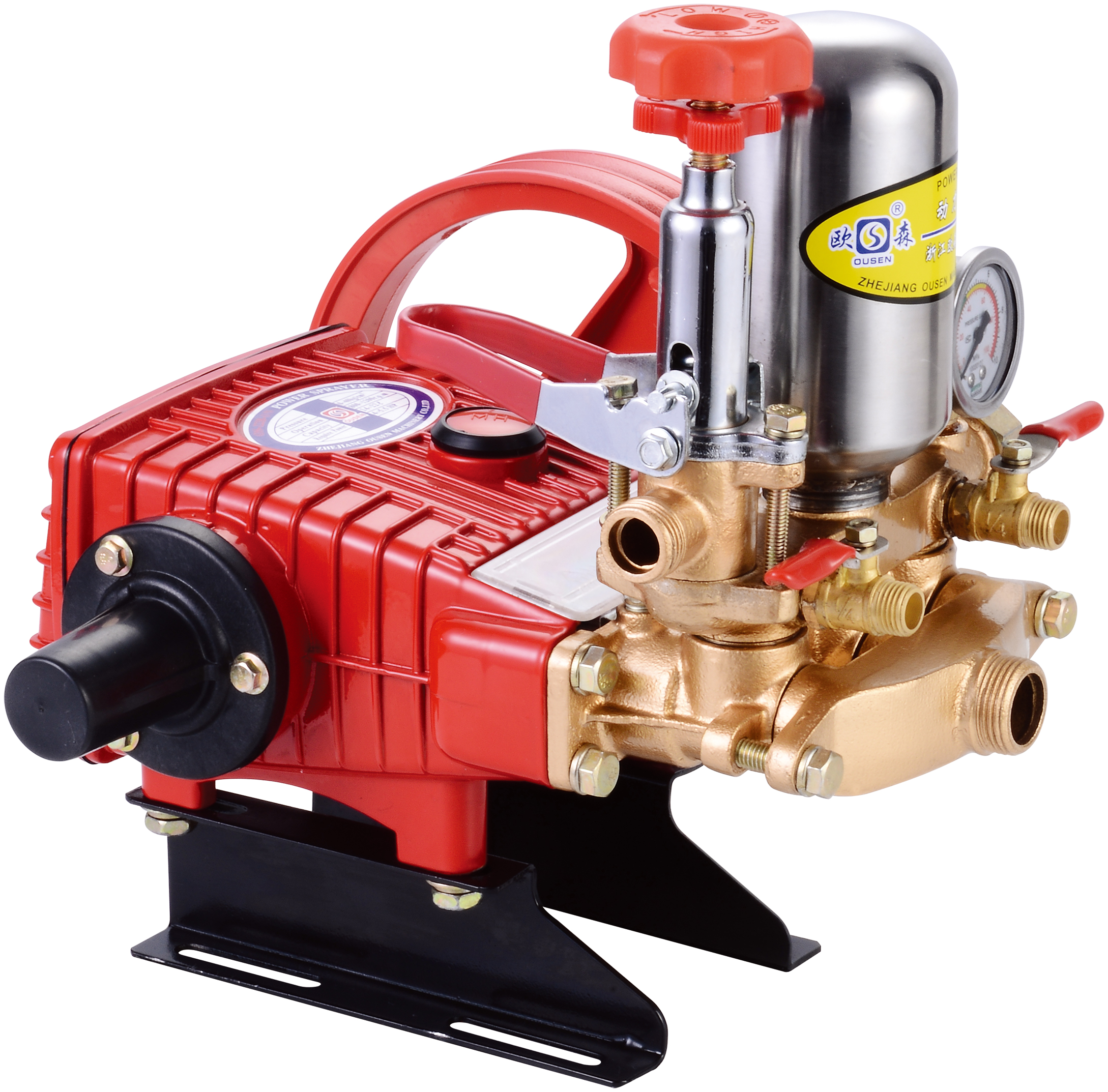
- Triplex Plunger Pumps: Required for commercial and industrial units. These run cooler, last significantly longer, and are fully rebuildable. Specify forged brass manifolds and ceramic-coated plungers for maximum longevity.
| Feature | Axial Cam Pump | Triplex Plunger Pump |
|---|---|---|
| Duty Cycle | Light to Medium (under 100 hours/year) | Heavy Commercial (daily use) |
| Typical Lifespan | 300 to 500 hours | Thousands of hours (rebuildable) |
| Cost Impact | Low to Moderate | High |
| Target Application | Consumer / Entry-level Pro | Industrial / Rental Fleet |
Motor and Engine Selection
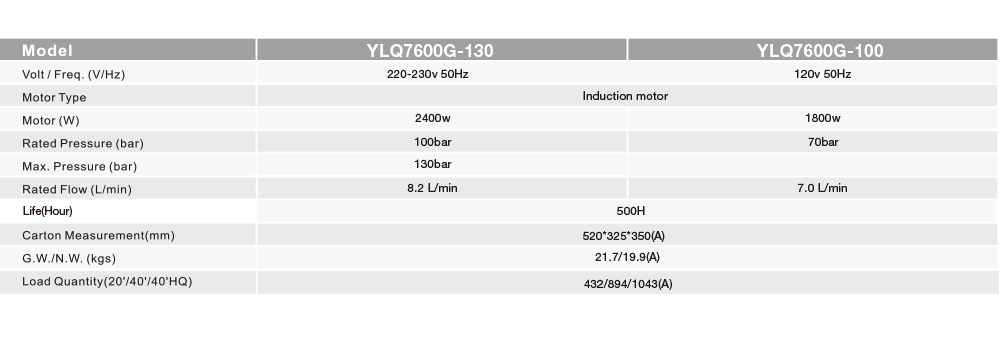
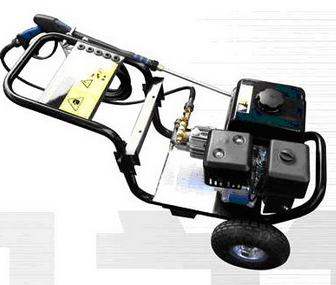
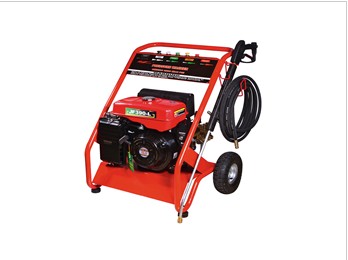
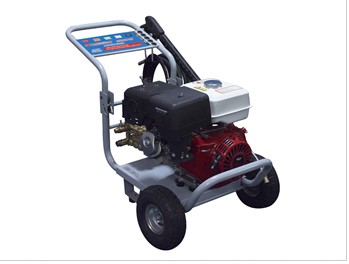
For electric high pressure cleaners, induction motors are mandatory for professional use. While universal (brush) motors reduce weight and cost, they suffer from shorter lifespans and thermal limitations. For gas-powered units, specifying the exact engine brand (e.g., Honda, Kohler, or a verified tier-one Chinese equivalent like Loncin) drastically impacts both your wholesale cost and market acceptance.
Struggling to align factory components with your target price point? Our engineering team can help you finalize a bill of materials that balances cost with commercial durability.
Discuss your specificationsManufacturing and Quality Control
High pressure cleaners operate under extreme mechanical stress. Assembly errors, such as incorrect torque on pump head bolts or poorly seated O-rings, will result in immediate leaks or catastrophic failure during the end-user's first operation.
Relying on a factory's internal end-of-line testing is rarely sufficient for high-volume imports. Implementing robust Quality Control & Inspection protocols is essential to catch assembly flaws before container loading.
Critical Factory Floor Inspections
- Water Testing: Verify that 100 percent of units are wet-tested for pressure and flow rate.
- Drainage Protocols: Ensure residual water is completely blown out using compressed air to prevent internal corrosion during shipping.
- Torque Verification: Check calibration logs for the pneumatic tools used on pump manifold bolts.
- Thermal Relief Testing: Confirm the bypass valves actuate correctly when the trigger is released to prevent pump overheating.
If you are developing a custom product line, leveraging dedicated OEM/ODM Services allows you to control the housing molds, select proprietary nozzle configurations, and upgrade the high-pressure hoses to non-marring, steel-braided variants that commercial buyers expect.
Compliance and Market Certifications
Pressure washers involve water, electricity (or combustible fuel), and high mechanical force. Regulatory compliance is non-negotiable.
- North America: Electric units require UL or ETL listing. Gas units must meet EPA and CARB (California Air Resources Board) emission standards.
- Europe: CE marking is mandatory, alongside RoHS for electrical components and strict adherence to the Noise Emission Directive.
Do not accept a supplier's claim of certification at face value. Always verify that the test reports match the exact components used in your specific production run, a process often best managed through professional Compliance & Testing oversight.
Purchasing Mechanics: MOQs, Lead Times, and Pricing
Pricing for high pressure cleaners fluctuates based on raw material costs (copper for motors, brass for pumps, steel for frames) and the specific engine or motor sourced. Engaging in comprehensive Factory Audits prior to purchasing ensures your supplier actually machines their own pumps or chassis, rather than just assembling purchased parts, which gives you better leverage on pricing.
Ready to scale your cleaning equipment line? We manage the entire process from supplier vetting and price negotiation to final pre-shipment inspection.
Talk to our sourcing teamFrequently Asked Questions
Sourcing high pressure cleaners requires balancing aggressive wholesale pricing with strict component standards. By focusing on pump architecture, motor quality, and rigorous post-assembly water testing, you can build a highly profitable equipment line that stands up to commercial use. When you are ready to streamline your supply chain and secure vetted manufacturing partners, our team is here to manage the heavy lifting.
Get Sourcing Help for High Pressure Cleaners
Tell us your requirements and our experts will connect you with verified manufacturers.