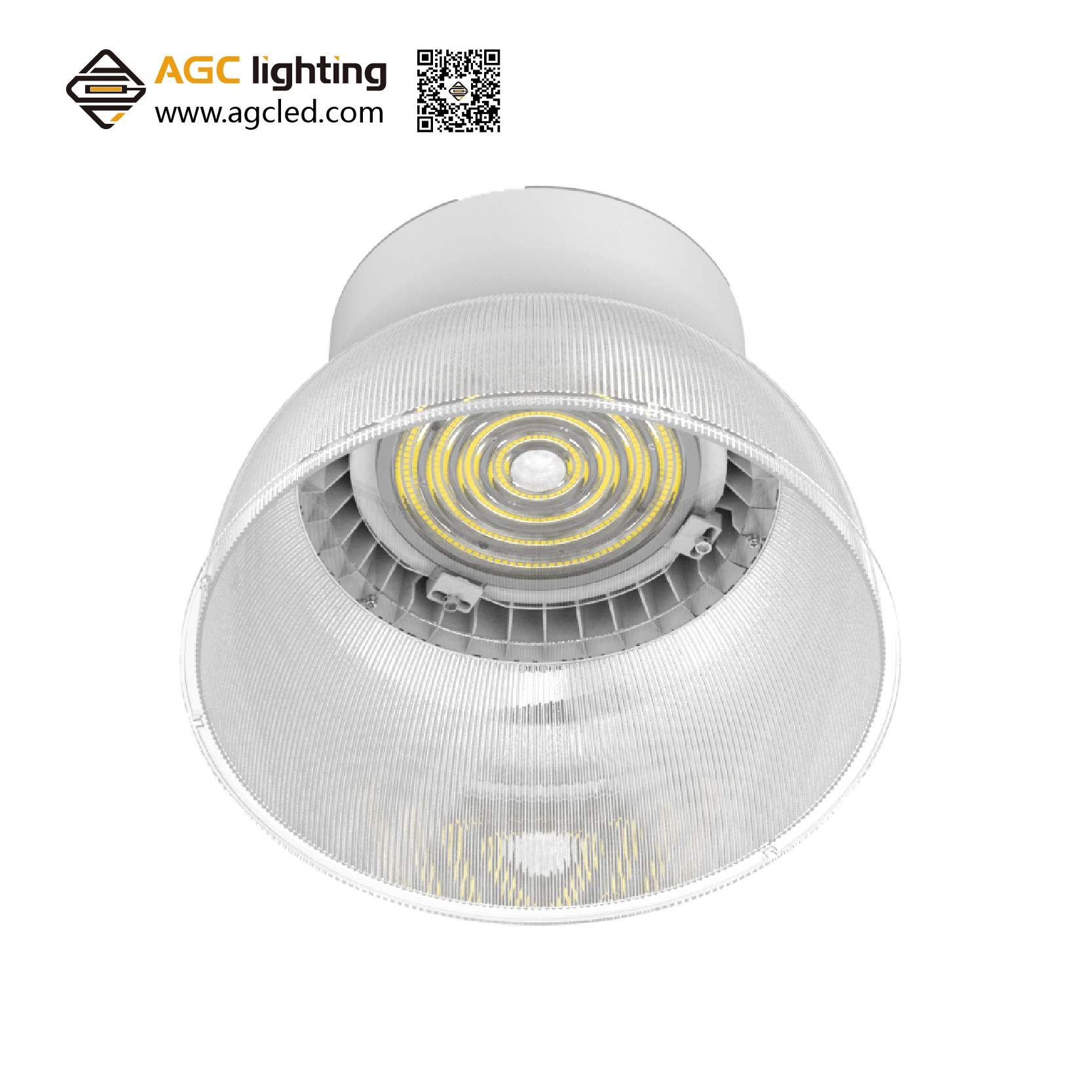
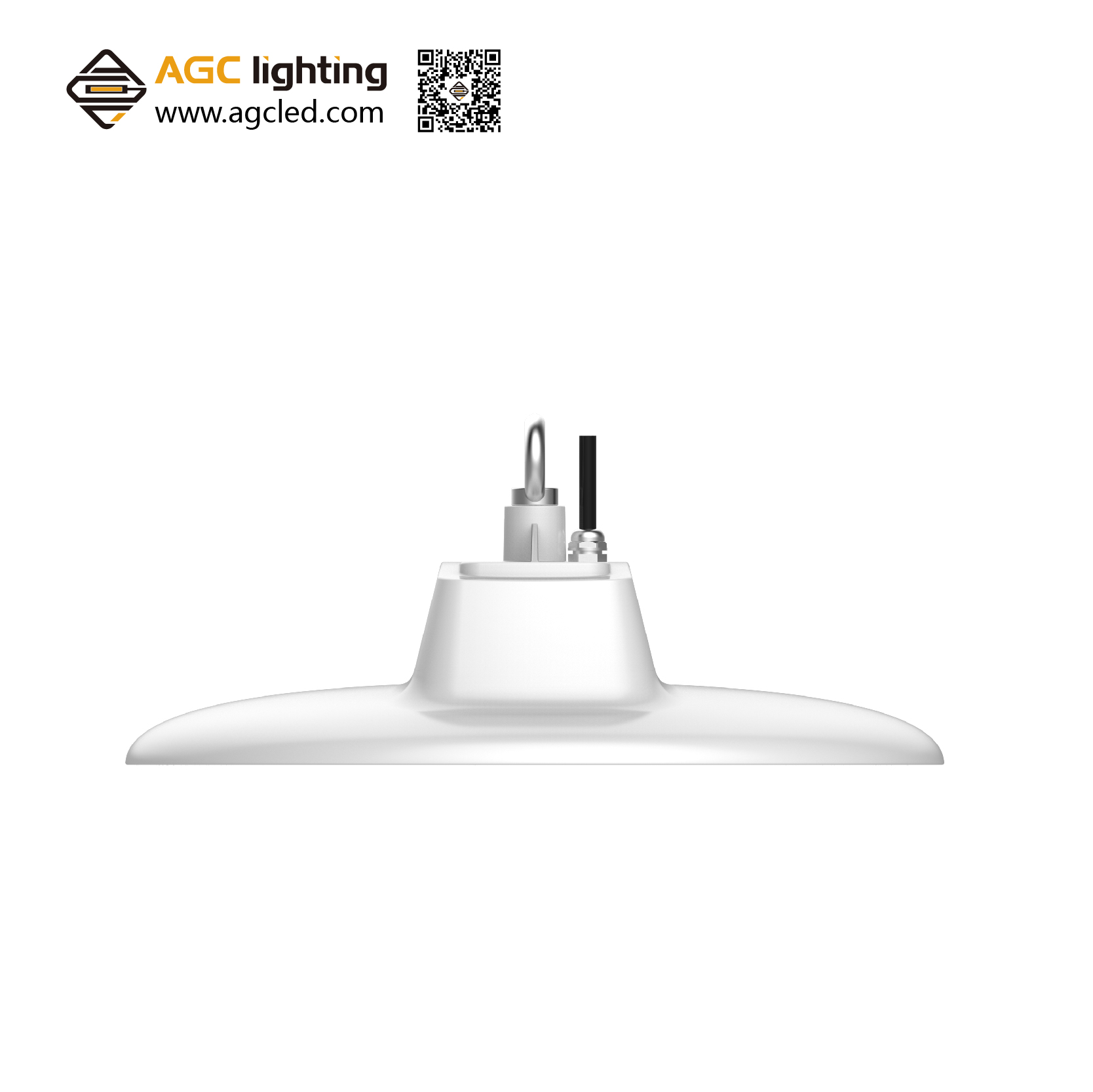
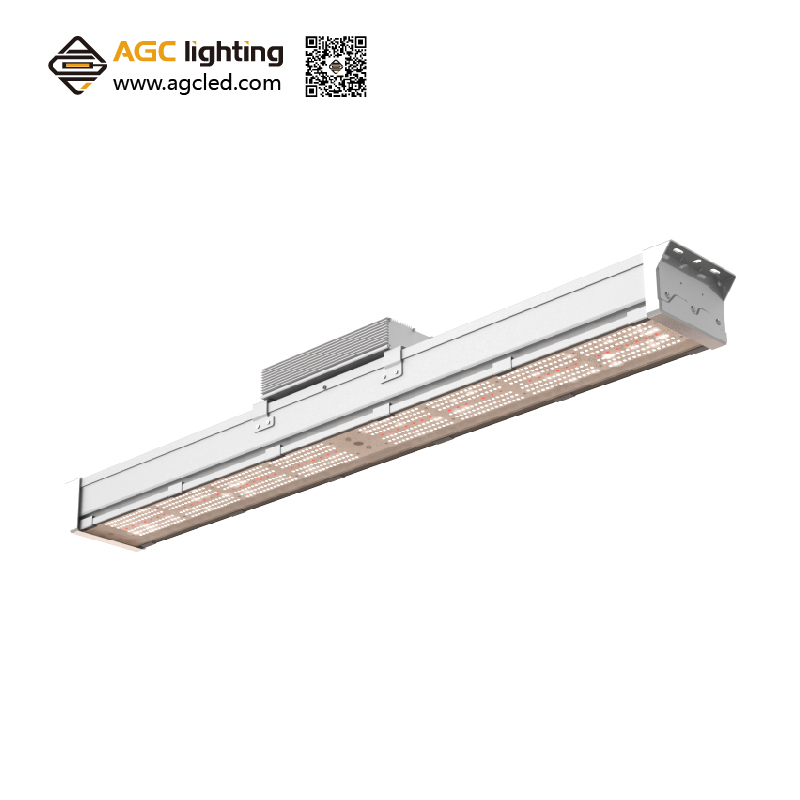
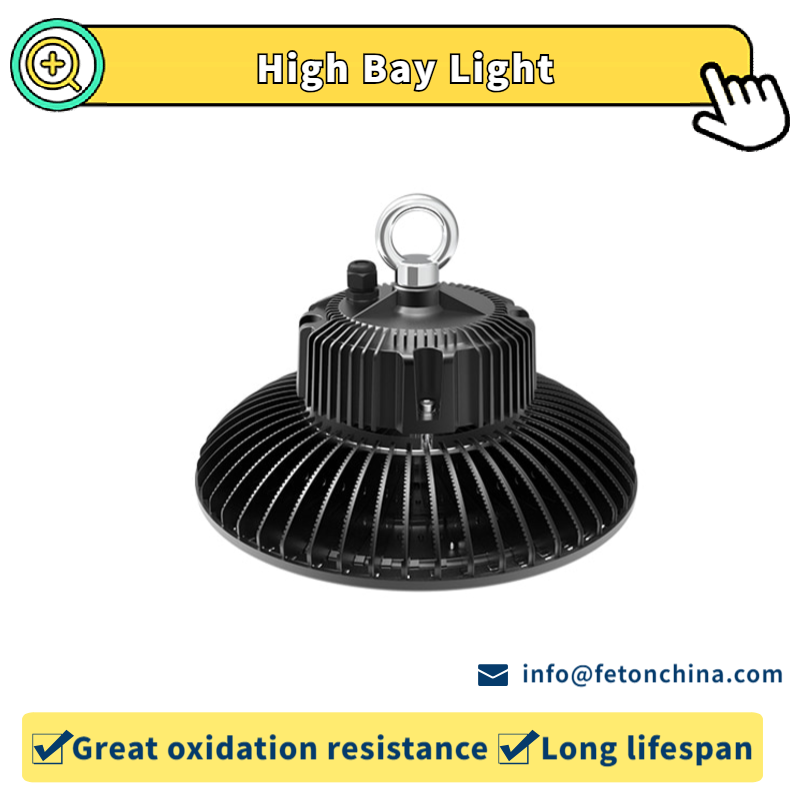
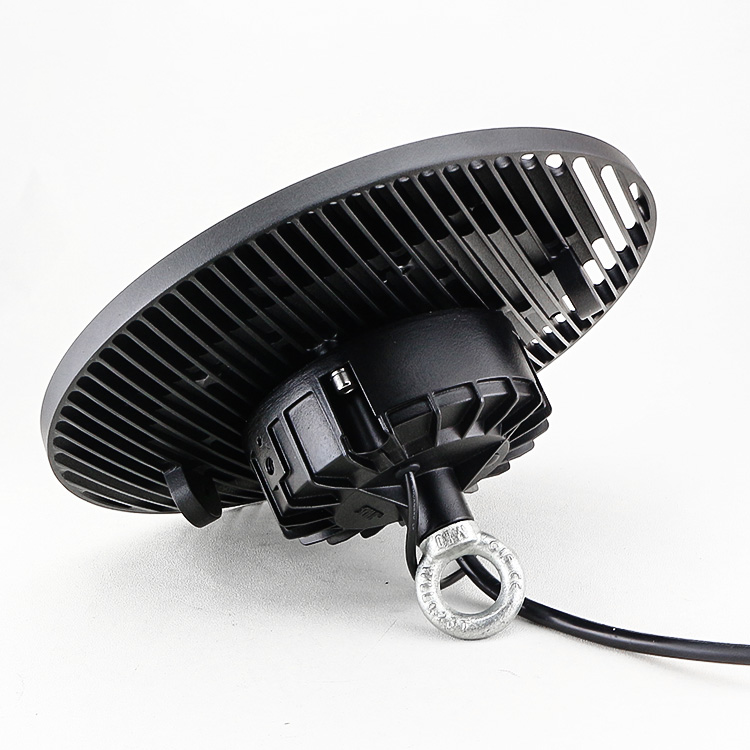
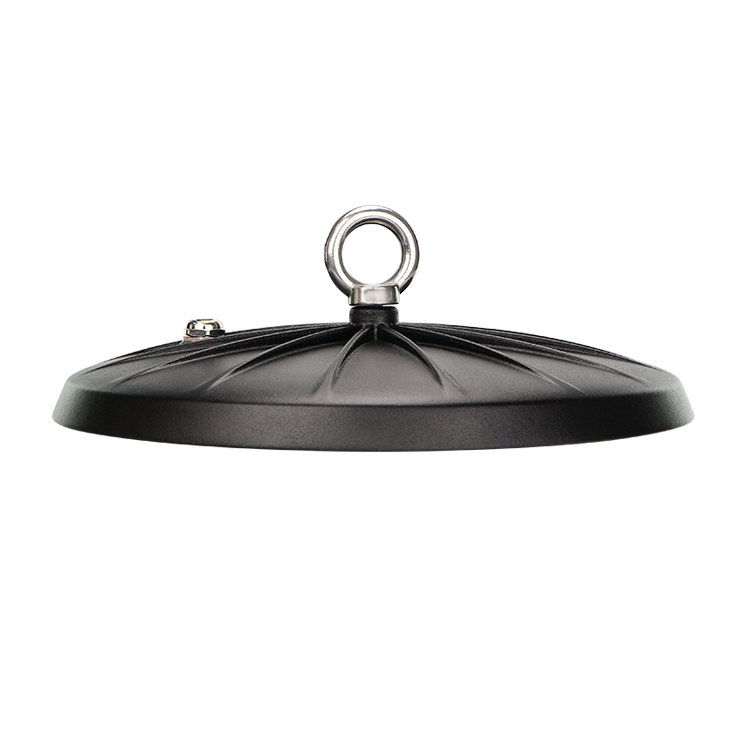
High Bay Lights
Source high bay lights in bulk from vetted manufacturers and suppliers. This catalog is designed for commercial lighting importers, wholesale distributors, and brands seeking reliable OEM and private-label production. Compare factory-direct pricing on industrial lighting built to strict international safety and performance standards.
High bay lights are mission-critical infrastructure for warehouses, factories, and large commercial spaces. Because these fixtures operate in demanding environments—often mounted at heights of 20 to 45 feet—maintenance and replacement costs are steep. Sourcing reliable high bay lighting requires navigating complex thermal management designs, driver reliability, and strict market compliance standards. A failure in the field is costly, making factory selection and component verification paramount to protecting your margins and reputation.
Technical Specifications and Component Selection
The lifespan and efficacy of an LED high bay light depend entirely on its core components. When negotiating with manufacturers, professional buyers must specify exact requirements rather than relying on standard factory defaults, which often optimize for the lowest production cost rather than longevity.
Heat Dissipation and Thermal Management
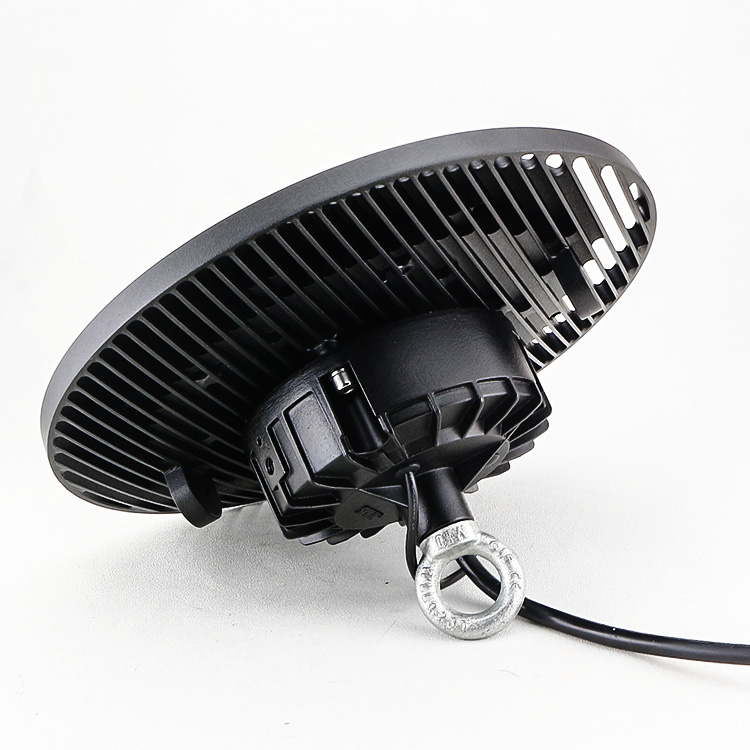
Heat is the primary enemy of LED lifespans. The design and material of the heatsink dictate how effectively the fixture manages thermal output.
| Heatsink Type | Manufacturing Process | Best Application |
|---|---|---|
| Die-Cast Aluminum | Molten aluminum injected into a mold | Standard commercial applications, cost-sensitive projects |
| Cold-Forged Aluminum | Pressed at room temperature, higher density | High-temperature environments, premium fixtures requiring maximum lifespan |
| Graphene-Coated | Standard heatsink with graphene thermal coating | Ultra-lightweight fixture requirements |
Drivers and LED Chips
The LED driver is the most common point of failure in industrial lighting. Top-tier manufacturers will offer options from reputable brands like Mean Well, Sosen, or Inventronics. Specifying these drivers often increases the unit cost but drastically reduces warranty claims.
For the LED chips, efficacy (lumens per watt) is the key metric. Standard fixtures typically offer 130 to 150 lm/W, while premium project-grade fixtures push over 170 lm/W using high-bin chips from brands like Philips, Osram, or Nichia.
Navigating component specifications and factory capabilities? We help buyers verify technical claims and secure reliable production lines.
Talk to our teamQuality Control and Compliance Standards
Industrial lighting is heavily regulated, and compliance is non-negotiable for import and installation. In North America, UL or cUL listing is standard for safety, while DLC (DesignLights Consortium) certification is often required for end-users to qualify for utility rebates. In Europe, CE and RoHS are mandatory, with ENEC marks providing a competitive edge.
If you are developing custom fixtures through OEM/ODM Services, you must ensure the factory has the capability to design for these standards from the ground up.
Critical Factory Testing Procedures
A reliable manufacturer will have a robust in-house testing laboratory. During Quality Control & Inspection, verify that the factory performs the following tests on your batch:
Essential High Bay Quality Checks
- Integrating Sphere Testing: Verifies lumen output, color temperature (CCT), and color rendering index (CRI).
- High-Temperature Aging Test: Fixtures should run for 24 to 48 hours in a heated environment (often 45°C to 50°C) to identify early driver or chip failures.
- Surge Protection Testing: Crucial for industrial environments prone to voltage spikes (typically testing for 4kV to 10kV protection).
- IP Rating Verification: Water and dust ingress testing, especially for IP65-rated UFO high bays.
Navigating the certification landscape can be complex, particularly when modifying an existing factory design. Leveraging professional Compliance & Testing support ensures your shipments won't be held up at customs or rejected by site inspectors.
Buying Mechanics: Pricing, MOQs, and Lead Times
The bulk lighting market is highly competitive, concentrated primarily in manufacturing hubs like Shenzhen, Zhongshan, and Ningbo. Pricing is highly elastic based on the components specified.
Pricing Drivers
- Efficacy Requirements: Pushing from 130 lm/W to 170+ lm/W requires higher-binned LEDs and superior thermal management, increasing costs by 15% to 30%.
- Smart Controls: Integrating microwave motion sensors, daylight harvesting sensors, or DALI/Zigbee dimming capabilities adds significant per-unit cost but is increasingly required for modern building codes.
- Warranty Terms: Factories offering a true 5-year or 7-year warranty will price their units higher, as they must use premium capacitors in the drivers to survive the warranty period.
Need to negotiate better terms, enforce strict quality control, or consolidate shipments from multiple lighting factories? Let's discuss your supply chain.
Get a free consultationFrequently Asked Questions
Sourcing high bay lighting successfully requires moving beyond surface-level specifications and scrutinizing the factory's engineering capabilities and component supply chain. Engaging in thorough Factory Audits before placing large volume orders is the most effective way to separate genuine manufacturers from trading companies and ensure long-term product reliability.
Get Sourcing Help for High Bay Lights
Tell us your requirements and our experts will connect you with verified manufacturers.