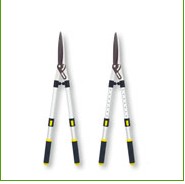
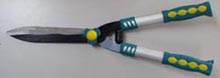
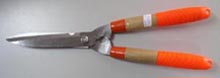
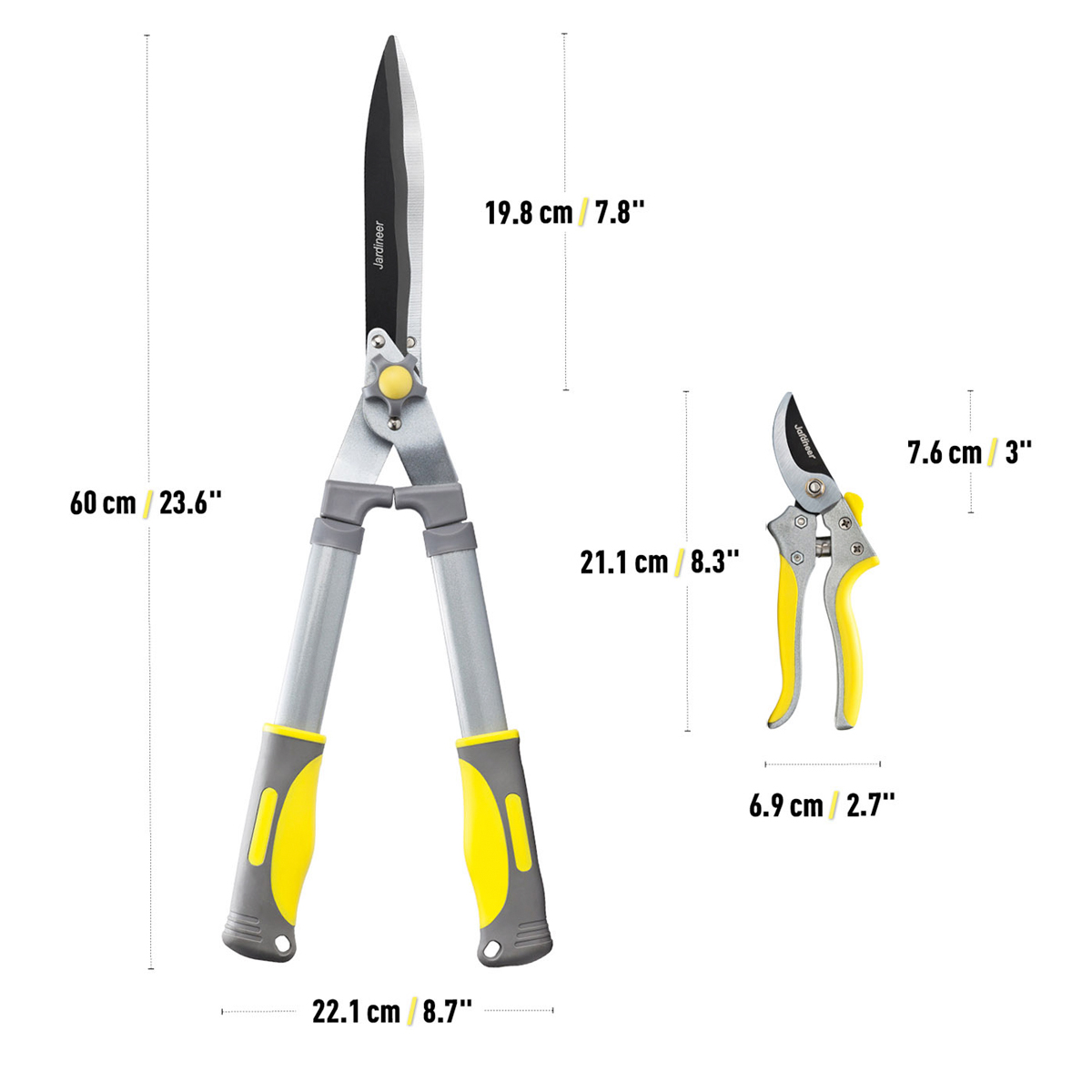
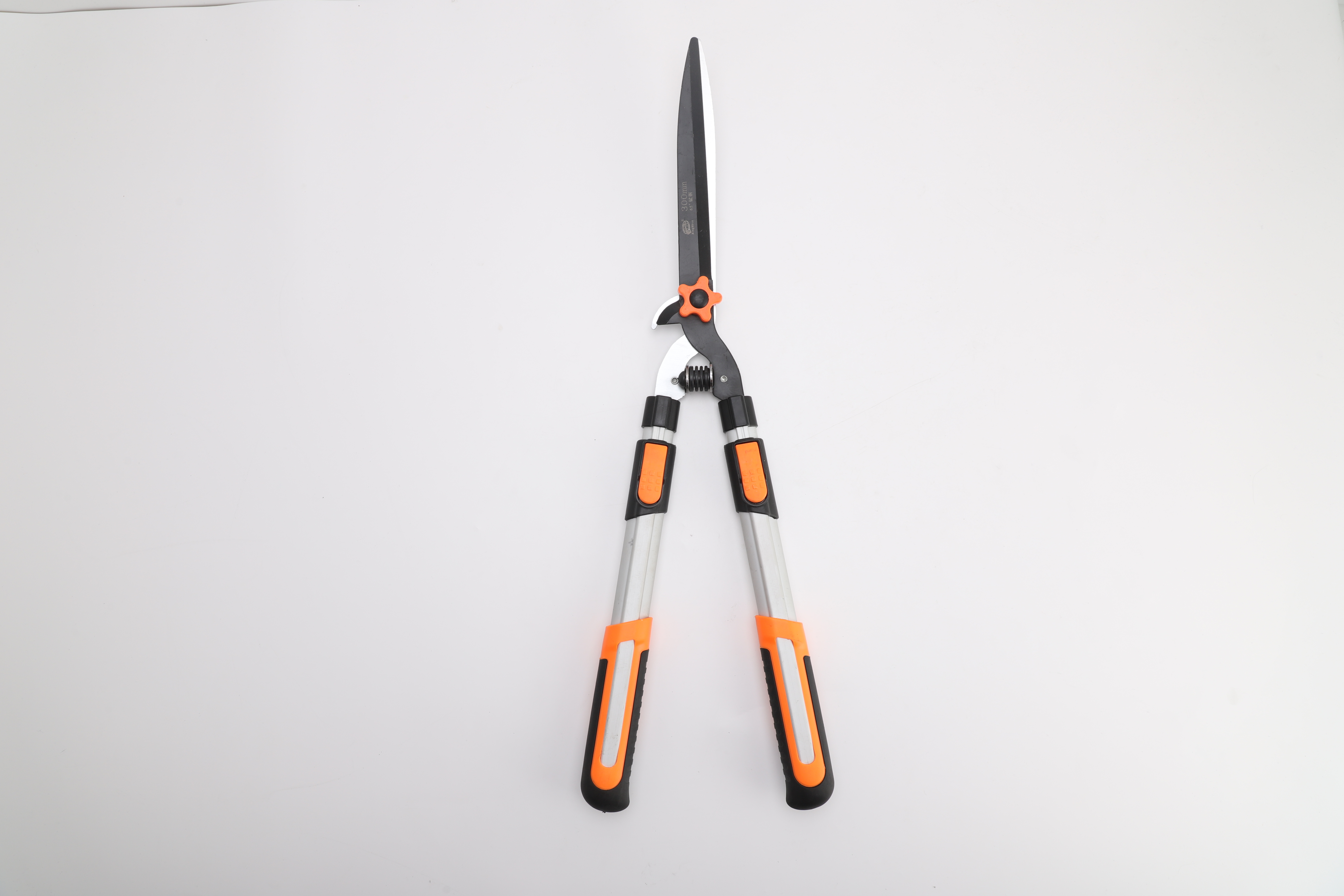
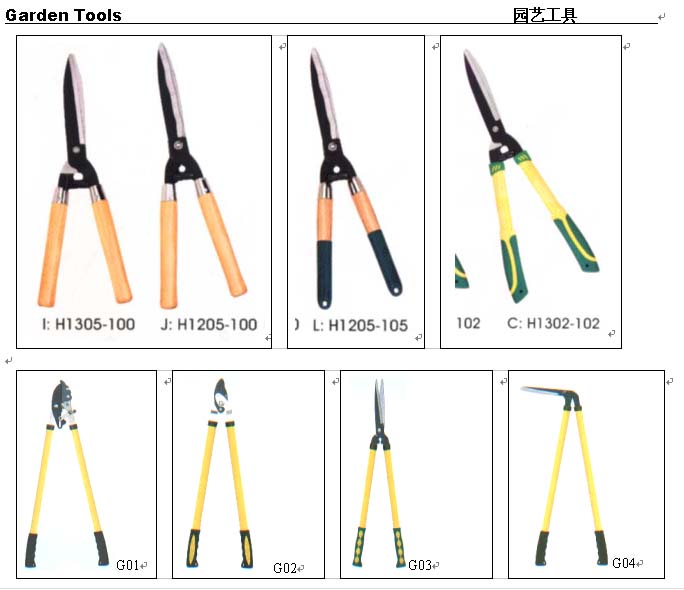
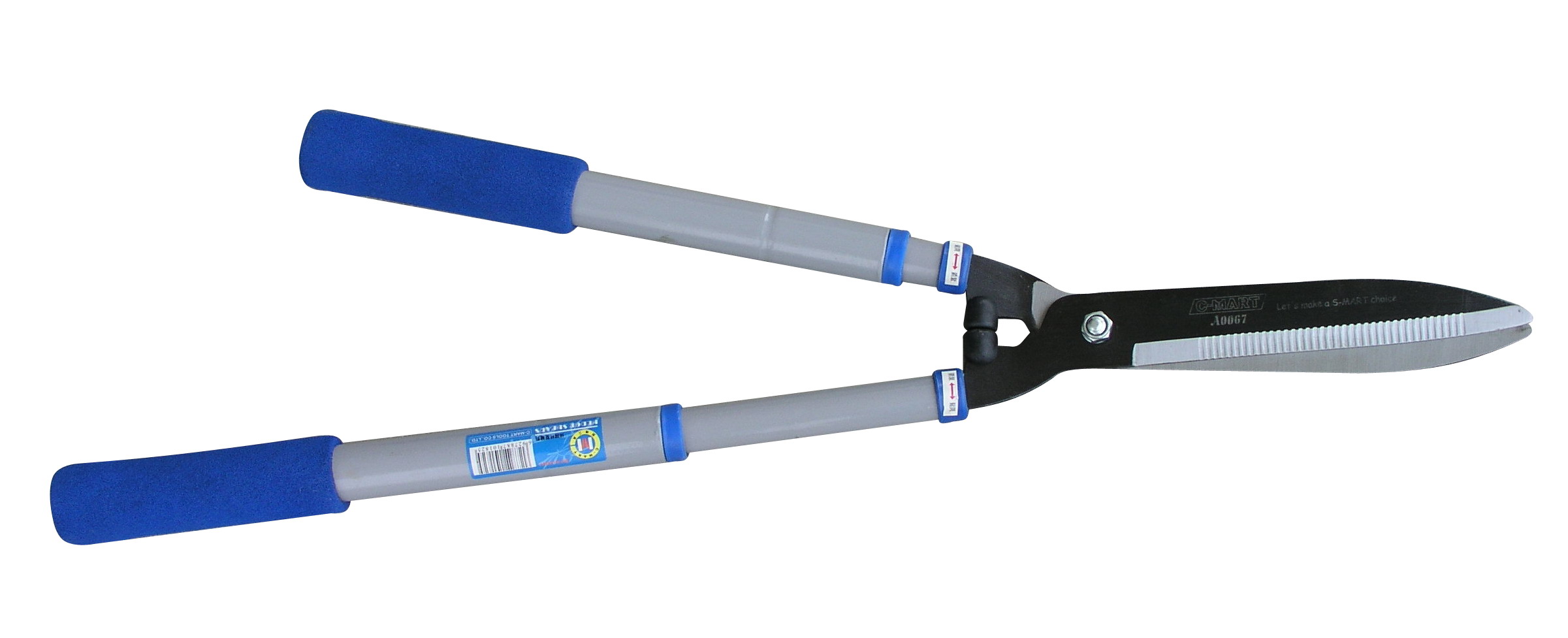
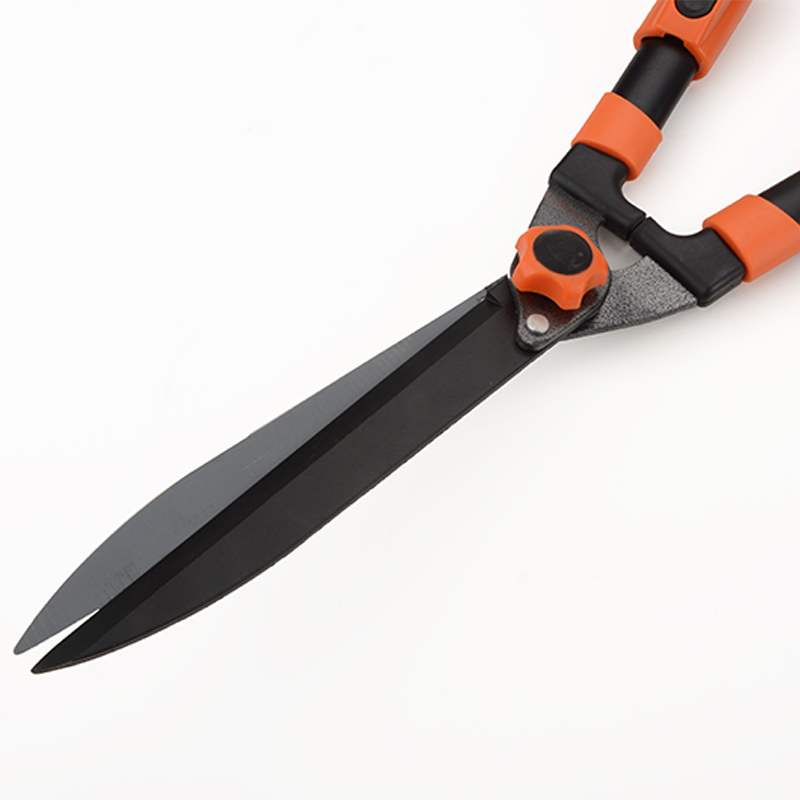
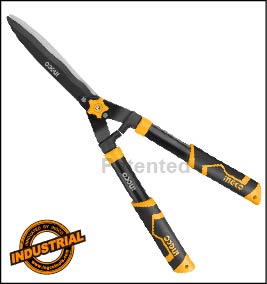
Hedge Shears
Source high-quality hedge shears directly from vetted manufacturers and suppliers. Designed for importers, wholesalers, distributors, and brands seeking reliable OEM and private-label production, our network delivers bulk garden tools built for durability, precision cutting, and consistent performance across all volume orders.
Sourcing hedge shears in bulk requires navigating a highly fragmented manufacturing base, primarily concentrated in China's hardware hubs like Zhejiang and Shandong provinces. The core challenge for volume buyers is ensuring consistent blade hardness, reliable pivot tension, and durable handle assemblies across thousands of units. A poorly manufactured shear will fail at the bumper, lose its edge prematurely, or suffer from blade misalignment after minimal use. Success depends on rigorous specifications and strict oversight on the factory floor.
Blade Metallurgy and Edge Retention
The performance of a hedge shear is dictated by the steel grade and the heat treatment process. Standard consumer models often use 50Mn or 55Mn carbon steel, which is cost-effective but requires frequent sharpening. For professional or premium lines, SK5 high-carbon steel is the industry standard due to its superior edge retention and toughness.
| Material Grade | Typical HRC | Primary Application | Cost Profile |
|---|---|---|---|
| 50Mn / 55Mn Steel | 48-52 | Entry-level / Retail consumer | Low |
| 65Mn Carbon Steel | 52-55 | Mid-range / Prosumer | Medium |
| SK5 High-Carbon | 55-58 | Professional / Heavy-duty | High |
| Stainless Steel (420J2) | 50-54 | Corrosion-resistant / Coastal | Medium-High |
When specifying blades, you must also define the surface treatment. Hard chrome plating offers excellent rust resistance and reduces sap buildup, while PTFE (Teflon) coatings reduce friction but can wear off if improperly applied.
Need help verifying supplier metallurgical reports? We can validate factory claims before you place a volume order.
Talk to our teamStructural Integrity: Handles, Bumpers, and Pivots
A hedge shear is a lever system; the stress concentrates at the pivot point and the handle joints.
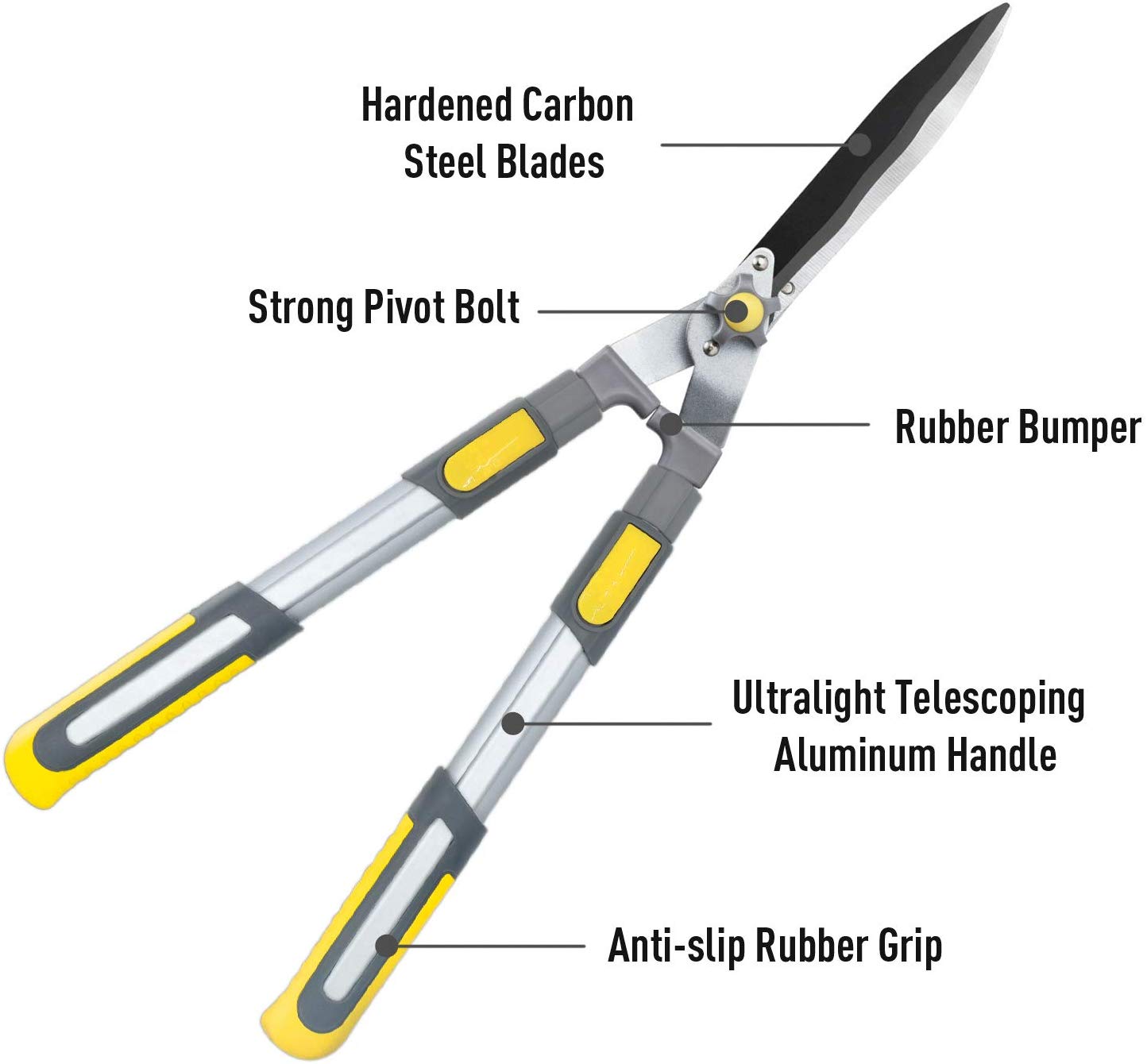
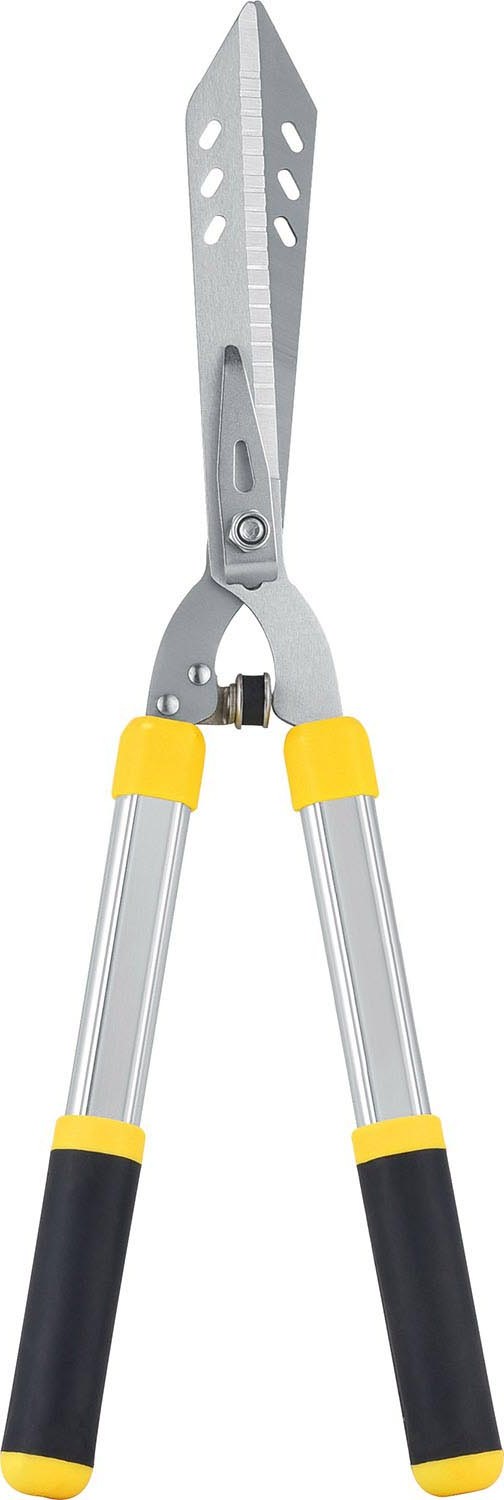
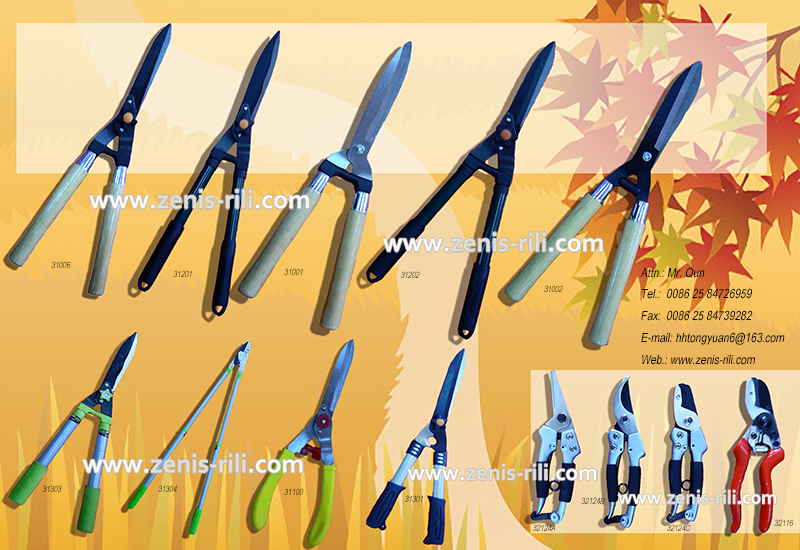
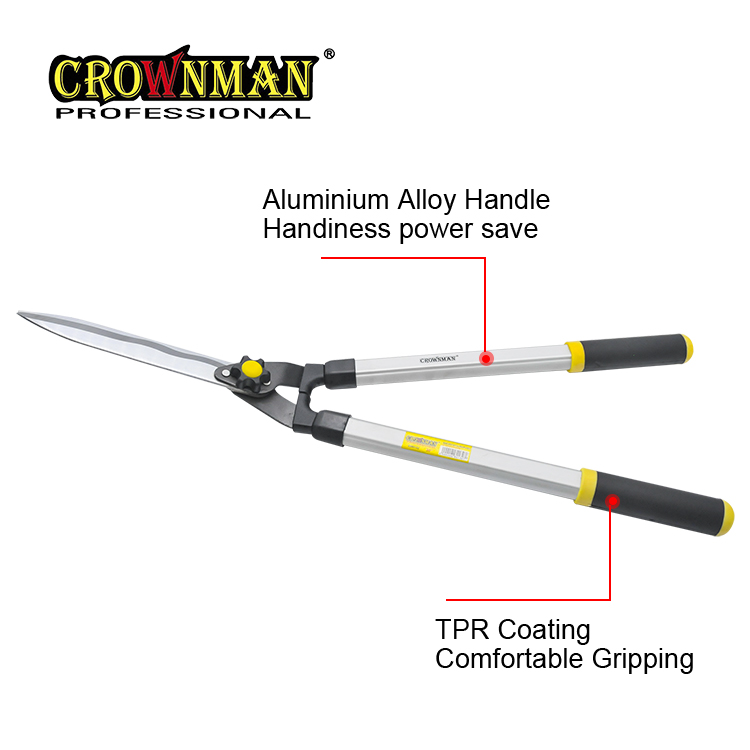
- Handle Materials: Tubular steel is durable but heavy. Extruded aluminum alloy is the preferred choice for mid-to-high-end models because it offers an optimal strength-to-weight ratio. Fiberglass handles provide shock absorption and weather resistance but require precise molding to prevent splintering.
- Pivot Mechanisms: The pivot bolt must maintain tension without binding. Premium shears utilize a wavy washer or a geared pivot system to maintain consistent cutting pressure along the entire blade length.
- Shock Bumpers: The rubber or TPR (Thermoplastic Rubber) bumpers prevent jarring impacts to the user's wrists. Poor quality bumpers will crack, compress permanently, or fall out. Ensure your supplier uses high-grade, UV-resistant elastomers.
Manufacturing Vulnerabilities and Quality Control
The manufacturing process involves blanking, heat treatment, grinding, surface finishing, and assembly. Quality is often lost during the heat treatment phase. If the quenching and tempering are inconsistent, blades will be either too brittle (prone to chipping) or too soft (prone to rolling).
Implementing strict Quality Control & Inspection protocols is non-negotiable. Pre-shipment inspections should verify not just the finish, but the functional mechanics of the tool.
Critical QC Checks for Hedge Shears
- Hardness testing (HRC) on multiple points of the blade edge.
- Cutting test on standardized dowels to ensure no blade deflection or edge rolling.
- Tension test on the pivot bolt to verify consistent opening/closing force.
- Pull test on handle grips to ensure TPR/PVC does not slip off the core.
- Salt spray testing for chrome or PTFE coated blades to verify corrosion resistance.
Before committing to a new manufacturer, conducting thorough Factory Audits is highly recommended to ensure they have in-house heat treatment facilities or partner with reputable subcontractors, rather than relying on uncontrolled open-market components.
Sourcing Mechanics: MOQs, Pricing, and Customization
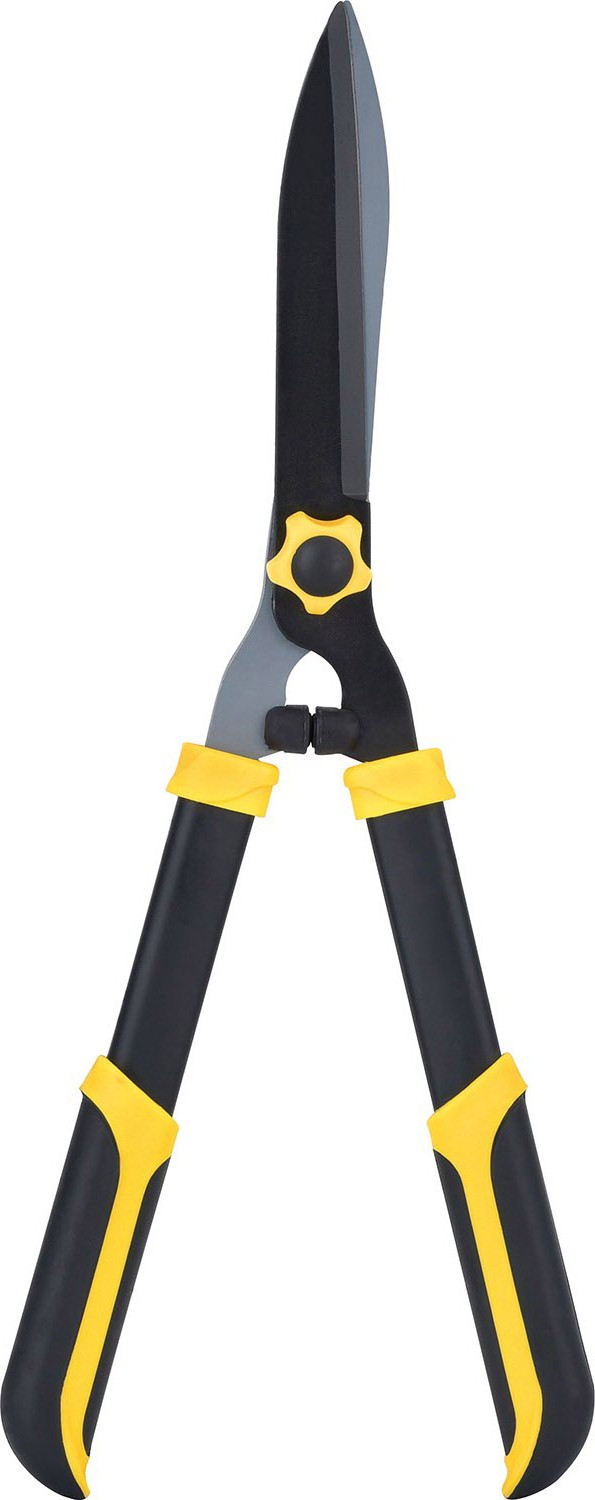
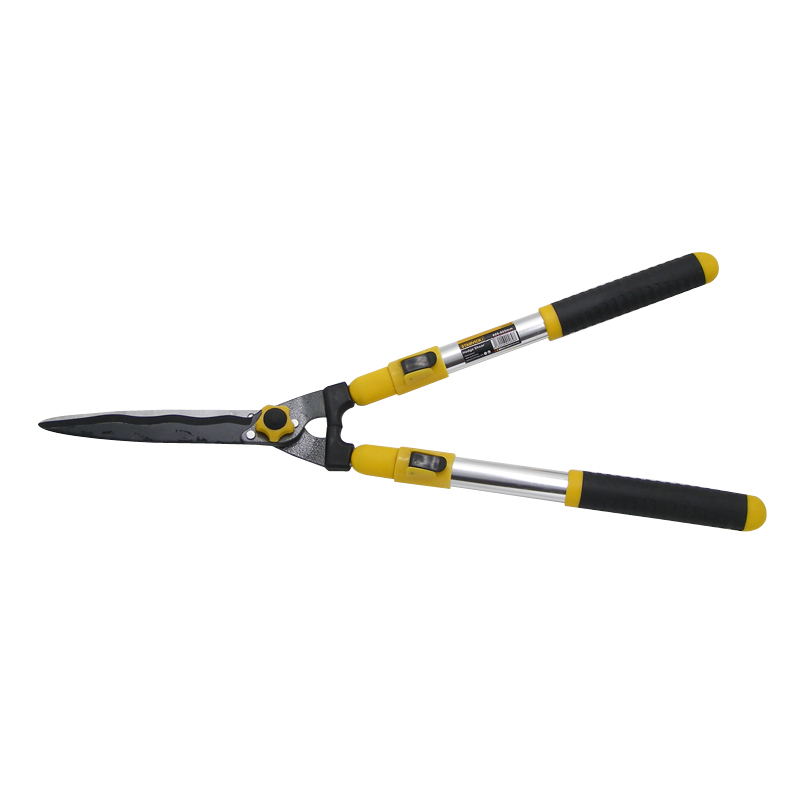
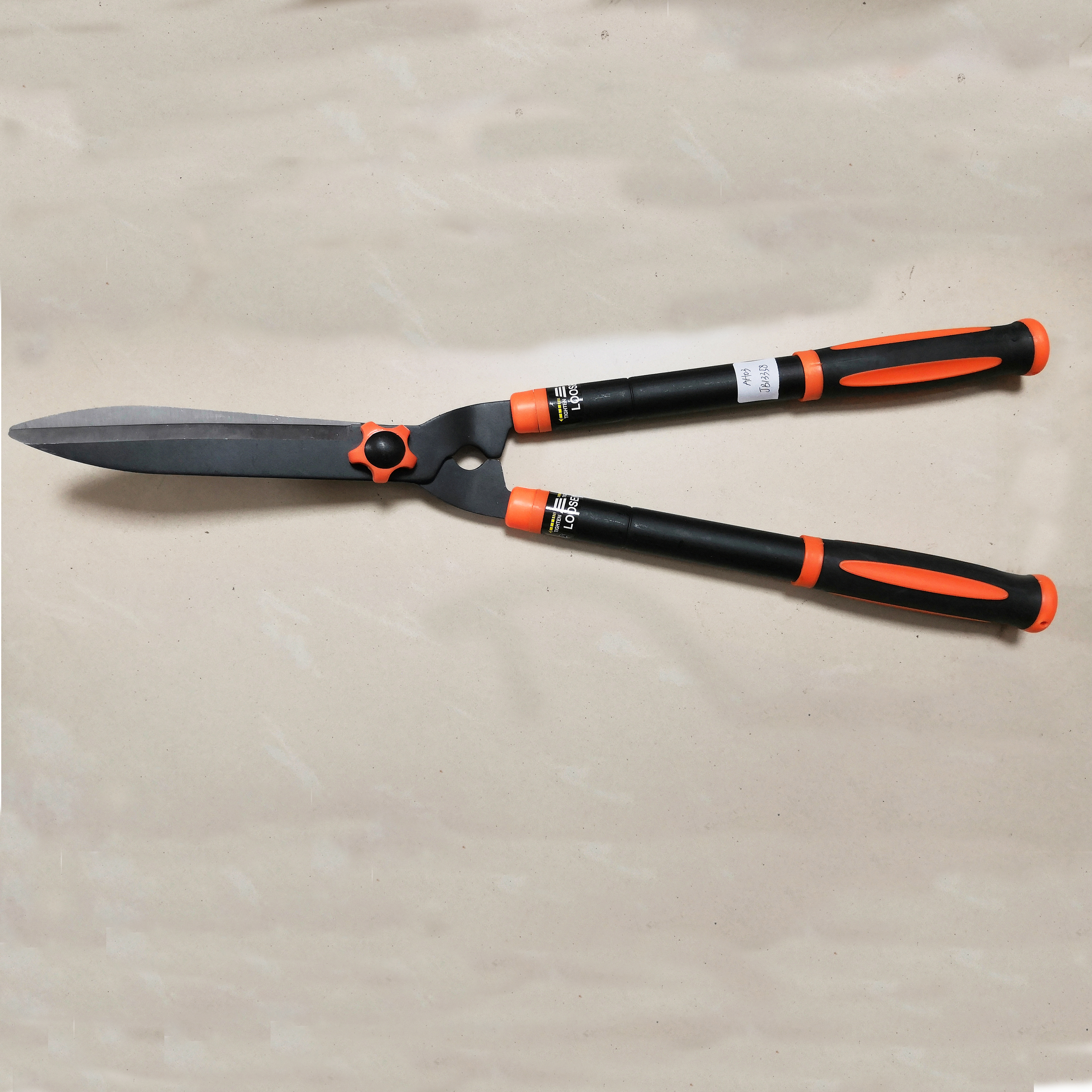
Most factories offer extensive OEM/ODM Services, allowing you to customize blade shapes (straight vs. wavy), handle ergonomics, and branding. Wavy blades are excellent for gripping thicker branches, while straight blades offer cleaner cuts on soft foliage.
Pricing is heavily influenced by raw material costs (steel and aluminum) and currency fluctuations. When negotiating, clarify whether the quoted price includes custom packaging (like blister cards or color sleeves), as this can significantly impact the final unit cost.
Looking to develop a private-label garden tool line? We manage the entire process from tooling to final shipment.
Get a free consultationSourcing hedge shears that consistently perform in the field requires moving beyond surface-level aesthetics and digging into metallurgy and assembly tolerances. By strictly defining your material grades and enforcing rigorous quality checks at the pivot and bumper assemblies, you can build a product line that minimizes returns and builds brand trust.
Get Sourcing Help for Hedge Shears
Tell us your requirements and our experts will connect you with verified manufacturers.