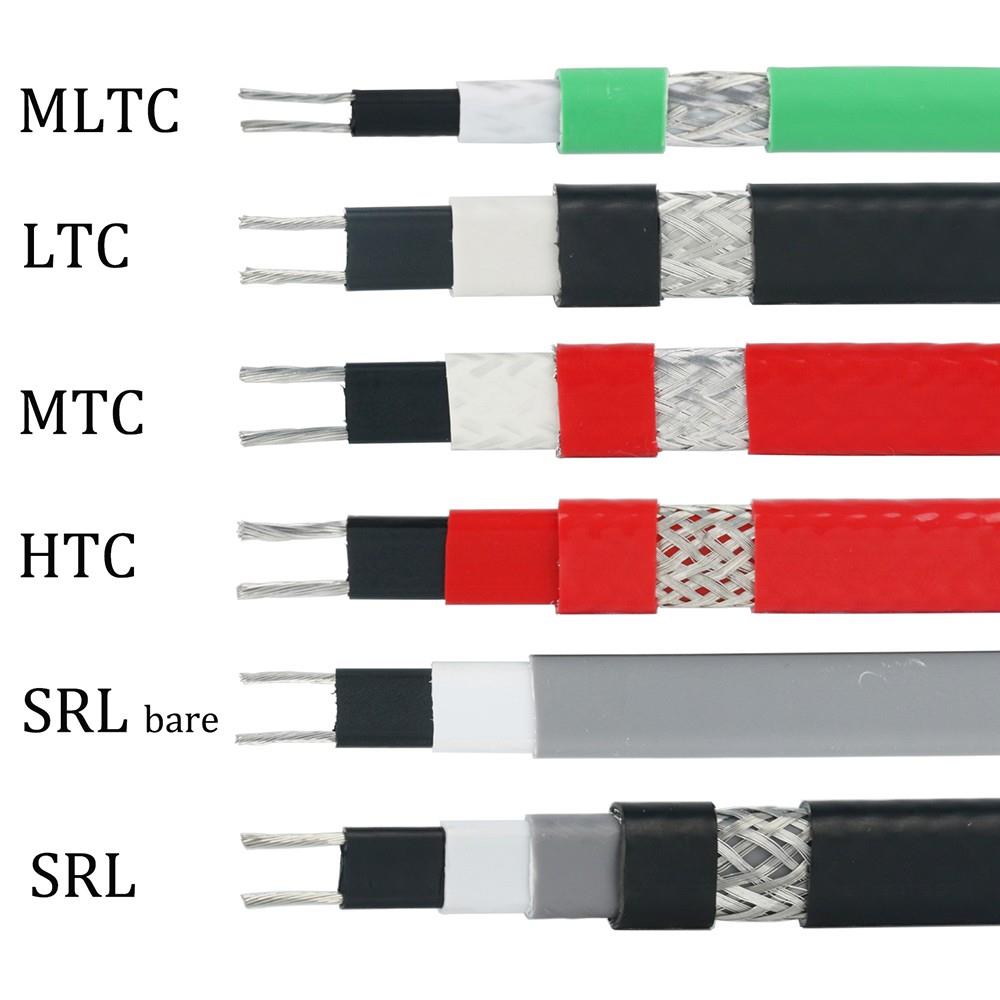
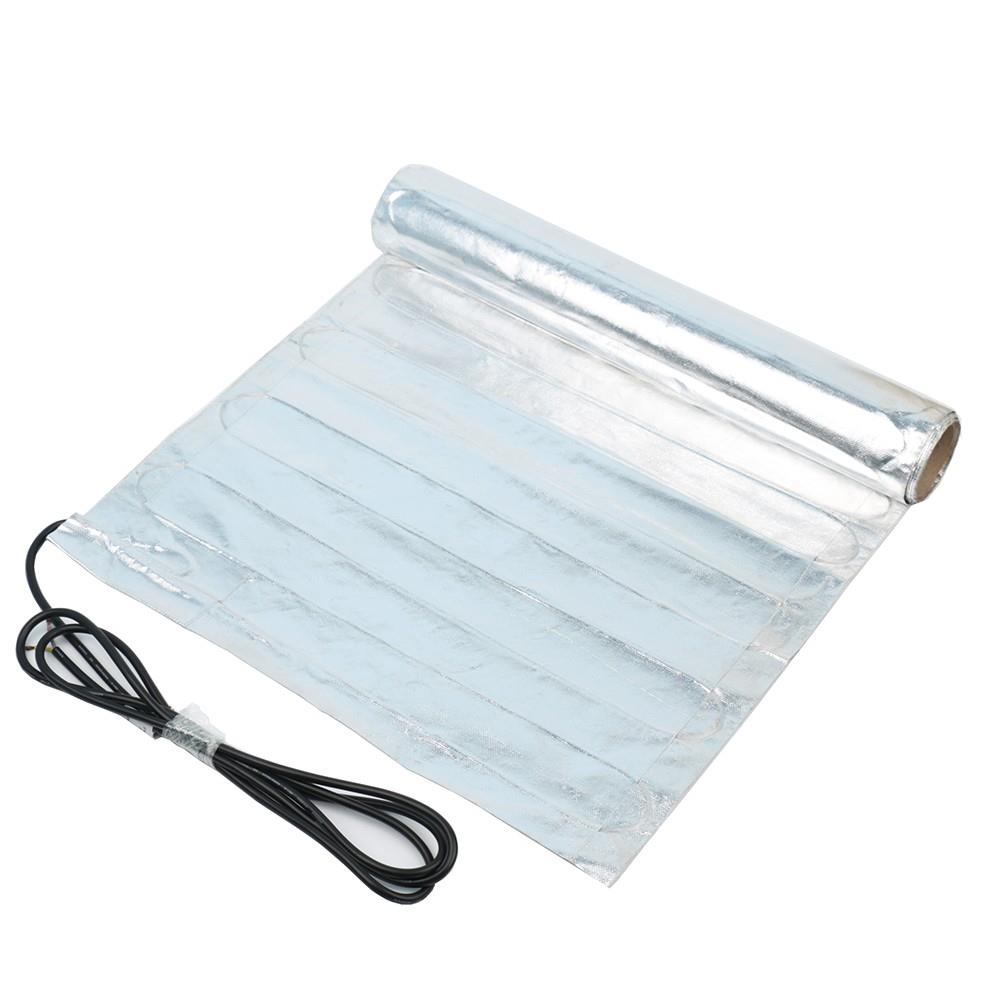
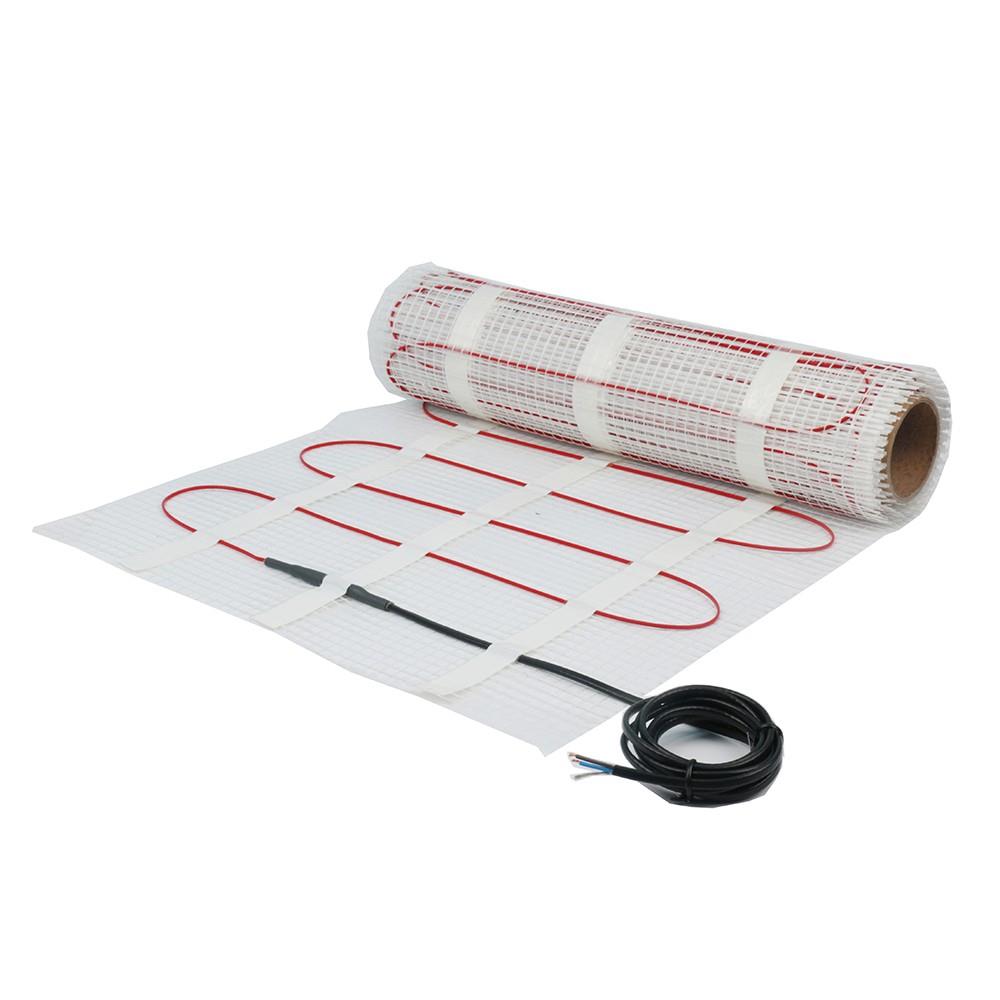
Heating Wires
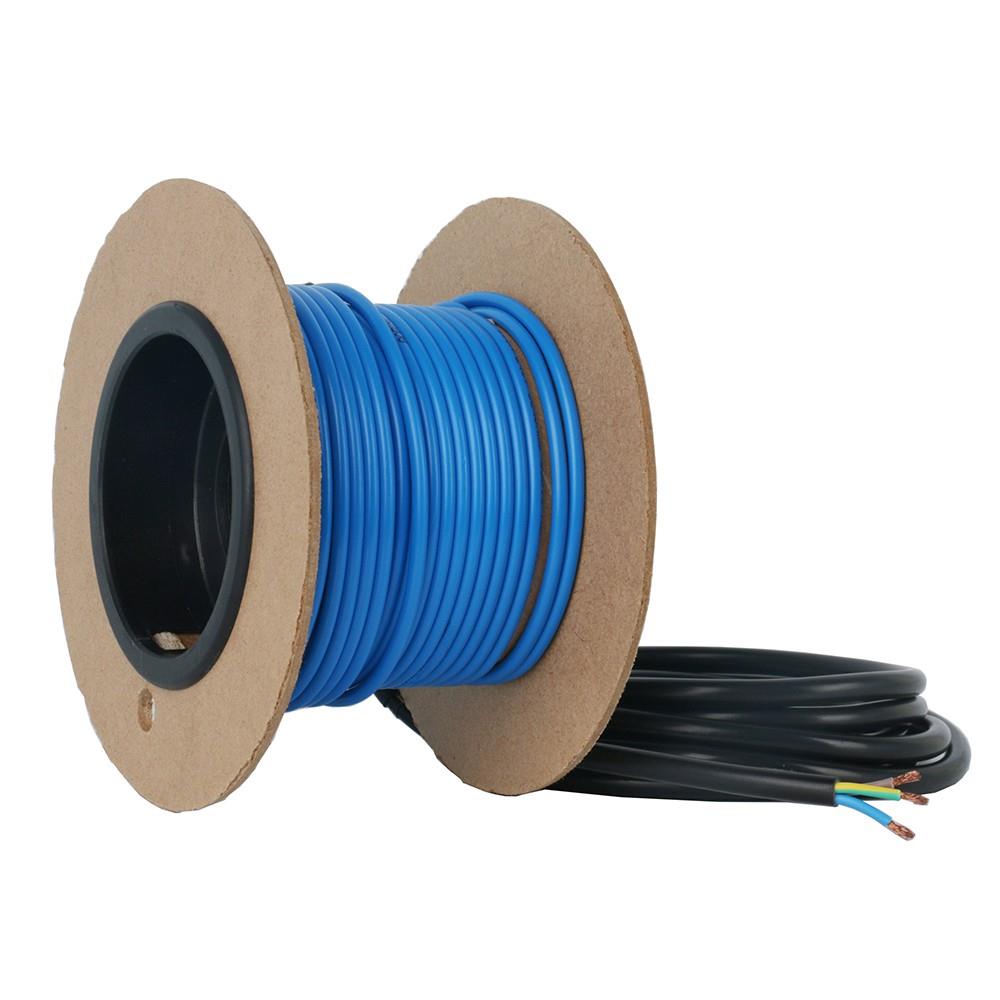
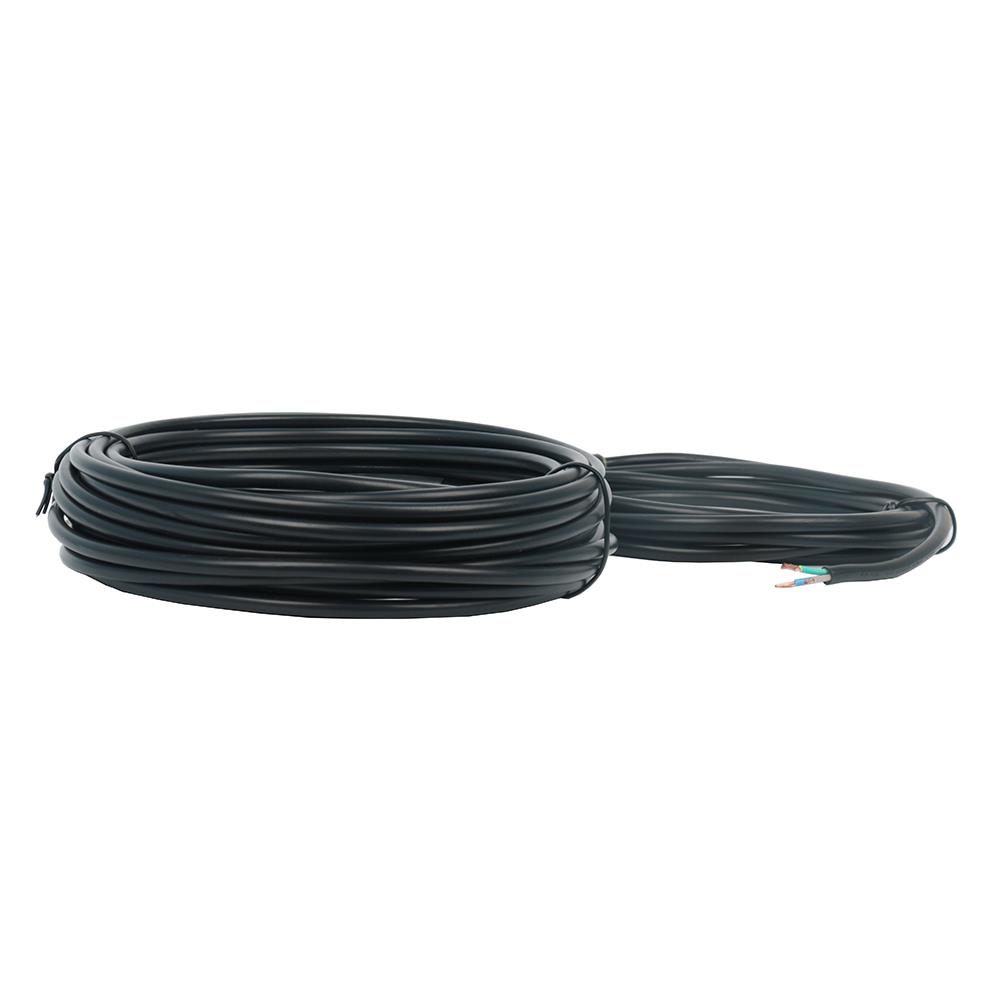
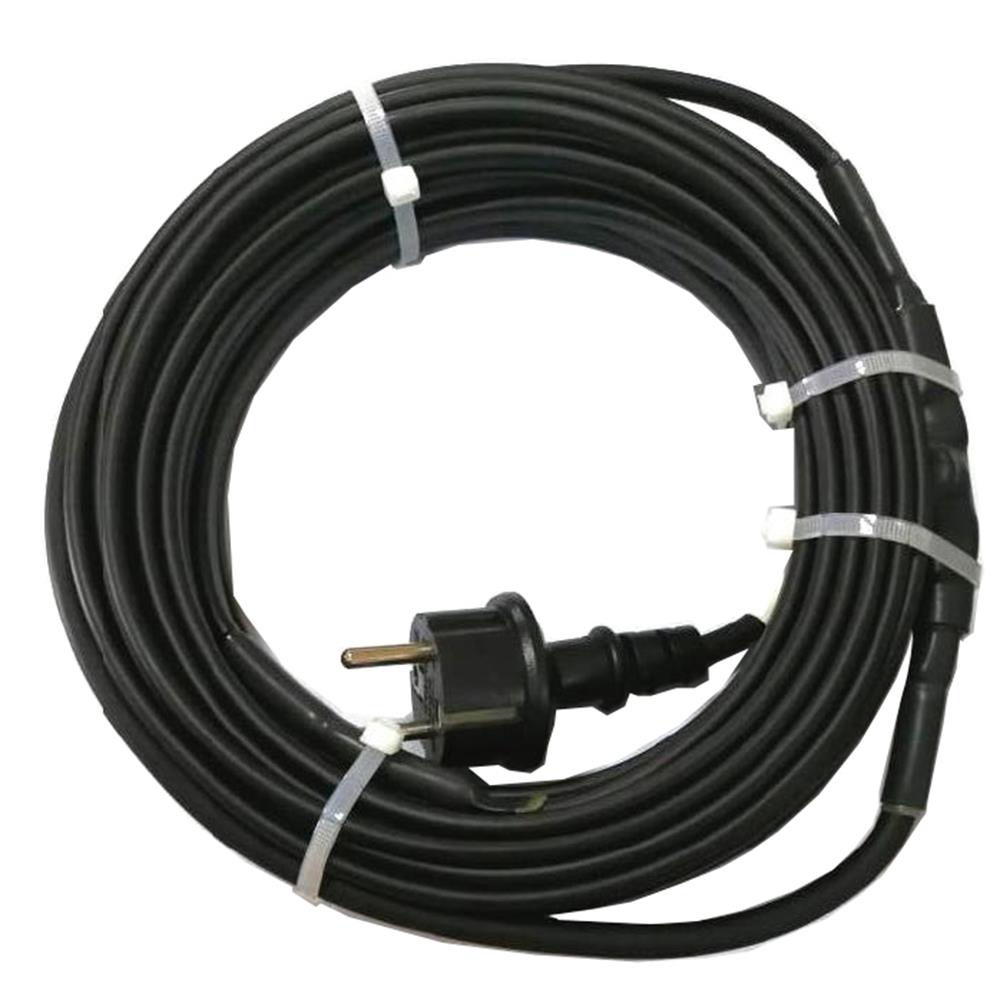
Source high-quality heating wires directly from vetted manufacturers and wholesale suppliers. Designed for HVAC&R importers, distributors, and brands requiring OEM/ODM production, our bulk sourcing solutions ensure precise resistance, durable insulation, and full compliance with international safety standards.
Heating wires are the critical thermal components in HVAC&R defrosting systems, compressor crankcase heaters, and trace heating applications. For volume buyers, the primary sourcing challenge is not simply finding a factory capable of winding resistance alloys. The real difficulty lies in ensuring absolute consistency in ohms-per-meter and securing flawless insulation concentricity across thousands of meters of production to prevent shorts, hot spots, and catastrophic field failures.
Defining Technical Specifications for Bulk Orders
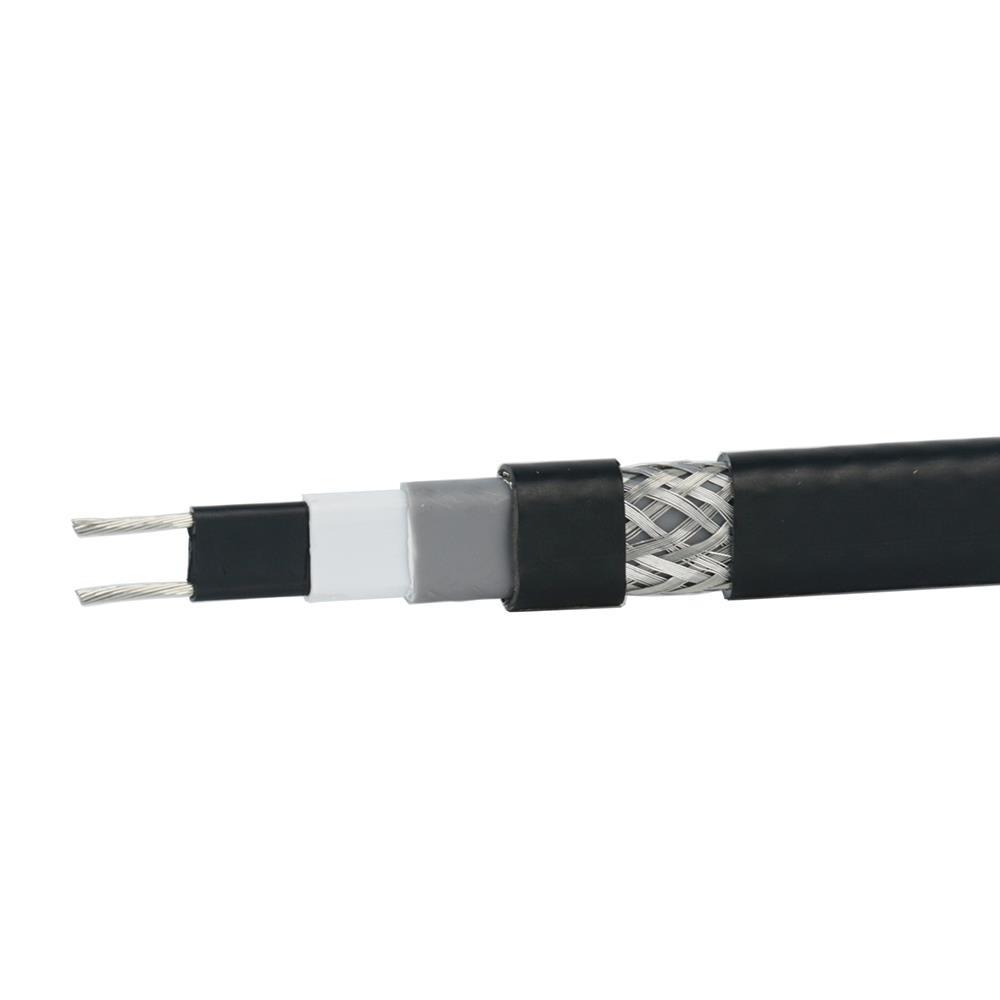
When approaching a manufacturer for a production run, generic requests yield inconsistent results. Factories price and produce based on strict technical parameters. You must clearly define the core conductor alloy—typically Nichrome (NiCr) for high flexibility and longevity, or Iron-Chromium-Aluminum (FeCrAl) for higher temperature limits at a lower cost.
Equally important is the insulation jacket, which dictates the wire's operating environment and dielectric strength.
| Insulation Material | Max Operating Temp | Flexibility | Primary HVAC Application |
|---|---|---|---|
| PVC | 105°C | Moderate | Low-temp trace heating, drain pipes |
| Silicone Rubber | 200°C | Excellent | Defrost heaters, crankcase heaters |
| PTFE (Teflon) | 250°C | Low | Harsh chemical environments, high-temp zones |
| Fiberglass | 400°C+ | Moderate | High-temperature internal wiring |
You must also specify the exact wattage per meter (W/m) and the acceptable resistance tolerance. Standard factory tolerance is often ±5%, but precision applications may require negotiating a tighter ±3% tolerance, which will impact the scrap rate and unit cost.
Manufacturing Variances and Quality Control
The majority of defects in heating wire production occur during the extrusion of the insulation layer. If the extrusion machinery is not properly calibrated, the conductor can drift off-center. This poor concentricity results in thin spots in the insulation, which are highly susceptible to dielectric breakdown when exposed to moisture in refrigeration systems.
The Danger of Poor Terminations
A high-quality heating wire is useless if the cold-tail terminations fail. Inadequate vulcanization or poor heat-shrink sealing at the splice between the resistance wire and the lead wire is the leading cause of moisture ingress and short circuits in defrost applications.
To mitigate these risks, implementing rigorous Quality Control & Inspection at the factory level is essential. Relying solely on the factory's internal QC data is a common pitfall for importers.
Critical Factory Inspections for Heating Wires
- Concentricity measurement under cross-section microscopy
- High-voltage (Dielectric Withstand) testing on 100% of the batch
- Water bath testing (submersion testing) for waterproof models
- Resistance per meter verification across multiple spool segments
- Pull-force testing on cold-tail splices and terminations
Struggling with inconsistent resistance or insulation failures in your current supply chain? Let us help you establish strict QC protocols and vet better manufacturing partners.
Talk to our teamEvaluating Chinese Heating Wire Manufacturers
The manufacturing landscape for heating elements in China is highly regionalized. Jiangsu province (particularly around Taizhou and Yancheng) is the dominant hub for raw resistance alloys and standard heating wires. Meanwhile, Guangdong province is home to factories that excel in finished, complex assemblies requiring custom terminations and molded plugs.
Because the barrier to entry for basic wire extrusion is relatively low, the market is saturated with small workshops posing as large-scale manufacturers. Conducting thorough Factory Audits is necessary to verify that a supplier has the in-house wire winding and extrusion equipment they claim, rather than outsourcing the core manufacturing steps to unverified sub-tier suppliers.
Typical MOQs, Lead Times, and Pricing Drivers
Pricing for heating wires fluctuates based on the global commodity prices of copper, nickel, and the specific polymers used for insulation.
For standard silicone or PVC heating wires, factories typically require Minimum Order Quantities (MOQs) based on the extrusion run length—usually between 3,000 and 5,000 meters per specification. If you are developing custom defrost heater assemblies with specific molded connectors, you will need to leverage OEM/ODM Services to handle the tooling for the vulcanized molds, which generally adds 15 to 20 days to the initial development cycle.
Need accurate pricing and lead times for your next bulk order? We can negotiate terms directly with audited factories to secure competitive rates for your exact specifications.
Get a free consultationFrequently Asked Questions
Sourcing heating wires at scale requires balancing the upfront cost per meter against the hidden costs of field failures. By defining exact material specifications, auditing factory extrusion capabilities, and enforcing rigorous pre-shipment high-voltage testing, buyers can secure reliable thermal components that protect their brand's reputation.
Get Sourcing Help for Heating Wires
Tell us your requirements and our experts will connect you with verified manufacturers.