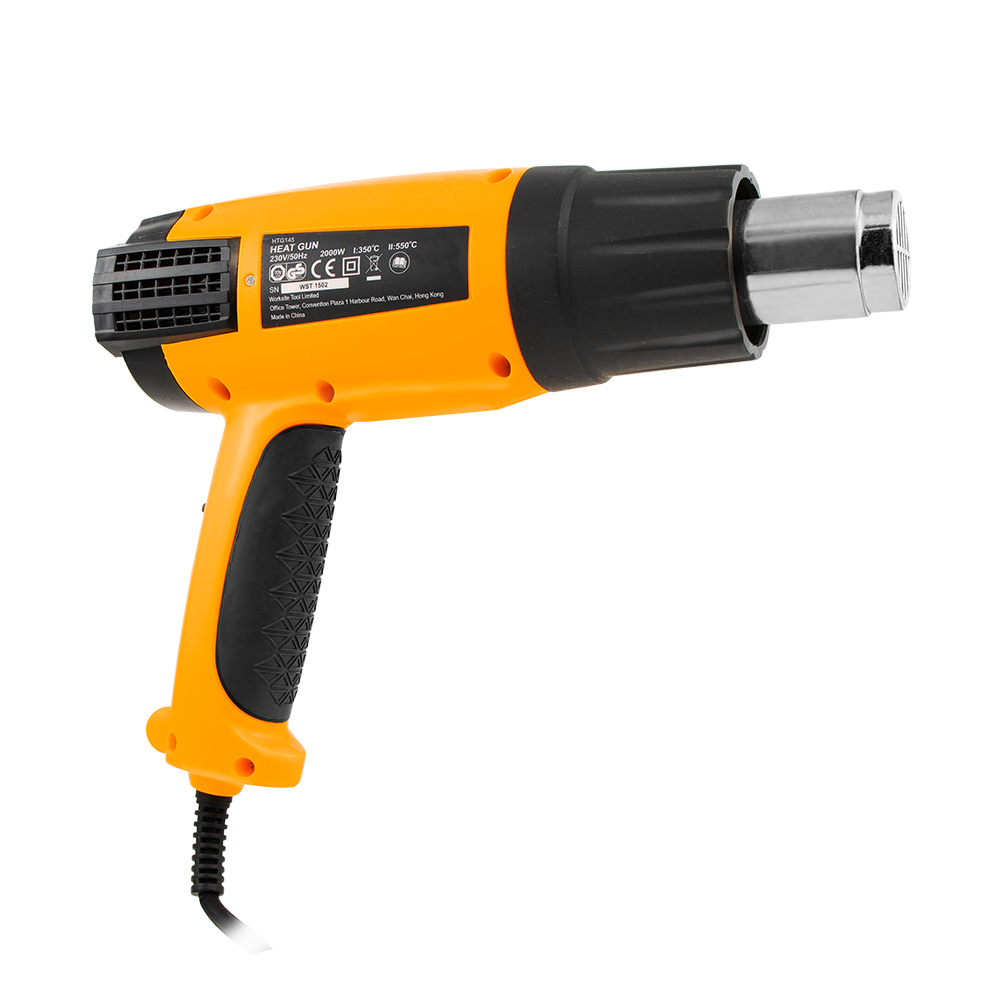
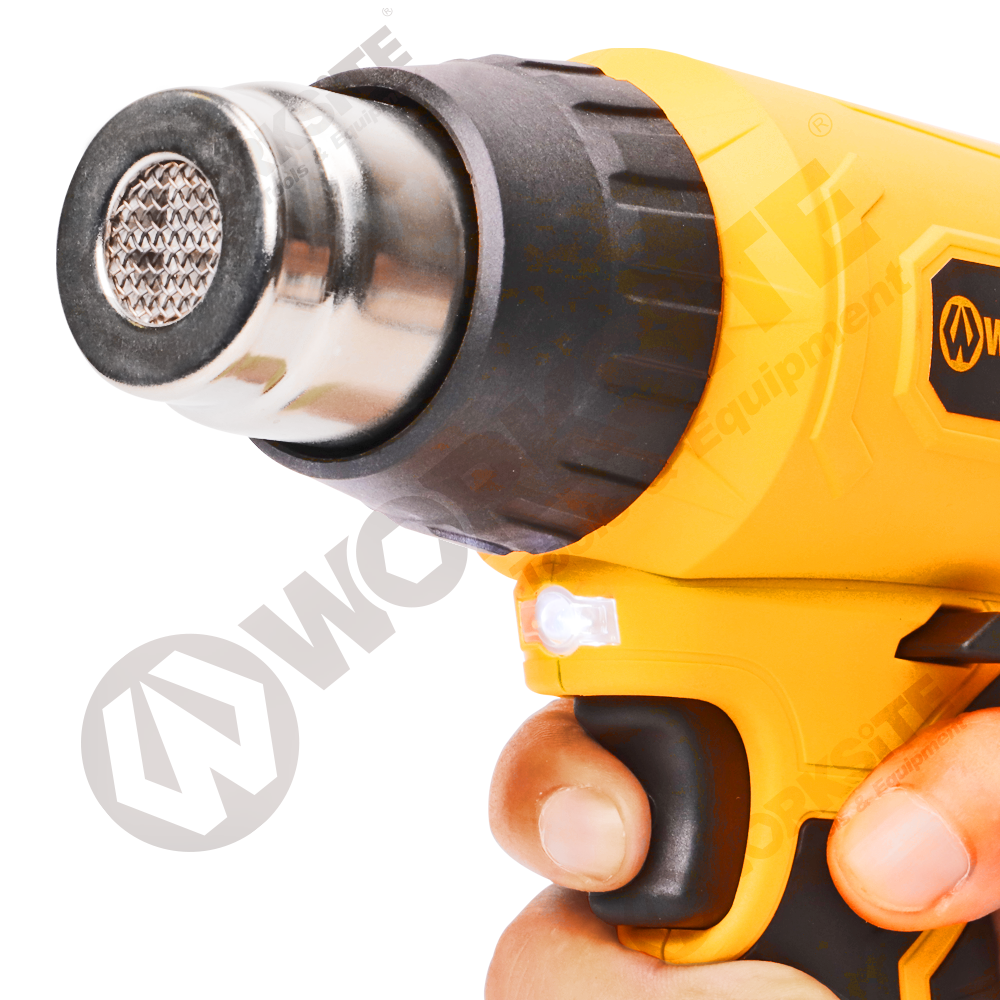
Heat Guns
Source industrial and commercial-grade heat guns from vetted suppliers and manufacturers. Designed for importers, wholesalers, distributors, and tool brands seeking reliable OEM and private-label production, our network delivers compliant, high-performance power tools at scale.
Sourcing heat guns at volume requires strict attention to thermal management, electrical safety, and continuous-duty reliability. The difference between a professional-grade tool and a high-return liability lies in the heating element materials, motor durability, and the rigorousness of factory-level assembly.
When evaluating manufacturers, the bill of materials (BOM) dictates the tool's lifecycle and safety profile.
Core Components & Technical Specifications
To avoid sourcing subpar units that fail under heavy use, buyers must specify the exact internal components they expect.
- Heating Elements: The core differentiator. Standard consumer models often use mica board structures, which degrade under continuous thermal cycling. Professional models require ceramic honeycomb cores for better heat distribution, structural integrity, and longevity.
- Motors: Brushed DC motors are standard for entry-level and mid-tier models. For industrial applications requiring prolonged operation without brush wear, brushless (BLDC) motors are necessary, though they increase the unit cost.
- Thermal Protection: Essential for safety compliance. Bimetallic thermostats or thermal fuses must be integrated to automatically cut power if internal temperatures exceed safe thresholds due to airflow blockage.
| Component Spec | Consumer / DIY Grade | Professional / Industrial Grade |
|---|---|---|
| Heating Core | Mica board | Ceramic honeycomb |
| Temperature Control | 2-stage rocker switch | Stepless dial or digital LCD (PID control) |
| Motor Type | Standard brushed DC | Heavy-duty brushed or Brushless (BLDC) |
| Power Cord | PVC jacket (standard) | Rubber jacket (H07RN-F or similar) |
Need help verifying supplier BOMs and matching factory capabilities to your specifications?
Discuss your technical requirementsManufacturing Standards & Quality Control
Heat guns draw high current (typically 1500W to 2000W) and generate extreme localized heat. This makes electrical insulation and thermal shielding critical. Poor assembly or inferior casing materials (which should be high-heat resistant plastics like PA6-GF30) can lead to casing melts, short circuits, or fire hazards.
A robust Quality Control & Inspection protocol is mandatory before shipment.
Essential Heat Gun QC Tests
- Hi-Pot (High Potential) testing to verify electrical insulation integrity
- Continuous burn-in testing (typically 24 to 48 hours) to check thermal fuse reliability
- Airflow volume (CFM/LPM) and temperature accuracy calibration at the nozzle
- Drop testing (usually 1 meter onto concrete) to ensure ceramic cores and plastic housings do not shatter
Meeting destination market regulations is non-negotiable. Ensure your factory partner can provide valid test reports for CE/LVD, EMC, RoHS, and either UL or ETL if importing to North America. If a supplier hesitates to share technical files, you will need independent Compliance & Testing before mass production begins.
OEM/ODM and Customization
For brands looking to establish a unique market presence, off-the-shelf white-labeling is often insufficient. Engaging in OEM/ODM Services allows you to modify the tool's ergonomics, enhance housing materials (e.g., adding TPR overmolding for better grip), and develop custom nozzle attachments. Customizing the PCB firmware for specific temperature presets or adding digital displays requires a manufacturer with strong in-house engineering and R&D capabilities.
Pricing, MOQs, and Production Realities
Understanding the baseline metrics helps in negotiating contracts and planning inventory flow.
Pricing is heavily influenced by the copper content in the motor, the quality of the ceramic core, and the complexity of the PCB. Fluctuations in raw material costs—specifically copper and specialized engineering plastics—will directly impact your unit price.
Ensure your pricing aligns with current raw material costs and secure terms that protect your margins.
Get a sourcing consultationFrequently Asked Questions
Successfully sourcing heat guns means balancing aggressive pricing with uncompromising electrical and thermal safety standards. By partnering with factories that maintain transparent BOMs and strict in-line testing, you protect your brand from costly recalls and build a reputation for reliability in the power tool market.
Get Sourcing Help for Heat Guns
Tell us your requirements and our experts will connect you with verified manufacturers.