Heat Exchangers
Source industrial and commercial heat exchangers from vetted manufacturers and wholesale suppliers. Built for HVAC&R distributors, procurement managers, and OEM brands requiring bulk production, strict quality control, and reliable performance across demanding thermal transfer applications.
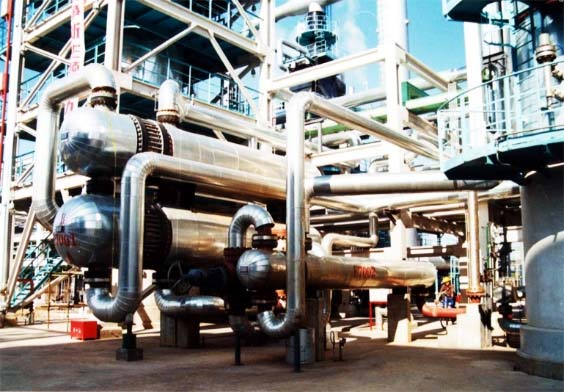
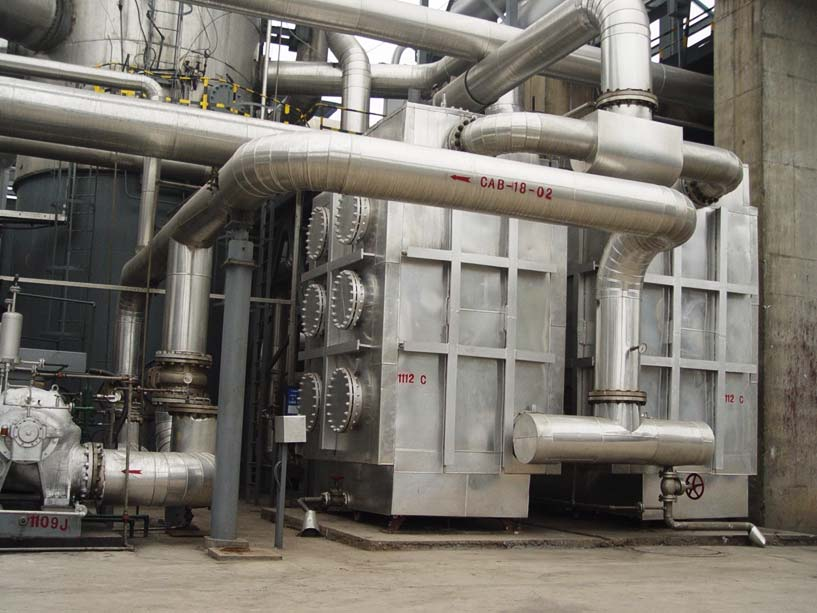
Sourcing commercial heat exchangers at scale requires balancing thermal efficiency with stringent pressure tolerances and material durability. Whether you are importing standardized brazed plate units for residential heat pumps or commissioning custom shell-and-tube systems for industrial chillers, the margin for error is zero. A single pinhole leak or improper braze joint can compromise an entire HVAC system. Securing reliable production means partnering with factories that possess verified vacuum brazing capabilities, precise plate stamping machinery, and rigorous pressure-testing protocols.
Critical Specifications for Bulk Procurement
When negotiating with manufacturers, vague specifications lead to inconsistent thermal performance and premature failure. You must define exact parameters for both the thermal duty and the mechanical construction of the units.
Essential Heat Exchanger Specifications
- Material Grades: Specify exact alloys (e.g., SS316L for standard HVAC, Titanium for marine/chlorinated environments, pure Copper for brazing).
- Pressure Ratings: Clearly define Maximum Allowable Working Pressure (MAWP) and required test pressures (typically 1.3 to 1.5 times MAWP).
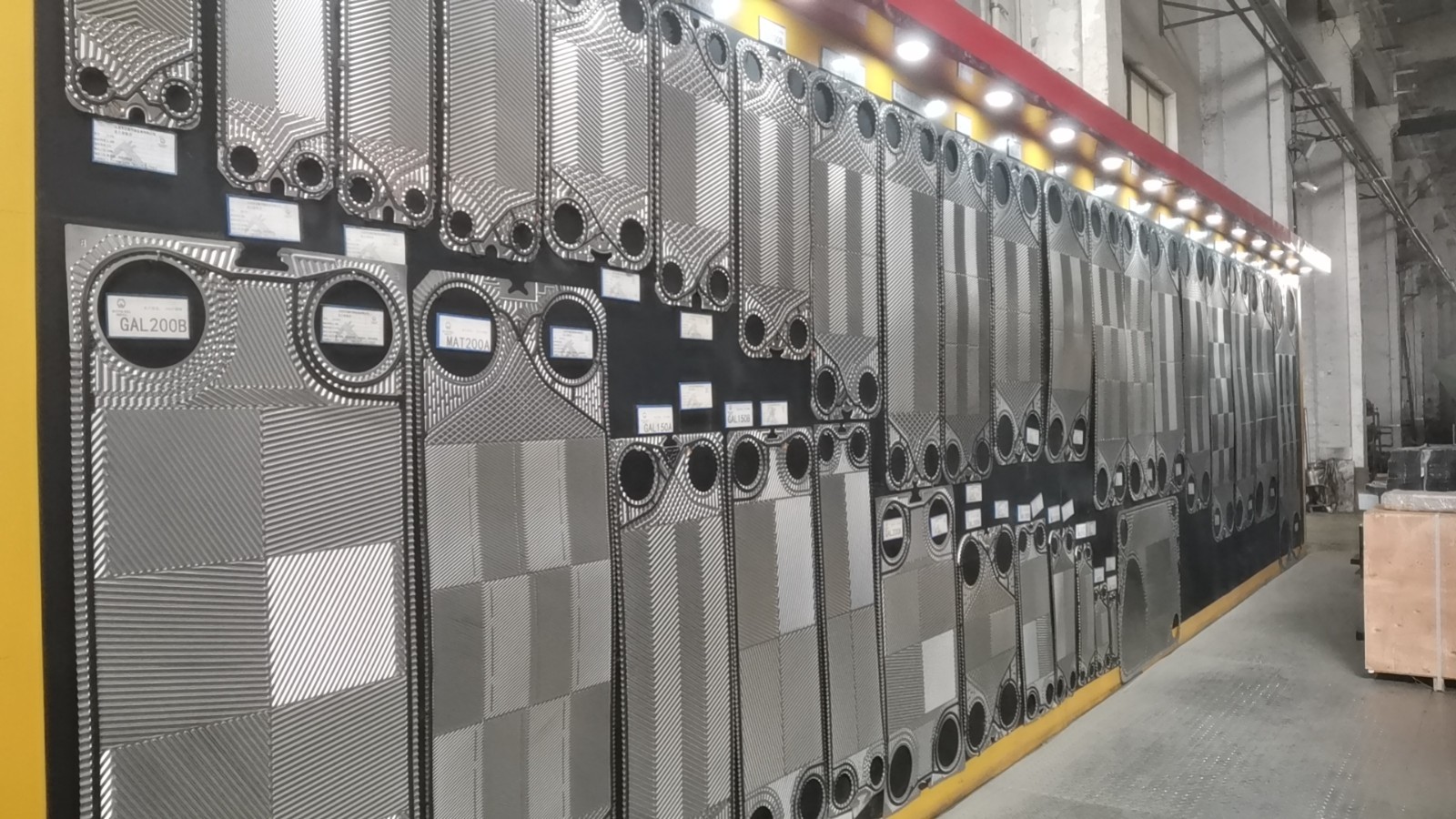
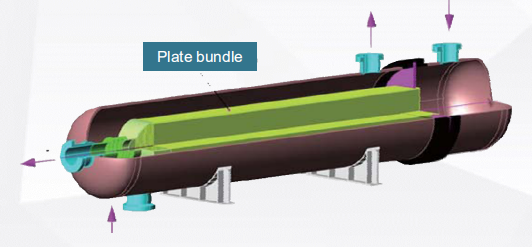
- Plate Geometry: For plate heat exchangers, specify the chevron angle (high-theta for high heat transfer/high pressure drop, low-theta for low resistance).
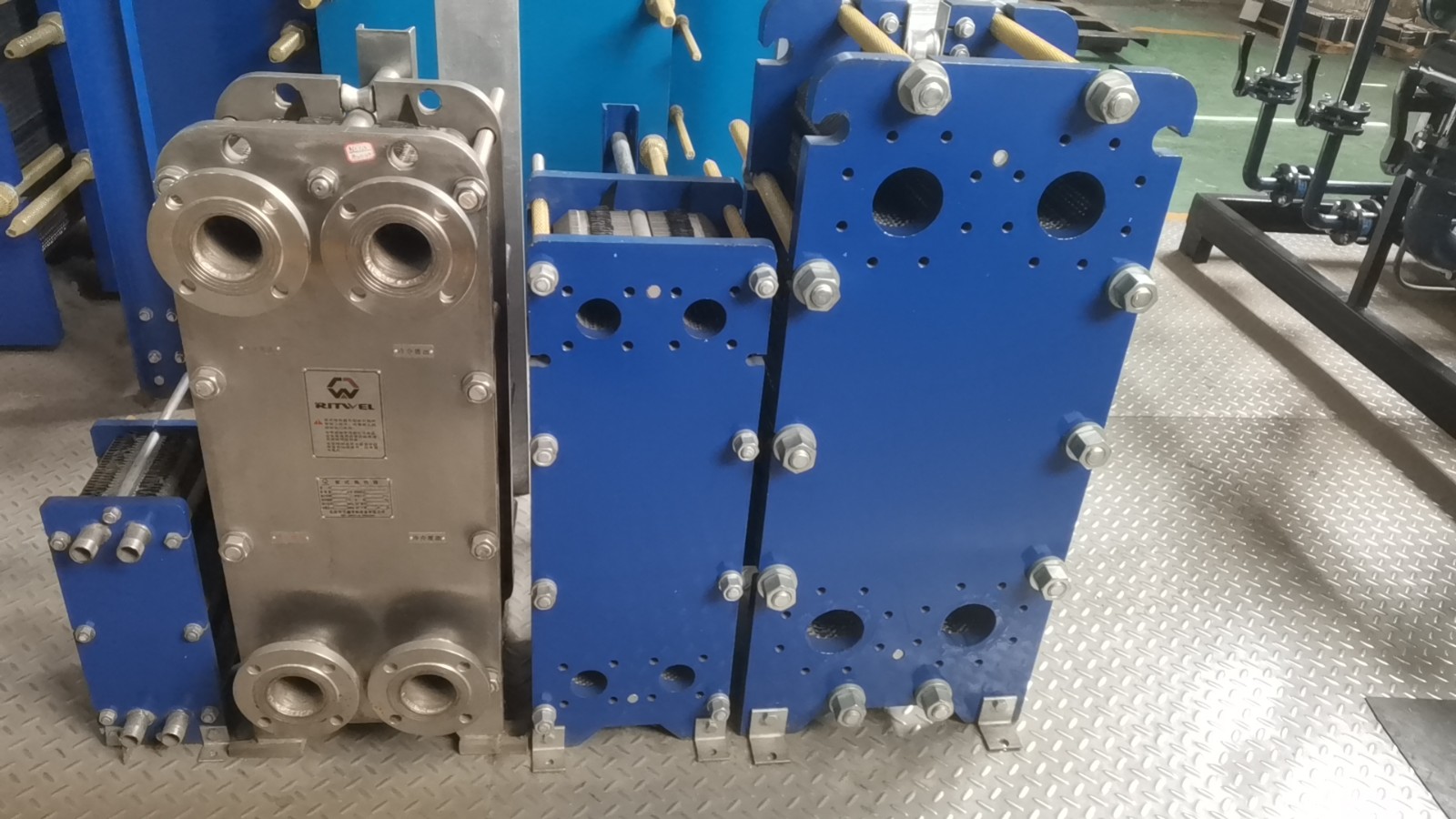
- Port Configuration: Define connection types (threaded, flanged, soldered), sizes, and exact center-to-center dimensions for drop-in replacements.
- Fluid Compatibility: Ensure gasket materials (EPDM, NBR, Viton) or brazing materials (Copper, Nickel) are chemically compatible with the working fluids.
Need help matching your thermal specifications with capable manufacturers? Our engineering sourcing team can evaluate your designs and identify the right production partners.
Discuss your technical requirementsManufacturing Quality and Defect Prevention
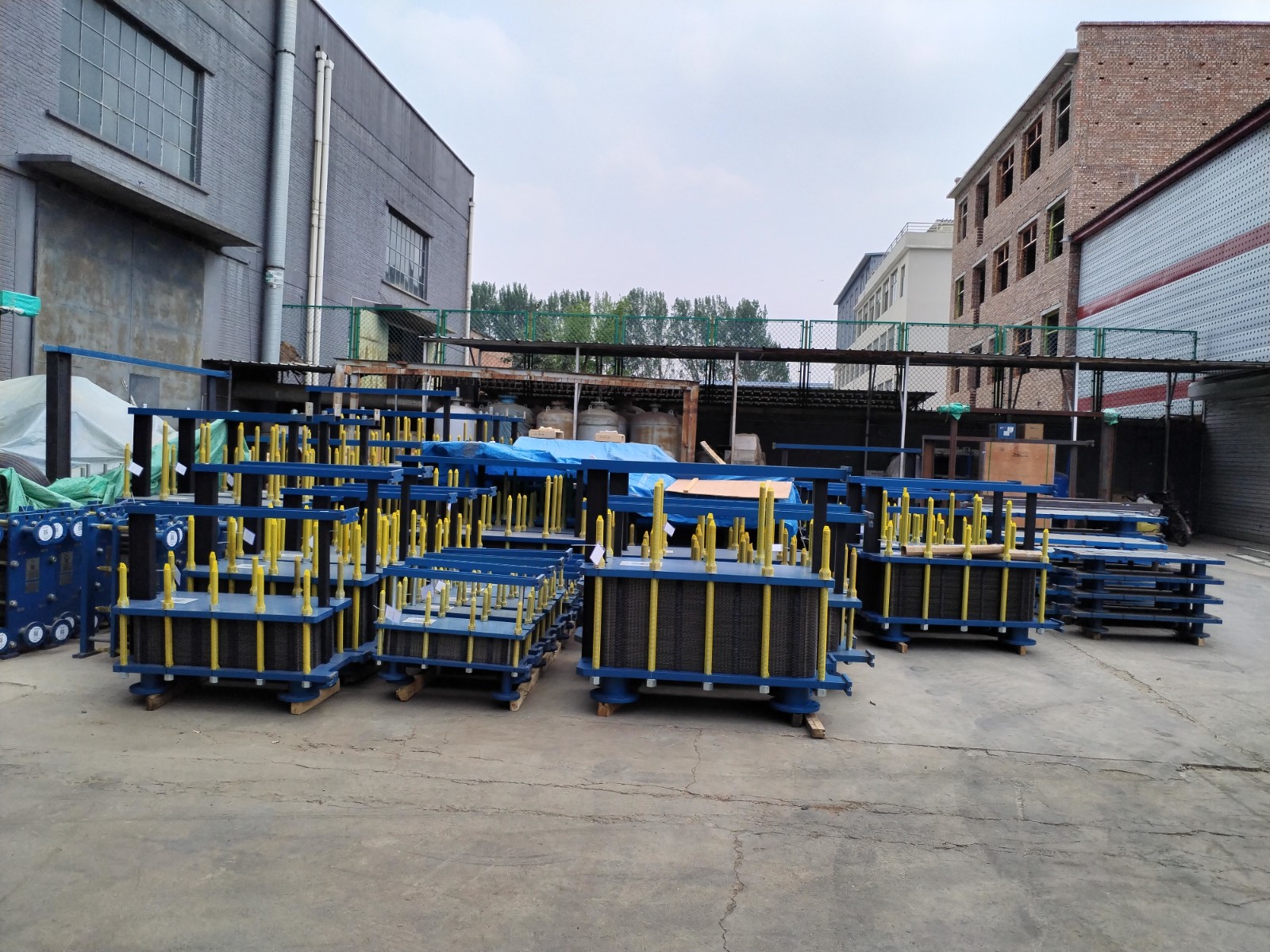
The reliability of a heat exchanger is determined on the factory floor. For brazed plate heat exchangers (BPHEs), the vacuum brazing process must be flawlessly controlled to ensure the copper or nickel filler melts uniformly across every contact point. Poor temperature control leads to weak joints and cross-contamination between fluid channels.
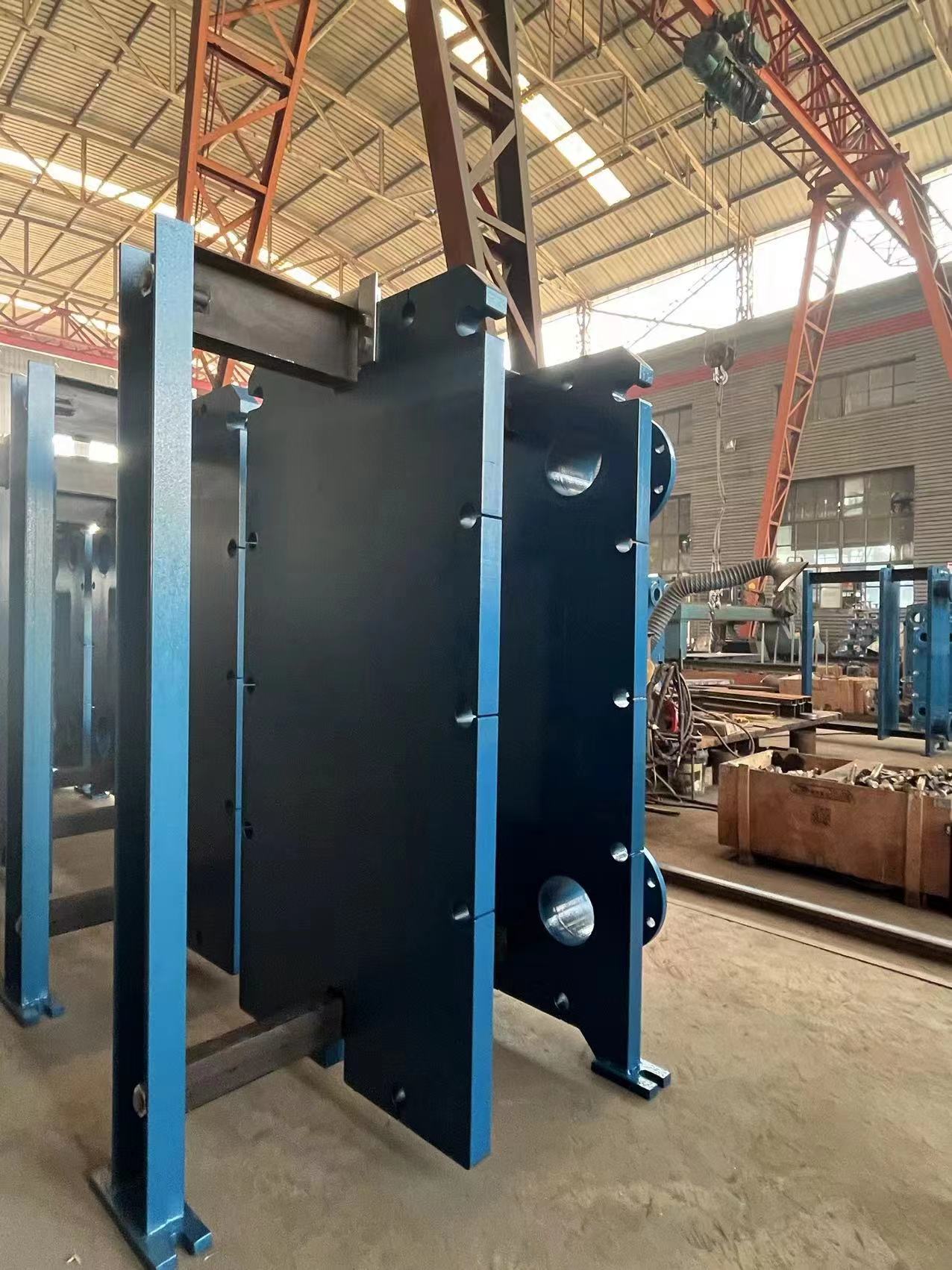
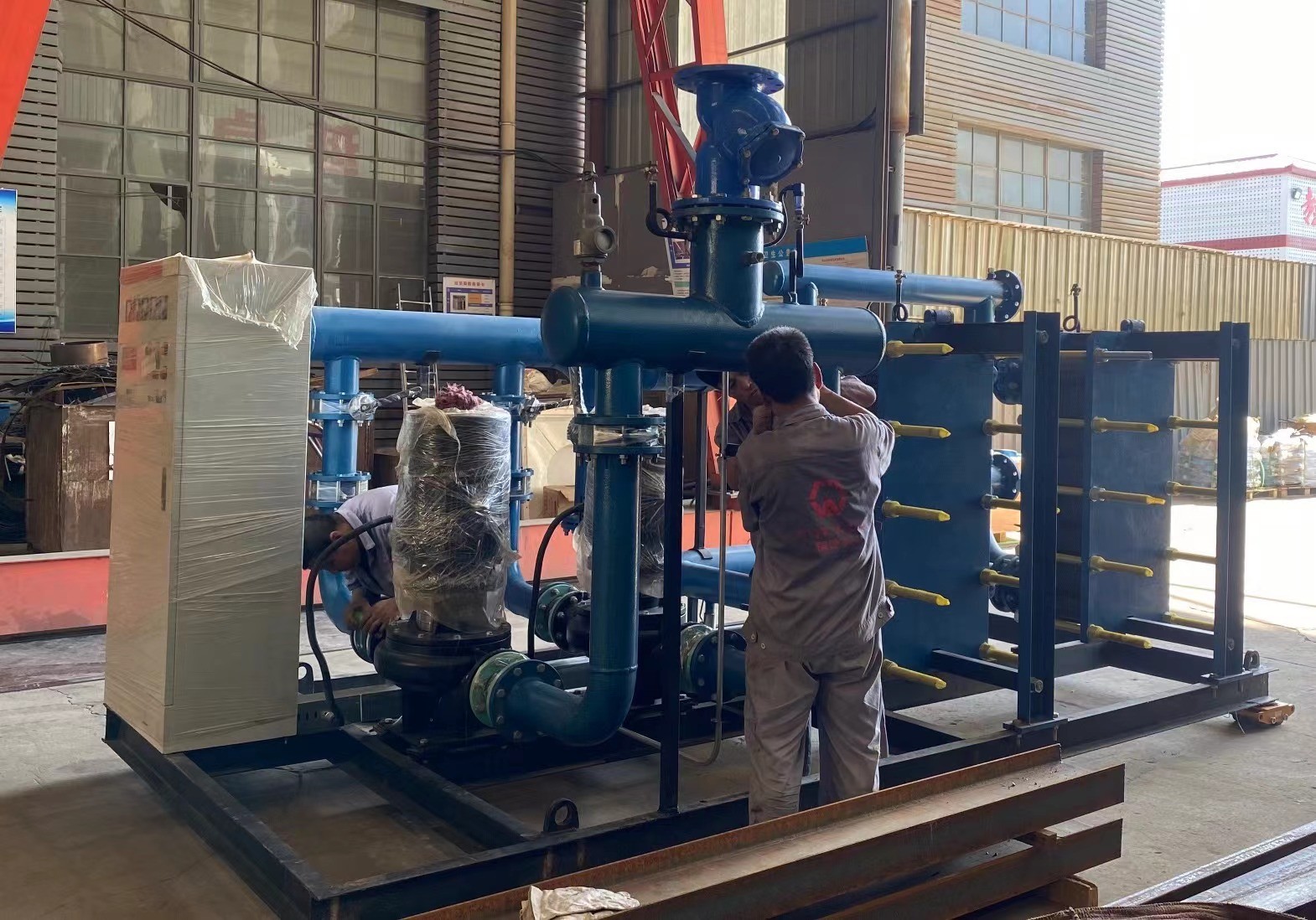
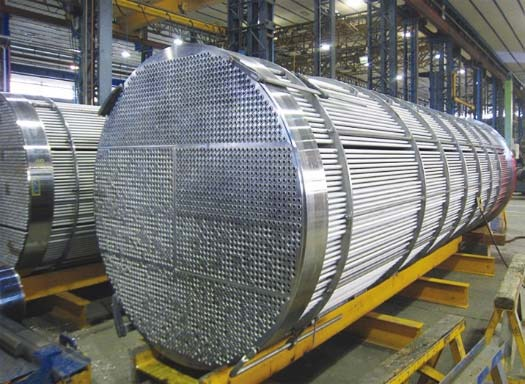
For gasketed or shell-and-tube models, precision stamping and tube-sheet welding are the critical failure points. Assessing a supplier's capability requires looking beyond their marketing materials. Conducting thorough Factory Audits is essential to verify their pressure vessel certifications (such as ASME U-stamp or European PED compliance) and inspect their welding automation.
Standard Factory Testing Protocols
Reputable manufacturers will not ship untested pressure vessels. Ensure your supplier’s standard operating procedure includes the following:
Helium Leak Detection
Units are placed in a vacuum chamber and injected with helium to detect micro-leaks in brazed joints or welds that water testing cannot reveal.
Hydrostatic Pressure Testing
Each unit is filled with water and pressurized to 1.5 times its design pressure for a sustained period to verify structural integrity.
Burst Testing (Batch Level)
Randomly selected units from a production run are pressurized until failure to ensure the ultimate tensile strength meets safety margins.
Implementing independent Quality Control & Inspection before shipment ensures these tests are actually performed and documented for your specific batch, rather than relying on historical factory data.
Customization and OEM Production
Many HVAC brands require proprietary footprints or specific thermal duties that off-the-shelf units cannot provide. Modifying pass configurations, altering baffle spacing in shell-and-tube designs, or stamping custom-branded faceplates requires a manufacturer with strong in-house engineering.
When utilizing OEM/ODM Services, ensure the factory has the tooling capacity to stamp custom plate designs without prohibitive tooling fees. Ownership of the tooling and molds should be clearly defined in your manufacturing agreement to protect your intellectual property.
Pricing, MOQs, and Lead Times
Pricing for heat exchangers fluctuates heavily based on raw material indices (stainless steel, copper, and titanium) and the complexity of the manufacturing process.
Struggling with inconsistent pricing or high defect rates? Let us audit your current supply chain and benchmark pricing from our network of vetted heat exchanger factories.
Get a sourcing assessmentFrequently Asked Questions
Sourcing heat exchangers in bulk is fundamentally an exercise in risk management. Success requires aligning with manufacturers who treat pressure vessel safety and thermal performance with the precision your applications demand. By enforcing strict testing protocols and verifying factory capabilities firsthand, you can secure high-performance thermal solutions that protect your brand's reputation.
Get Sourcing Help for Heat Exchangers
Tell us your requirements and our experts will connect you with verified manufacturers.