Hardness Testers
Source high-accuracy hardness testers in bulk directly from vetted Chinese manufacturers. Designed for importers, distributors, and brands seeking OEM/private-label production, our network delivers reliable benchtop and portable instruments engineered for rigorous industrial quality control.
Sourcing industrial physical measuring instruments requires balancing precision with procurement economics. When importing hardness testers, the primary challenge lies in verifying that a manufacturer's claims regarding load-cell accuracy and indenter durability hold up under continuous industrial use, rather than just passing a one-off factory calibration.
Critical Specifications for Bulk Procurement
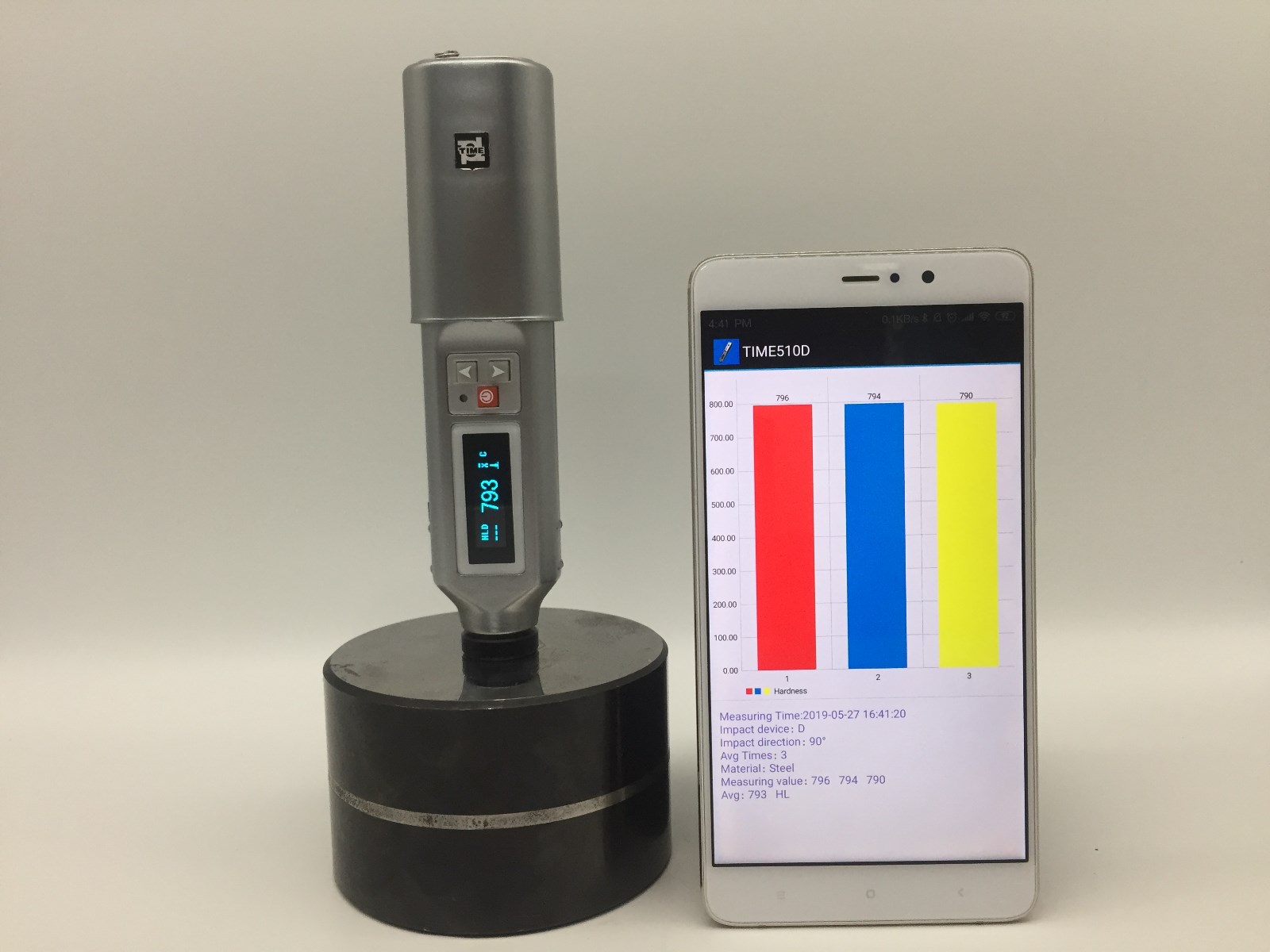
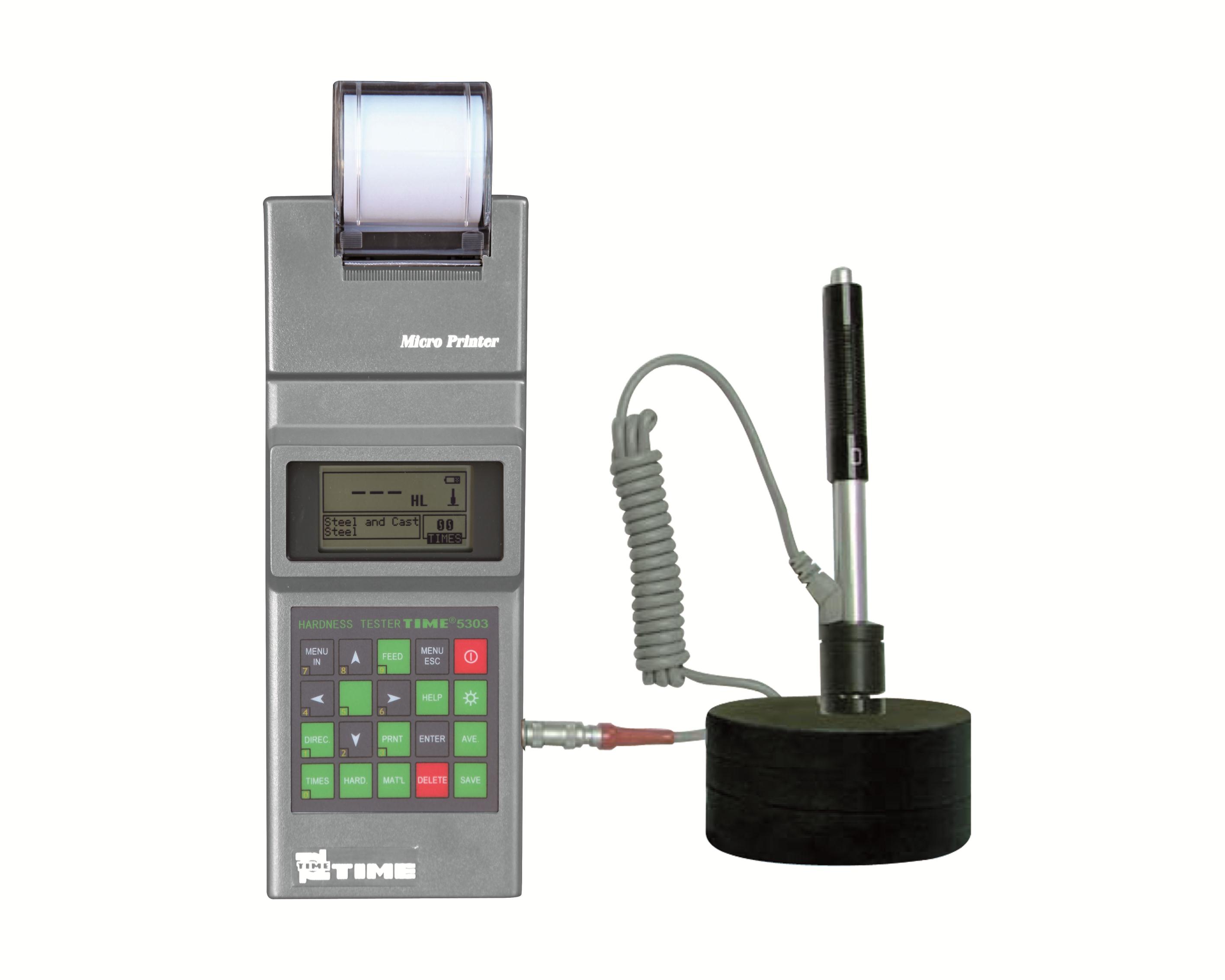
The hardness testing market spans everything from heavy benchtop Rockwell machines to pocket-sized Leeb rebound testers. When negotiating with factories, your specifications must dictate the component quality, as this directly impacts the instrument's repeatability and lifespan.
| Testing Method | Primary Material | Critical Sourcing Spec |
|---|---|---|
| Rockwell | Metals, alloys, hard plastics | Closed-loop load cell accuracy (within 0.5 percent) |
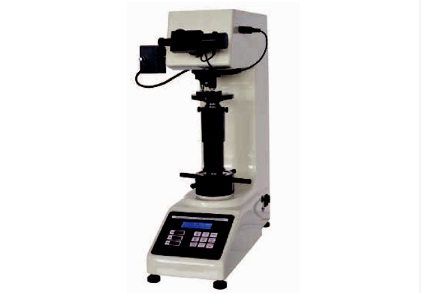
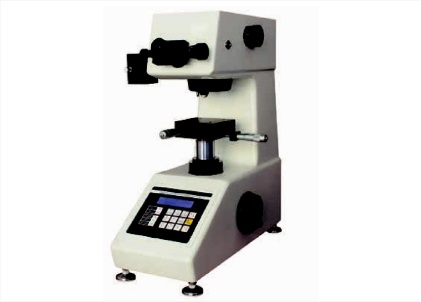
| Vickers | Micro-hardness, thin coatings | Optical resolution, diamond indenter grade |
| Shore (Durometer) | Rubber, soft polymers | Spring force consistency over 10,000+ cycles |
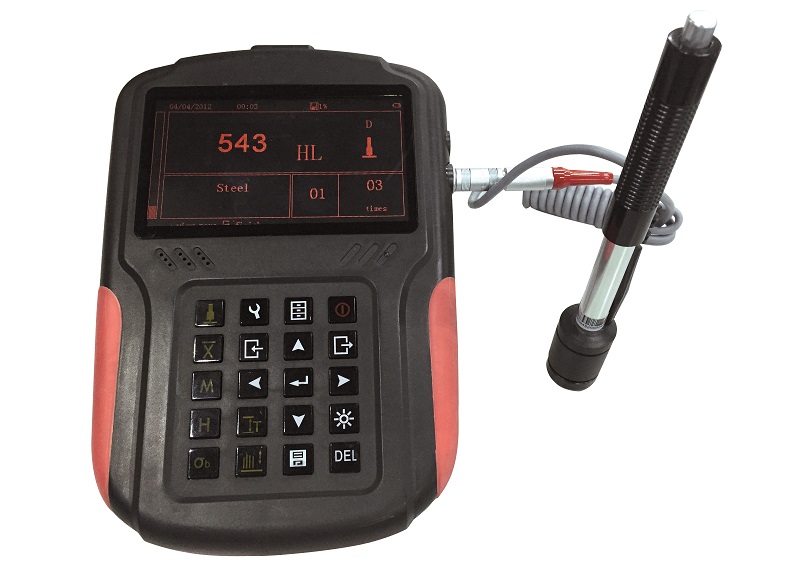
| Leeb (Portable) | Large, heavy workpieces | Impact body durability, rebound sensor precision |
For digital models, the internal processing chip and the quality of the data output interface (RS232, USB, or Bluetooth) are frequent points of failure in lower-tier units. Specify the exact chipset requirements and demand documentation on the sensor's origin—premium factories often import key sensors from Japan or Germany while handling the mechanical assembly locally.
Struggling to verify a supplier's calibration standards? Let us audit their facility and testing protocols.
Talk to our teamManufacturing Quality and Defect Prevention
Not all instrument assemblers maintain the environmental controls necessary to produce precision equipment. Temperature fluctuations and dust in the assembly area can compromise optical systems in Vickers testers or the delicate mechanics of a dial gauge.
When evaluating a factory's production line, pay close attention to their internal calibration processes.
Factory Evaluation Criteria
- Standardized test blocks: Verify they use ISO/ASTM certified test blocks for final calibration.
- Indenter inspection: Ensure 100 percent microscopic inspection of diamond indenters for micro-cracks.
- Aging tests: Digital components should undergo at least 48 hours of burn-in testing to prevent DOA units.
- Mechanical tolerances: Check the machining precision of the lifting screw and anvil to prevent measurement drift.
To mitigate risks before your container leaves the port, implementing rigorous Quality Control & Inspection is essential. Pre-shipment inspections for hardness testers must go beyond visual checks; they require functional verification using calibrated master blocks across the instrument's full measurement range.
OEM/ODM Customization and Software Localization
For brands looking to distribute hardness testers under their own label, the physical casing is only half the equation. Digital interfaces and PC-sync software must be localized for your target market.
Partnering with a factory capable of comprehensive OEM/ODM Services allows you to customize the firmware language, integrate proprietary data-logging features, and modify the external housing to match your brand's industrial design language. Ensure the supplier has an in-house software engineering team, as outsourcing this step often leads to buggy interfaces and poor integration with western operating systems.
Pricing Drivers, MOQs, and Lead Times
Procurement costs in this category are driven heavily by the type of load application (deadweight vs. closed-loop electronic) and the level of automation (manual vs. fully automatic turret).
Navigating the supplier landscape to find manufacturers who actually machine their own components rather than just assembling off-the-shelf parts requires deep market knowledge. Engaging professional Product Sourcing support can help you bypass trading companies and negotiate directly with the source, securing better warranty terms and spare parts availability.
Need to negotiate better terms or consolidate shipments from multiple instrument manufacturers? Our sourcing team can help.
Get a free consultationBuyer FAQ
Securing reliable hardness testers at scale means looking past the spec sheet and scrutinizing the factory's engineering culture and quality management systems. When you partner with experienced sourcing professionals, you ensure that every instrument arriving at your warehouse meets the exacting standards your industrial clients demand.
Get Sourcing Help for Hardness Testers
Tell us your requirements and our experts will connect you with verified manufacturers.