Handheld Vacuums
Source premium handheld vacuums from vetted manufacturers and wholesale suppliers across Asia. Built for importers, appliance distributors, and brands seeking reliable OEM and private-label production, our factory network delivers high-performance, battery-optimized cleaning appliances at scale.
Sourcing handheld vacuums at volume requires balancing motor performance, battery lifespan, and unit cost. As consumer expectations shift toward high-efficiency brushless motors and extended-run lithium-ion battery packs, the technical floor for these appliances has risen significantly. Successfully importing these units means moving beyond basic aesthetic choices and rigorously evaluating a factory's component supply chain, thermal management engineering, and quality assurance protocols.
Engineering and Specifying Handheld Vacuums
The core performance of any handheld vacuum is dictated by the interplay between the motor, the battery pack, and the printed circuit board assembly (PCBA) that governs power delivery. Buyers must specify their requirements clearly, as factories will default to lower-tier components to meet aggressive target prices.
When defining your product, the motor type is the primary cost and performance driver.
| Component / Metric | Brushed Motor (Entry-Level) | Brushless DC / BLDC (Premium) |
|---|---|---|
| Typical Suction | 4,000 to 8,000 Pa | 12,000 to 18,000+ Pa |
| Motor Lifespan | 300 to 500 hours | 1,500+ hours |
| Battery Draw | High (lower efficiency) | Optimized (longer run times) |
| Noise Level | Typically 75dB to 82dB | Usually under 70dB |
Batteries are the second major variable. Most modern units utilize 18650 or 21700 lithium-ion cells. Entry-level models often run on 7.4V or 11.1V systems using generic cells, while premium models utilize 14.8V to 22.2V systems with branded cells (e.g., Samsung, LG, or top-tier domestic Chinese brands). Specifying the exact cell brand and capacity (typically 2000mAh to 4000mAh) is critical to prevent mid-production component swapping.
Evaluating motor suppliers and battery configurations? We help brands vet technical specifications and secure reliable component supply chains.
Get a free consultationManufacturing Quality and Compliance Standards
Handheld vacuums are high-draw electrical devices. Poor manufacturing can lead to overheating, rapid battery degradation, or catastrophic failure. Ensuring your supplier has robust quality control processes on the assembly line is non-negotiable.
Key areas where quality is won or lost on the factory floor include the precision of the plastic injection molding (poor seals cause suction leaks) and the integrity of the battery spot-welding.
Critical Pre-Shipment Inspection Points
- Suction Consistency: Verify Pascal (Pa) or Air Watt (AW) ratings using an anemometer and sealed test chamber.
- Thermal Cutoff Testing: Ensure the PCBA correctly shuts down the motor if internal temperatures exceed safe thresholds.
- Battery Drain & Charge Cycles: Test a sample lot for expected run times on maximum power and verify charge duration.
- Seal Integrity: Check the fitment of the dustbin, HEPA filters, and motor housing for air leaks that degrade performance.
- Drop Testing: Verify the ABS/PC housing can withstand standard 1-meter drop tests without cracking or battery dislodgement.
Regulatory Compliance
Because these devices contain lithium-ion batteries and high-speed motors, they are heavily regulated. Before shipping, you must ensure the product passes rigorous compliance testing. Essential certifications include CE and RoHS for Europe, FCC and UL (or ETL) for North America, and UN38.3 certification, which is legally required for the international freight of lithium-ion batteries.
Wholesale Pricing, Lead Times, and MOQs
The manufacturing hubs for handheld vacuums are heavily concentrated in China's Jiangsu (Suzhou) and Zhejiang (Ningbo) provinces. Understanding the typical procurement mechanics in these regions helps you plan your supply chain.
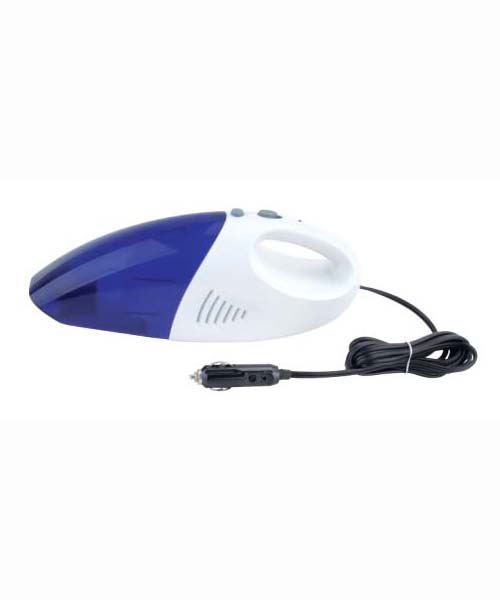
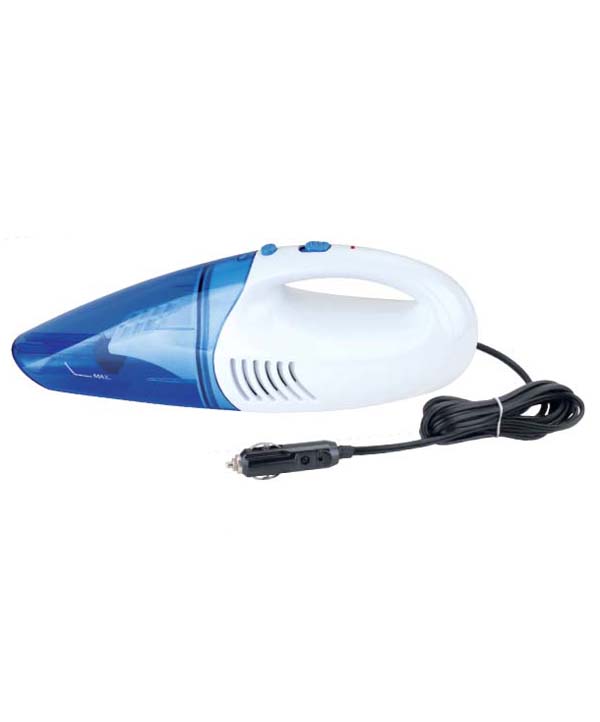
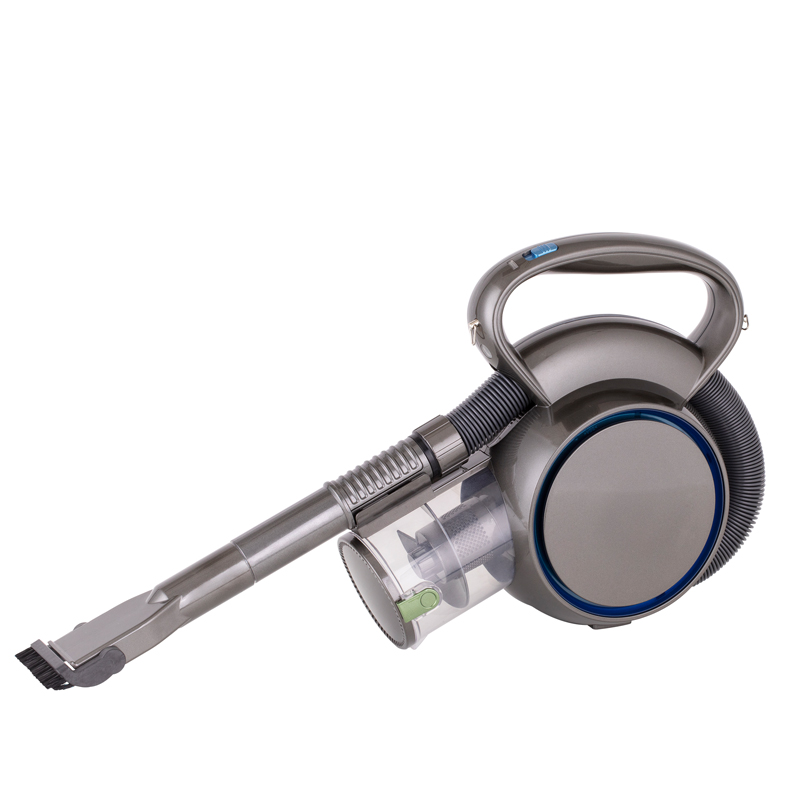
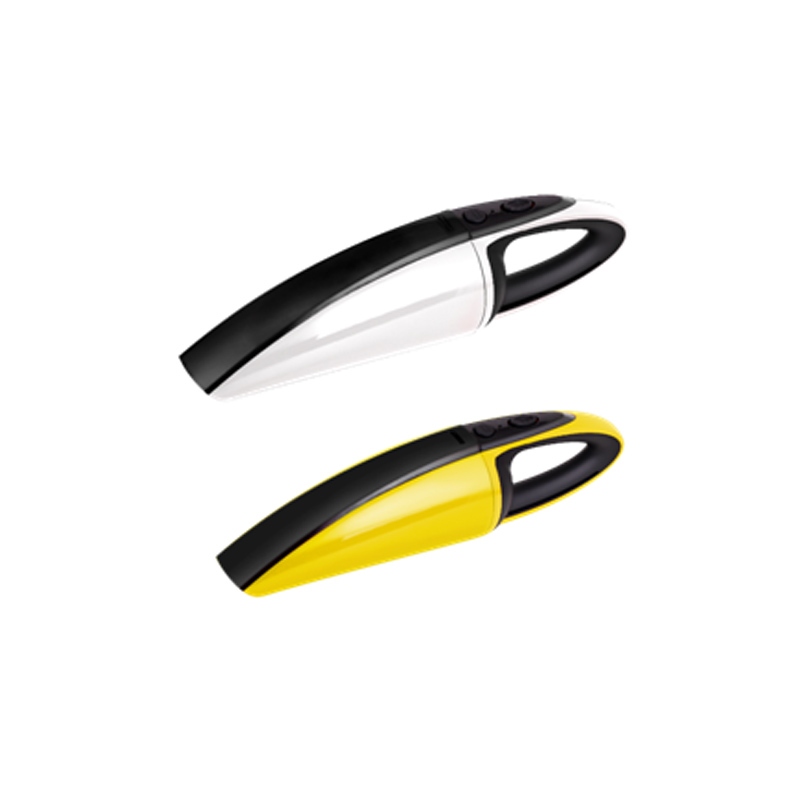
Pricing is highly elastic based on your specifications. A basic brushed-motor unit for automotive use might wholesale for a fraction of the cost of a premium BLDC model designed for home pet hair removal. The cost is primarily driven by the battery pack size, motor type, and the inclusion of motorized brush-head attachments.
Planning a custom vacuum line? We manage the entire process, from factory selection to OEM development and final fulfillment.
Talk to our teamFrequently Asked Questions
Bringing a competitive handheld vacuum to market requires more than selecting an attractive design from a catalog. Success depends on rigorous component specification, strict battery safety compliance, and active oversight on the assembly line. By partnering with capable factories and enforcing high engineering standards, you can build a resilient and profitable product line.
Get Sourcing Help for Handheld Vacuums
Tell us your requirements and our experts will connect you with verified manufacturers.