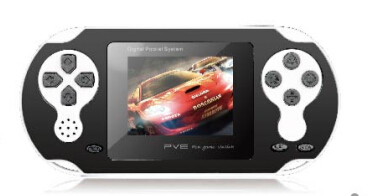
Handheld Game Players
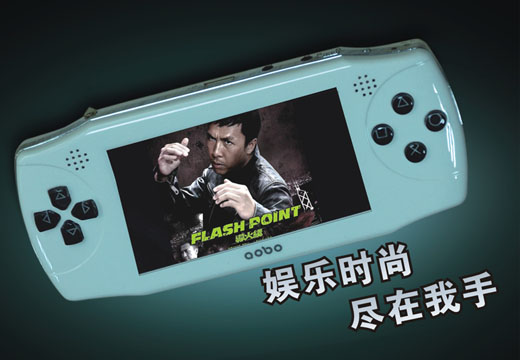
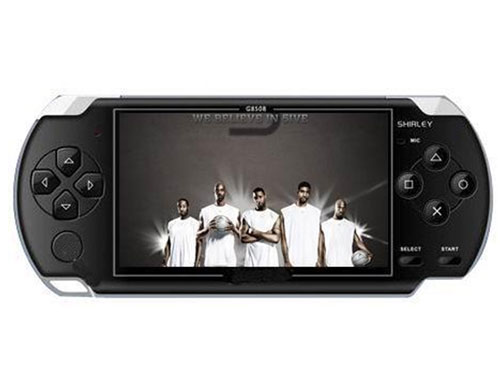
Source bulk handheld game players directly from vetted manufacturers and suppliers in Asia. Designed for importers, distributors, and consumer electronics brands seeking reliable wholesale purchasing or custom OEM/ODM production. Secure competitive pricing and reliable quality for your next hardware rollout.
Sourcing handheld game players requires navigating a highly fragmented supply chain, primarily concentrated in the manufacturing hubs of Shenzhen and Dongguan. The core challenge for volume buyers is not simply finding an assembler, but securing a factory capable of balancing System-on-Chip (SoC) thermal constraints, display lamination quality, and battery safety, all while maintaining strict component consistency across large production runs.
Hardware Specifications That Drive Sourcing Decisions
The Bill of Materials (BOM) for a handheld console dictates both the manufacturing complexity and the final market positioning. When evaluating factory capabilities, buyers must assess the supplier's supply chain maturity for three critical component categories:
- System-on-Chip (SoC) & Memory: Entry-level devices typically utilize widely available ARM-based chips (e.g., Rockchip or Allwinner), which are cost-effective and easy to source. Premium devices require x86 architectures (AMD or Intel) or high-end ARM processors (Snapdragon), demanding advanced PCBA design and stringent thermal management protocols on the assembly line.
- Display Assemblies: The shift from air-gapped screens to fully laminated OCA (Optically Clear Adhesive) displays is a major quality differentiator. Factories must have access to cleanrooms (Class 10,000 or better) to prevent dust ingress during lamination.
- Controls & Input: The tactile response of D-pads and analog sticks is a frequent point of failure. Sourcing reliable ALPS or Hall-effect joysticks, combined with precise silicone membrane shore hardness, is essential for a premium feel.
| Device Tier | Typical SoC Architecture | Display Standard | Primary Sourcing Model |
|---|---|---|---|
| Budget / Retro | Entry-level ARM (e.g., Rockchip) | Non-laminated IPS (3.5 to 4.5 inch) | White-label / Wholesale |
| Mid-Range | Mid-tier ARM or MediaTek | Laminated IPS or standard OLED | Private Label / Minor OEM |
| Premium / PC | x86 (AMD Ryzen / Intel) or flagship ARM | High-refresh OLED or premium IPS | Full Custom OEM/ODM |
Struggling to lock down a reliable PCBA supplier for your custom handheld? We can help vet and secure top-tier manufacturers that meet your technical requirements.
Talk to our teamManufacturing Vulnerabilities and Quality Control
Handheld game players are dense, battery-operated devices that undergo heavy physical use. Poor factory oversight often leads to high defect rates that only appear after the units reach your warehouse.
Implementing rigorous Quality Control & Inspection protocols at the factory level is non-negotiable. Standard AQL (Acceptable Quality Limit) inspections should be supplemented with specific functional tests.
Critical In-Line & Pre-Shipment Checks
- Thermal Throttling: Sustained load testing to ensure the heatsink/fan assembly dissipates heat effectively without degrading SoC performance.
- Display Bleed & Dead Pixels: Dark-room testing for backlight bleed on IPS panels and strict dead-pixel tolerances.
- Button Actuation & Ghosting: Automated or manual testing to ensure membranes register inputs cleanly without double-triggering or ghosting.
- Battery Load & Safety: Verification of lithium-polymer battery capacity and testing of the overcharge/over-discharge protection circuits.
- Shell Tolerances: Checking for creaks, gaps, or flashing on injection-molded plastic or CNC-machined aluminum housings.
Furthermore, importing these devices requires navigating complex regulatory landscapes. Working with a partner who understands Compliance & Testing ensures your shipments aren't seized due to missing CE, FCC, RoHS, or UN38.3 (battery transit) certifications.
MOQs, Lead Times, and Pricing Dynamics
Pricing and Minimum Order Quantities (MOQs) depend heavily on the level of customization. Purchasing existing off-the-shelf designs (white-labeling) offers the lowest barrier to entry, while full custom tooling requires significant upfront investment.
If you are developing a completely new device, engaging OEM/ODM Services early in the process is critical. Custom injection molds for the housing can take 25 to 40 days to cut and refine before mass production can even begin.
Need to negotiate better terms, lower MOQs, or manage complex custom tooling? Let our sourcing experts handle the vendor management.
Get a free consultationBuyer FAQ
Successfully sourcing handheld game players requires balancing aggressive BOM costs with a premium user experience. By tightly controlling component specifications, enforcing strict factory-floor quality standards, and managing the compliance paperwork proactively, you can build a highly profitable hardware supply chain.
Get Sourcing Help for Handheld Game Players
Tell us your requirements and our experts will connect you with verified manufacturers.