Handdle
Source premium bicycle handdle components from vetted suppliers and manufacturers across Asia. Designed for importers, distributors, and cycling brands seeking reliable OEM and private-label production, our network delivers bulk manufacturing of handlebars and grips built to exacting performance and safety standards.
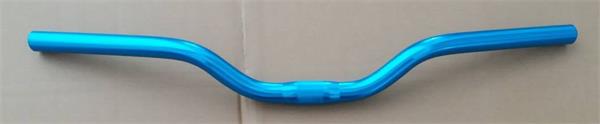
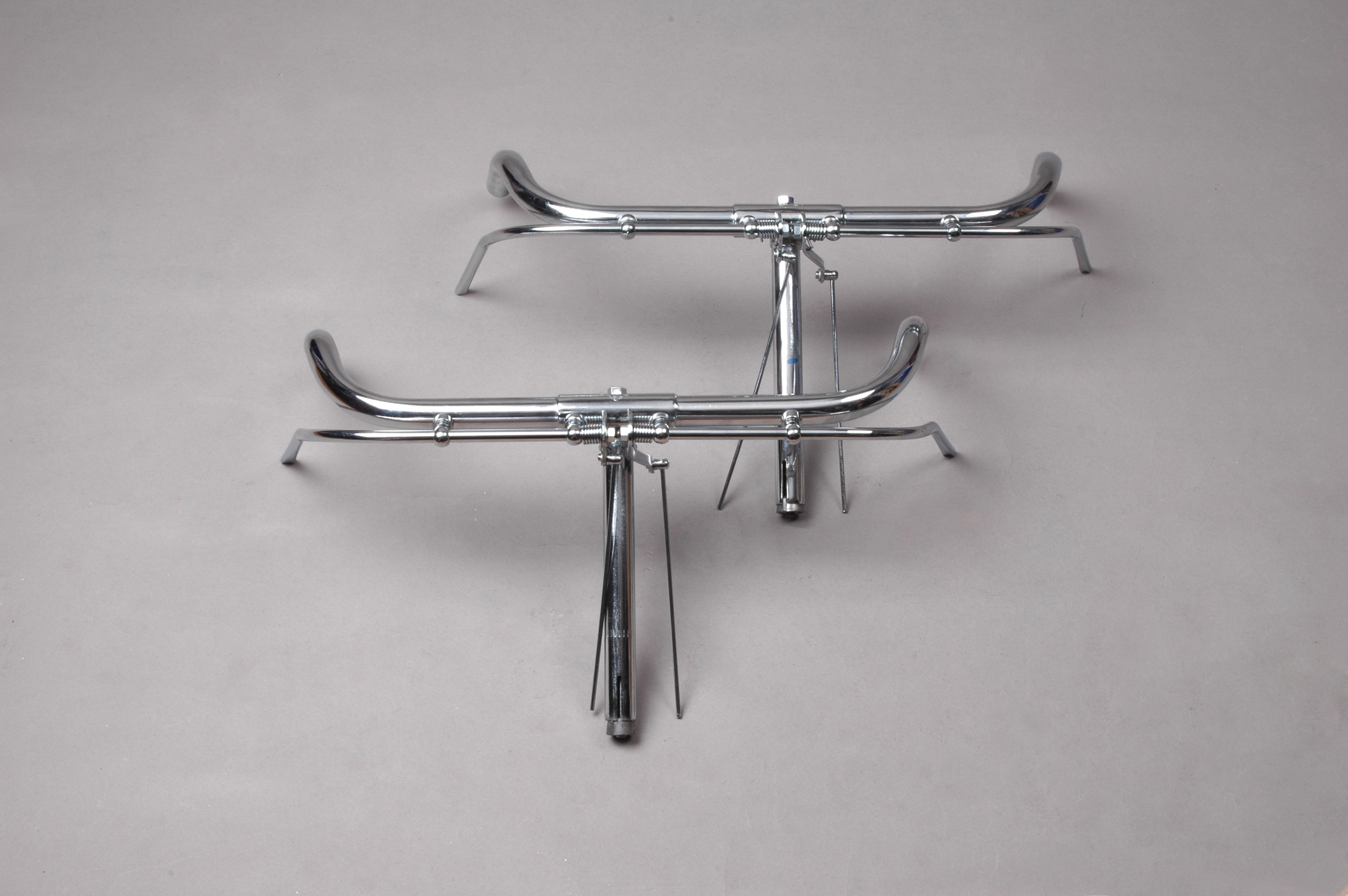
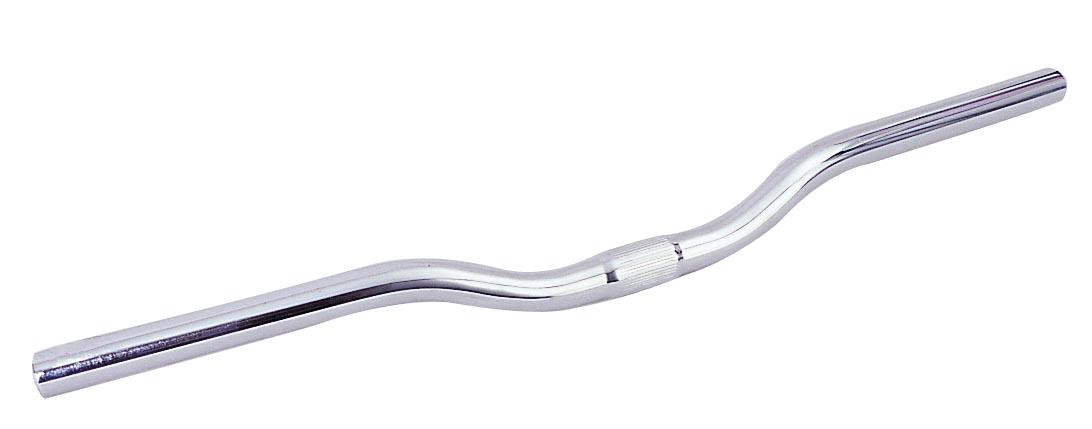
Sourcing bicycle handdle components—encompassing rigid handlebars and tactile grip assemblies—requires a strict balance between strength-to-weight ratios, ergonomic geometry, and non-negotiable safety standards. Whether you are procuring lightweight carbon fiber drops for road cycling, wide alloy risers for mountain biking, or dual-density TPR grips for urban commuters, the factory's material handling and testing capabilities dictate the viability of the final product.
Material Specifications and Selection
The structural integrity of a bicycle handdle depends entirely on the raw material grade and the subsequent thermal or chemical treatments applied during manufacturing. Buyers must specify exact material grades on their purchase orders to avoid unauthorized substitutions.
| Material | Common Application | Key Sourcing Considerations |
|---|---|---|
| Aluminum 6061-T6 | Entry to mid-tier MTB & Road | Requires proper T6 heat treatment post-forming to achieve yield strength. Highly cost-effective. |
| Aluminum 7075-T6 | Premium MTB & Track | Higher tensile strength but more brittle; requires precise butting profiles to prevent stress fractures. |
| Carbon Fiber (T700/T800) | High-end Road, Gravel & MTB | Layup schedule and EPS mandrel use are critical to prevent internal voids and resin pooling. |
| TPR / Kraton Rubber | Flat bar grips | Shore hardness must be specified. Dual-density injection requires more complex, expensive tooling. |
For alloy handdles, the butting process (single, double, or triple) removes internal material where stress is lowest, reducing weight without compromising the clamp or control areas. When vetting suppliers, verify their in-house hydroforming and drawing capabilities. Relying on thorough factory audits ensures the manufacturer actually possesses the specialized machinery required for advanced profile manipulation, rather than outsourcing to unverified sub-tier facilities.
Manufacturing Tolerances and Quality Control
The most critical zone on any rigid handdle is the center clamp area. Standardized stem clamp diameters (typically 25.4mm, 31.8mm, or 35.0mm) demand strict dimensional tolerances. A variance of even 0.1mm can lead to stem slippage or localized crushing forces that cause catastrophic failure under load.
Critical QC Checks for Handdle Production
- Clamp zone dimensional accuracy (micrometer verification to +/- 0.05mm).
- Internal wall thickness consistency via ultrasonic testing (especially for carbon).
- Surface finish adhesion testing (anodizing thickness for alloy, clear coat UV resistance for carbon).
- Grip interface knurling or friction paste application zones.
- Lock-on grip collar torque tolerance testing.
If you are scaling a proprietary design, utilizing professional OEM/ODM services ensures your specific sweep, rise, and flare geometries are accurately translated into production jigs.
Need to verify a supplier's production capabilities and testing standards? Let our engineers handle the vetting process.
Talk to our teamCompliance and Fatigue Testing
Bicycle steering components must comply with international safety standards, most notably ISO 4210. This standard dictates rigorous fatigue and impact testing.
- Out-of-Phase Fatigue Test: The handdle is subjected to over 100,000 cycles of alternating downward forces on each end.
- In-Phase Fatigue Test: Simultaneous downward force applied to both ends.
- Static Strength Test: A single high-load impact to simulate a severe drop or crash.
Factories producing compliant components will have in-house testing rigs. However, buyers should always mandate independent batch testing or utilize strict quality control & inspection protocols before the container is sealed.
Typical MOQs, Tooling, and Lead Times
Volume requirements and production timelines vary significantly based on the material and the level of customization required. Open-mold designs offer lower barriers to entry, while custom geometries require upfront investment in tooling.
For rubber grips, custom dual-density injection molds generally cost between $1,000 and $3,000, depending on the complexity of the core sleeve and the lock-on ring integration.
Struggling to negotiate favorable MOQs or tooling costs with Asian manufacturers? We can manage the sourcing and negotiation process for you.
Get a free consultationFrequently Asked Questions
Securing reliable bicycle handdle components requires looking past the surface finish and understanding the factory's underlying metallurgical, composite, and testing competencies. By systematically verifying compliance and controlling the production process, buyers can safely scale their component lines while protecting their brand's reputation.
Get Sourcing Help for Handdle
Tell us your requirements and our experts will connect you with verified manufacturers.