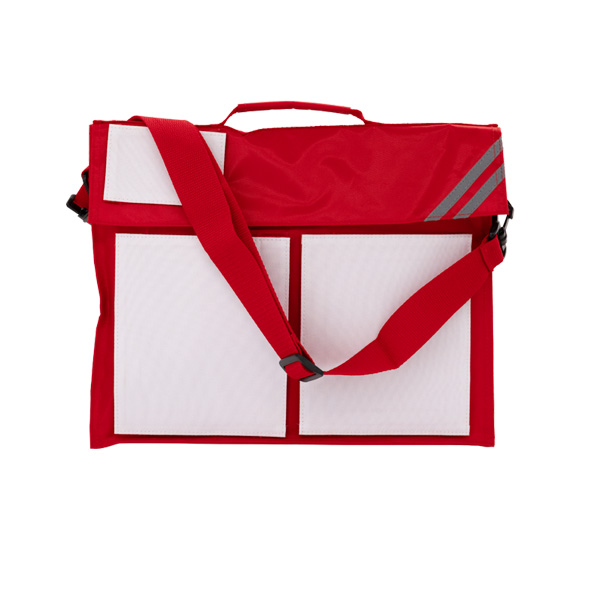
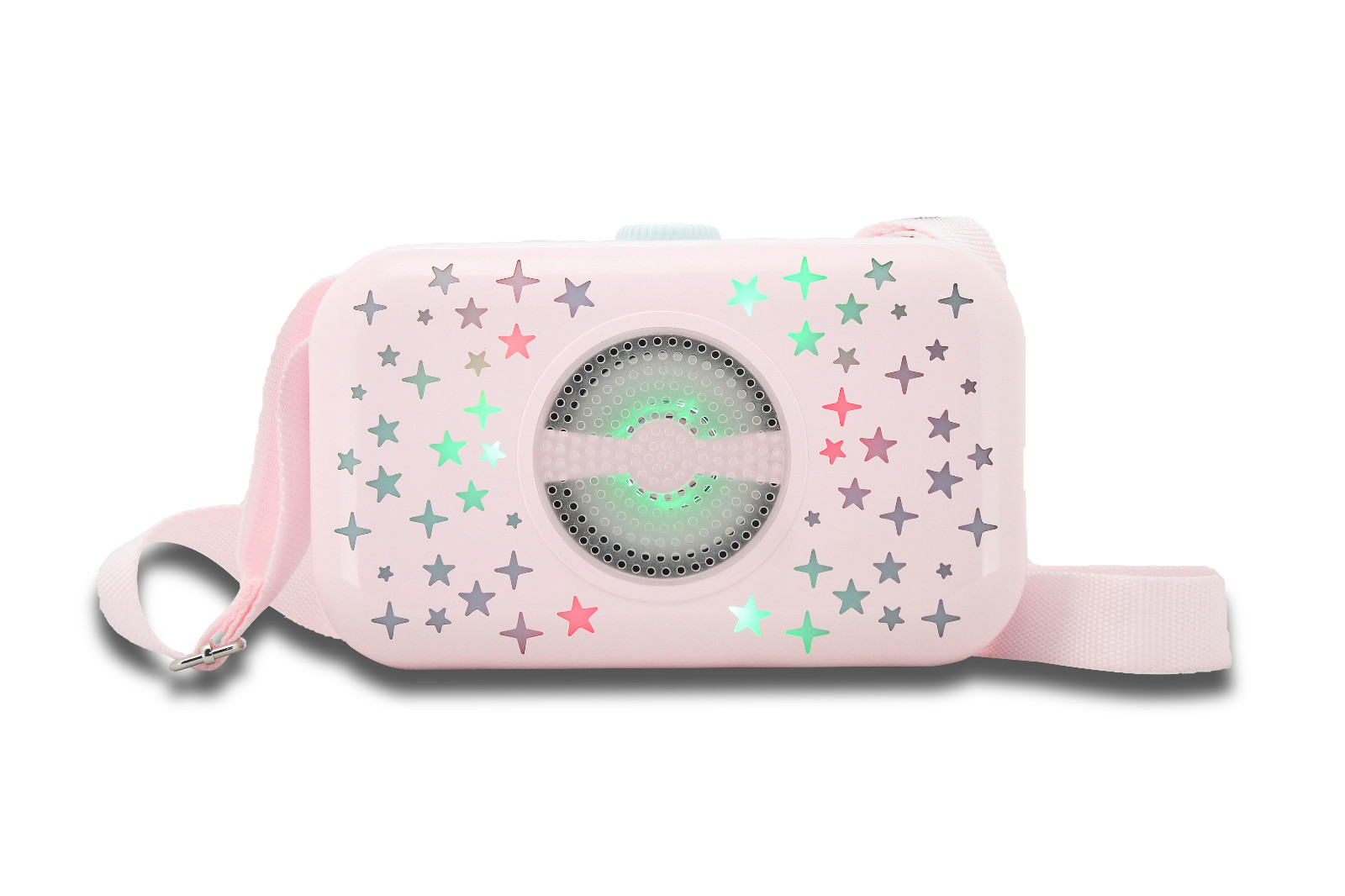
Handbags
Source high-quality handbags in bulk directly from vetted manufacturers. Designed for importers, distributors, and fashion brands looking for reliable OEM and private-label production, our network covers everything from premium leather goods to everyday synthetics. Buy wholesale with confidence.
Sourcing handbags at scale requires strict control over a complex bill of materials. From the primary shell material to the internal lining, reinforcements, structural boards, and customized hardware, a single bag can require sourcing components from over a dozen sub-suppliers before assembly even begins. Managing this fragmented supply chain while maintaining strict tolerances for stitching, edge finishing, and hardware durability is the core challenge of bulk handbag production.
Translating Tech Packs to Production
A successful production run starts with a comprehensive tech pack. Factories need exact specifications to calculate yield and source the right components. If you are leveraging OEM/ODM services to create custom designs, your documentation must leave no room for interpretation.
Material Sourcing & Swatching
The factory sources shell materials, linings, and hardware based on your tech pack, providing physical swatches for approval before sampling.
Paper Pattern & First Prototype
Pattern makers translate 2D designs into paper patterns to test proportions, followed by a first prototype (often in substitute materials) to check the silhouette.
Pre-Production (PP) Sample
A final sample made with the exact bulk materials and hardware. This serves as the golden standard for mass production.
During product development, pay close attention to the internal structure. The choice of EVA foam, salpa (bonded leather), or cardboard dictates the bag's rigidity, weight, and hand-feel.
Material and Hardware Specifications
The shell material dictates not only the price but the manufacturing techniques required. Edge finishing, for example, differs vastly between genuine leather (which requires multiple coats of edge paint and sanding) and folded PU edges.
| Material Type | Durability | Cost Profile | Typical Application |
|---|---|---|---|
| Polyurethane (PU) | Moderate | Low to Medium | Fashion and trend styles |
| Microfiber Leather | High | Medium to High | Premium vegan lines |
| Top-Grain Leather | Very High | High | Luxury and heritage brands |
Hardware is a frequent point of failure. Zippers, D-rings, dog clips, and rivets must be specified by base metal (zinc alloy or brass) and plating method. For markets with strict chemical regulations, ensure your hardware passes heavy metal restrictions (like lead and cadmium limits) through proper compliance testing to meet REACH or California Proposition 65 standards.
Struggling to find factories that meet strict material and hardware compliance standards? Let our sourcing experts connect you with vetted manufacturers.
Discuss your projectManufacturing Quality Control
Handbag assembly is highly labor-intensive. Quality is won or lost on the sewing floor. Stitching must be consistent—typically 8 to 9 stitches per inch (SPI) for standard bags, and up to 12 SPI for luxury items.
Implement strict quality control protocols, focusing on both in-line and pre-shipment inspections.
Critical Handbag QC Checks
- Stitch consistency: Check for dropped stitches, thread tension, and straight alignment, especially on curves and handles.
- Edge painting: Ensure smooth, un-cracked edges with no peeling or stickiness (a common issue in high humidity).
- Hardware plating: Conduct salt spray tests to verify resistance to tarnishing and corrosion.
- Symmetry and alignment: Verify that handles are perfectly symmetrical and hardware is centered.
- Lining fit: The lining should sit flush without bagging, twisting, or pulling the outer shell.
Pricing Drivers, MOQs, and Lead Times
Pricing in handbag manufacturing is driven by material yield (leather has high wastage due to natural flaws, whereas PU is cut from a uniform roll), hardware customization, and labor minutes per unit. Custom hardware molds require upfront tooling fees and increase lead times.
Hardware Minimums
While bag MOQs might be 300 units, custom branded hardware (like logo plates or custom zipper pulls) often requires MOQs of 1,000 to 3,000 pieces from the hardware sub-supplier. The excess is usually held in stock for future orders.
Need realistic cost modeling and production timelines for your next handbag collection? We manage the entire process from sampling to final delivery.
Talk to our teamFrequently Asked Questions
Navigating the handbag supply chain requires balancing design ambition with manufacturing realities. By defining your bill of materials meticulously and enforcing strict quality standards at the component level, you can mitigate the most common production risks before assembly begins.
Get Sourcing Help for Handbags
Tell us your requirements and our experts will connect you with verified manufacturers.