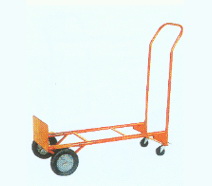
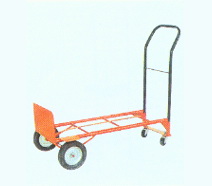
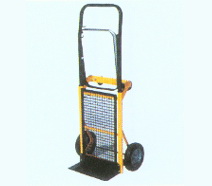
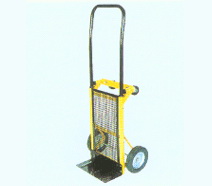
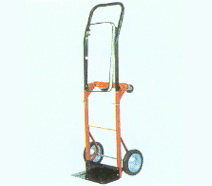
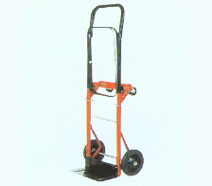
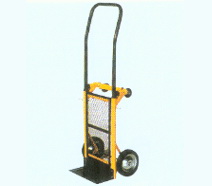
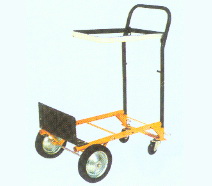
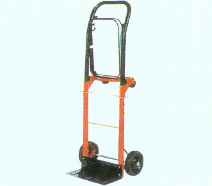
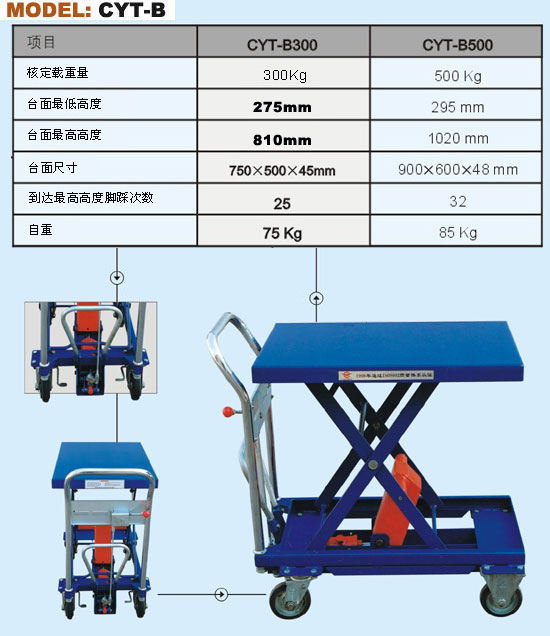
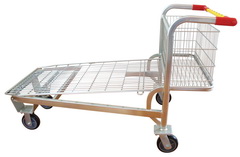
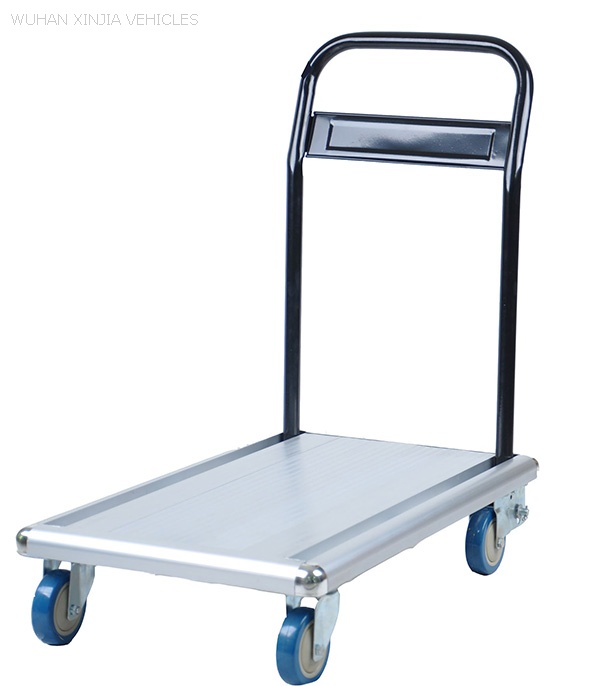
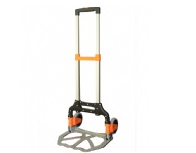
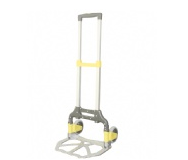
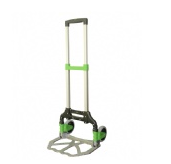
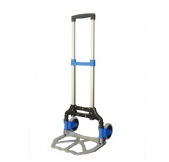
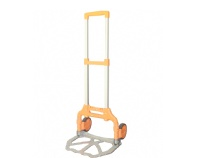
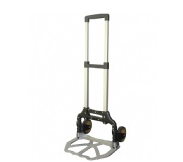
Hand Carts & Trolleys
Source Hand Carts & Trolleys directly from vetted manufacturers and suppliers. Designed for importers, industrial distributors, and brands seeking reliable wholesale or OEM production. Secure competitive pricing and reliable quality control for your high-volume material handling equipment supply chain.
Sourcing hand carts and trolleys at scale requires balancing load capacity, structural integrity, and unit cost. The difference between a cart that survives years of industrial warehouse use and one that buckles under its first payload comes down to material gauge, weld penetration, and caster quality. For high-volume buyers, navigating the Asian manufacturing landscape means looking past surface aesthetics to verify the engineering standards of the factory floor.
Core Specifications: Materials and Structural Integrity
The structural foundation of any hand cart dictates its true load rating and longevity. Most industrial suppliers utilize Q235 or Q345 carbon steel for heavy-duty frames, while lightweight or folding models rely on 6000-series aluminum alloys or high-density structural plastics (like reinforced PP).
When negotiating with manufacturers, you must specify the exact tube wall thickness. A supplier quoting an aggressively low price is often reducing the steel tube thickness from an industrial standard 1.5mm down to 1.0mm or 0.8mm, which compromises the cart's dynamic load capacity.
The Critical Role of Casters
Casters represent a significant portion of a trolley's BOM (Bill of Materials) cost and are the most common point of failure. Specifying the correct wheel material and bearing type is essential for your target market.
| Caster Material | Key Characteristics | Ideal Application Environment |
|---|---|---|
| Polyurethane (PU) | High load capacity, wear-resistant | Industrial concrete, warehouses |
| Thermoplastic Rubber (TPR) | Quiet rolling, non-marking | Hospitals, offices, retail floors |
| Nylon | Low rolling resistance, chemical resistant | Wet areas, chemical plants |
Manufacturing Variances and Defect Prevention
Quality control in material handling equipment is won or lost in the welding and surface treatment phases. Manual welding is still common in lower-tier factories, leading to inconsistent weld penetration and eventual structural failure under stress. Tier-one manufacturers utilize robotic welding for consistent, full-penetration joints.
Surface treatment is equally critical. Powder coating must be applied evenly to prevent rust, especially for carts destined for outdoor or humid environments. Implementing strict Quality Control & Inspection protocols before shipment ensures these hidden defects do not reach your warehouse.
Critical Pre-Shipment Inspection Points
- Weld integrity: Check for porosity, cold welds, or excessive spatter.
- Powder coating thickness: Verify a minimum of 60-80 microns using a gauge.
- Caster alignment: Ensure all four wheels touch a flat surface simultaneously to prevent wobble.
- Dynamic load testing: Roll the cart over a standard obstacle course at 100 percent rated capacity.
- Folding mechanism: Cycle test hinges and release bars for smooth operation without binding.
Struggling with inconsistent weld quality or failing casters? Let our on-the-ground team manage your production oversight and factory vetting.
Talk to our teamOEM Customization and Private Labeling
For brands looking to differentiate, modifying off-the-shelf designs or developing proprietary carts is highly feasible. Customizing platform dimensions, integrating specialized handles, or molding custom plastic decks with your brand's logo requires working with suppliers capable of robust OEM/ODM Services.
Keep in mind that while changing paint colors or adding a branded sticker requires zero tooling investment, developing a proprietary plastic deck requires commissioning a new injection mold, which will increase your upfront costs and lead times.
Pricing Dynamics, MOQs, and Lead Times
Pricing in this category is highly sensitive to raw material costs (steel, aluminum, petroleum for plastics) and currency fluctuations.
When assessing a new supplier's quoted price, it is vital to conduct thorough Factory Audits to ensure they actually possess the stamping, welding, and assembly capabilities they claim, rather than simply outsourcing production to a network of sub-tier workshops.
Need to consolidate shipments from multiple material handling equipment factories? We can optimize your supply chain and negotiate better terms.
Get a free consultationFrequently Asked Questions
Sourcing reliable hand carts and trolleys requires vigilance over material specifications and manufacturing tolerances. By enforcing strict quality standards at the factory level, you protect your brand's reputation and your bottom line. If you need experienced boots on the ground to manage your material handling procurement, our team is ready to step in.
Get Sourcing Help for Hand Carts & Trolleys
Tell us your requirements and our experts will connect you with verified manufacturers.