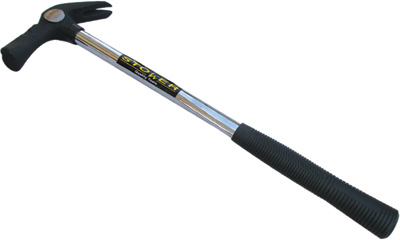
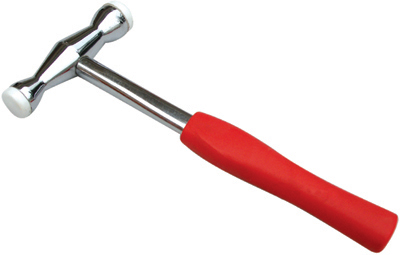
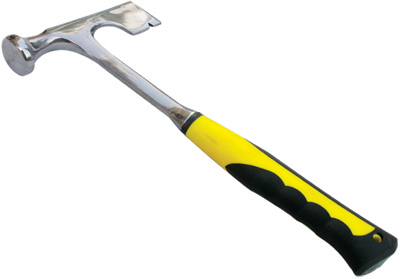
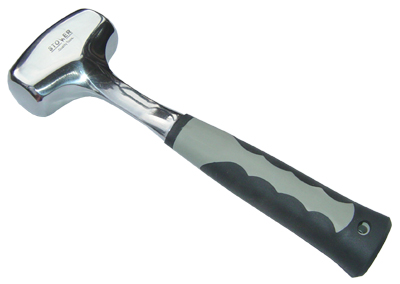
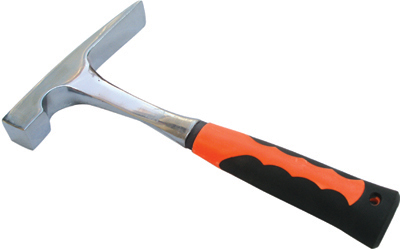
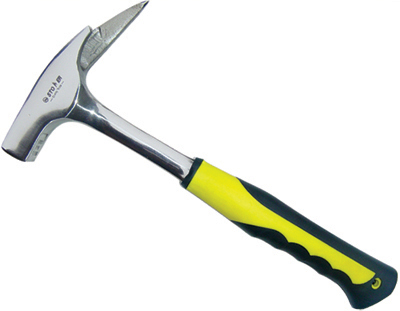
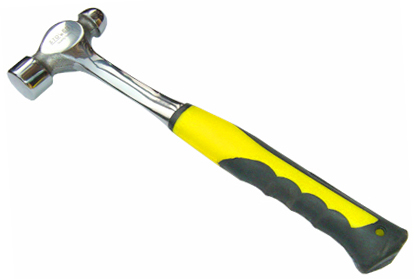
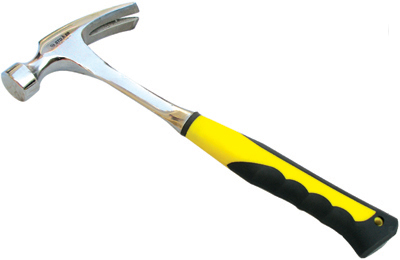
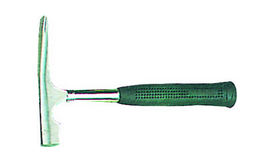
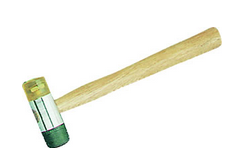
Hammers
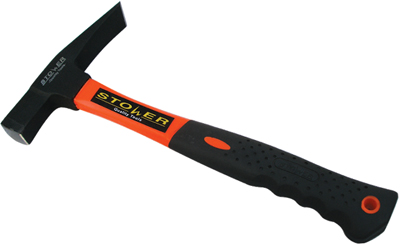
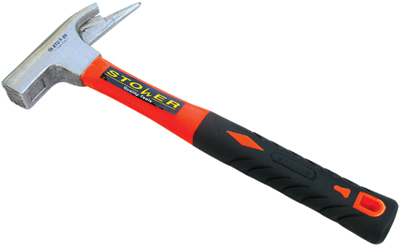
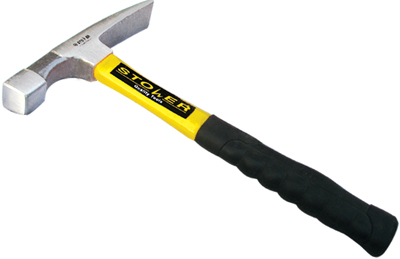
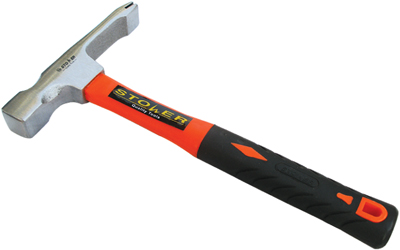
Source premium wholesale hammers directly from vetted manufacturers and suppliers. Designed for importers, hardware distributors, and brands seeking reliable OEM and private-label production, our network delivers high-volume hand tools built to exact metallurgical and structural specifications.
Sourcing hammers at scale requires strict attention to metallurgy, heat treatment, and assembly integrity. A poorly tempered striking face will chip under impact, while a substandard epoxy bond between the head and handle creates severe safety liabilities. When buying in bulk, verifying a factory's forging capabilities and quality management systems is critical to ensuring consistent performance across thousands of units.
Core Specifications and Manufacturing Processes
The durability of a hammer depends entirely on the steel grade and the precision of the heat treatment process. Most commercial and professional-grade hammers utilize drop-forged carbon steel, but the specific carbon content and tempering process dictate the tool's lifecycle.
| Material Grade | Typical Application | Performance Characteristics |
|---|---|---|
| Carbon Steel 45# | Budget / DIY retail | Adequate hardness, lower cost, prone to wear over heavy use |
| High Carbon Steel (55# / 65#) | Professional / Trade use | Excellent durability, holds temper well, resists chipping |
| Alloy Steel (Cr-V or Ni-Cr) | Specialty / Premium industrial | Superior impact resistance and anti-corrosion properties |
Heat Treatment and Hardness (HRC)
A hammer head must not be uniformly hard. The striking face and the peen (or claw) require high hardness to prevent mushrooming, typically targeted between 50 and 58 HRC. However, the eye of the hammer (where the handle is inserted) must remain softer (around 30 to 35 HRC) to absorb shock and prevent the head from shattering upon impact.
Need to secure reliable production lines for your hand tool brand? We help buyers navigate factory selection and technical specifications.
Talk to our teamQuality Control and Assembly Standards
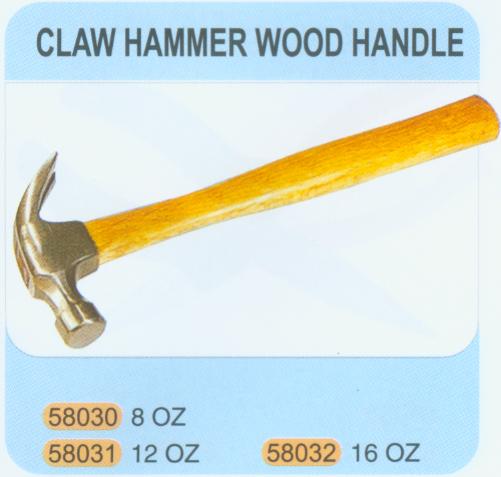
The most critical failure point in any hammer is the head-to-handle connection. For wood and fiberglass handles, manufacturers use a combination of wooden/metal wedges and industrial epoxy resins.
When establishing your quality control & inspection protocols, mandate strict pull-off testing. Depending on the standard (such as ASME B107 or DIN 1041), the force required to separate the head from the handle should significantly exceed normal operational stress, often requiring a pull force greater than 10,000 Newtons.
Key Pre-Shipment Inspection Points
- Hardness testing (HRC) on the striking face, claw, and eye.
- Pull-off force testing to verify epoxy and wedge integrity.
- Visual inspection of the striking face for precise chamfering (prevents edge chipping).
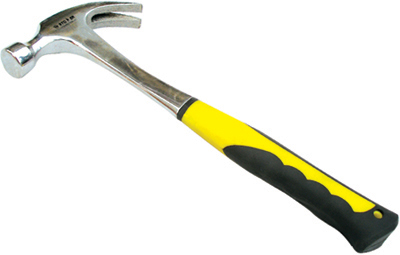
- Ergonomic and adhesion checks on TPR (Thermoplastic Rubber) grips.
Customization and OEM Production
For brands looking to differentiate their product lines, OEM/ODM services allow for extensive customization. While standard drop-forging molds exist for common head weights (e.g., 16 oz, 20 oz), creating a proprietary head design requires custom tooling. Furthermore, the TPR grips on fiberglass or steel handles can be custom-injected to match brand colors, incorporate logos, or feature proprietary ergonomic textures.
MOQs, Pricing, and Lead Times
Wholesale pricing for hammers is heavily influenced by the weight of the steel head, the handle material (hickory vs. fiberglass vs. solid steel), and the complexity of the grip injection.
Before committing to a large order, conducting thorough factory audits is highly recommended to verify the supplier's in-house drop-forging and heat-treatment equipment, ensuring they are not simply assembling components bought from sub-tier workshops.
Ready to optimize your hand tool supply chain? Let us handle supplier vetting, price negotiation, and quality assurance.
Get a free consultationFrequently Asked Questions
Sourcing reliable hand tools requires a deep understanding of metallurgy and assembly mechanics. By partnering with experienced sourcing professionals, you can ensure your products meet stringent safety standards while maintaining competitive wholesale margins.
Get Sourcing Help for Hammers
Tell us your requirements and our experts will connect you with verified manufacturers.