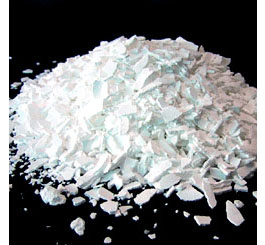
Gypsum Powder
Source high-purity Gypsum Powder from vetted suppliers and manufacturers across Asia. Designed for importers, building material wholesalers, and brands requiring private-label production, our network delivers consistent quality for construction and industrial applications at competitive wholesale volumes.
Sourcing gypsum powder at scale requires strict control over factory calcination parameters and raw material purity. Because gypsum is highly sensitive to moisture and processing temperatures, a fractional deviation in moisture content or mesh size can drastically alter setting times and mechanical strength on the job site. For volume buyers, securing a reliable supply means looking past the quoted price per ton and verifying the manufacturer's quality management systems.
Specifying Gypsum Powder for Bulk Import
Gypsum (calcium sulfate dihydrate) must be properly calcined to become the reactive hemihydrate powder used in construction, molding, and agriculture. When negotiating with factories, your technical specifications must be exact. "Construction grade" is too vague; you must define the physical and chemical parameters.
The two primary classifications you will encounter are Alpha and Beta hemihydrate. Beta gypsum is calcined in open kettles or rotary kilns and is standard for wall paneling, joint compounds, and general construction. Alpha gypsum is calcined under pressure, resulting in a denser, higher-strength product required for industrial tooling, dental applications, and premium architectural moldings.
Struggling to find a supplier that consistently meets your technical specifications?
Talk to our teamManufacturing Variables and Quality Control
The primary failure point in gypsum production is the calcination process. If the temperature is too low, the powder retains uncalcined dihydrate, which acts as an unwanted accelerant. If the temperature is too high, it creates "dead-burned" anhydrite, which will not set properly.
Verifying factory capability before placing a volume order is essential. Conducting thorough Factory Audits ensures the supplier utilizes modern continuous calcination equipment with automated temperature controls rather than outdated, manual batch kilns.
To prevent defective batches from leaving the facility, implement a strict pre-shipment testing protocol. Partnering with a team for Quality Control & Inspection allows you to verify the following parameters at the factory:
Essential Gypsum QC Checkpoints
- Calcium Sulfate Hemihydrate purity (typically over 80% for standard grades)
- Particle size distribution via sieve analysis
- Initial and final setting times (tested at standard water-to-plaster ratios)
- Flexural and compressive strength of the cured cast
- Moisture content of the dry powder (must be under 2% to prevent premature setting)
Packaging, Logistics, and Private Labeling
Moisture is the enemy of calcined gypsum. Bulk powder is traditionally packed in 25kg or 50kg PP (polypropylene) woven bags equipped with thick PE (polyethylene) inner liners to block humidity during ocean transit. For large-scale industrial buyers, 1-ton jumbo bags with bottom discharge spouts are standard.
For wholesalers and brands distributing directly to contractors, retail-ready packaging is required. Leveraging OEM/ODM Services allows you to import market-ready products with custom-printed valve bags, ensuring your branding is applied accurately at the source while maintaining the necessary moisture barriers.
MOQs, Pricing, and Lead Times
Gypsum powder is a high-volume, heavy commodity. Because the material cost is relatively low, inland freight and ocean shipping heavily influence your final landed cost.
- Minimum Order Quantities (MOQ): Factories rarely accept orders below one 20-foot Full Container Load (FCL), which typically holds 20 to 25 metric tons depending on the packaging and palletization configuration.
- Pricing Drivers: Purity levels, whiteness index, and fineness are the main cost drivers. Alpha gypsum commands a significant premium over standard Beta gypsum due to the pressurized calcination process.
- Lead Times: Standard production for a few containers takes 15 to 20 days. If you require custom-printed bags for a private label, expect an additional 7 to 10 days for the initial cylinder printing setup.
Optimize your bulk building materials supply chain and secure reliable factory pricing.
Get a free consultationFrequently Asked Questions
A profitable supply chain for gypsum powder hinges on matching the right factory's technical capabilities to your specific application requirements. By rigorously controlling the specification, auditing the calcination process, and ensuring moisture-proof logistics, you can import bulk materials that perform consistently on every job site.
Get Sourcing Help for Gypsum Powder
Tell us your requirements and our experts will connect you with verified manufacturers.