Guitar
Source premium and entry-level guitars directly from vetted manufacturers and suppliers in Asia. Designed for importers, musical instrument distributors, and brands seeking reliable OEM and private-label production. Secure competitive wholesale pricing and consistent quality across bulk orders.
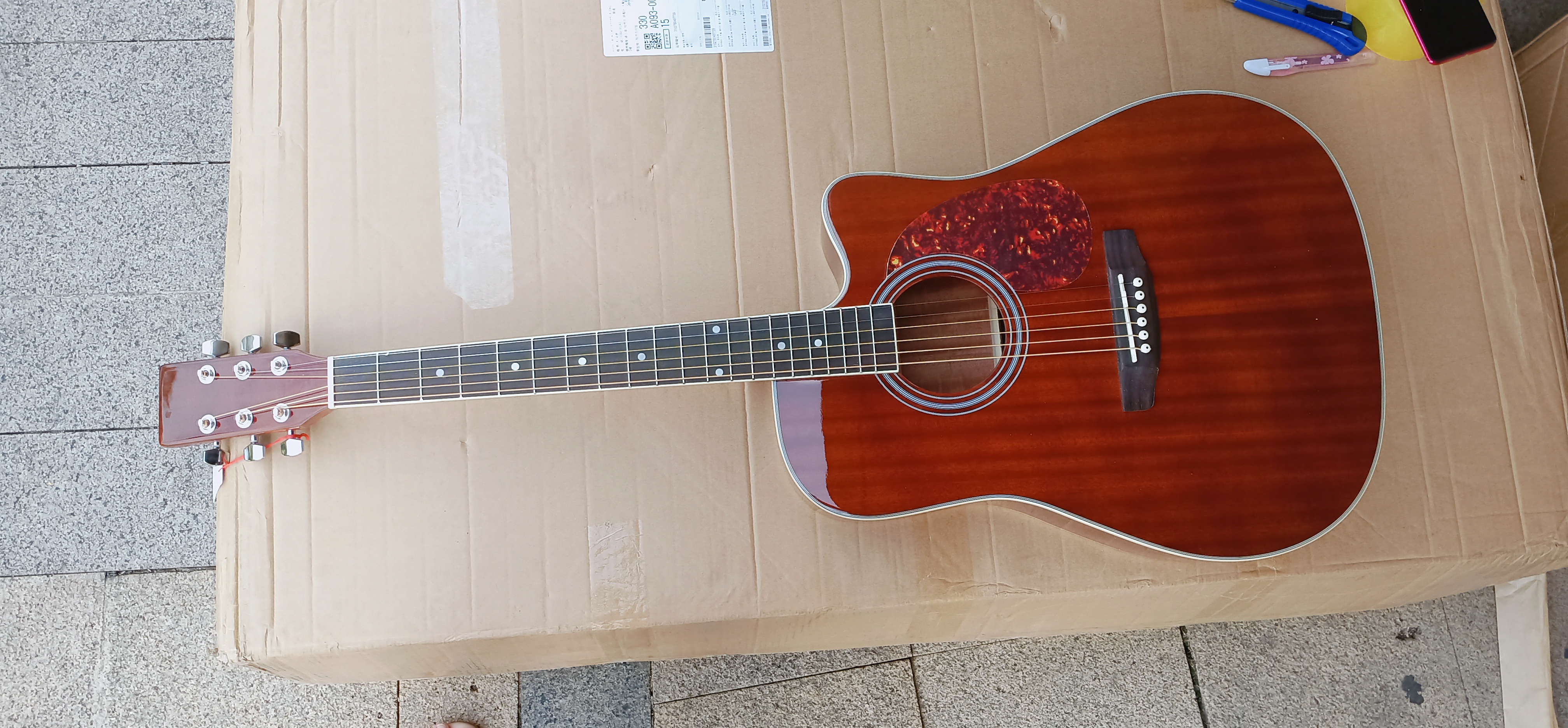
Sourcing guitars at scale requires balancing material stability with precise craftsmanship. Whether you are commissioning custom electrics or importing high-volume acoustic models, the primary challenge lies in ensuring consistent playability and structural integrity across production runs. In this category, the factory's wood treatment protocols and assembly tolerances dictate the final quality of the instrument.
Tonewood Seasoning and Material Specifications
Wood moisture content (MC) is the most critical variable in guitar manufacturing. If factories fail to dry tonewoods to a stable MC—typically 6 to 8 percent—before milling, the instruments are virtually guaranteed to suffer from warped necks, lifting bridges, or cracked soundboards once shipped to different climates.
When evaluating a manufacturer, their timber yard and drying facilities are just as important as their CNC routers. Reputable suppliers will utilize a combination of kiln drying and natural seasoning, followed by climate-controlled storage for raw blanks (such as mahogany, alder, ash, and spruce).
Critical Factory-Level Material Checks
- Kiln drying duration and natural seasoning periods for body and neck blanks
- Moisture content verification immediately prior to CNC routing
- CITES compliance documentation for restricted species (e.g., specific rosewoods)
- Quality and origin of hardware (tuners, bridges) and electronic components (potentiometers, pickups)
Manufacturing Precision and OEM Customization
Modern guitar production relies heavily on CNC machining for consistent body routing and neck shaping. However, the differentiation between an entry-level instrument and a premium guitar happens during the hand-finishing stages. Fret leveling, crowning, and dressing require skilled labor. Poor fretwork leads to dead notes, fret buzz, and sharp edges that instantly degrade the perceived value of the instrument.
For brands utilizing OEM/ODM services to build proprietary models, specifying the exact fret wire material (e.g., nickel-silver vs. stainless steel), fingerboard radius, and neck profile tolerances is essential.
Need a reliable partner to manage custom guitar production and factory vetting in Asia?
Talk to our teamQuality Control and Common Production Defects
A guitar is a mechanical system under high tension. Factory-level setup—including nut slot depth, truss rod adjustment, and saddle height—determines playability out of the box. Implementing rigorous quality control and inspection protocols before shipment is non-negotiable, as post-shipment rework destroys margins.
| Defect Category | Common Issues | Inspection Focus |
|---|---|---|
| Structural | Neck warping, lifting bridges, finish checking | Truss rod functionality, glue joint integrity, finish curing |
| Fretwork | Sharp fret ends, uneven frets, dead spots | Fret leveling, edge dressing, fingerboard radius consistency |
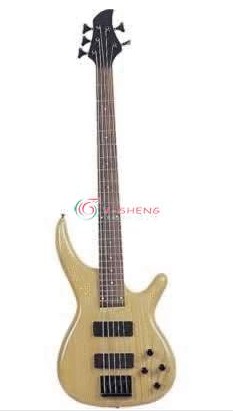
| Electronics (Electrics) | Grounding hum, scratchy pots, weak output | Solder joint quality, shielding paint application, pickup wiring |
Production Timelines, MOQs, and Pricing
Guitar manufacturing is a time-intensive process, largely due to the curing times required for finishes (especially polyurethane and nitrocellulose) and the resting periods necessary between wood milling stages.
Conducting thorough factory audits helps verify a supplier's true production capacity, ensuring they are not rushing the curing process to meet deadlines.
Pricing is heavily dependent on wood selection, hardware origin (domestic Chinese hardware vs. imported Korean/Japanese components), and the complexity of the finish (e.g., simple solid colors vs. complex bursts or binding work).
Protect your margins and ensure consistent instrument quality with expert on-the-ground supply chain management.
Get a free consultationFrequently Asked Questions
Successfully importing guitars at scale means looking past the cosmetic finish and verifying the structural and material integrity at the factory floor. By partnering with experienced sourcing professionals, you can ensure your instruments arrive stable, playable, and ready for the market.
Get Sourcing Help for Guitar
Tell us your requirements and our experts will connect you with verified manufacturers.