Grille Lights
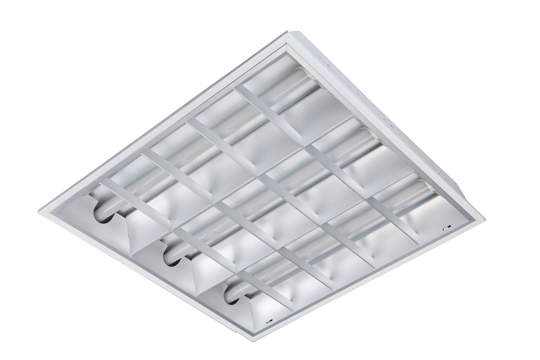
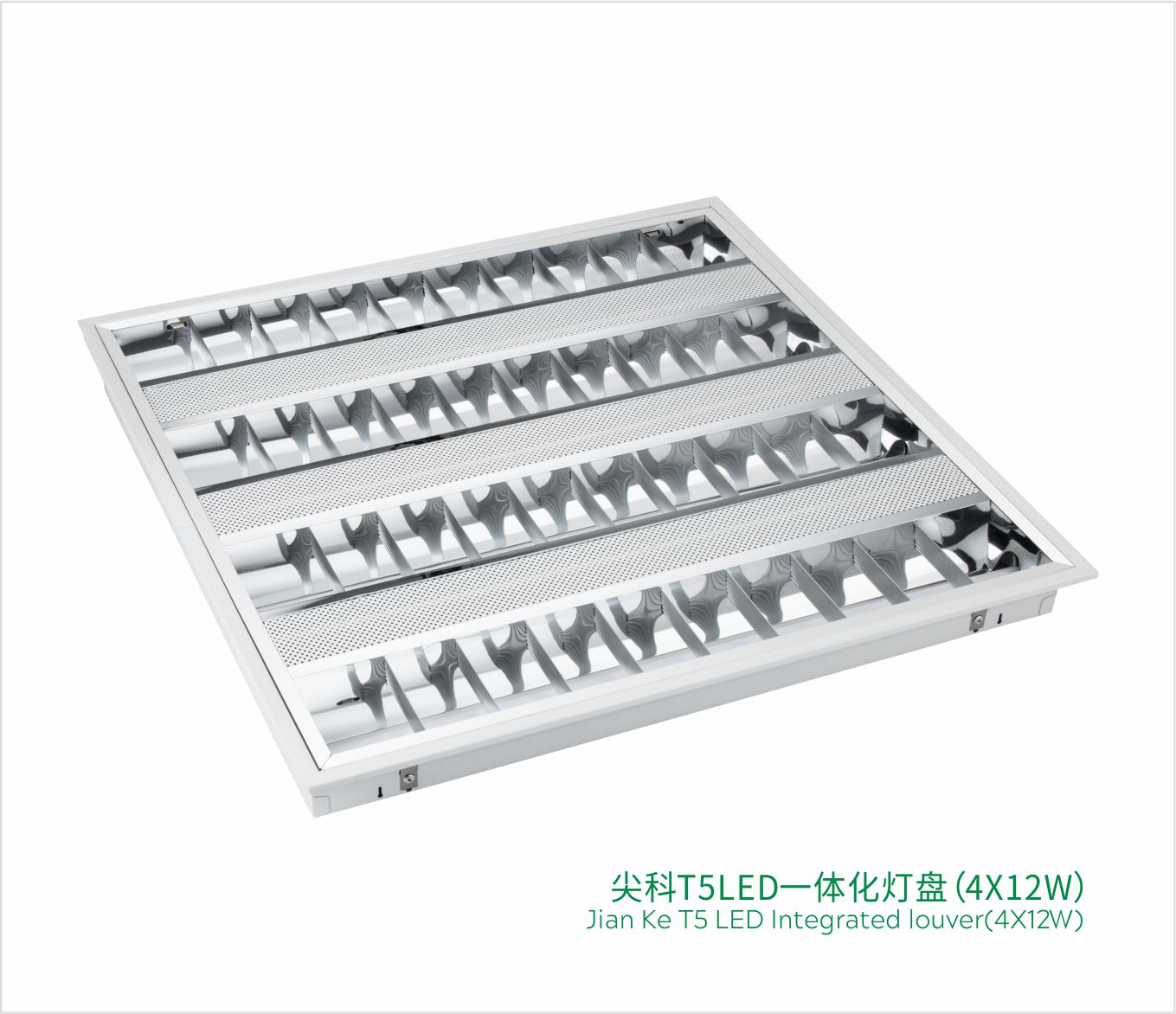
Source wholesale Grille Lights directly from vetted manufacturers and suppliers in China and Asia. Designed for importers, distributors, and lighting brands seeking private-label or custom OEM production, our network delivers commercial-grade indoor lighting at scale.
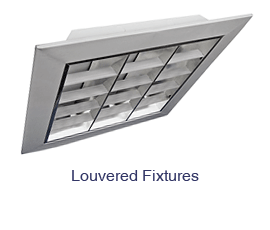
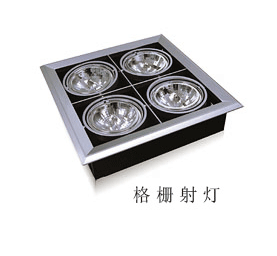
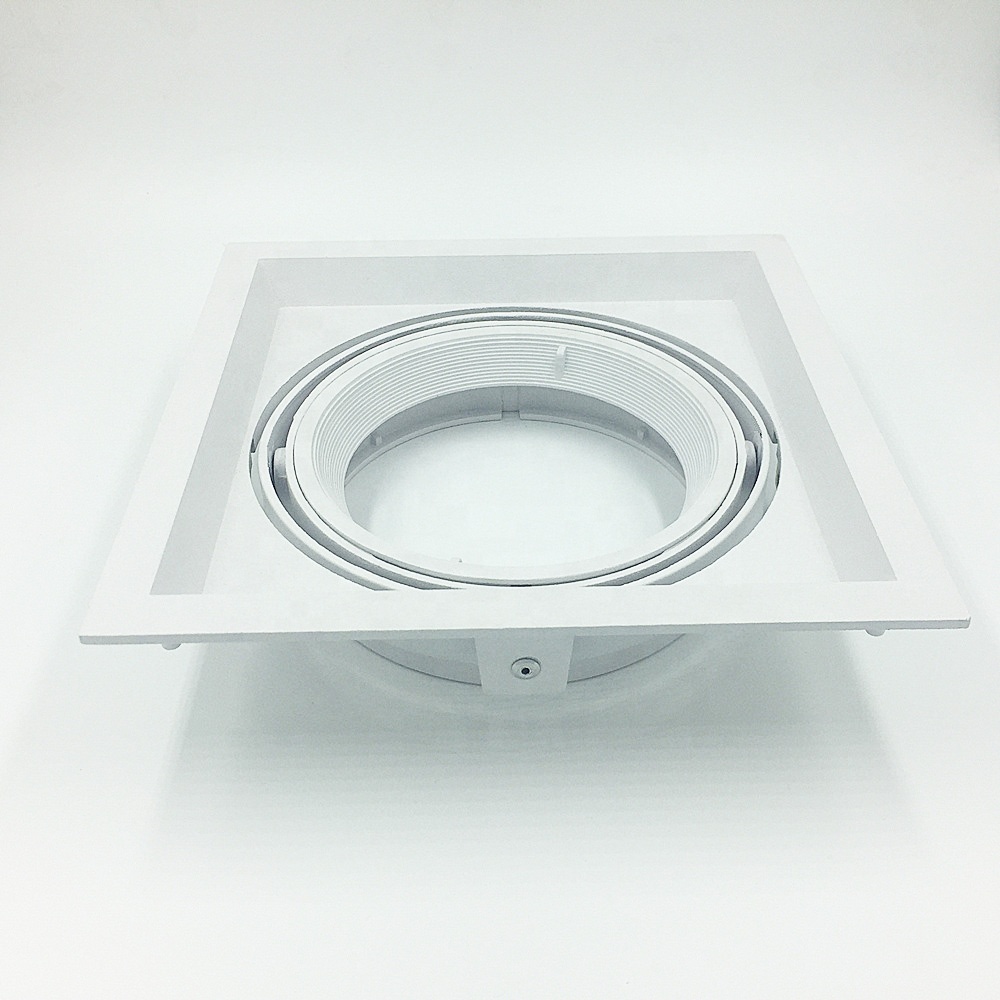
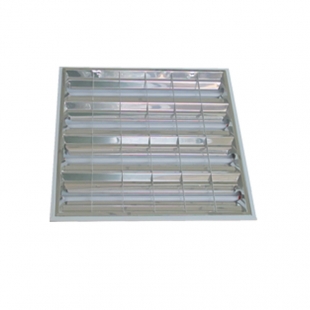
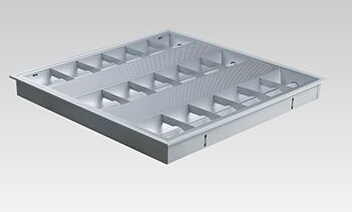
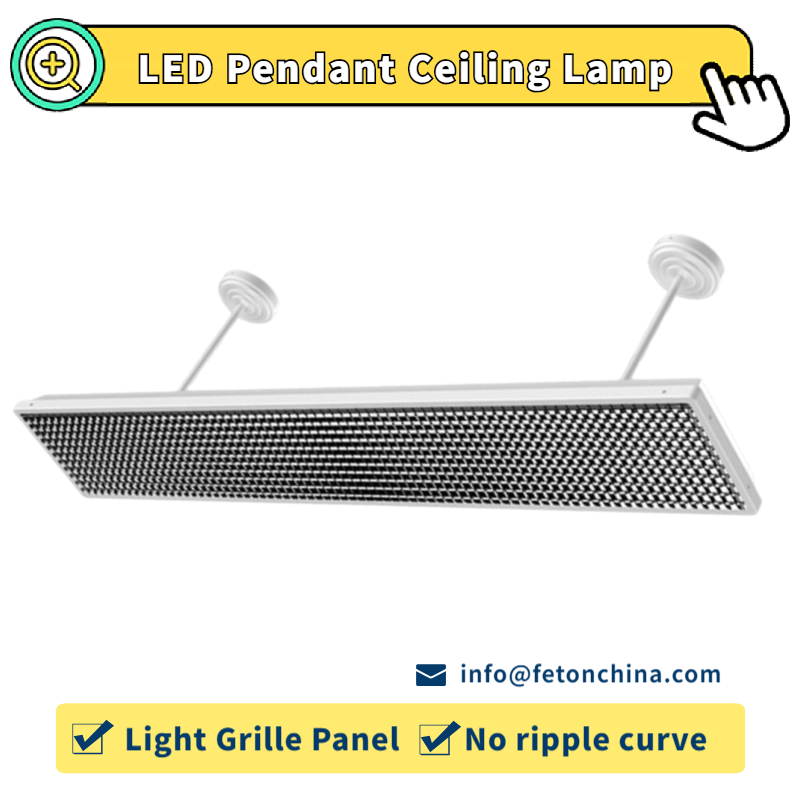
Grille lights—often categorized as louver luminaires or linear grille downlights—are a staple in commercial, retail, and office lighting designs. The primary sourcing challenge isn't simply finding a factory; it is securing consistent photometric performance, reliable thermal management, and driver longevity across bulk production runs without overpaying for generic components.
Critical Specifications for Commercial Grille Lights
When sourcing grille lights in bulk, the bill of materials (BOM) dictates both performance and lifespan. Buyers must specify exact parameters rather than relying on a supplier's default "standard" configuration, which is often engineered for the lowest possible price point rather than commercial longevity.
| Component / Metric | Standard Commercial | Premium / Architectural |
|---|---|---|
| UGR (Unified Glare Rating) | Under 22 | Under 19 (Low Glare) |
| CRI (Color Rendering Index) | Ra 80+ | Ra 90+ to 95+ |
| Housing Material | Cold-rolled steel / thin aluminum | Die-cast aluminum (heavy gauge) |
| Driver | Generic isolated | Brand name (Osram, Philips, Tridonic) |
Need help standardizing your lighting specifications and finding factories that can actually meet them?
Talk to our teamManufacturing Variables and Quality Control
The lifespan of a grille light is heavily dependent on thermal management. The LED chips generate significant heat, and if the housing lacks sufficient aluminum mass to act as an effective heat sink, lumen depreciation accelerates rapidly.
During production, strict quality control is essential. Relying solely on final inspections often means discovering thermal or electrical issues too late in the manufacturing process to fix them cost-effectively.
Essential Factory-Level Quality Checks
- Integrating Sphere Testing: Verifies lumens, color temperature (CCT), and CRI match the specification sheet.
- Aging Test: Luminaires must run continuously for 12 to 24 hours to identify early driver failures.
- Hi-Pot (High Potential) Testing: Ensures electrical insulation is sufficient to prevent shock hazards.
- Thermal Imaging: Confirms the heat sink effectively draws heat away from the LED diode array.
To ensure the factory actually possesses the testing equipment required for these checks, conducting thorough factory audits before placing a volume order is highly recommended.
MOQs, Lead Times, and Pricing Dynamics
Unit costs for grille lights fluctuate based on raw material costs (specifically the weight of the aluminum housing), driver selection, and order volume.
If you are developing a proprietary design or require specific beam angles for a retail project, leveraging professional OEM/ODM services ensures your intellectual property is protected and tooling is managed correctly from the prototype stage through to mass production.
Looking to optimize your landed costs without sacrificing driver reliability or build quality?
Get a free consultationCompliance and Certifications
Lighting compliance is strictly enforced at most major borders. You must verify that both the complete luminaire and the internal driver hold the necessary certifications for your target market.
- North America: UL or ETL listing is mandatory for commercial installations. FCC compliance is required to ensure the drivers do not cause electromagnetic interference (EMI).
- Europe: CE (LVD and EMC directives) and RoHS compliance are non-negotiable. ENEC certification is a strong indicator of premium quality and safety.
Certification Verification
Frequently Asked Questions
Sourcing commercial grille lights requires a careful balance between thermal performance, optical precision, and cost. By specifying exact driver brands, demanding strict aging tests, and verifying compliance documentation, buyers can secure reliable lighting solutions that perform flawlessly in the field.
Get Sourcing Help for Grille Lights
Tell us your requirements and our experts will connect you with verified manufacturers.