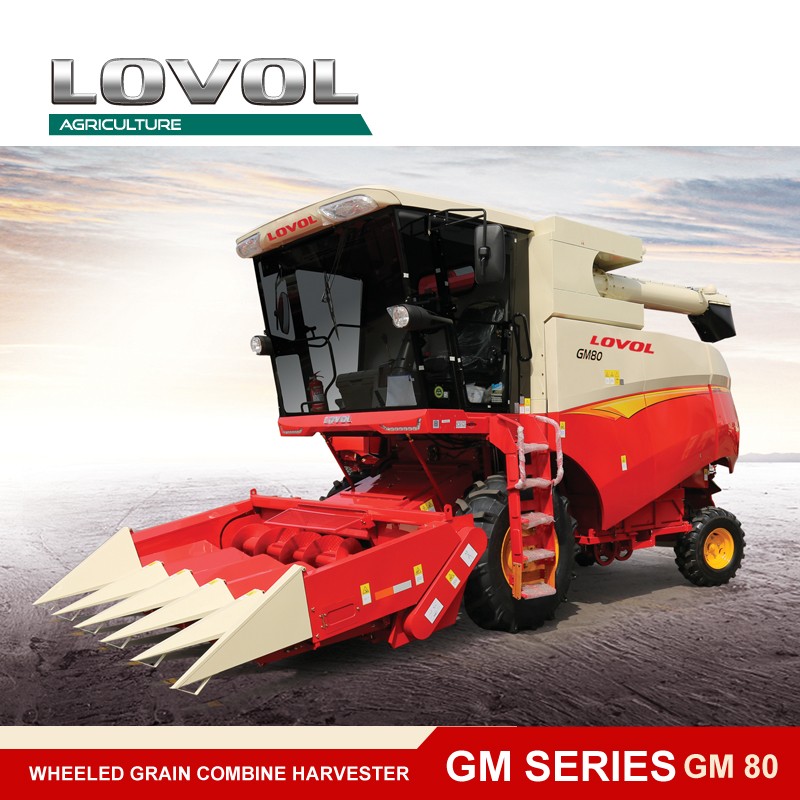
Grain Harvesters
Source reliable grain harvesters from vetted manufacturers and wholesale suppliers. Built for high-volume agricultural importers, regional distributors, and equipment brands seeking OEM production. Ensure peak field performance and competitive pricing for your bulk procurement needs.
Sourcing grain harvesters at scale requires balancing heavy-duty reliability with cost-effective manufacturing. For agricultural equipment distributors and OEM brands, the challenge lies in verifying supplier engineering capabilities, ensuring consistent threshing efficiency, and managing the complex logistics of importing heavy machinery. Success depends on partnering with factories that maintain strict quality control over chassis welding, hydraulic systems, and engine integration.
Core Specifications for Bulk Procurement
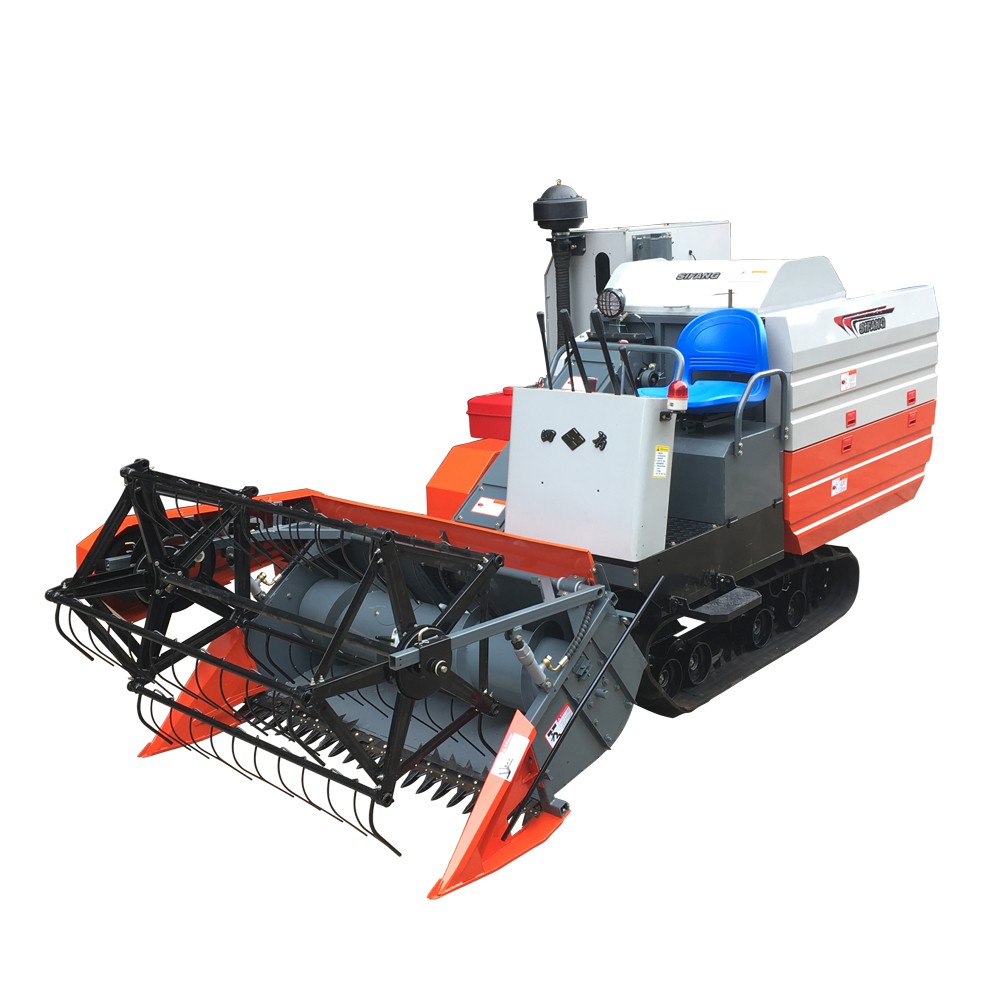
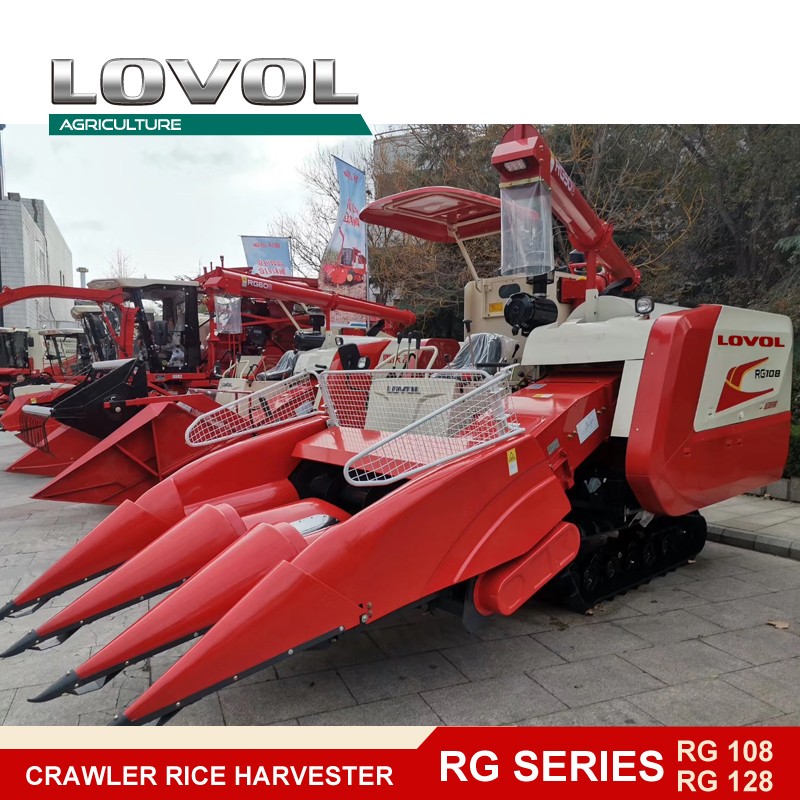
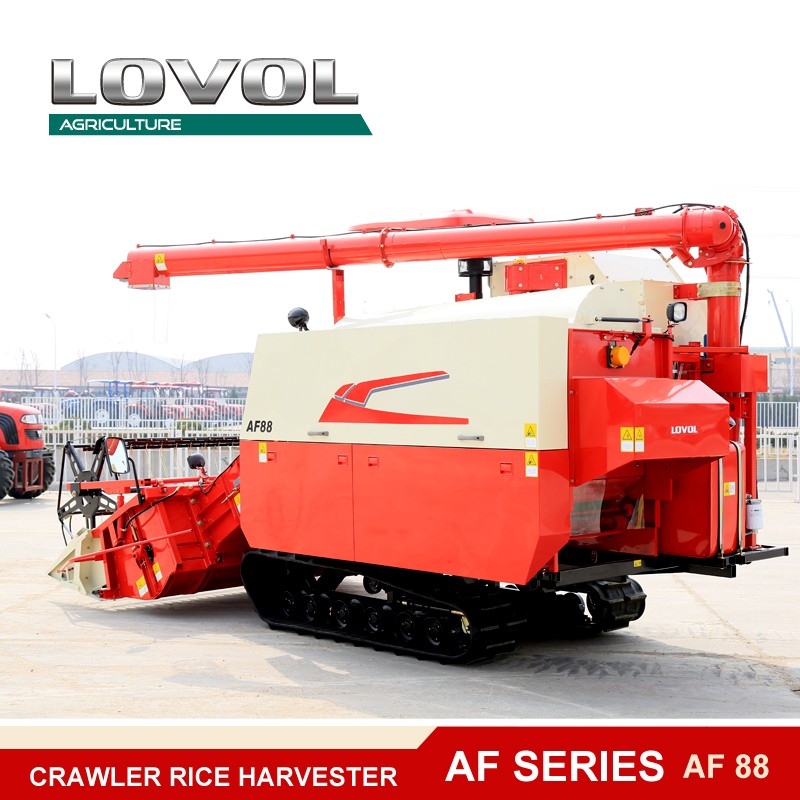
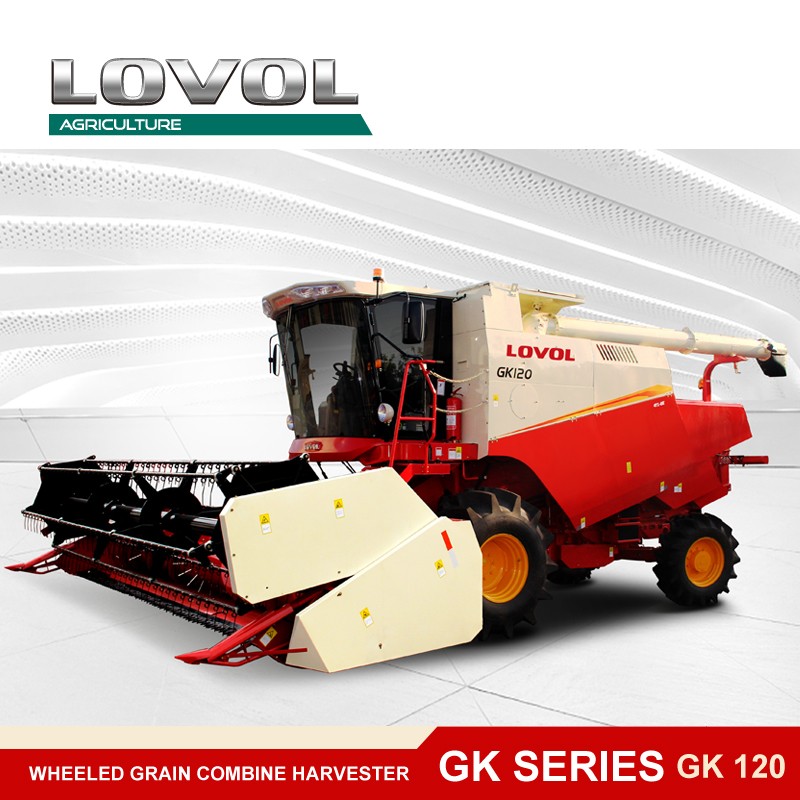
When negotiating with manufacturers, vague specifications lead to substandard field performance. Harvesters are categorized primarily by their feed rate (measured in kilograms per second) and terrain adaptability. You must clearly define the operational requirements for your target market.
| Specification | Compact/Mini Harvesters | Mid-to-Large Harvesters |
|---|---|---|
| Feed Rate | Under 2.0 kg/s | 3.0 to 8.0+ kg/s |
| Cutting Width | 1.0m to 1.5m | 2.0m to 4.5m+ |
| Engine Power | 20 to 50 HP | 75 to 150+ HP |
| Chassis Type | Rubber Track | Wheel or Heavy Track |
Beyond these basics, specify the grain tank capacity, unloading auger type, and the exact threshing mechanism (axial flow vs. tangential flow). For markets with strict emissions regulations, you must ensure the factory can integrate compliant engines (such as EPA Tier 4 or Euro V standards) rather than domestic-market alternatives.
Navigating heavy machinery specifications and supplier capabilities is complex. Let our engineers help you match your field requirements with the right factory.
Talk to our teamManufacturing Quality and Supplier Verification
The agricultural machinery sector in Asia is vast, but only a fraction of factories possess the in-house engineering required for export-grade grain harvesters. Many are simply assemblers buying off-the-shelf components. Conducting thorough Factory Audits is essential to verify a supplier's machining capabilities, welding robotics, and testing infrastructure.
Critical Areas for Quality Control
Where does a harvester fail in the field? Usually in the moving parts and hydraulic systems. Implementing rigorous Quality Control & Inspection prior to shipment is non-negotiable.
Pre-Shipment Inspection Focus Areas
- Dynamic testing of the threshing drum for balance and vibration.
- Hydraulic system pressure tests to ensure no leaks under load.
- Verification of chassis weld integrity and anti-corrosion coating thickness.
- Engine integration checks, including cooling system efficiency for hot climates.
- Header and cutter bar alignment verification.
Pricing, MOQs, and Lead Times
Unlike consumer goods, agricultural machinery operates on different procurement mechanics.
- Minimum Order Quantities (MOQs): For large, high-capacity harvesters, factories often accept an MOQ of 1 to 2 units. For compact or mini harvesters, expect MOQs of 3 to 5 units, often dictated by container optimization.
- Lead Times: Standard production takes 30 to 45 days. However, if you are requesting specific OEM engine integrations or custom header widths, lead times can extend to 60 to 90 days.
- Pricing Drivers: The engine brand (e.g., Kubota, Yanmar, vs. domestic brands like Weichai or Yuchai) is the single largest cost variable, followed by the hydraulic pump origins and the thickness of the structural steel used in the chassis.
Need reliable logistics and customs clearance for heavy agricultural machinery? Connect with our supply chain experts.
Get a free consultationShipping and Logistics Complexities
Transporting grain harvesters internationally requires specialized logistics. Depending on the machine's size, standard container shipping may require partial disassembly (removing the header, cab, and tracks), which then requires reassembly at the destination.
For larger units, RoRo (Roll-on/Roll-off) vessels or Flat Rack containers are necessary. Coordinating these shipments, managing heavy-lift port handling, and ensuring proper tie-downs to prevent transit damage requires experienced Shipping & Freight management.
Frequently Asked Questions
Procuring grain harvesters requires a deep understanding of mechanical engineering, factory capabilities, and heavy freight logistics. By focusing on rigorous supplier vetting and strict pre-shipment dynamic testing, importers can secure high-performance machinery that delivers reliable yields season after season.
Get Sourcing Help for Grain Harvesters
Tell us your requirements and our experts will connect you with verified manufacturers.