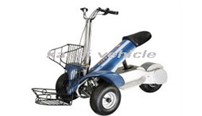
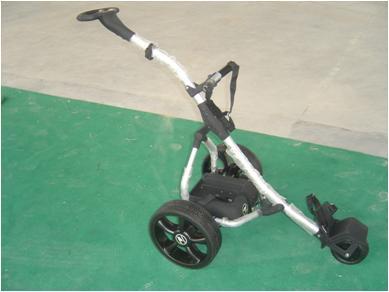
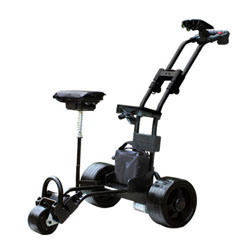
Golf Trolleys
Source high-quality golf trolleys directly from vetted manufacturers and wholesale suppliers. Designed for importers, distributors, and golf brands seeking reliable bulk purchasing or custom OEM/private-label production. Secure competitive pricing and reliable lead times for your next large-scale import order.
Sourcing golf trolleys at scale requires navigating a complex intersection of mechanical engineering and, increasingly, electronics. Whether you are importing lightweight 3-wheel push carts or premium remote-controlled electric caddies, the margin for error in frame durability, weight distribution, and folding mechanics is practically zero. A successful bulk purchase hinges on specifying the right materials and validating the factory's assembly tolerances.
Core Specifications and Materials
The foundation of any profitable golf trolley line is the frame material and the structural integrity of its folding joints. Buyers must specify exact material grades rather than accepting generic "aluminium" descriptions.
Most high-quality manual and electric trolleys utilize 6061 aluminium alloy, which offers the optimal balance of weight, tensile strength, and corrosion resistance. Premium models are increasingly adopting carbon fiber composites to drive the total weight under 6kg, though this significantly impacts tooling and unit costs.
| Specification | Manual Push/Pull Trolleys | Electric Trolleys |
|---|---|---|
| Frame Material | 6061 Aluminium or Steel | Aircraft-grade Aluminium or Carbon Fiber |
| Weight Target | Under 7kg | 9kg to 15kg (including battery) |
| Wheel Bearings | Standard sealed steel | Heavy-duty sealed stainless steel |
| Core Vulnerability | Folding joint fatigue | Controller water ingress & battery BMS |
The folding mechanism is where cheap trolleys fail. Joints should be constructed from high-impact nylon or fiberglass-reinforced plastics, not standard ABS, which becomes brittle under UV exposure and cold weather.
Struggling to find a manufacturer capable of complex carbon fiber or custom folding mechanisms? Let us connect you with pre-vetted factories that meet strict engineering standards.
Talk to our teamElectric Golf Trolleys: The Powertrain Divide
When sourcing electric golf trolleys, you transition from buying a mechanical product to buying a consumer electronic vehicle. The factory's expertise in powertrain integration is critical.
- Motors: Specify brushless DC (BLDC) motors. Tubular motors hidden within the axle provide a cleaner aesthetic and better weather protection compared to external motors, though they are harder to service. Wattage typically ranges from 200W to 400W (dual 200W for remote-control models).
- Batteries: Lithium-ion is standard. Specify the cell brand (e.g., LG, Samsung, or top-tier Chinese domestic cells) and ensure the Battery Management System (BMS) includes overcharge, deep discharge, and thermal protection.
- Controllers: The main PCB must be potted or housed in an IP65 or higher rated enclosure. Wet grass and sudden downpours will destroy inadequately sealed electronics.
Manufacturing Quality Control
Even with a perfect specification sheet, quality is won or lost on the factory floor. Tube bending precision affects how smoothly the trolley folds. Inconsistent TIG welding creates weak points that snap under the torque of navigating a hilly golf course.
Critical QC Checks for Golf Trolleys
- Folding mechanism cycle testing (minimum 5,000 cycles without fatigue)
- Weld penetration inspection on load-bearing axle joints
- Surface treatment adhesion (cross-hatch testing for powder coating/anodizing)
- Electronic controller water ingress testing (IP rating verification)
- Battery UN38.3 certification verification before shipment
Implementing rigorous quality control protocols, including in-line inspections and pre-shipment checks, is non-negotiable. Furthermore, before placing a high-value order for electric models, conducting comprehensive factory audits ensures the supplier actually has the electronic testing equipment they claim, rather than just acting as an assembly workshop for outsourced parts.
MOQs, Lead Times, and Production Realities
Pricing and Minimum Order Quantities (MOQs) vary significantly depending on whether you are buying off-the-shelf designs, modifying existing molds, or developing a completely custom product.
If you are pursuing custom branding or unique features, utilizing OEM/ODM services will require tooling investments. Custom plastic injection molds for new joint designs or proprietary wheel styles typically add 30 to 45 days to your initial lead time.
Need to negotiate better MOQs or manage complex tooling for a proprietary trolley design? Our sourcing experts can structure terms that protect your capital and timeline.
Get a free consultationFrequently Asked Questions
Successfully importing golf trolleys requires treating the supplier as an engineering partner rather than just a vendor. By demanding precise material specifications and enforcing strict assembly tolerances, you protect your brand from the high cost of post-sale returns. Ensure your sourcing strategy prioritizes technical validation just as highly as unit cost.
Get Sourcing Help for Golf Trolleys
Tell us your requirements and our experts will connect you with verified manufacturers.