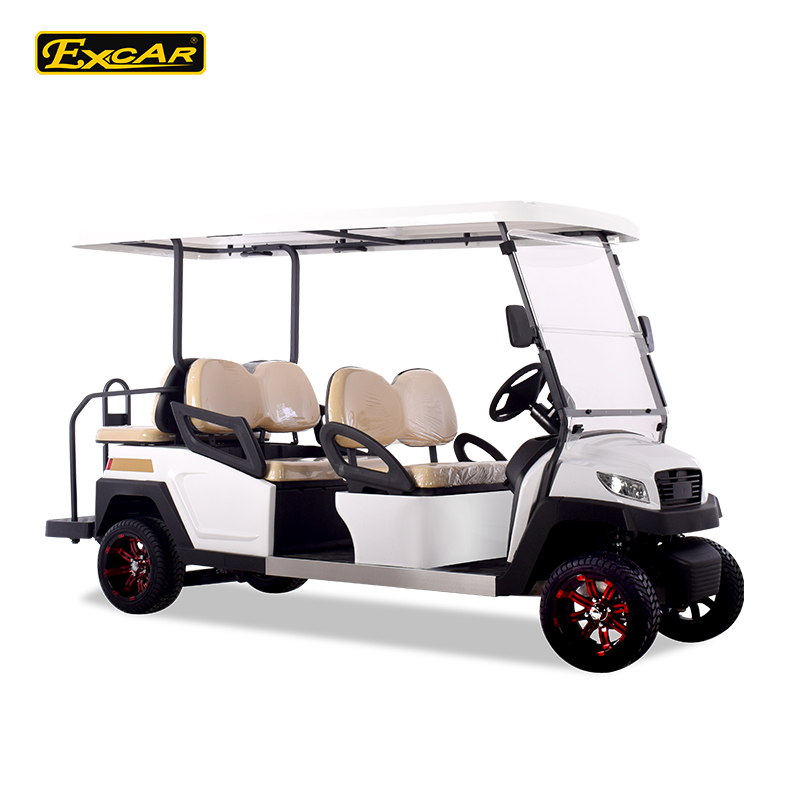
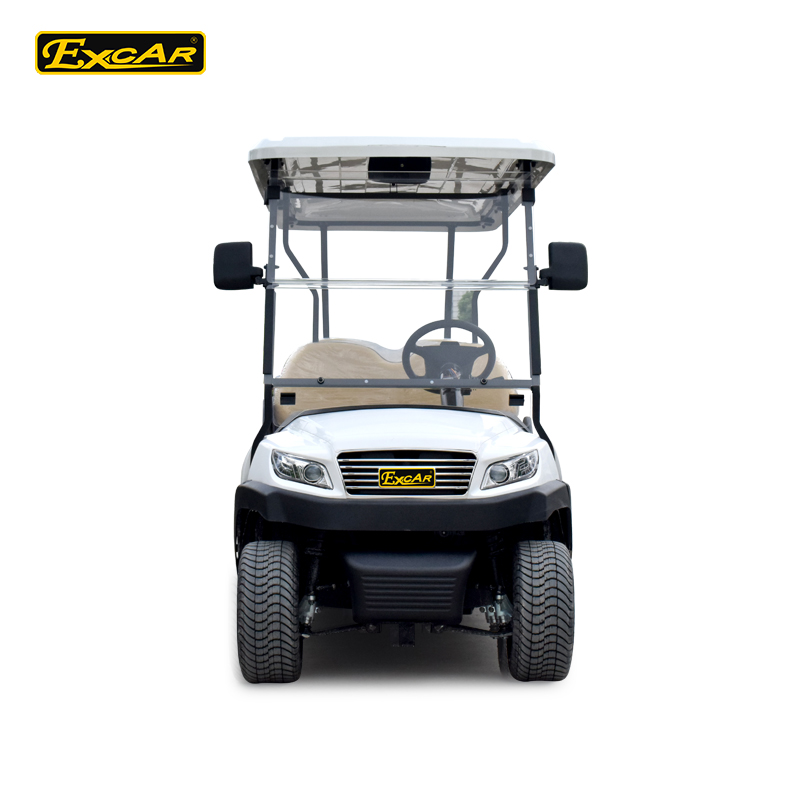
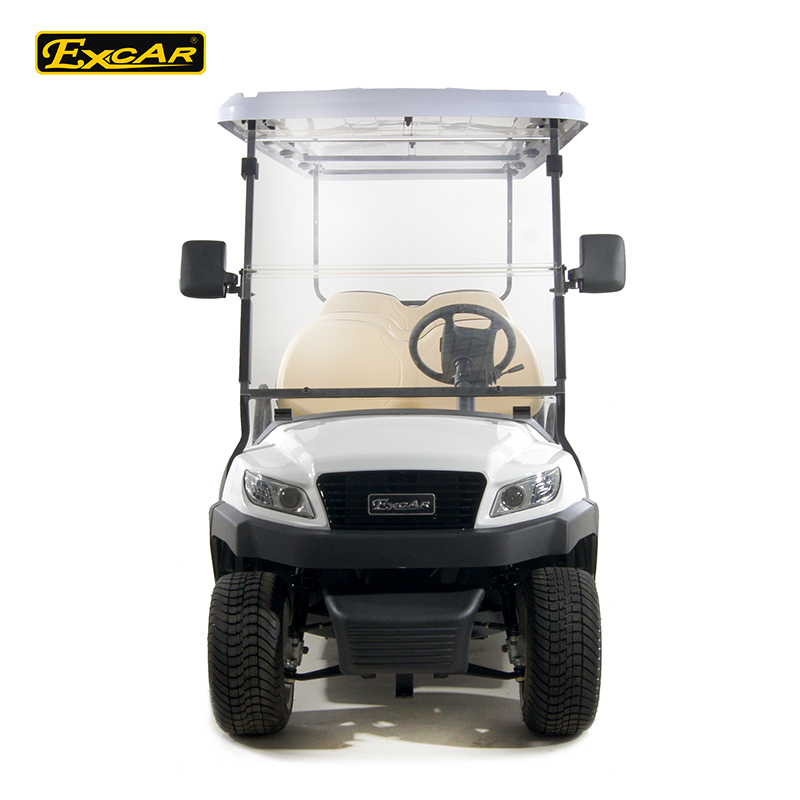
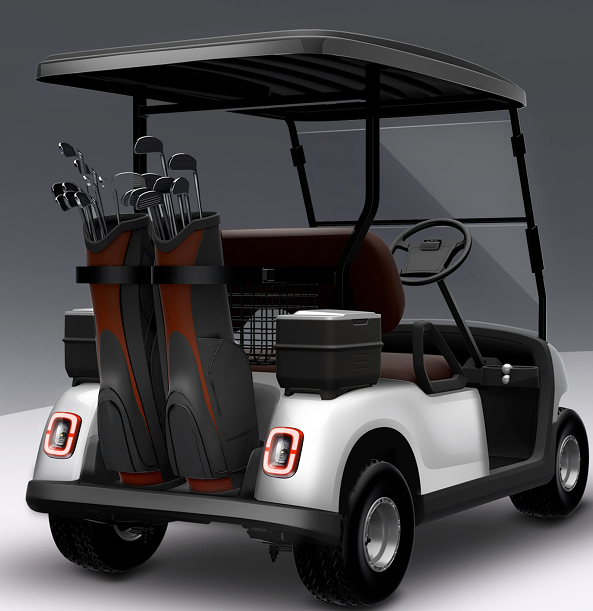
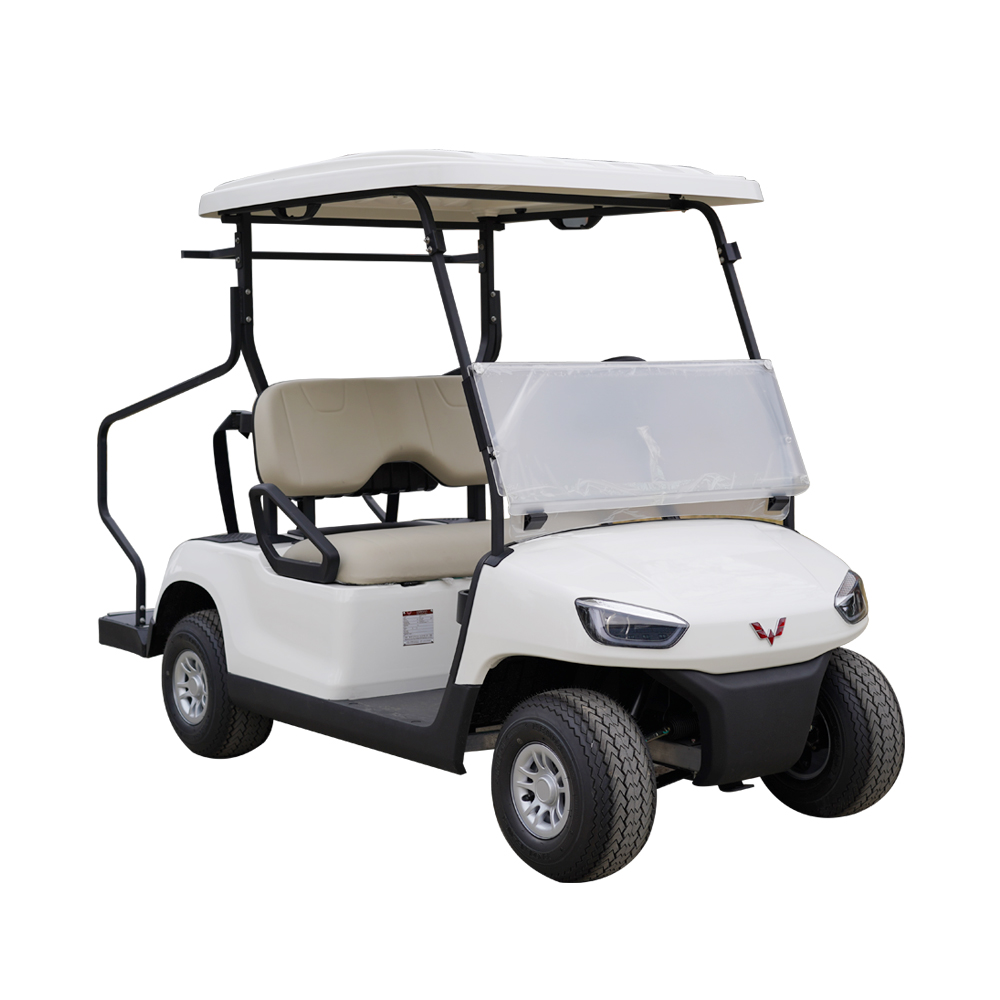
Golf Trolleys
Source premium golf trolleys from vetted manufacturers and wholesale suppliers across Asia. Built for importers, sporting goods distributors, and brands seeking reliable OEM and private-label production, our network delivers high-performance electric and manual push carts at competitive bulk pricing.
Sourcing golf trolleys at scale requires navigating a fragmented manufacturing base, primarily concentrated in China's Zhejiang and Guangdong provinces. For high-volume buyers, the core challenge lies in balancing structural integrity with weight reduction, while ensuring strict electronic reliability for motorized units exposed to diverse weather conditions on the course.
Frame Engineering and Material Selection
The chassis is the foundation of any golf trolley, dictating its weight, payload capacity, and shipping volume. Most factories specialize in specific metal fabrication techniques, meaning your choice of material will largely determine which supplier profile you should target.
| Material | Weight Profile | Corrosion Resistance | Typical Application |
|---|---|---|---|
| High-Tensile Steel | Heavy | Moderate (Requires coating) | Entry-level manual carts |
| Aircraft-Grade Aluminum | Lightweight | High | Mid-market to premium electric |
| Carbon Fiber | Ultra-lightweight | Maximum | Luxury and high-performance electric |
When evaluating aluminum frames, specify 6000-series aluminum (commonly 6061) with anodized or powder-coated finishes. Pay close attention to the folding mechanisms; complex multi-hinge designs reduce packed volume for optimized container shipping but introduce potential points of mechanical failure if the factory uses inferior nylon joints instead of reinforced polymers or die-cast alloy.
Electric Trolley Powertrains and Electronics
For motorized trolleys, the powertrain and Battery Management System (BMS) are where production costs—and potential defect rates—peak.
- Motors: The industry standard has shifted to brushless DC (BLDC) motors due to their longevity and quiet operation. Specify wattages between 200W and 400W. Dual-motor setups (e.g., 2x 200W) offer better traction on hilly terrain and enable electronic downhill braking.
- Batteries: Lithium-ion (Li-ion) batteries are mandatory for modern electric carts. Ensure cells are sourced from reputable Tier-1 or Tier-2 manufacturers. The BMS must protect against overcharging, deep discharge, and thermal runaway.
- Weatherproofing: Golf trolleys operate in wet environments. The controller box, motor housings, and digital displays must achieve an ingress protection rating of IP54 or higher.
Navigating motor specifications and battery safety certifications can be complex. Connect with our technical team to ensure your next production run meets all performance and compliance standards.
Discuss your sourcing requirementsQuality Control and Common Factory Defects
Relying solely on a factory's internal QA is a risk. Rigorous quality control and inspection protocols must be implemented before the container is sealed. Common manufacturing defects in this category include poor weld penetration on the main chassis, misaligned axles causing the trolley to pull to one side, and inadequate sealing on electronic housings.
Pre-Shipment Inspection Focus Areas
- Weld integrity and finish consistency on all load-bearing joints.
- Cycle testing of the folding mechanism (minimum 50 cycles per sample).
- Axle alignment and freewheel testing for rolling resistance.
- BMS stress testing and verification of UN38.3 battery compliance.
- Water spray testing to verify IP ratings on control modules.
Before committing to a new supplier, conducting comprehensive factory audits is essential to verify their metal fabrication capabilities, electronic assembly clean-rooms, and overall production capacity.
Buying Mechanics: MOQs, Lead Times, and Pricing
Bulk purchasing economics for golf trolleys are heavily influenced by container utilization. Because fully assembled or poorly optimized folding carts take up significant volume, shipping air is a common pitfall.
- Minimum Order Quantities (MOQs): Typical MOQs start at one 20ft container, which roughly equates to 150 to 250 units, depending on the folding dimensions and packaging design. For custom OEM/ODM services requiring new injection molds for handles or control panels, MOQs often rise to 500 units.
- Production Lead Times: Expect 35 to 50 days for standard orders. Lead times can stretch to 60 days or more prior to major Asian holidays or when sourcing custom lithium battery packs during peak demand periods.
- Pricing Drivers: The shift from lead-acid to lithium batteries, the integration of remote-control capabilities, and the use of GPS or digital displays are the primary cost drivers. Always request a detailed Bill of Materials (BOM) to understand where your money is going.
Want to optimize your container loading and negotiate better terms with manufacturers? We handle the end-to-end purchasing process to protect your margins.
Talk to our sourcing teamFrequently Asked Questions
Securing a reliable supply chain for golf trolleys requires moving beyond superficial Alibaba listings to deeply vet a factory's engineering and electronic assembly capabilities. By rigorously controlling component specifications and enforcing strict in-line inspections, you can deliver a premium product that withstands the rigors of the course while protecting your bottom line.
Get Sourcing Help for Golf Trolleys
Tell us your requirements and our experts will connect you with verified manufacturers.