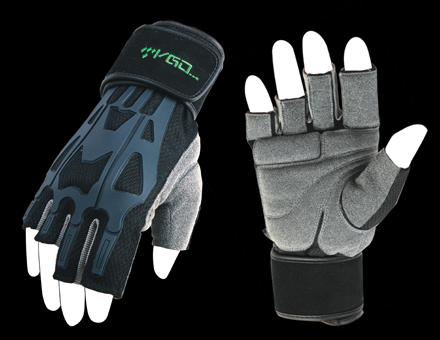
Gloves
Source high-quality fitness gloves directly from vetted manufacturers and wholesale suppliers. Designed for importers, distributors, and sports brands seeking OEM or private-label production, our network delivers reliable volume manufacturing, custom material specifications, and rigorous quality control for your product lines.
Fitness gloves endure severe mechanical stress, constant friction, and heavy perspiration. For bulk buyers and brands, sourcing reliable gloves requires balancing material durability with breathability and grip performance. A millimeter difference in palm padding or a skipped stitch in the gussets can lead to immediate product failure under load, resulting in high return rates and brand damage. Success in this category demands tight control over material specifications and assembly tolerances.
Core Material Specifications
The palm material is the functional core of any fitness glove. Buyers must specify exact thicknesses and material grades to ensure consistent performance.
| Material | Typical Thickness | Performance Profile | Best Application |
|---|---|---|---|
| Microfiber (Amara) | 0.6mm - 0.8mm | High abrasion resistance, washable, excellent grip when printed with silicone. | Cross-training, general fitness |
| Cowhide Leather | 0.8mm - 1.2mm | Superior durability, molds to hand over time, requires break-in. | Heavy weightlifting, powerlifting |
| Goatskin | 0.7mm - 0.9mm | Softer than cowhide, high tensile strength, premium feel. | Premium fitness gloves |
| Neoprene | 2.0mm - 3.0mm | High stretch, sweat-resistant, lower abrasion resistance. | Light grip pads, aquatic fitness |
Beyond the palm, the back-of-hand (fourchette and backer) materials dictate breathability. Specify high-GSM spandex or four-way stretch mesh. For wrist support, specify the denier of the elastic and the cycle-life of the hook-and-loop fasteners (standard minimum is 10,000 cycles).
Need help finalizing your material bill (BOM) for a new glove line? Our sourcing engineers can match your performance requirements with the right raw materials.
Discuss your product specsManufacturing and Quality Control Vulnerabilities
Glove manufacturing is highly labor-intensive. Cutting is typically done via hydraulic die-cutting or laser (for synthetics). Assembly is where most quality issues originate. Standardizing your quality control & inspection protocol is critical before mass production begins.
Critical Defect Zones
- Seam Blowouts: The junction between the thumb and index finger takes the highest load. Specify double or triple stitching using bonded nylon or Kevlar thread in this area.
- Silicone Delamination: Silicone grip patterns printed on synthetic palms must be heat-cured correctly. Poor temperature control during curing leads to peeling after a few uses.
- Padding Migration: EVA foam or gel inserts in the palm must be securely stitched into dedicated pockets. Floating padding shifts under pressure, causing blisters.
- Color Bleeding: Sweat acts as a solvent. Leather and dyed synthetics must pass strict colorfastness testing (ISO 105-E04 for perspiration) to prevent staining the user's hands.
Pre-Shipment Inspection Checklist for Gloves
- Verify seam strength at thumb crotch and finger gussets (pull test).
- Check silicone adhesion via tape-peel test.
- Measure palm padding thickness and verify pocket stitching.
- Test hook-and-loop closure peel and shear strength.
- Confirm dimensional stability and sizing consistency across the run.
Sourcing Regions and Supplier Capabilities
The global supply chain for sports gloves is primarily split between two major hubs, each with distinct advantages.
China (specifically Guangdong and Zhejiang provinces) excels in synthetic materials, laser cutting, advanced silicone printing, and high-tech fabrics. If you are developing lightweight, breathable cross-training gloves, Chinese manufacturers offer superior integration of modern textiles.
Pakistan (specifically Sialkot) is the historical global hub for leather sporting goods. If your line focuses on heavy-duty cowhide weightlifting gloves or traditional leather construction, Sialkot offers deep expertise and highly competitive raw material costs. Regardless of the region, comprehensive factory audits are mandatory to verify working conditions, machinery quality, and raw material sourcing practices.
Pricing, MOQs, and Production Realities
Fitness gloves are high-volume, low-margin items at the factory level. Pricing is highly sensitive to material choices (genuine leather vs. synthetic) and customization complexity (custom TPR rubber logos vs. simple screen printing).
If you are pursuing OEM/ODM services to launch a proprietary design, factor in custom cutting-die costs if your sizing deviates from the factory's standard templates. Tooling for custom TPR wrist-strap logos will also require upfront investment.
Ready to scale your production? We manage supplier negotiations, quality control, and logistics to ensure your shipments arrive on spec and on time.
Talk to our teamFrequently Asked Questions
Sourcing fitness gloves at scale requires moving beyond aesthetic designs and focusing heavily on material tear-strength, thread bonding, and ergonomic assembly. Partnering with the right factory and enforcing strict quality tolerances is the only way to deliver the durability your end-users demand.
Get Sourcing Help for Gloves
Tell us your requirements and our experts will connect you with verified manufacturers.