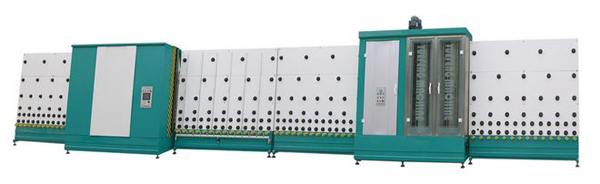
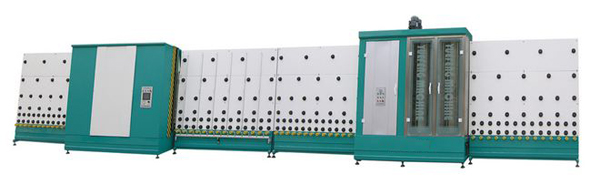
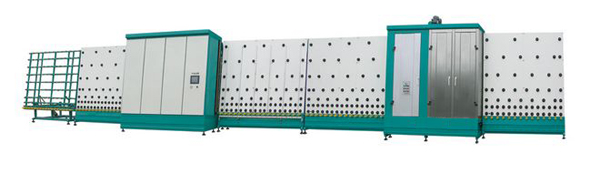
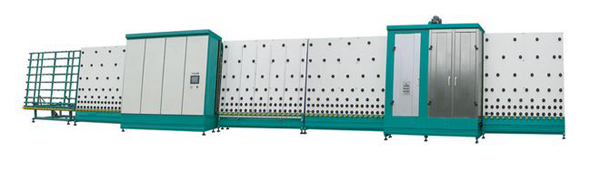
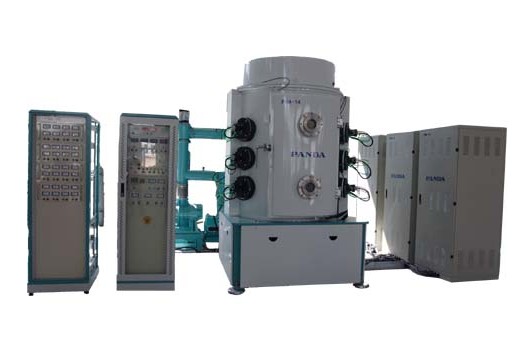
Glass Working Machines
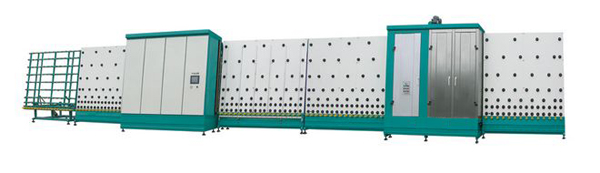
Source industrial glass working machines directly from vetted manufacturers and wholesale suppliers. Designed for importers, distributors, and manufacturing brands looking for OEM or private-label production, our catalog covers high-capacity equipment for cutting, edging, drilling, and tempering flat glass at competitive bulk pricing.
Sourcing heavy-duty glass working machines—whether for straight-line edging, beveling, CNC processing, or washing—requires navigating a complex matrix of mechanical precision and electrical reliability. The primary challenge for volume buyers and procurement managers is identifying manufacturers whose machines maintain micron-level accuracy over years of continuous operation. Poorly built machines suffer from micro-vibrations and component fatigue, inevitably leading to edge chipping, high reject rates, and costly production downtime.
Core Specifications for Heavy-Duty Glass Processing
When evaluating equipment, the structural foundation and drive components dictate the machine's lifespan and output quality. Glass processing is an abrasive, wet environment that quickly degrades substandard machinery.
- Frame and Base Construction: High-end edging and beveling machines utilize heavy cast iron bases and structural steel frames. Cast iron absorbs the high-frequency vibrations generated by grinding wheels much better than welded steel sheet metal.
- Spindles and Drive Motors: The spindle is the heart of any grinding or polishing machine. Look for direct-drive spindles with high-precision bearings. The number of spindles (typically ranging from 4 to 14 on straight-line edgers) dictates the speed and quality of the final polish.
- Glass Thickness Range: Standard machines handle 3mm to 19mm glass, but specialized architectural glass equipment must be specified if processing heavy 25mm or multi-layer laminated sheets.
- Electrical and Control Systems: Ensure all contactors, relays, and PLCs are sourced from globally recognized brands (such as Schneider, Siemens, or Omron) to guarantee replacement part availability in your local market.
| Control System | Precision Level | Ideal Application | Operator Skill Required |
|---|---|---|---|
| Relay / Manual | Standard | Basic washing, simple cutting | Low |
| PLC (Touchscreen) | High | Straight-line edging, tempering | Medium |
| Full CNC (Multi-axis) | Maximum (Sub-millimeter) | Complex routing, drilling, shaping | High |
Need help identifying manufacturers capable of meeting strict CE or UL machinery directives? We can handle the technical vetting.
Talk to our teamFactory Vetting and Quality Control
China is a global hub for glass machinery manufacturing, with dense clusters in Guangdong (particularly Shunde and Foshan) and Shandong provinces. However, assembly capabilities vary wildly. Some factories engineer proprietary CNC systems, while others merely assemble off-the-shelf components onto lightweight frames.
Before placing an order, rigorous supplier verification is non-negotiable. Utilizing professional Factory Audits ensures the supplier actually machines their own bases and maintains strict tolerances during assembly, rather than outsourcing critical structural work.
Critical Factory Floor Checks
- Verify the presence of heavy-duty CNC gantry milling machines used to flatten the machine base.
- Inspect the waterproofing and rust-proofing treatments on the water circulation tanks.
- Confirm the brand and origin of bearings used in the grinding spindles.
- Check for dedicated testing bays where machines are run under load before crating.
In-Line and Pre-Shipment Inspection
Never accept a machine based on a dry run. Proper Quality Control & Inspection requires a Factory Acceptance Test (FAT) using actual glass samples that match your production requirements. Inspectors must measure the processed glass for dimensional accuracy, check for edge chipping, and verify that the water filtration system successfully isolates glass dust from the pumps.
Water System Degradation
A common failure point in budget glass machinery is the water circulation system. Ensure the factory uses stainless steel (304 or 316) for all water covers and tanks. Painted mild steel will rust within months due to the abrasive glass slurry, leading to pump failure and contaminated grinding wheels.
Pricing, MOQs, and Logistics
Capital equipment sourcing operates on different parameters than consumer goods. While customization is common, it significantly impacts production timelines.
Shipping industrial glass machinery requires specialized logistics. A standard 9-spindle edger can often fit into a 40HQ container, but larger tempering furnaces or automated cutting lines require open-top containers or flat racks. Coordinating Shipping & Freight for out-of-gauge (OOG) cargo involves precise weight distribution, heavy-duty lashing, and moisture-barrier vacuum packing to protect electronics from sea salt.
Planning a new production line? Let us manage the factory negotiations, FAT testing, and heavy-freight logistics for your equipment.
Get a free consultationBuyer FAQ
Sourcing glass working machines is a significant capital investment where the true cost of poor quality is measured in ruined materials and stalled production lines. By enforcing strict mechanical tolerances during the factory vetting phase and demanding rigorous load-testing before shipment, buyers can secure world-class processing capabilities at highly competitive price points.
Get Sourcing Help for Glass Working Machines
Tell us your requirements and our experts will connect you with verified manufacturers.