Glass Production Line Engineering
Source turnkey Glass Production Line Engineering solutions from vetted manufacturers and suppliers. Designed for industrial importers, engineering contractors, and procurement managers looking for complete manufacturing setups. Partner with us for reliable bulk sourcing, factory-direct pricing, and comprehensive project execution.
Sourcing a complete glass production line is a complex capital expenditure that requires integrating heavy machinery, high-temperature thermal systems, and precision automation. Whether you are establishing a new float glass facility, a container glass plant, or a specialty solar glass line, success depends on selecting an engineering partner capable of handling end-to-end design, fabrication, and commissioning.
Defining Core Line Specifications
When engaging with Chinese engineering firms and equipment manufacturers, precision in your initial Request for Quotation (RFQ) dictates the accuracy of the proposed solution. Buyers must define parameters across the entire hot end and cold end of the line.
Critical Specifications for Glass Line RFQs
- Production Capacity: Defined in Tons Per Day (TPD), typically ranging from 50 TPD for specialty lines to over 1,000 TPD for large float lines.
- Furnace Technology: Specify regenerative, recuperative, or oxy-fuel combustion systems based on local energy costs and emission limits.
- Fuel Source: Natural gas, heavy fuel oil (HFO), or electric boosting requirements.
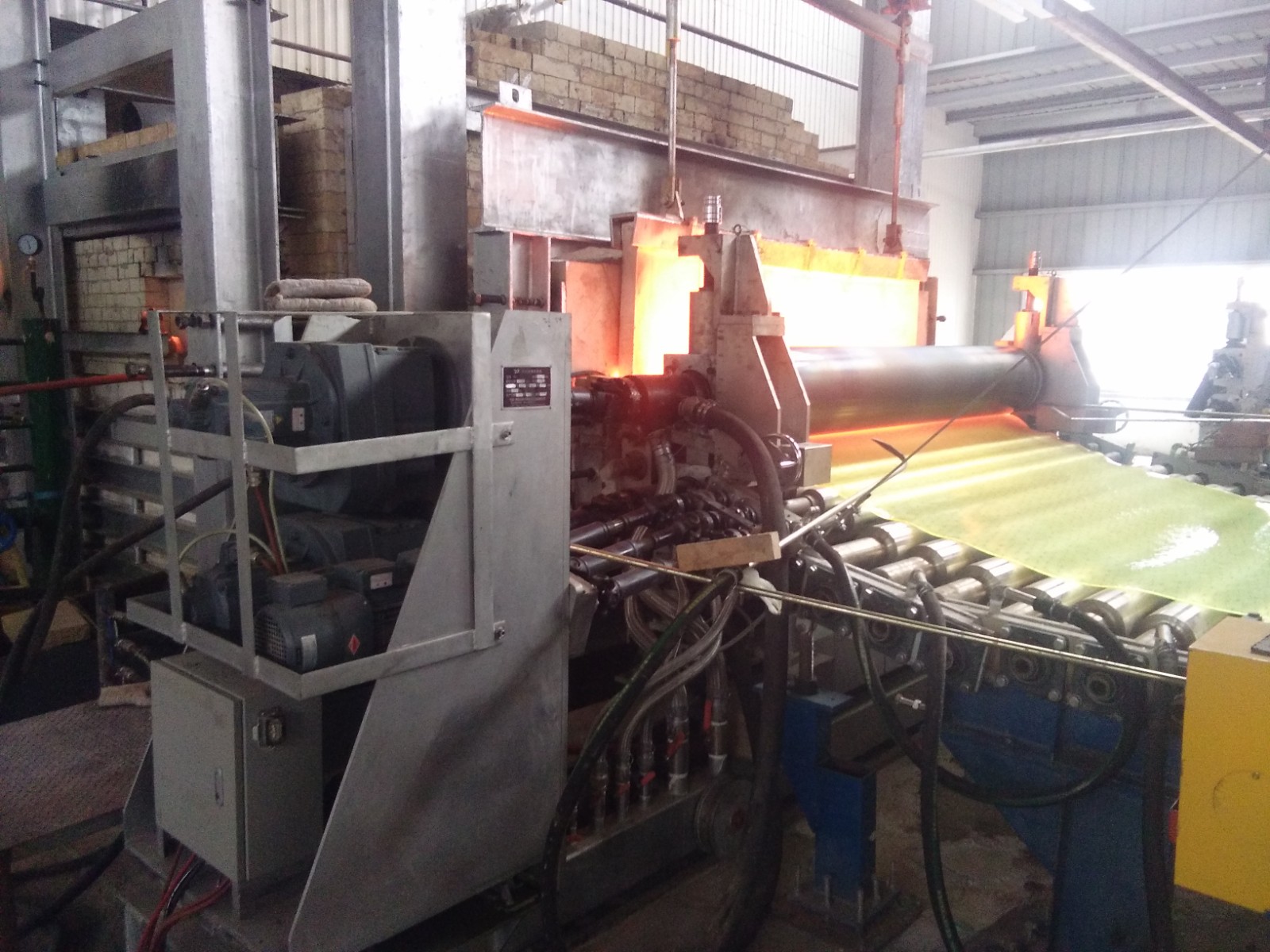
- Forming Method: Float bath specifications for flat glass, or Individual Section (IS) machine configurations for container glass.
- Annealing Lehr Parameters: Width, cooling curve precision, and energy recovery systems.
- Automation Level: DCS (Distributed Control System) requirements and cold-end robotic integration.
Need help translating your production goals into technical specifications? Talk to our engineering sourcing team.
Discuss Your Project SpecsIntegration and Manufacturing Capabilities
A glass production line is rarely manufactured by a single entity. The primary engineering contractor usually fabricates the core furnace structure and proprietary forming equipment while integrating sub-systems (like batch plants, compressors, and inspection scanners) from specialized vendors.
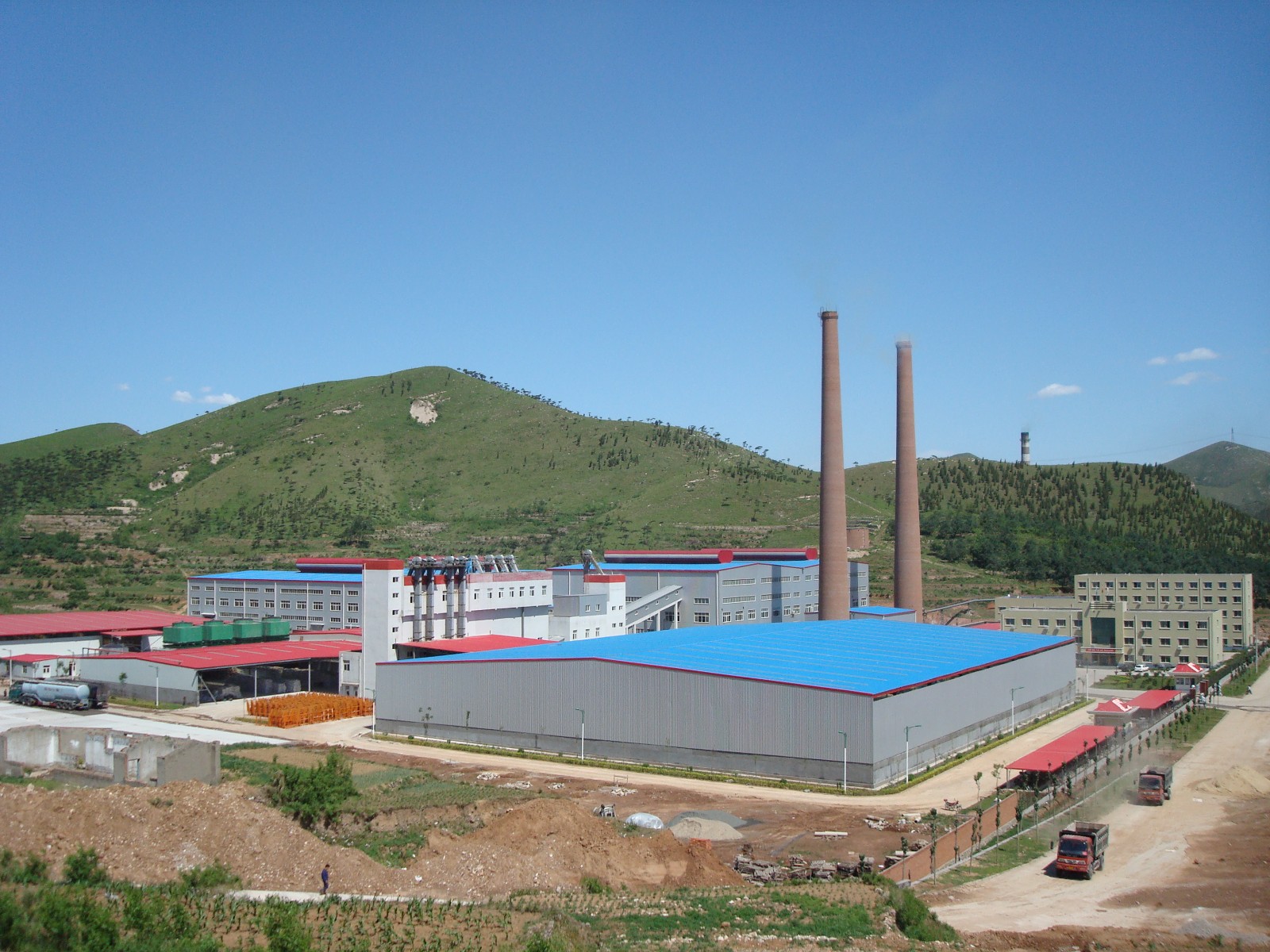
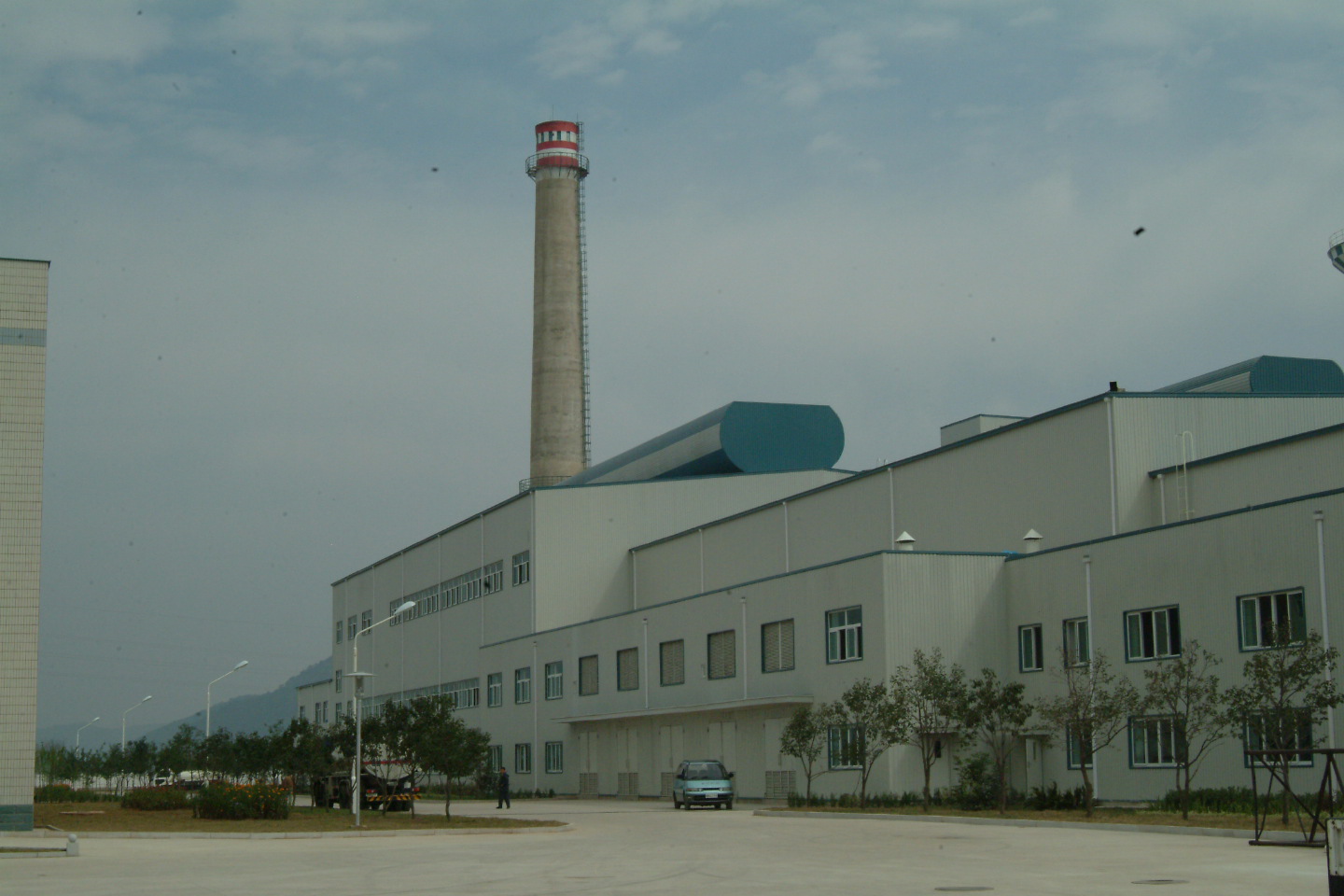
Because you are buying a complex integrated system rather than a standalone machine, verifying the lead contractor's assembly and integration capabilities is critical. Conducting rigorous Factory Audits on the lead EPC (Engineering, Procurement, and Construction) provider ensures they have the facility capacity and technical depth to manage the sub-tier suppliers effectively.
| System Phase | Key Equipment | Primary Sourcing Focus |
|---|---|---|
| Batching & Mixing | Weighing hoppers, mixers, dust collectors | Material consistency, dust suppression |
| Hot End (Melting) | Refractory materials, burners, electrodes | Thermal efficiency, refractory lifespan |
| Forming | Tin bath (float), IS machines (container) | Precision tolerances, yield rates |
| Cold End | Scanners, cutting bridges, stackers | Automation speed, defect detection accuracy |
Quality Control and Acceptance Testing
Quality control for production line engineering happens in phases. You cannot simply inspect the finished product; you must validate the engineering design, the fabrication of individual modules, and the final integration.
Standard practice dictates a Factory Acceptance Test (FAT) before the equipment leaves the manufacturer's facility, followed by a Site Acceptance Test (SAT) after installation. During FAT, verify the DCS software, motor controls, and mechanical tolerances of the cold-end equipment. Proper Supply Chain Management is essential here to coordinate the timelines of various sub-contractors so that the FAT can be conducted comprehensively.
Project Economics: Lead Times, Pricing, and Logistics
Procuring a glass production line requires significant lead time and milestone-based financial planning.
Logistics and Shipping Challenges
Transporting a complete glass line involves hundreds of shipping containers, including Out of Gauge (OOG) cargo for oversized structural components and sensitive refractory bricks that require strict moisture control. Coordinating the Shipping & Freight requires an experienced forwarder who can sequence the delivery so that materials arrive on-site exactly when the installation crew needs them, minimizing costly on-site storage.
Coordinating a multi-container machinery shipment? Talk to our logistics experts about sequencing and OOG freight.
Consult on Logistics & FreightFrequently Asked Questions
Successfully sourcing a glass production line requires balancing upfront capital costs with long-term operational efficiency. By rigorously vetting the engineering contractor's integration experience and strictly managing the sub-tier supply chain, buyers can secure a high-yield production asset that remains competitive for its entire campaign life.
Get Sourcing Help for Glass Production Line Engineering
Tell us your requirements and our experts will connect you with verified manufacturers.