Gear Pullers
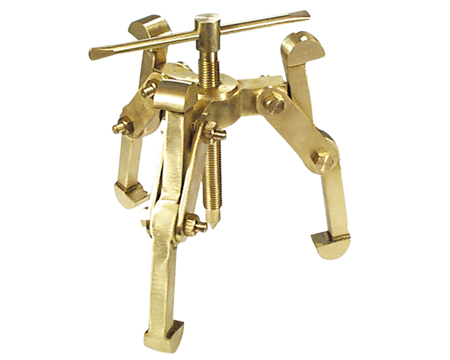
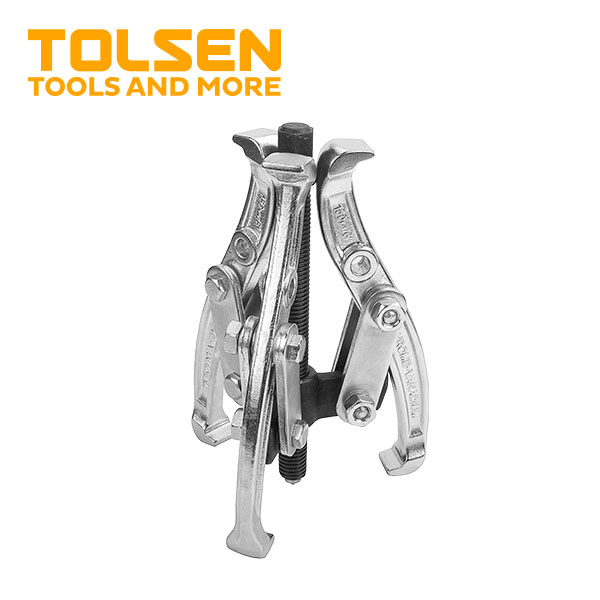
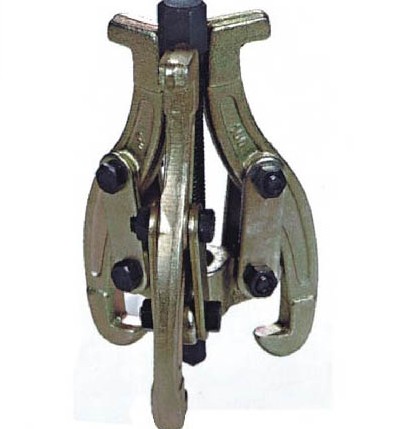
Source professional-grade gear pullers from vetted manufacturers and wholesale suppliers. Designed for importers, distributors, and tool brands seeking reliable OEM and private-label production, our global network delivers high-torque extraction tools engineered for heavy-duty automotive and industrial applications.
Sourcing heavy-duty gear pullers requires strict attention to metallurgy and forging processes. A tool designed to extract bearings, pulleys, and gears under immense pressure cannot afford structural failure. For wholesale buyers and tool brands, the sourcing challenge lies in identifying manufacturers who consistently control heat treatment and thread precision across high-volume production runs, rather than just assembling off-the-shelf components.
Metallurgy and Technical Specifications
The core of a reliable gear puller is its material composition. Because these tools are subjected to extreme pulling forces, the jaws and the forcing screw must be engineered from distinct steel grades with specific hardness ratings.
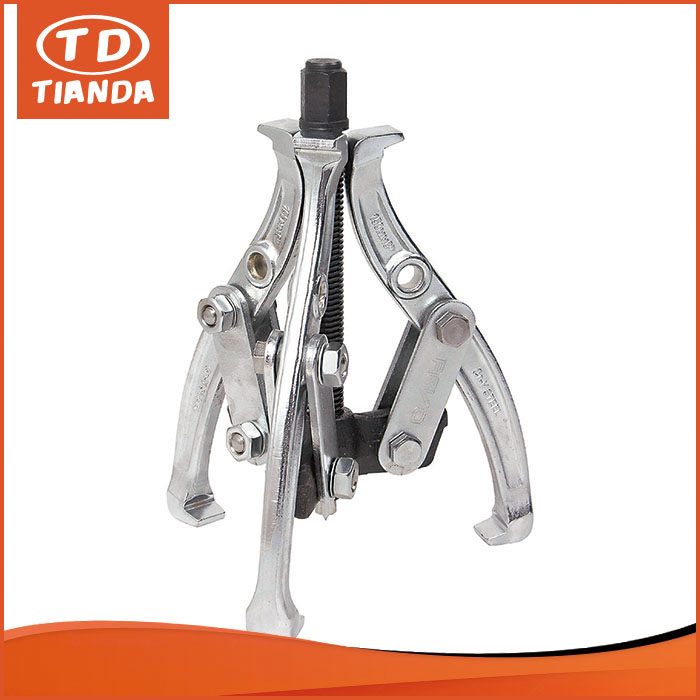
- The Forcing Screw (Center Bolt): This component bears the brunt of the rotational friction and axial load. It should be manufactured from high-carbon steel or Chrome Molybdenum (Cr-Mo) and heat-treated to a hardness of HRC 50 to 55. Crucially, the threads must be rolled rather than cut to ensure maximum shear strength.
- The Jaws (Legs): Jaws require a balance of tensile strength and slight ductility to prevent catastrophic shattering under maximum load. Drop-forged Chrome Vanadium (Cr-V) is the industry standard for professional tools, typically heat-treated to HRC 40 to 45.
| Material Grade | Primary Application | Durability Profile |
|---|---|---|
| Carbon Steel | Light automotive, DIY retail kits | Low cost, prone to deformation under high torque |
| Chrome Vanadium (Cr-V) | Professional automotive, industrial maintenance | High tensile strength, standard for drop-forged jaws |
| Chrome Molybdenum (Cr-Mo) | Heavy-duty hydraulic pullers, impact use | Maximum impact resistance and yield strength |
Need to secure reliable drop-forging facilities for your next tool line? We vet and manage suppliers capable of exact metallurgical standards.
Talk to our teamManufacturing Processes and Quality Control
The factory floor is where a gear puller's quality is established. Many lower-tier suppliers attempt to cut costs by using cast iron or cast steel for the jaws—a critical red flag. Cast jaws lack the directional grain structure of drop-forged steel and are highly susceptible to snapping under tension, creating a severe safety hazard.
When evaluating a manufacturer, you must verify their forging capabilities and their in-house heat treatment consistency. Uneven heat treatment can leave one jaw brittle while another remains soft, leading to immediate failure during extraction. Implementing rigorous Quality Control & Inspection protocols is essential before any shipment leaves the facility.
Critical Factory QC Checkpoints for Gear Pullers
- Verify drop-forged construction of jaws (reject cast components).
- Inspect forcing screw threads for rolled manufacturing (no cutting burrs).
- Test Rockwell Hardness (HRC) separately for screws (higher HRC) and jaws (lower HRC).
- Check jaw tip alignment and machining symmetry for even grip distribution.
- Evaluate surface plating (chrome or black oxide) for uniform thickness and rust prevention.
OEM Customization and Tool Sets
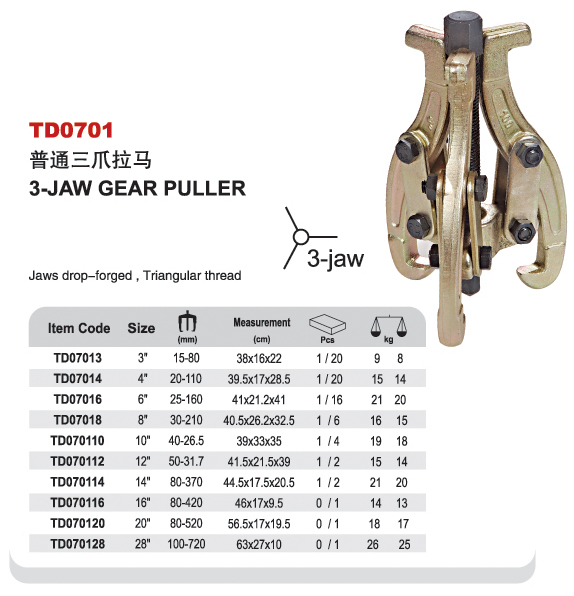
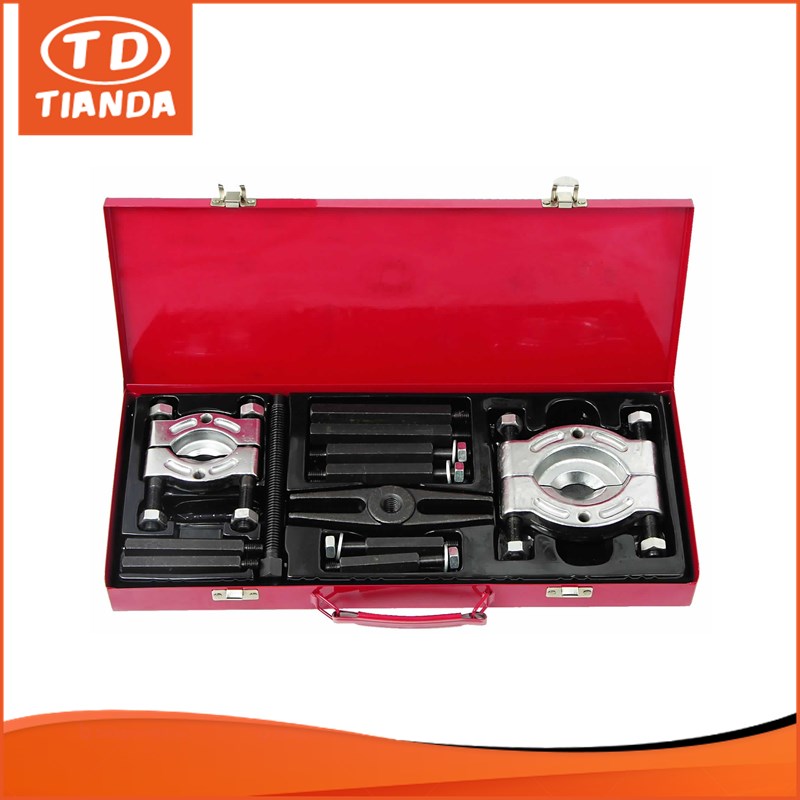
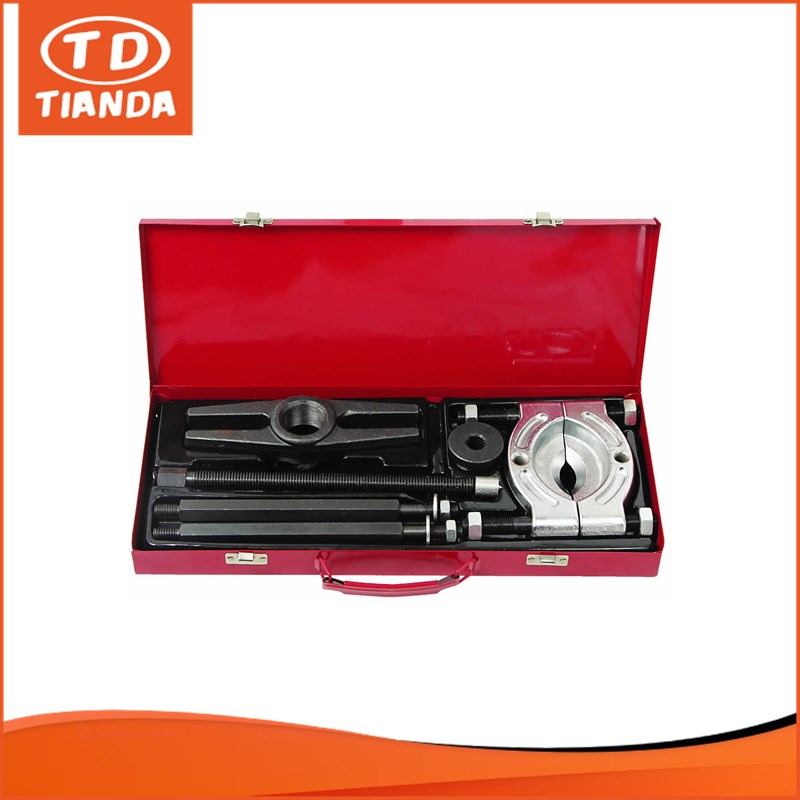
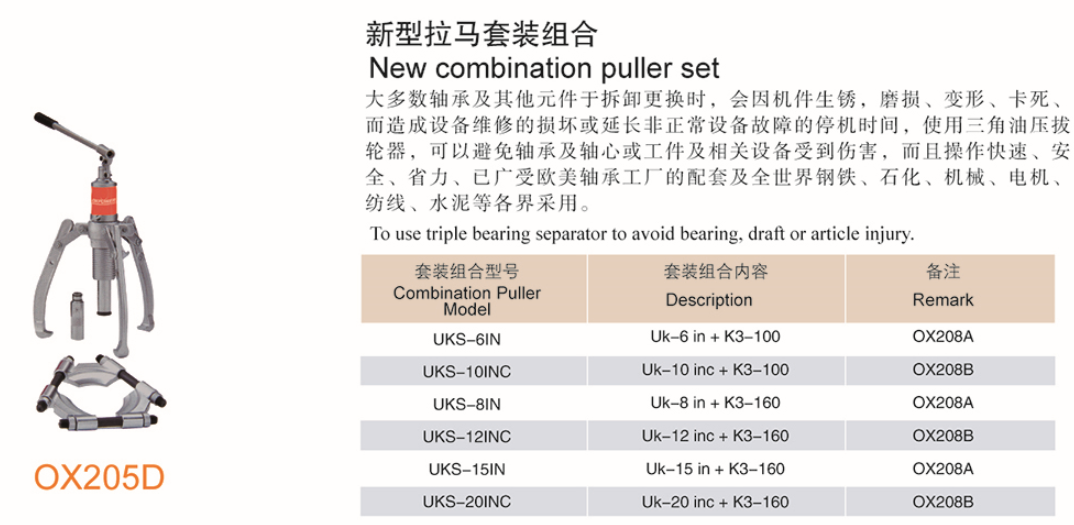
For brands building a proprietary tool line, gear pullers are rarely sourced as single units. They are typically packaged in sets (e.g., 3-inch, 4-inch, 6-inch, and 8-inch capacities) or as reversible 2-jaw/3-jaw combination kits.
Working with capable OEM/ODM Services allows you to customize the jaw geometry for specific automotive applications (like pitman arm pullers or specialized bearing splitters). You can also specify the exact surface finish, branding (laser etching or stamping on the yoke), and blow-molded case design.
Pricing Drivers, MOQs, and Lead Times
Pricing for gear pullers is heavily dictated by the weight of the raw steel, the alloy grade (Cr-V vs. basic carbon steel), and the complexity of the forging dies.
Minimum Order Quantities (MOQs) for custom-branded gear pullers usually depend on the packaging and the size of the tool. For individual large pullers, MOQs can be as low as 500 pieces. For blow-molded sets, factories typically require 500 to 1,000 sets to cover the cost of custom case production. Lead times generally run 35 to 45 days, as drop-forging and heat treatment are time-intensive batch processes. Conducting Factory Audits prior to placing volume orders ensures the supplier actually owns the forging equipment rather than outsourcing it to unverified sub-tier workshops.
Optimize your procurement strategy. We negotiate pricing, manage MOQs, and oversee production directly with the factory.
Get a free consultationFrequently Asked Questions
Sourcing reliable gear pullers means navigating the complexities of steel markets, forging capabilities, and strict quality assurance. By partnering with experienced sourcing professionals, you can ensure your hand tools meet professional safety standards and arrive exactly to specification, protecting your brand's reputation in the market.
Get Sourcing Help for Gear Pullers
Tell us your requirements and our experts will connect you with verified manufacturers.