Gauges
Source industrial and precision gauges in bulk directly from vetted manufacturers in China and Asia. Designed for importers, wholesalers, and brands seeking OEM production, our network delivers reliable measurement instruments built to exact calibration and material standards at competitive wholesale volumes.
Sourcing industrial and precision gauges at scale requires strict adherence to accuracy classes and material specifications. The primary challenge for bulk buyers is maintaining batch-to-batch calibration consistency. A minor deviation in a Bourdon tube's wall thickness, a poorly machined connection thread, or substandard fill fluids can lead to field failures, safety risks, and entirely rejected inventory.
Ensure your gauge manufacturers have the metrology infrastructure required to meet international standards before you commit to a bulk order.
Talk to our teamCritical Specifications and Material Selection
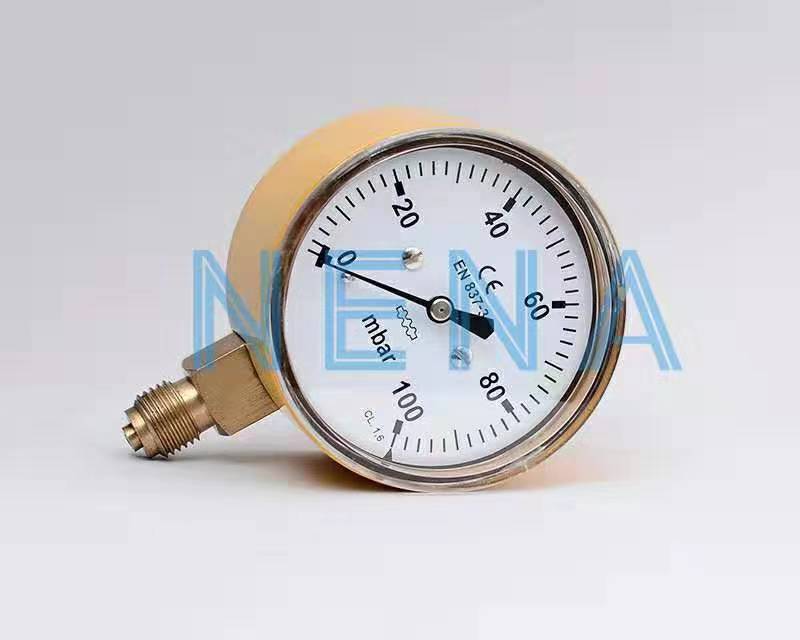
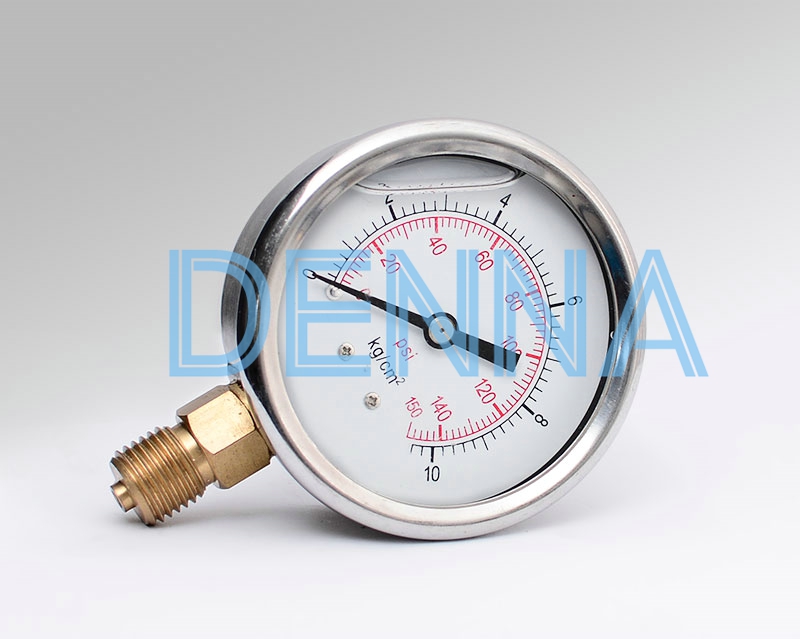
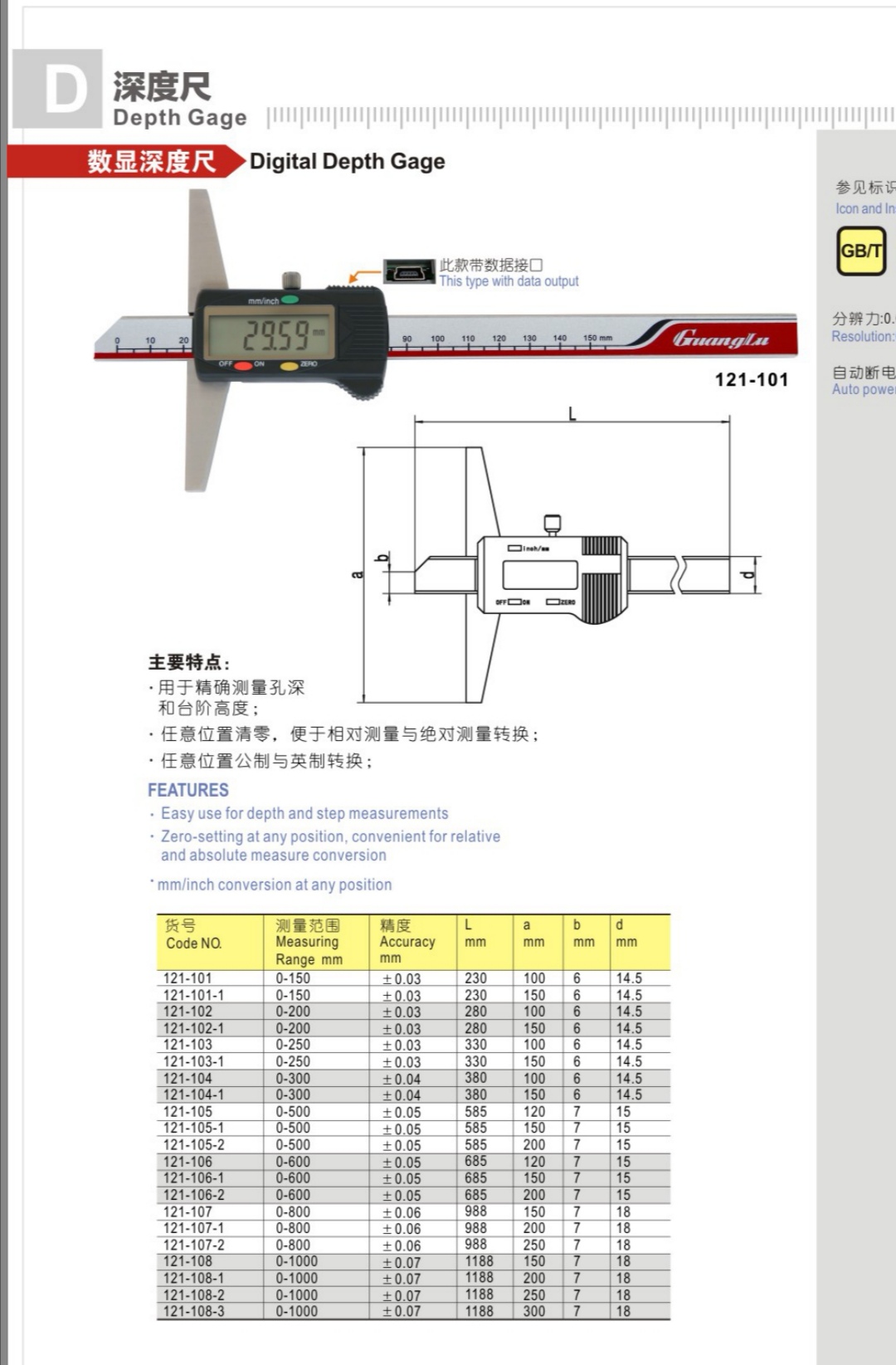
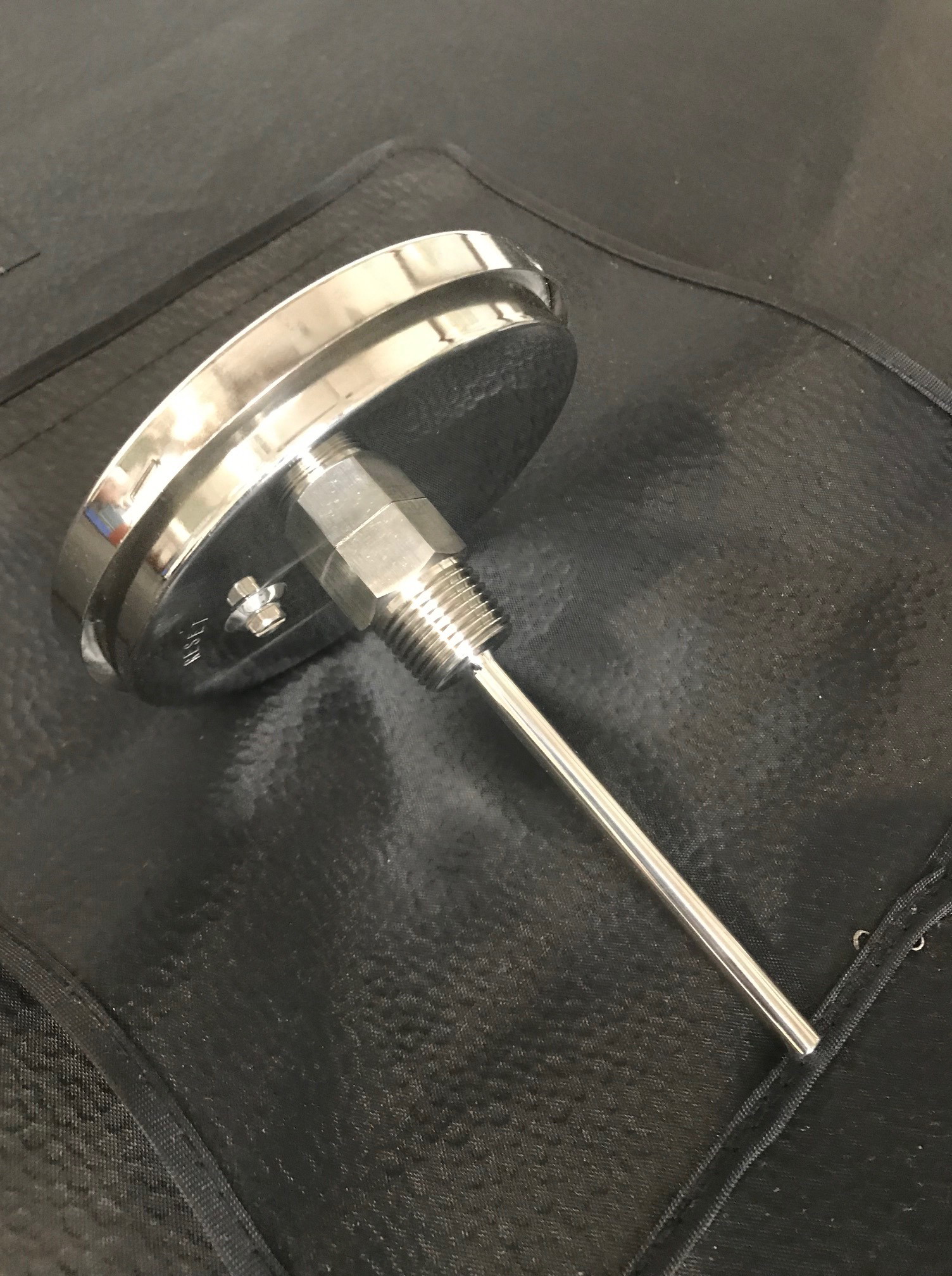
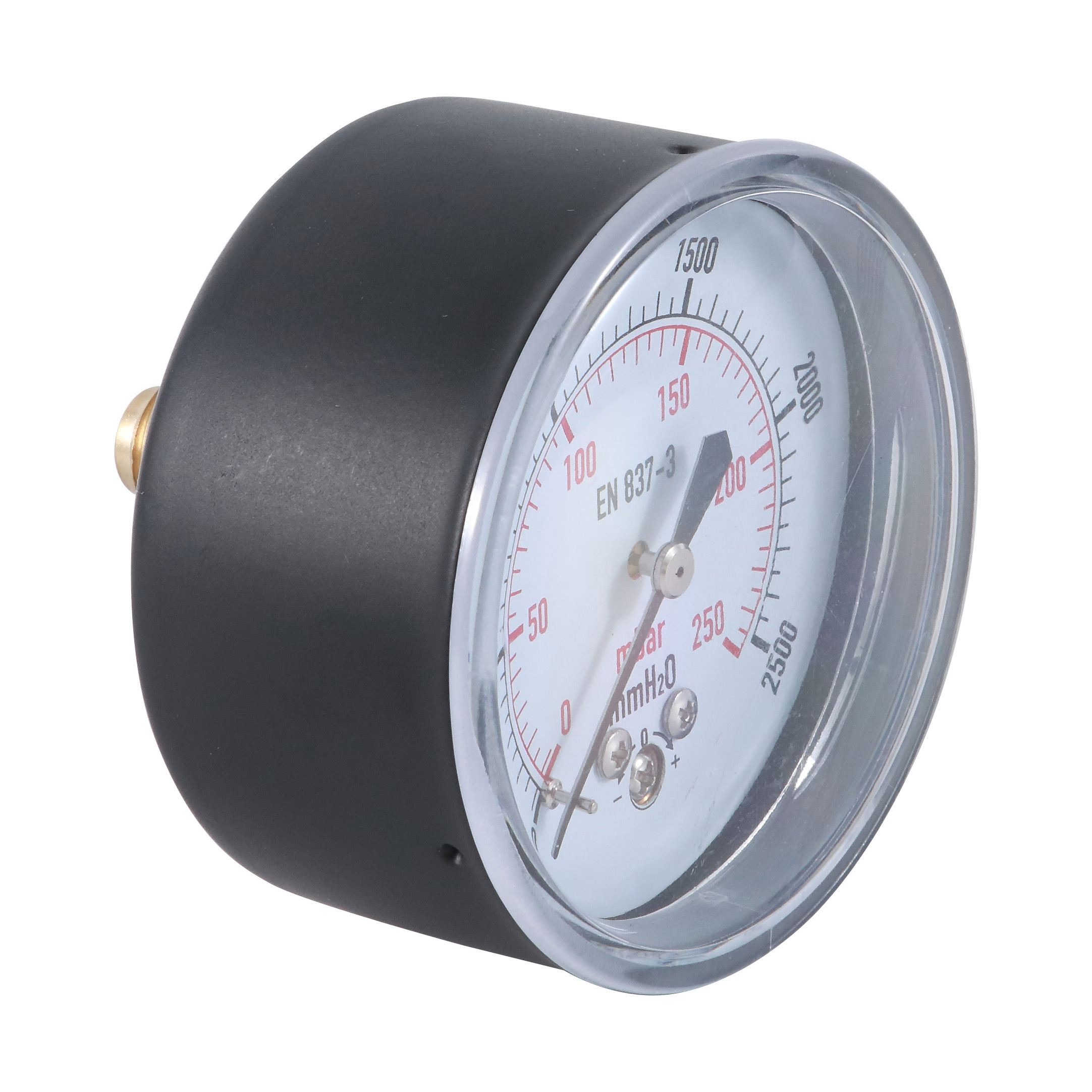
Whether you are procuring mechanical pressure gauges, digital indicators, or precision measuring tools, the bill of materials directly dictates the instrument's lifespan and accuracy. Buyers must explicitly define the materials for both the housing and the "wetted parts" (the components in direct contact with the measured media).
| Specification | Commercial / Utility Grade | Industrial / Process Grade |
|---|---|---|
| Wetted Parts | Brass or Copper Alloy | 316L Stainless Steel or Monel |
| Case Material | Black Steel or ABS Plastic | 304 Stainless Steel or Phenolic |
| Accuracy Class (ASME) | Grade B (3-2-3%) | Grade 1A (1% full scale) or better |
| Window / Lens | Polycarbonate or Acrylic | Shatterproof Safety Glass |
When defining specifications with a supplier, ensure the connection threads (e.g., NPT, BSPT, G-thread) are machined to exact tolerances. A common cost-cutting measure in lower-tier factories is to under-machine threads or substitute 316L stainless steel with 304, which severely compromises corrosion resistance in chemical or marine applications.
Manufacturing Vulnerabilities and Quality Control
The reliability of a gauge is won or lost during the calibration and assembly phases. High-quality manufacturers utilize automated laser-welding for Bourdon tubes and maintain temperature-controlled metrology labs for calibration.
To mitigate risks, buyers should implement rigorous Quality Control & Inspection protocols focusing on these common factory-floor failures:
Pre-Shipment Inspection Focus Areas
- Calibration Drift: Verify accuracy across 5 points (0%, 25%, 50%, 75%, 100% of scale) using a certified deadweight tester.
- Fluid Leakage: Inspect liquid-filled gauges (glycerin or silicone) for seal integrity around the bezel and fill plug after vibration testing.
- Hysteresis and Repeatability: Ensure the gauge returns to absolute zero after reaching full-scale pressure.
- Overpressure Recovery: Test the instrument's ability to maintain calibration after a temporary spike above its maximum rated scale.
Before tooling up for a new product line, conducting thorough Factory Audits is essential to verify that the supplier's calibration equipment is actively maintained and traceable to national or international standards (such as NIST or ISO/IEC 17025).
Customization and Private Labeling
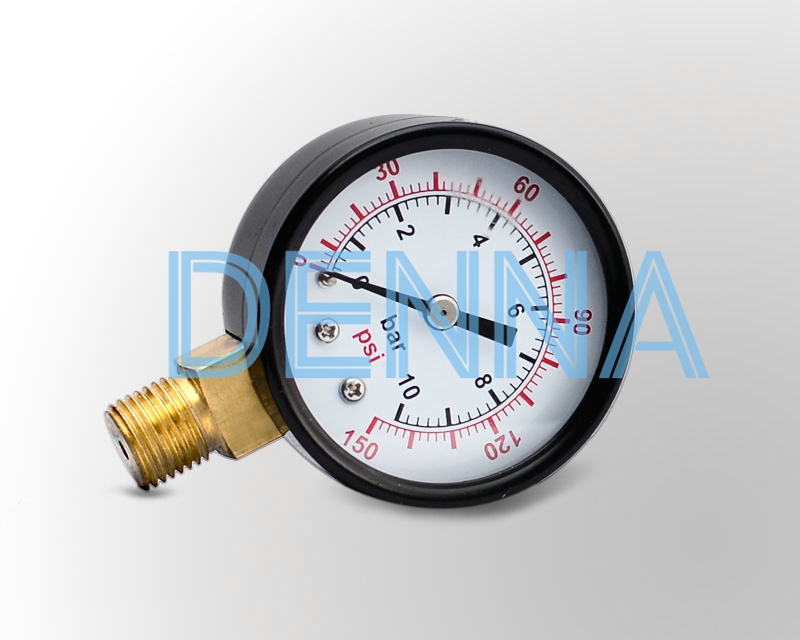
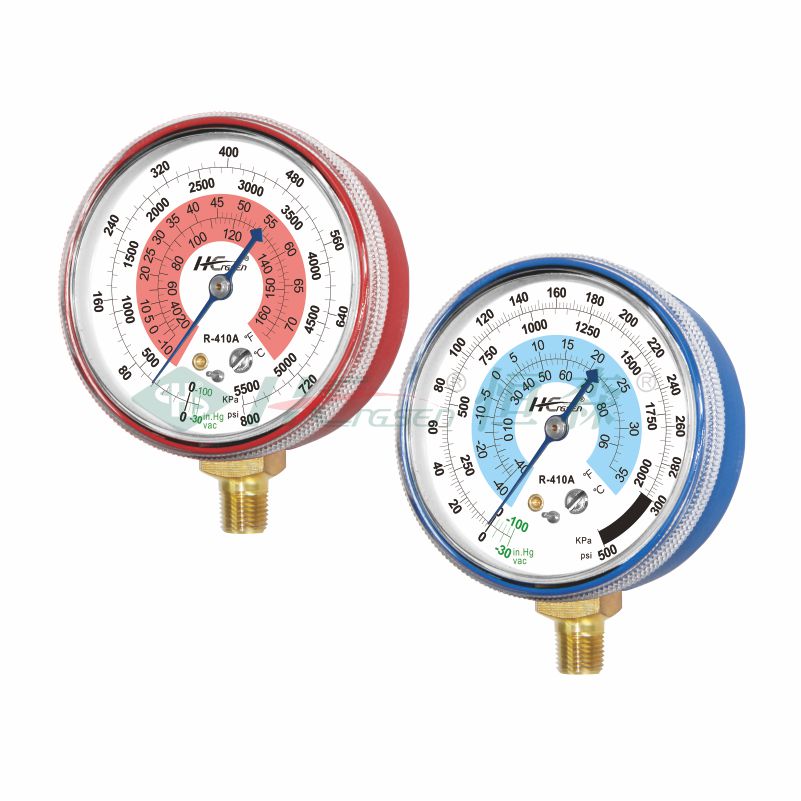
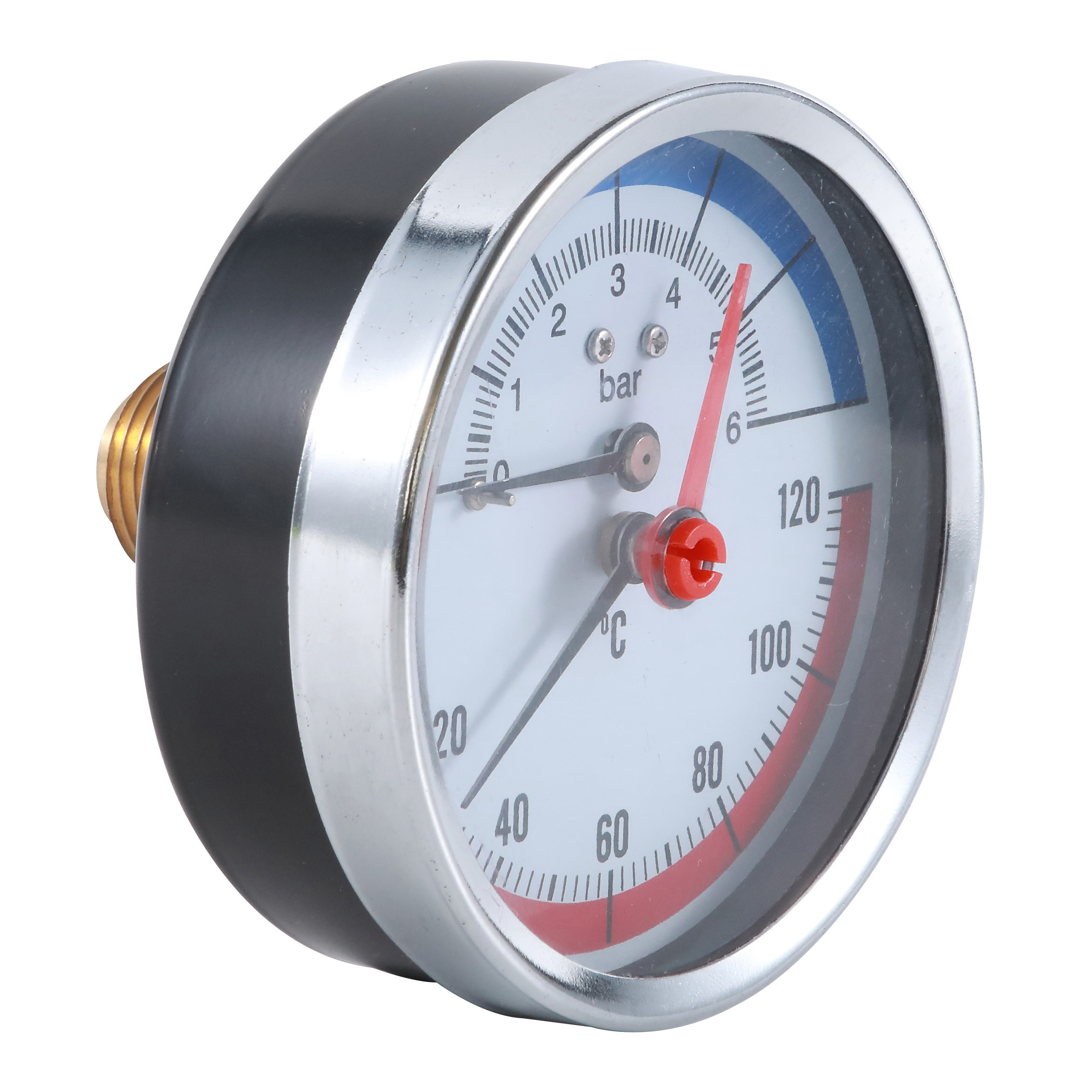
For brands and distributors, the dial face and housing offer significant branding real estate. Utilizing OEM/ODM Services allows buyers to customize the measurement scales (e.g., dual scale psi/bar), incorporate company logos, and color-code warning zones directly onto the dial.
Specify UV-Resistant Inks
If your gauges will be used outdoors, explicitly require UV-resistant inks for the dial face. Standard inks used by many suppliers will fade to illegibility within a year of direct sunlight exposure.
Typical Pricing, MOQs, and Lead Times
Pricing and minimum order quantities are highly dependent on the gauge's complexity, accuracy class, and material composition. Digital gauges with integrated sensors will naturally command higher MOQs due to PCB manufacturing requirements.
Consolidating your orders across different pressure ranges but utilizing the same case size and connection type can often help negotiate lower MOQs per SKU, as the factory can run the housings in a single batch.
Need to negotiate complex OEM specifications or consolidate gauge variants into a single production run? Let our sourcing experts handle the logistics.
Get a free consultationBuyer FAQ
Successfully sourcing precision gauges requires moving past surface-level aesthetics and digging into the factory's metrology capabilities. A supplier's true value is found in their rejection rates and the traceability of their calibration standards, ensuring your instruments perform accurately long after installation.
Get Sourcing Help for Gauges
Tell us your requirements and our experts will connect you with verified manufacturers.