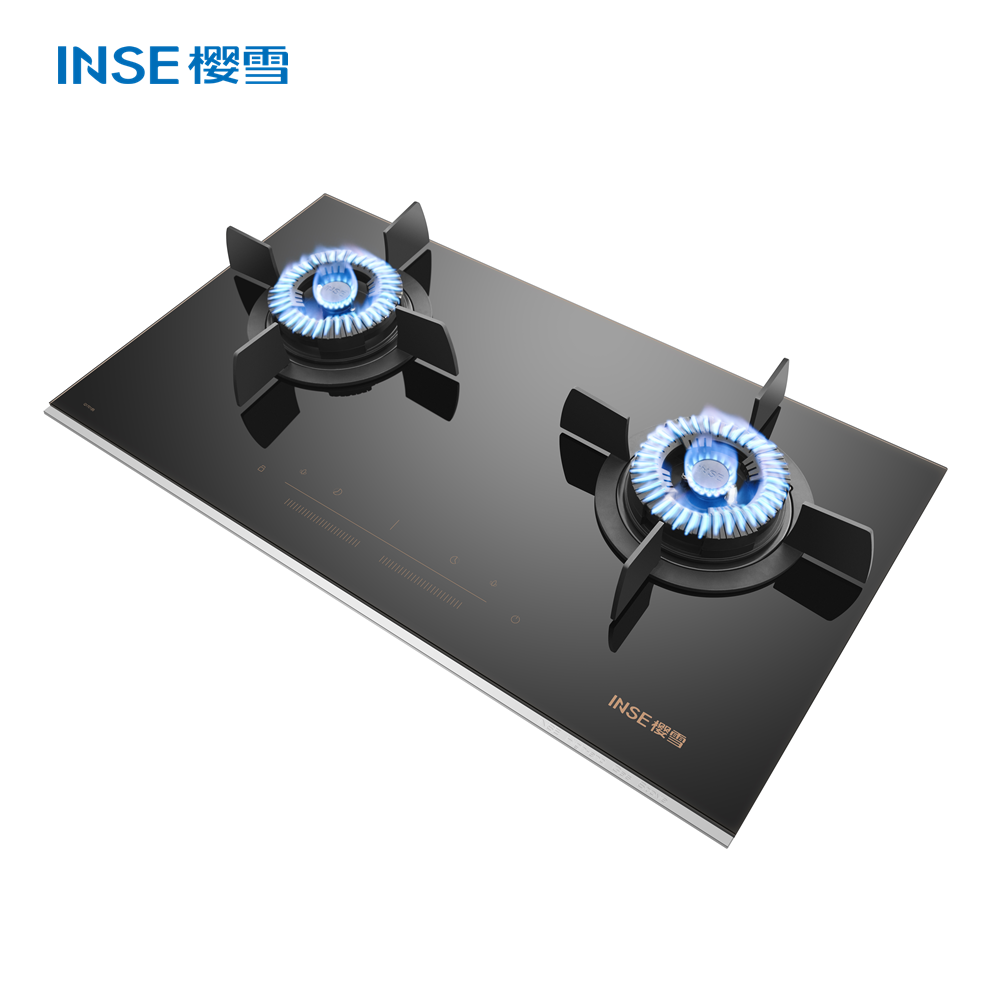
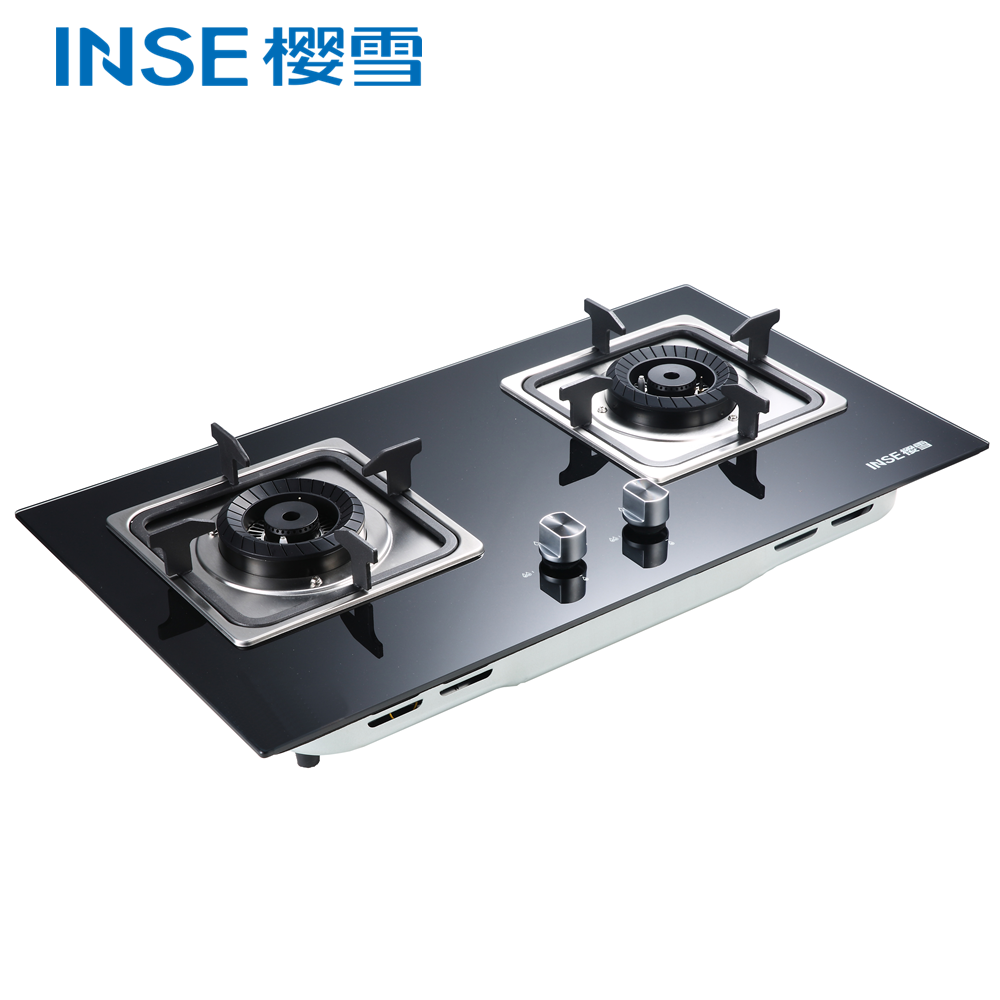
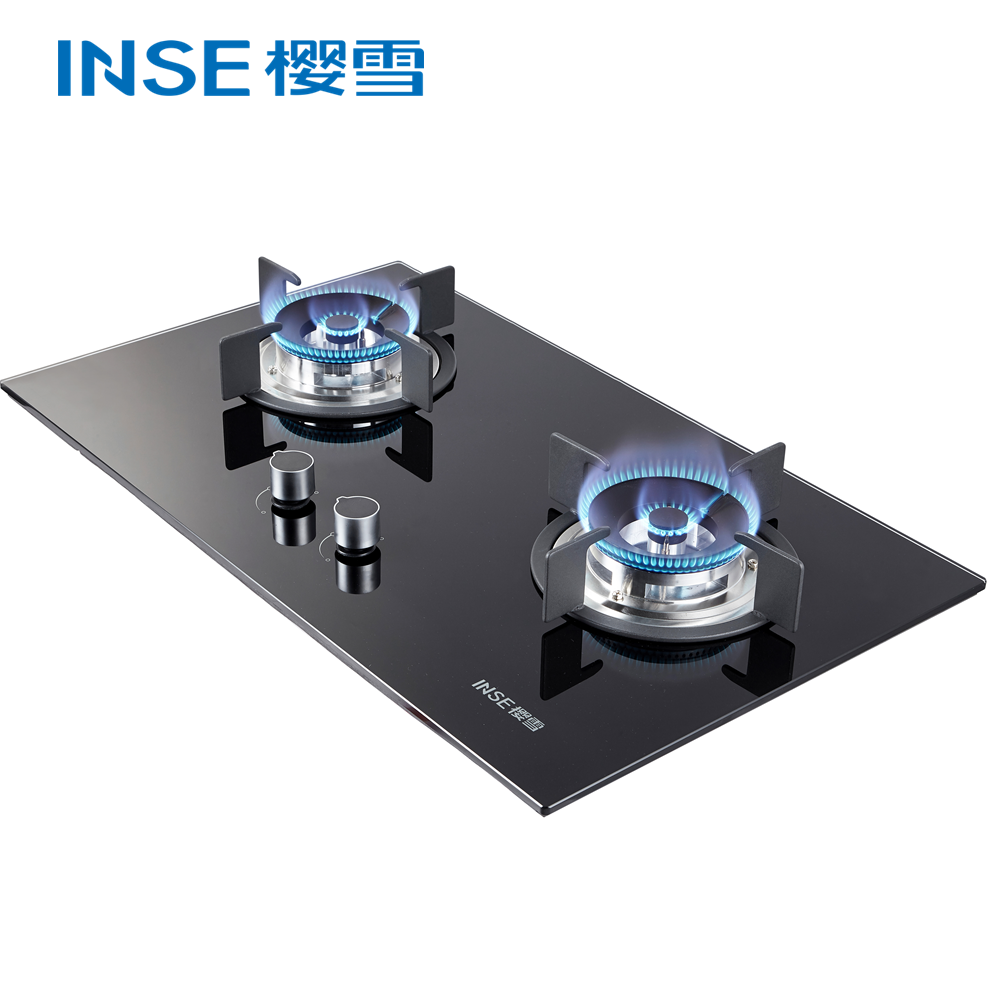
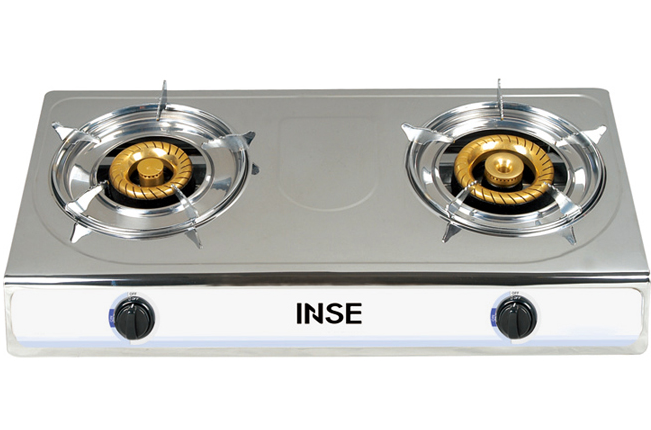
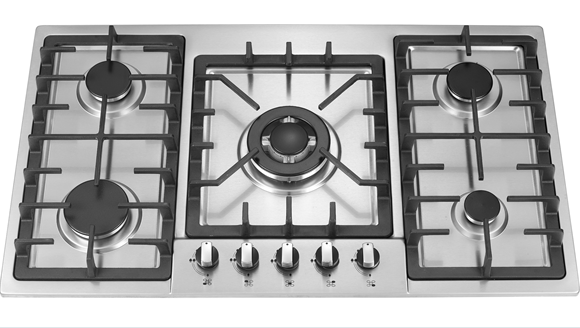
Gas Cookers
Source high-quality gas cookers from vetted manufacturers and wholesale suppliers across Asia. Built for commercial importers, home appliance distributors, and brands seeking OEM or private-label production, our network delivers reliable performance, thermal efficiency, and strict market compliance.
Sourcing gas cookers in volume requires balancing strict safety compliance with unit economics. Unlike inert appliances, gas equipment carries severe liability risks if manufacturing tolerances drift or material quality drops. For bulk buyers, success depends on defining exact specifications for burner efficiency, panel durability, and valve integrity long before production begins.
Core Specifications for Volume Buyers
When customizing units for your target market, the material choices directly dictate the product's lifespan, thermal efficiency, and retail positioning.
Burner and Panel Materials
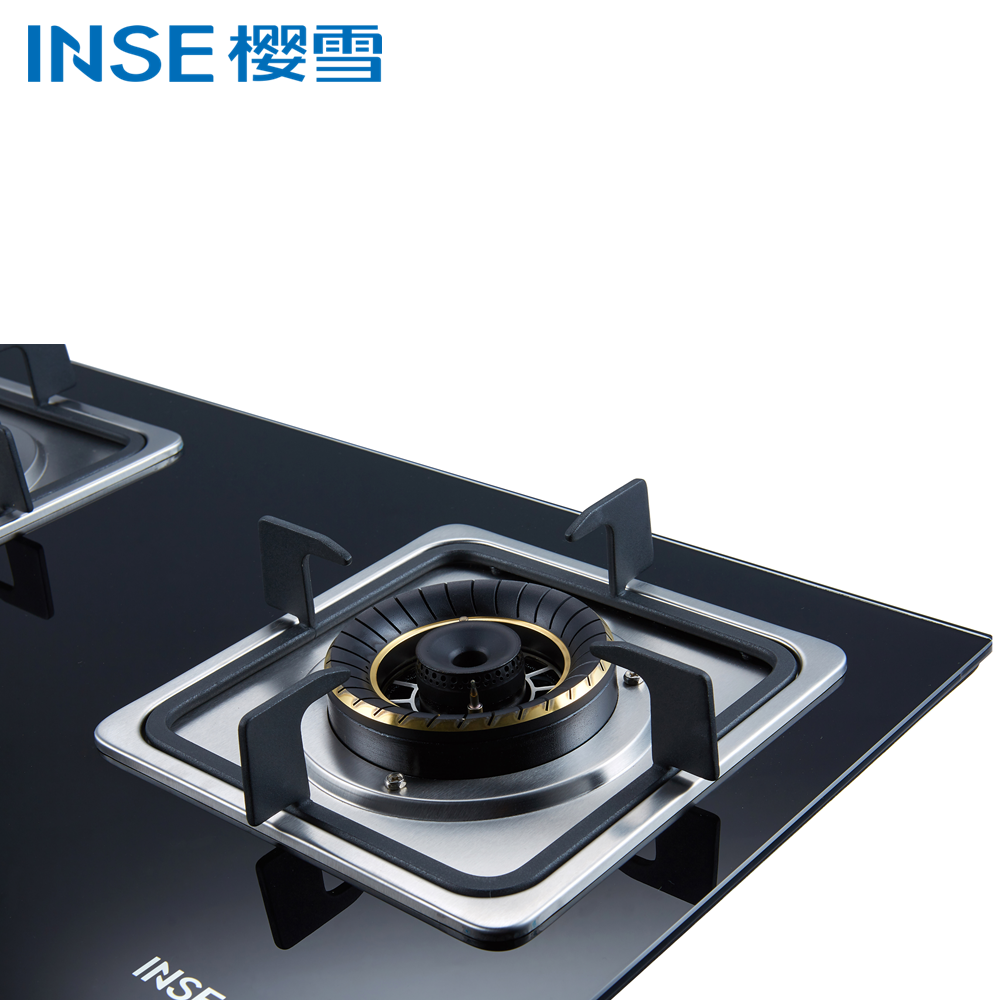
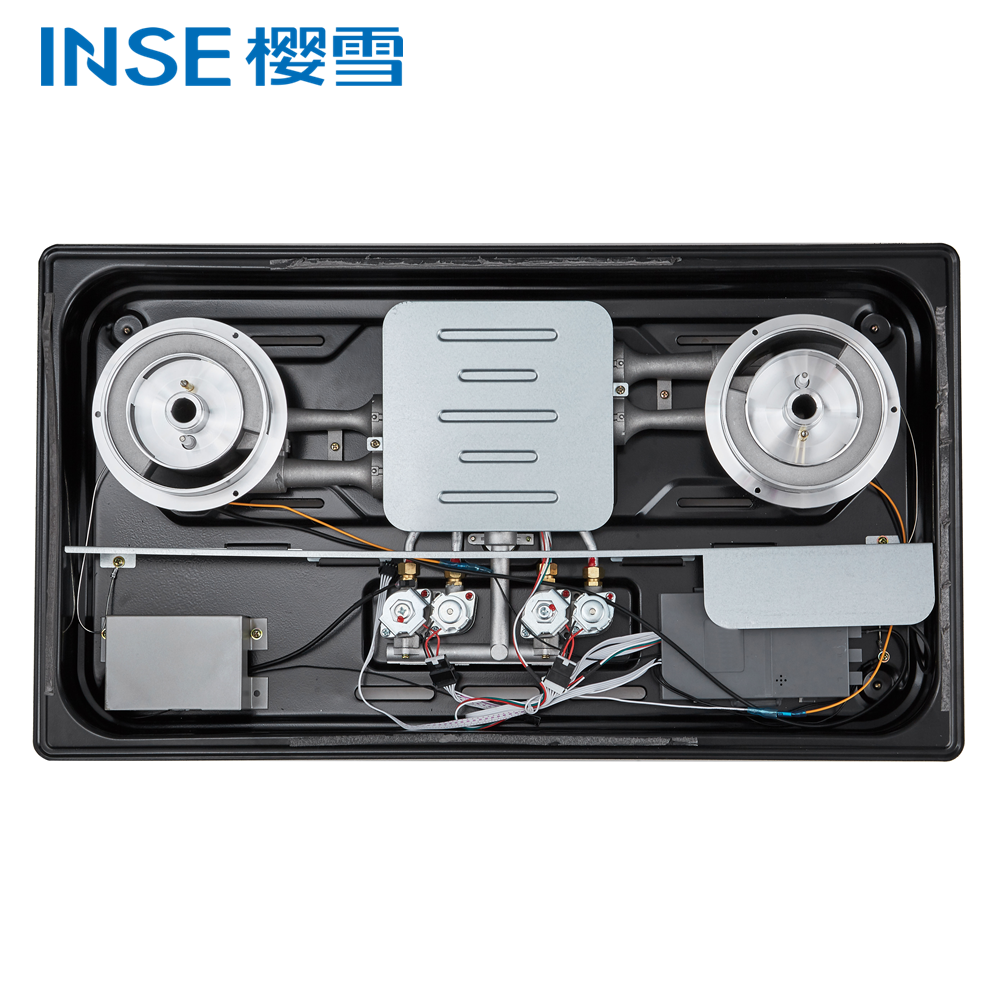
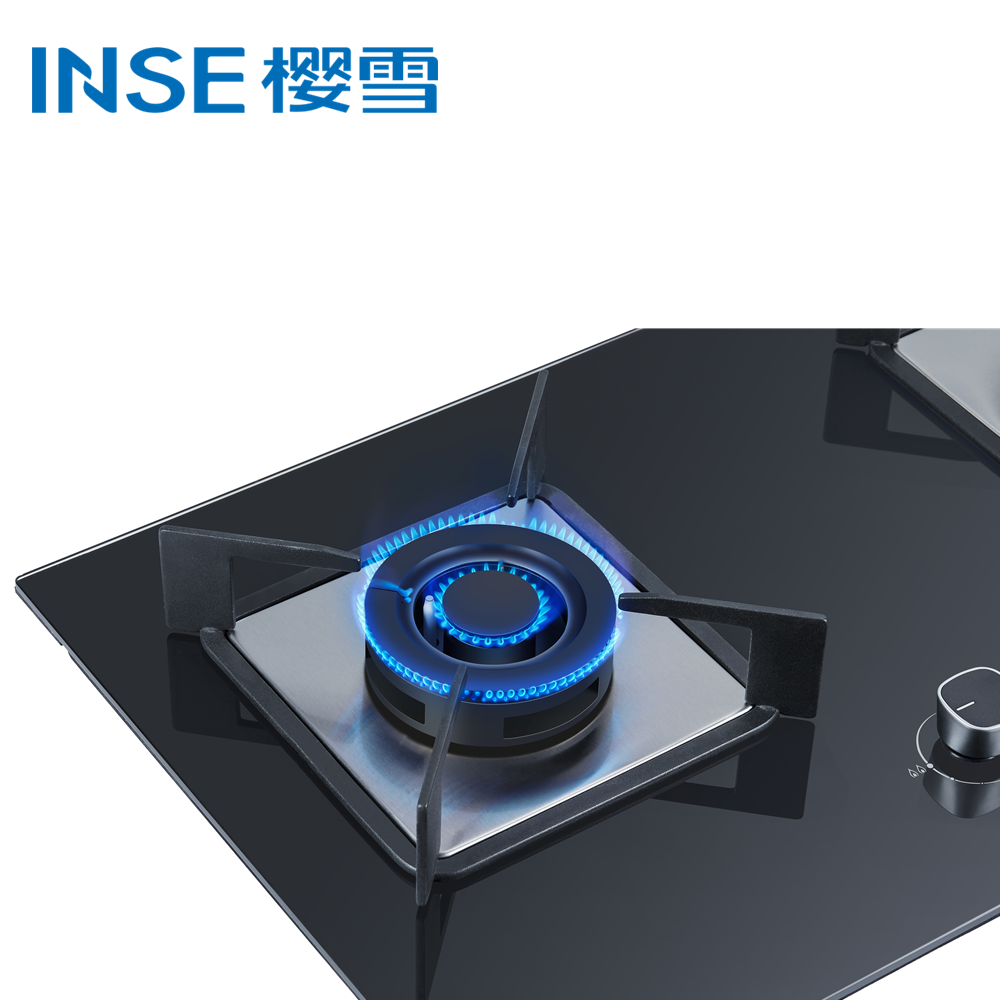
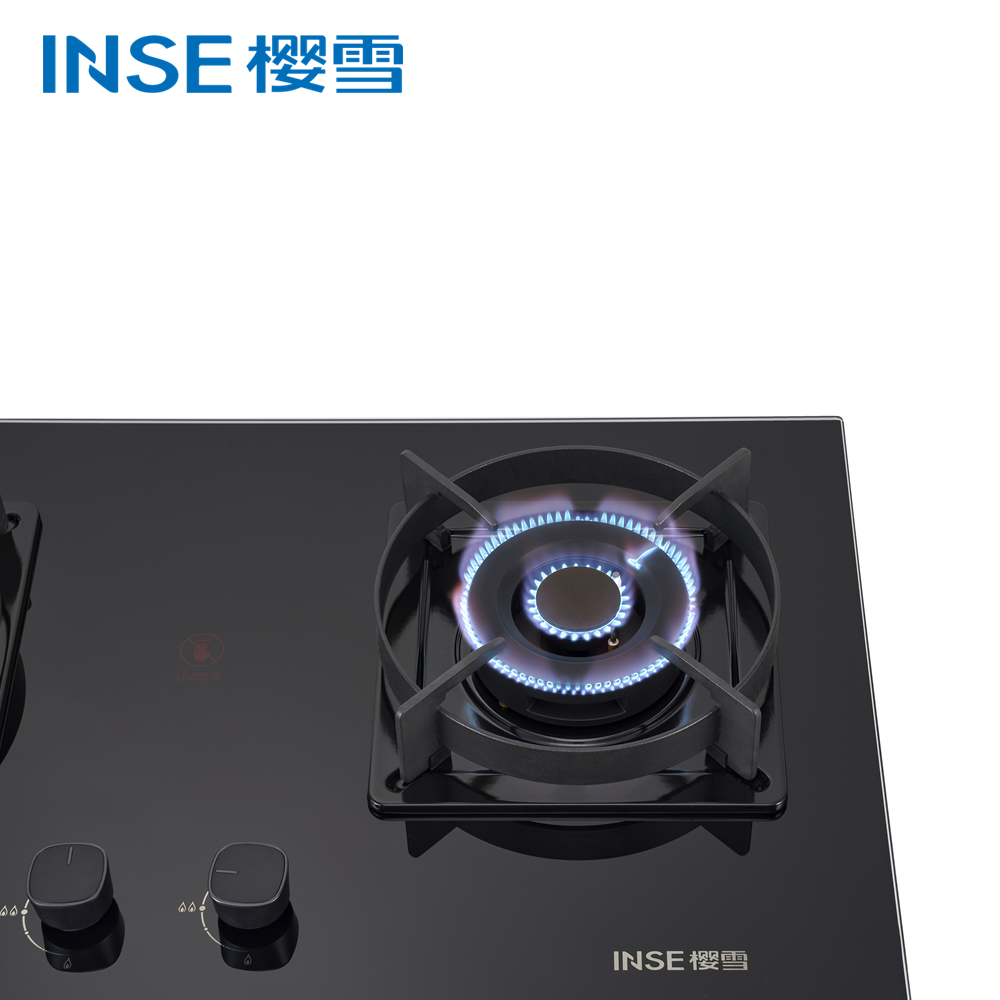
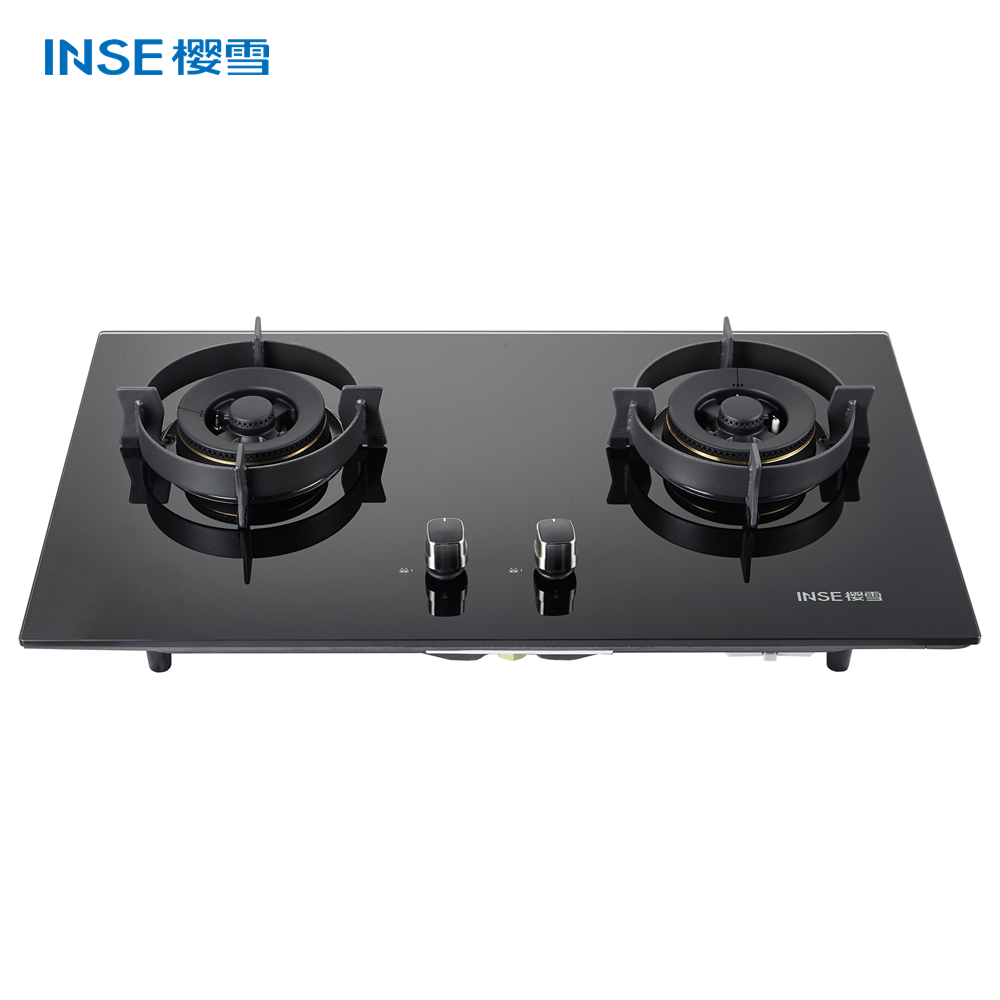
The burner cap and base endure extreme thermal cycling. While aluminum is cost-effective, it deforms over time. Brass offers superior heat resistance and longevity, making it the standard for mid-to-high-end models.
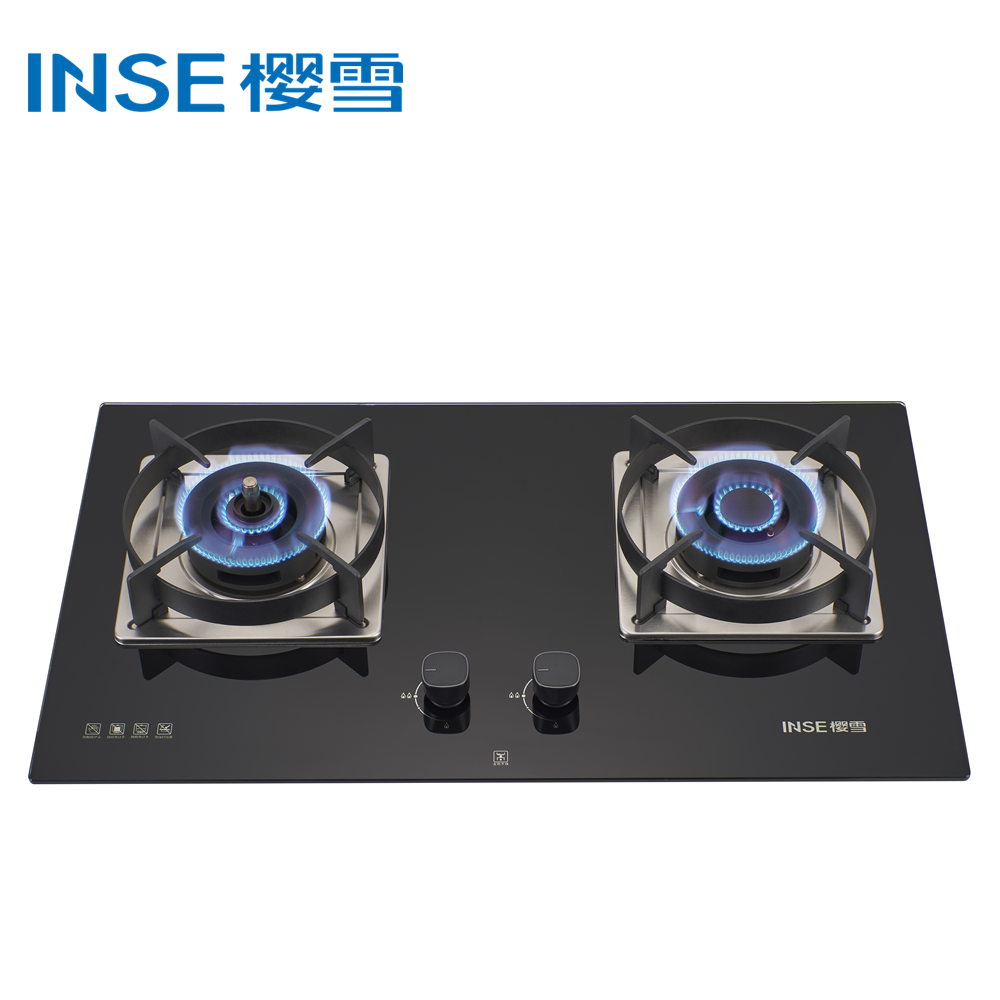
| Component | Economy Tier | Premium Tier |
|---|---|---|
| Burner Cap | Die-cast Aluminum | Forged Brass |
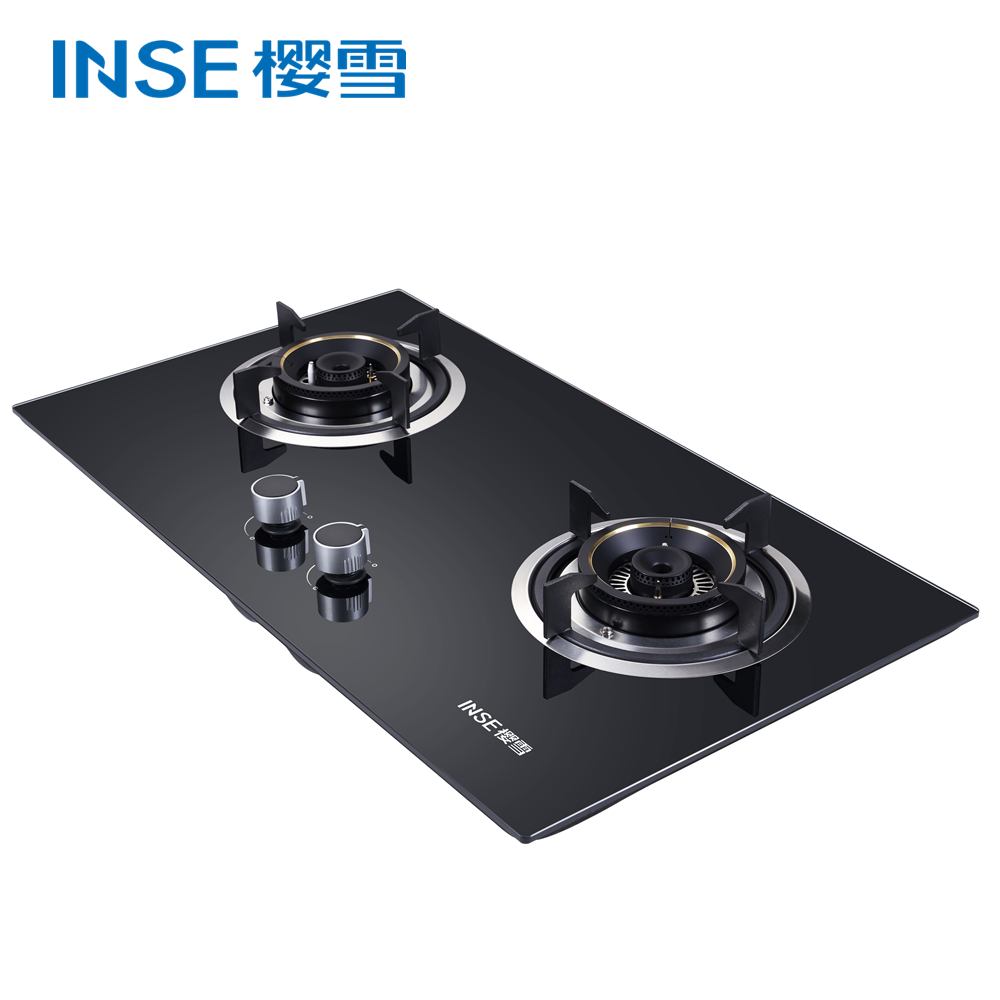
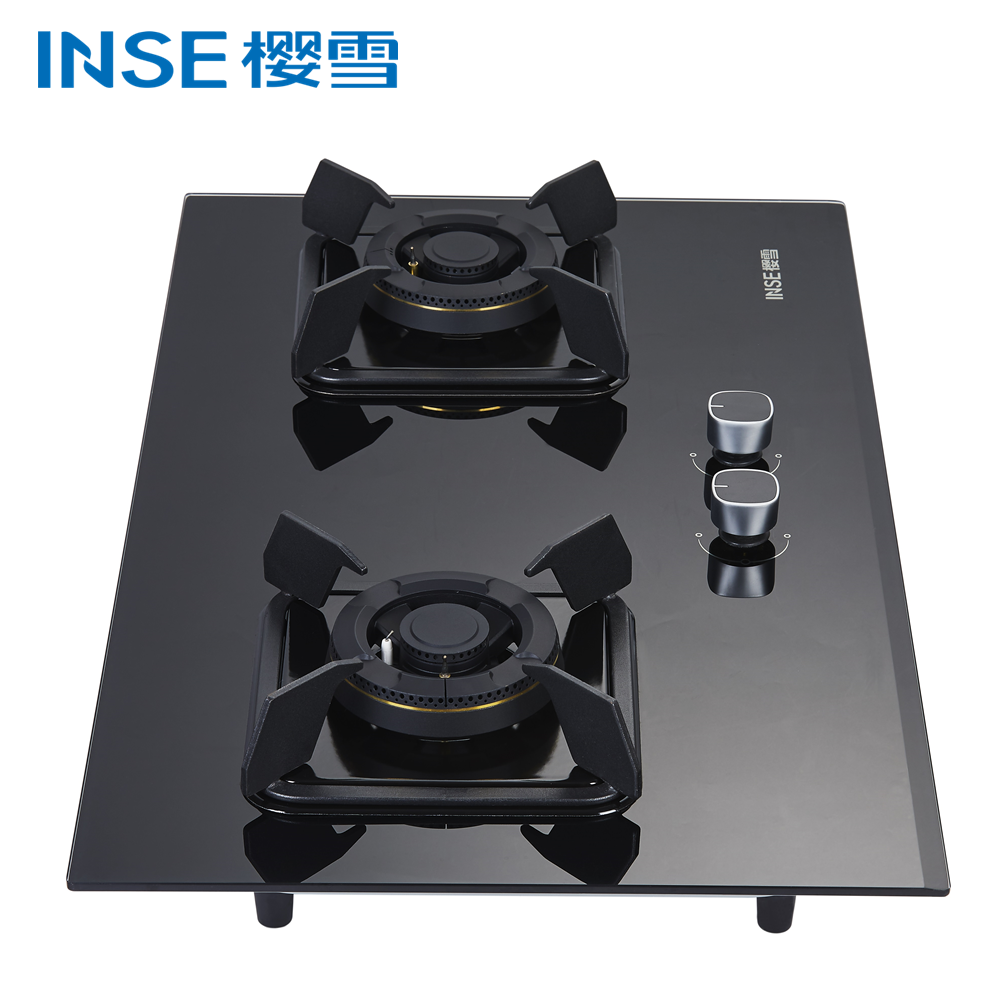
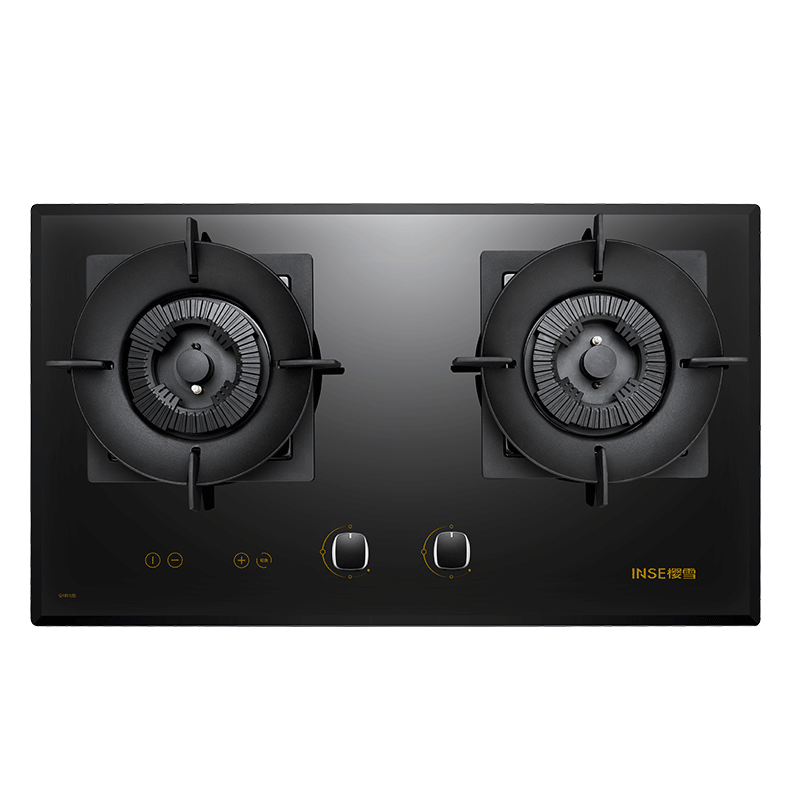
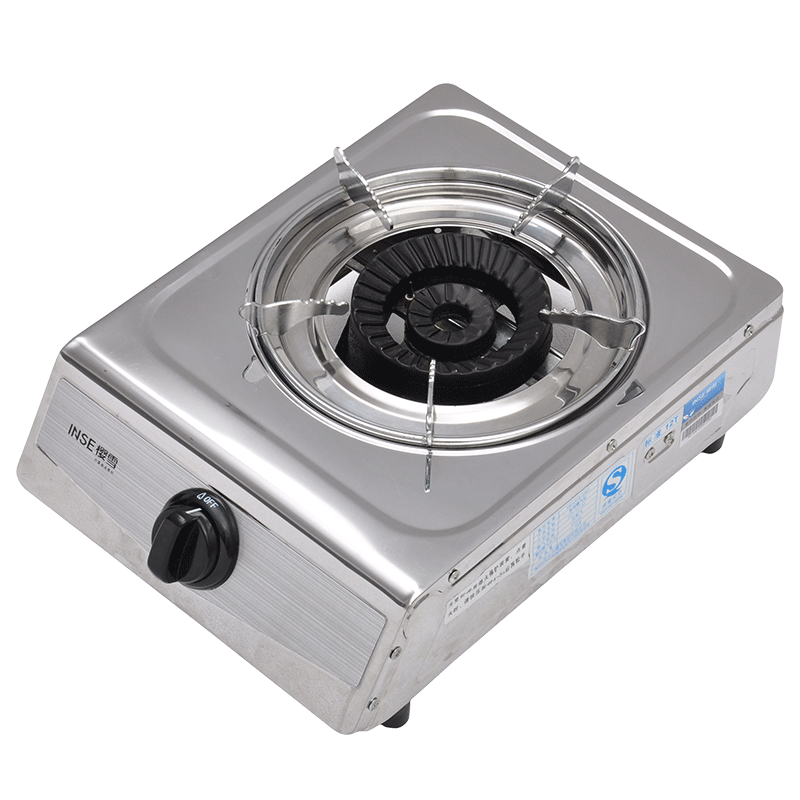
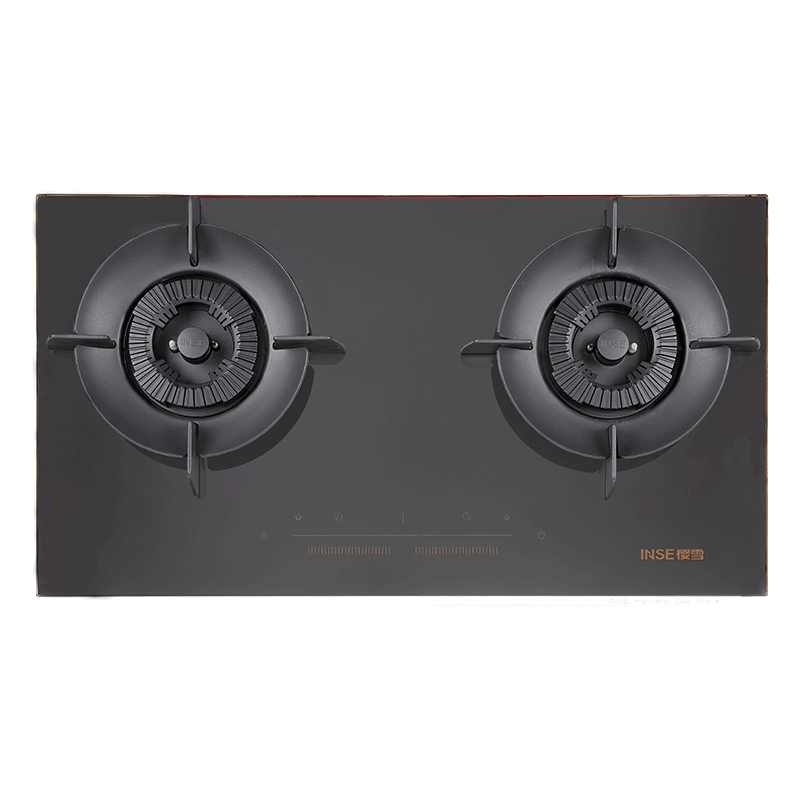
| Surface Panel | 0.3mm-0.4mm Stainless Steel | 8mm Tempered Glass or 0.7mm SS |
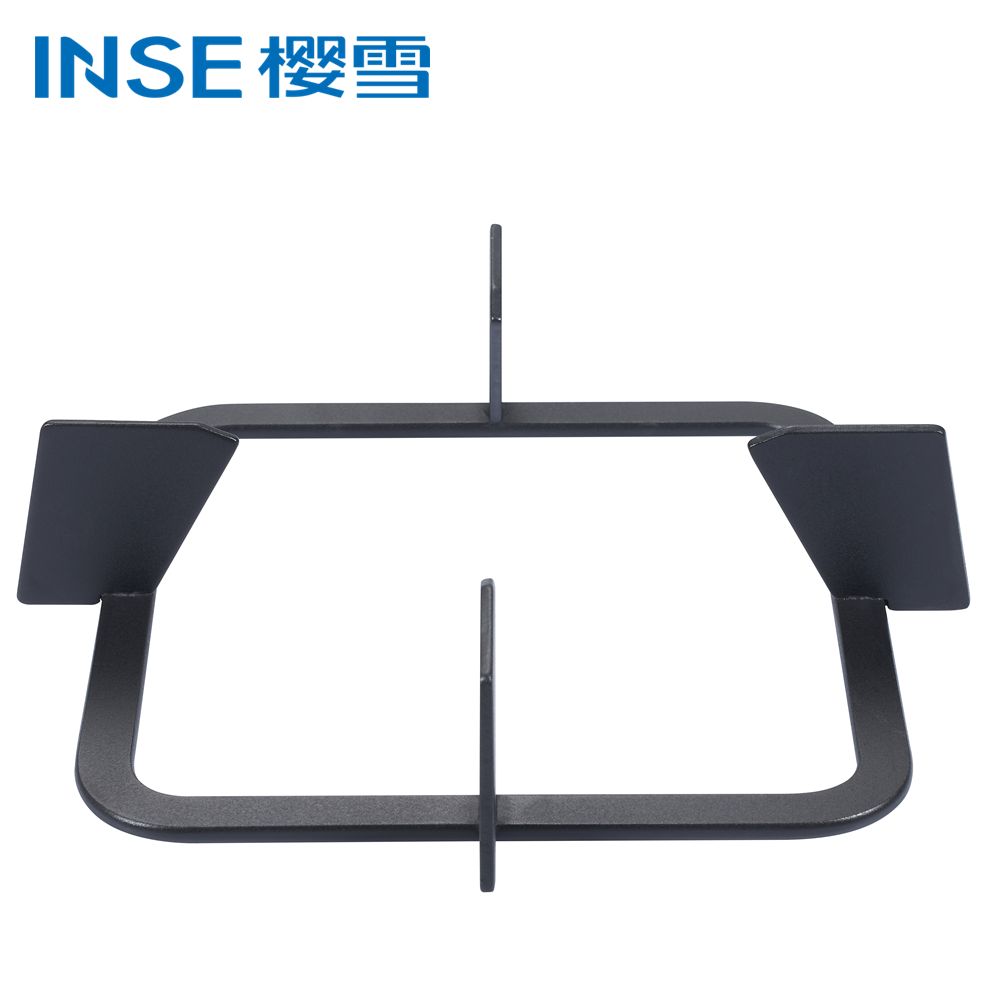
| Pan Support | Enamel Coating | Heavy-duty Cast Iron |
| Ignition System | Piezoelectric (Mechanical) | Pulse Ignition (Battery/Mains) |
Gas Type and Pressure Constraints
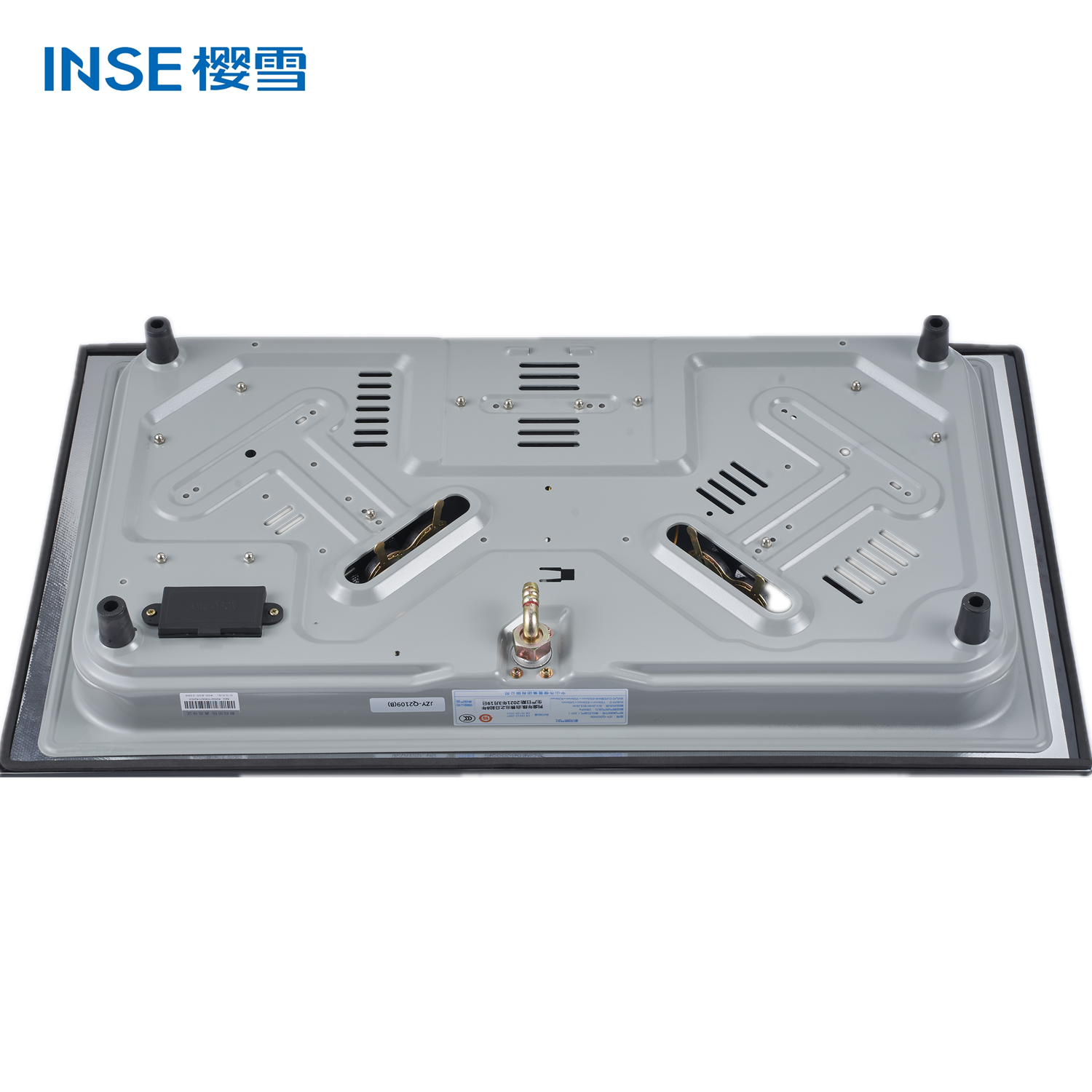
Manufacturers must calibrate the nozzle (injector) size to match your region's standard gas type and pressure. Liquid Petroleum Gas (LPG) operates at higher pressures (typically 2800Pa to 3000Pa) and requires a smaller nozzle orifice. Natural Gas (NG) operates at lower pressures (around 2000Pa) and requires a larger orifice. Attempting to use the wrong gas type without a conversion kit results in dangerous, unstable flames or excessive carbon monoxide output.
Navigating regional gas appliance regulations can be complex. Let us help you align your specifications with vetted, compliant manufacturers.
Talk to our teamManufacturing Tolerances & Quality Control
The factory floor is where a profitable import can turn into a costly recall. High defect rates in gas cookers usually stem from poor assembly of the gas pathway or inadequate tempering of glass panels.
Conducting rigorous factory audits before placing an order ensures the manufacturer has the necessary specialized equipment, such as automated leak detectors and gas mass flow meters.
Critical QC Checkpoints for Gas Cookers
- Gas Valve Leakage: 100% of units must undergo pneumatic leak testing at the valve and pipe joints.
- Flame Failure Device (FFD) Response: Thermocouple must shut off gas flow within 10 to 15 seconds of flame extinction.
- Ignition Reliability: Pulse igniters should reliably light the burner within 3 seconds over repeated cycles.
- Glass Panel Stress: Tempered glass must pass drop tests and thermal shock tests to prevent spontaneous shattering.
- Carbon Monoxide (CO) Emission: Combustion testing to ensure emissions remain well under regional legal thresholds.
Implementing professional quality control & inspection during and after production is non-negotiable for gas appliances.
Compliance and Certification
Gas cookers are highly regulated. A supplier claiming "CE compliance" must provide test reports from recognized third-party labs specifically for the Gas Appliances Regulation (GAR). Relying on outdated or fake certificates will result in customs seizures.
If you are entering a new market, utilizing expert compliance & testing services ensures your products meet standards like EN 30-1-1 (Europe), AGA (Australia), or NOM (Mexico).
Flame Failure Devices (FFD)
In many jurisdictions (including the EU and Australia), FFDs are legally mandatory for all indoor gas cookers. Ensure your OEM specifications explicitly require high-quality Spanish or Japanese thermocouples for reliability.
Typical MOQs, Pricing, and Lead Times
Production economics for gas cookers rely heavily on stamping and tooling costs. If you are utilizing existing factory molds for the chassis and panel, MOQs remain accessible. Custom panel shapes or specialized burner layouts will require new tooling.
For brands looking to differentiate, utilizing OEM/ODM services allows you to customize burner layouts, knob designs, and branding without building a factory from scratch.
Ready to scale your appliance sourcing? We manage the entire process from factory vetting to final delivery.
Get a free consultationSourcing gas cookers successfully means looking past the surface aesthetics and focusing on the integrity of the gas pathway and the factory's internal testing protocols. By partnering with experienced sourcing professionals, you secure a supply chain that prioritizes safety and compliance just as much as unit cost.
Get Sourcing Help for Gas Cookers
Tell us your requirements and our experts will connect you with verified manufacturers.