Garden Water Guns
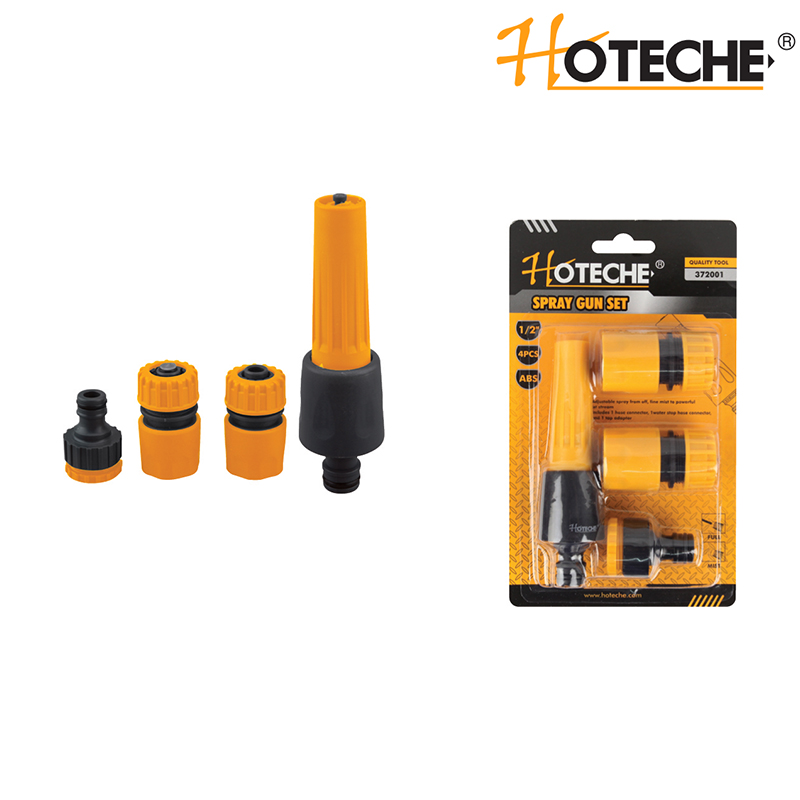
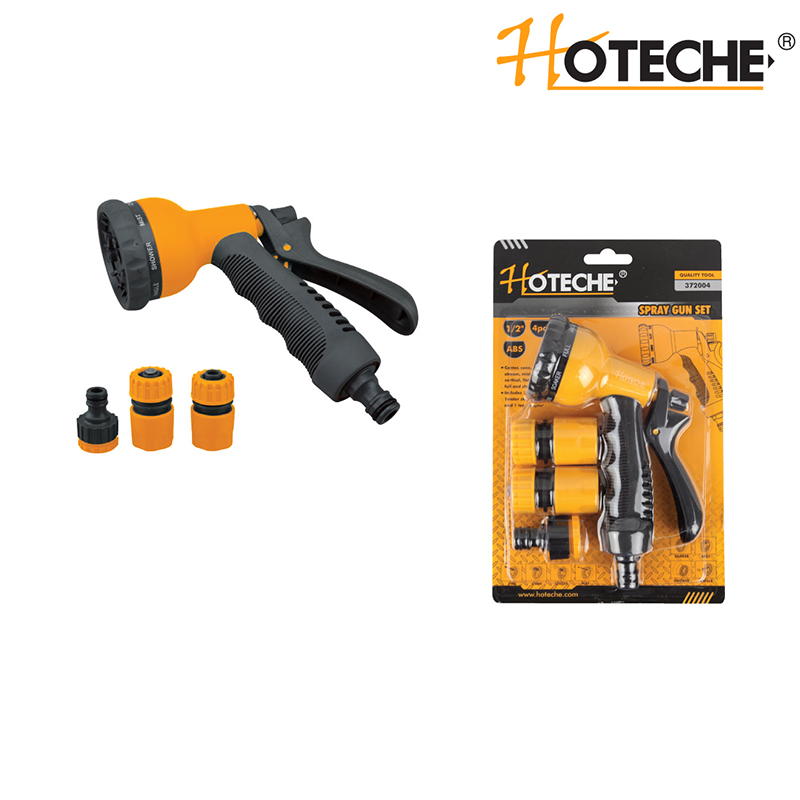
Source high-quality Garden Water Guns directly from vetted manufacturers and wholesale suppliers. Built for importers, distributors, and brands seeking reliable bulk purchasing or OEM private-label production. Ensure consistent performance across your irrigation and garden supply lines with factory-direct pricing.
Sourcing garden water guns at volume requires balancing ergonomic design with mechanical reliability. While external aesthetics and grip comfort drive initial buyer appeal, the internal valve architecture, spring tension, and seal integrity are what ultimately dictate your return rate. Procuring these units successfully means looking past the outer casing to specify the right alloys, plastics, and testing protocols.
Engineering and Material Specifications
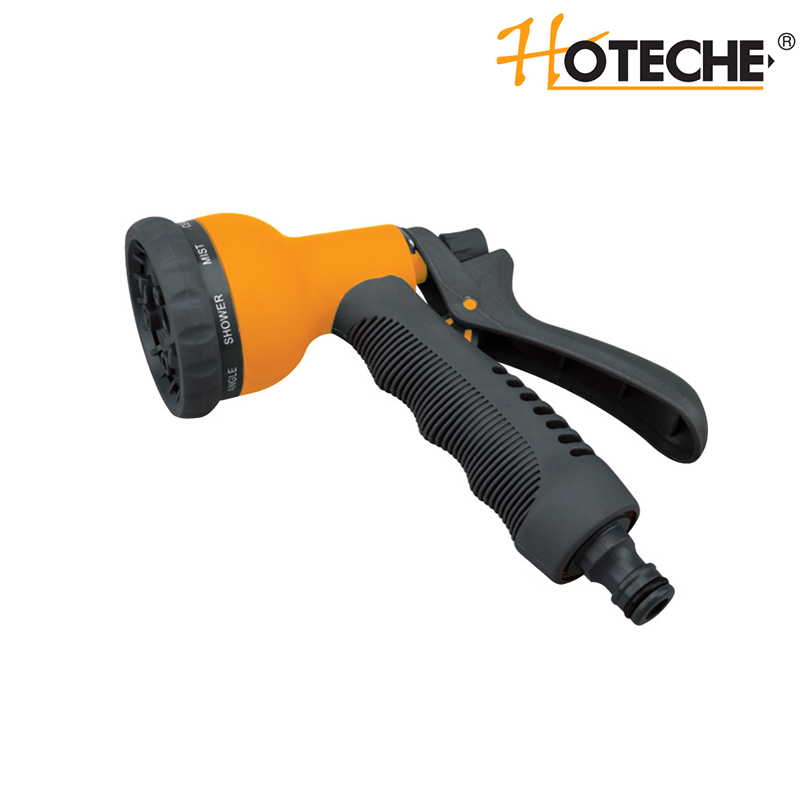
The durability of a garden water gun is defined by its body material and internal components. The market is broadly segmented into lightweight plastic models and heavy-duty metal variants.
For the body, ABS plastic with TPR (Thermoplastic Rubber) overmolding is the industry standard for residential lines, offering a lightweight, cost-effective, and slip-resistant grip. For premium and commercial tiers, zinc alloy die-cast bodies provide structural rigidity and resistance to impact damage.
Internally, the trigger mechanism relies on a return spring and a valve stem. Specifying stainless steel 304 for the internal spring is critical; cheaper carbon steel springs will rust and seize after a single season of moisture exposure.
| Specification | Standard Residential | Premium / Commercial |
|---|---|---|
| Body Material | ABS Plastic | Zinc Alloy / Brass |
| Grip Coating | Basic TPR Overmold | Ergonomic Dual-Color TPR |
| Internal Spring | Standard Stainless Steel | High-Tension SS 304 |
| Connection Fitting | Plastic Threading | Machined Brass Insert |
The most common point of failure in any watering nozzle is the seal. Ensure your manufacturer uses EPDM (Ethylene Propylene Diene Monomer) O-rings rather than standard NBR (Nitrile). EPDM offers vastly superior resistance to UV exposure, ozone degradation, and the temperature fluctuations common in garden environments.
Manufacturing and Quality Control Checkpoints
Production involves injection molding for ABS/TPR components and die-casting for zinc alloy bodies. Inconsistencies in the injection molding process—such as flash on the internal valve seating—will cause immediate leaking.
Catching these defects before shipment is essential. Implementing rigorous Quality Control & Inspection protocols at the factory level ensures that defective units do not reach your warehouse.
Critical Factory QC Checks for Water Guns
- Water Pressure Testing: 100 percent in-line testing at standard working pressures (40 to 80 PSI) to check for leaks at the seam and nozzle.
- Burst Pressure Testing: Sample testing up to 120 PSI to ensure structural integrity of the housing and brass fittings.
- Trigger Fatigue Testing: Mechanical cycling of the trigger mechanism to ensure the stainless steel spring maintains tension over 10,000 actuations.
- Pattern Dial Alignment: Verification that multi-pattern dials click firmly into place without cross-flow between spray settings.
- Thread Tolerance: Gauging the base connection threads to ensure compatibility with standard 3/4-inch garden hoses.
Need boots on the ground to verify factory capabilities and run pre-shipment pressure tests? Let us manage your quality control in Asia.
Talk to our teamSourcing Mechanics: MOQs, Lead Times, and Customization
When buying wholesale, minimum order quantities and lead times fluctuate based on the level of customization required. Purchasing off-the-shelf designs with your logo printed on the packaging will keep MOQs low. However, if you require custom Pantone-matched TPR grips or fully custom body molds, expect higher volume commitments.
For brands looking to develop proprietary ergonomic designs, utilizing comprehensive OEM/ODM Services is the most efficient route. A new injection mold for a custom ABS body typically takes 25 to 40 days to tool before the first article inspection can occur.
Before committing to tooling costs or large deposits, it is highly recommended to conduct Factory Audits to verify the supplier's production capacity, machinery maintenance, and historical defect rates.
Navigating mold costs, material specs, and factory negotiations? Partner with us to streamline your garden supply sourcing end-to-end.
Get a free consultationFrequently Asked Questions
Final Sourcing Insight
Successfully importing garden water guns in bulk comes down to specifying the unseen components. A visually appealing zinc-alloy nozzle will still fail in the hands of your customer if the factory saved pennies on a carbon steel spring or an NBR O-ring. By clearly defining your material requirements and enforcing strict pressure testing before shipment, you can secure reliable, high-margin products that withstand the rigors of outdoor use.
Get Sourcing Help for Garden Water Guns
Tell us your requirements and our experts will connect you with verified manufacturers.