Garden Netting
Source bulk garden netting directly from vetted manufacturers and wholesale suppliers. Built for importers, agricultural distributors, and home-and-garden brands requiring OEM production, our network delivers reliable, UV-stabilized netting at competitive volume pricing.
Sourcing garden netting at scale requires balancing tensile strength, UV resistance, and cost per square meter. Whether you are stocking retail hardware chains or supplying commercial agricultural operations, the primary procurement challenge is verifying that the factory's raw material formulations match their stated specifications. The visible differences between high-grade virgin polymer and cheap regrind are minimal on the factory floor, but the performance gap in the field is massive.
Critical Specifications for Bulk Buyers
When negotiating with manufacturers, vague specifications lead to inconsistent production. Netting is priced by weight, meaning factories can easily cut costs by stretching the material too thin or under-dosing essential chemical additives.
You must define the following parameters in your purchase orders:
- Material Composition: High-Density Polyethylene (HDPE) is standard for knitted netting, while Polypropylene (PP) is common for extruded variants. Specify the acceptable percentage of recycled resin; for premium UV-resistant netting, 100 percent virgin HDPE is required.
- Weight (GSM): Grams per Square Meter dictates the density and durability. Lightweight bird netting might sit at 10 to 15 GSM, while heavy-duty privacy or shade netting can exceed 300 GSM.
- UV Stabilization: Unprotected plastic degrades rapidly in sunlight. UV inhibitors (like HALS - Hindered Amine Light Stabilizers) must be mixed into the resin prior to extrusion. Specify the required lifespan (e.g., 3 to 5 years) and the corresponding KLY (Kilo Langley) rating for the target market's solar radiation levels.
| Construction Type | Manufacturing Method | Key Characteristics | Primary Applications |
|---|---|---|---|
| Extruded Netting | Polymer stretched and drawn through a die | Rigid, lightweight, fixed node joints | Anti-bird netting, light fencing |
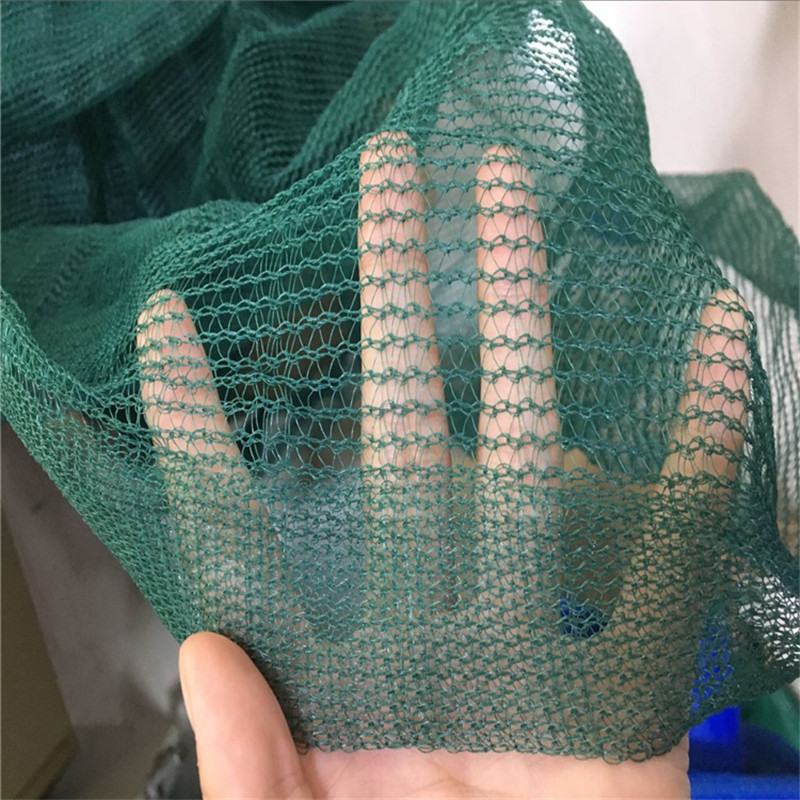
| Knitted Netting | Monofilament or tape yarn knitted on Raschel machines | Flexible, tear-resistant, will not unravel when cut | Shade cloth, heavy crop protection, hail netting |
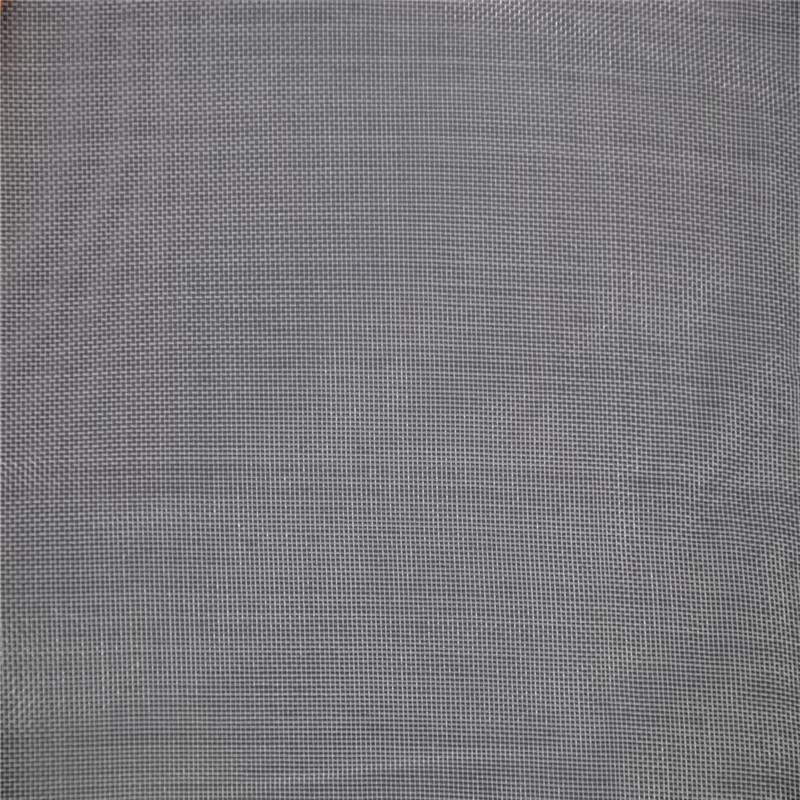
| Woven Netting | Yarns woven on traditional looms | High tensile strength, less stretch than knitted | Ground cover, heavy windbreaks |
Struggling to verify if a factory is using virgin HDPE or cutting corners with regrind? Let our sourcing experts audit your suppliers.
Talk to our teamManufacturing Nuances & Quality Control
The production of garden netting involves two primary stages: yarn extrusion and weaving/knitting. Quality is won or lost in the extrusion phase. If the factory runs the extrusion machines at temperatures that are too high to speed up production, the polymer chains weaken, resulting in brittle netting that tears easily under tension.
Equipment matters. Factories utilizing imported Karl Mayer knitting machines generally produce netting with far tighter dimensional tolerances than those using older, domestic equipment. Conducting thorough Factory Audits before placing a deposit is the most effective way to verify a supplier's machinery and their actual production capacity.
In-Line and Pre-Shipment Inspection Targets
- Dimensional Tolerance: Verify roll width and length to ensure the factory is not short-rolling.
- GSM Consistency: Weigh multiple 1x1 meter cutouts to ensure weight variations remain under 5 percent.
- Tensile Strength: Conduct pull tests along both the warp and weft directions.
- Edge Finishing: Check the integrity of reinforced selvedges and the placement of brass or aluminum grommets.
- Packaging Integrity: Ensure retail shrink-wrap is fully sealed and core tubes are crush-resistant.
Even with established suppliers, executing strict Quality Control & Inspection prior to container loading is essential. Netting is highly compressible, and factories sometimes manipulate the tension during rolling, making a 50-meter roll look identical to a 100-meter roll until unspooled.
Pricing, MOQs, and Lead Times
Because netting is a petroleum-derived product, pricing fluctuates with global resin markets. However, the true cost driver in bulk sourcing is container utilization. Netting ships a lot of "air." Maximizing the cubic volume of a 40HQ container requires factories to use heavy-duty hydraulic pressing machines to compress the rolls without damaging the polymer structure.
For brands supplying retail channels, packaging customization is a major factor. Folding large nets into small, retail-ready PE bags with color inserts requires significant manual labor. If you are developing a private-label line, utilizing OEM/ODM Services ensures your packaging dimensions are optimized for palletization and retail shelf space right at the factory level.
Need to optimize your container loading and reduce freight costs per unit? Connect with our supply chain team.
Get a free consultationFrequently Asked Questions
Successful garden netting procurement goes beyond negotiating the lowest price per kilogram. It requires aligning the factory's technical capabilities with your market's performance expectations, and ruthlessly managing container space to keep landed costs viable. Working with a partner on the ground ensures your specifications are met from the resin mixer to the final container seal.
Get Sourcing Help for Garden Netting
Tell us your requirements and our experts will connect you with verified manufacturers.