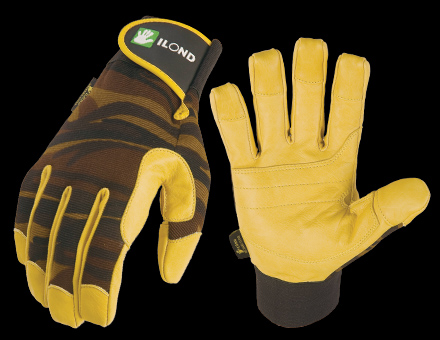
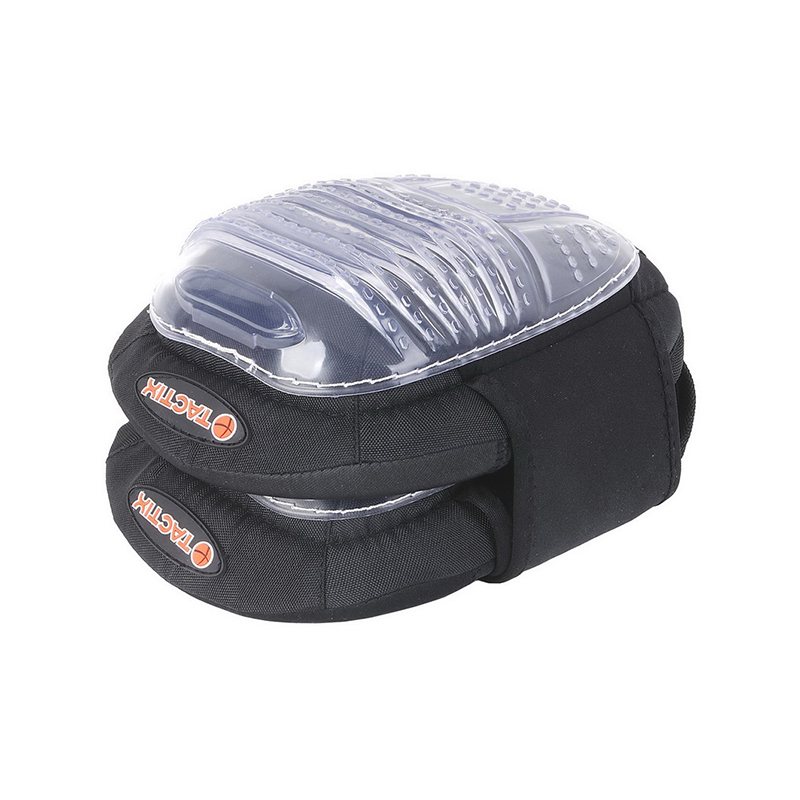
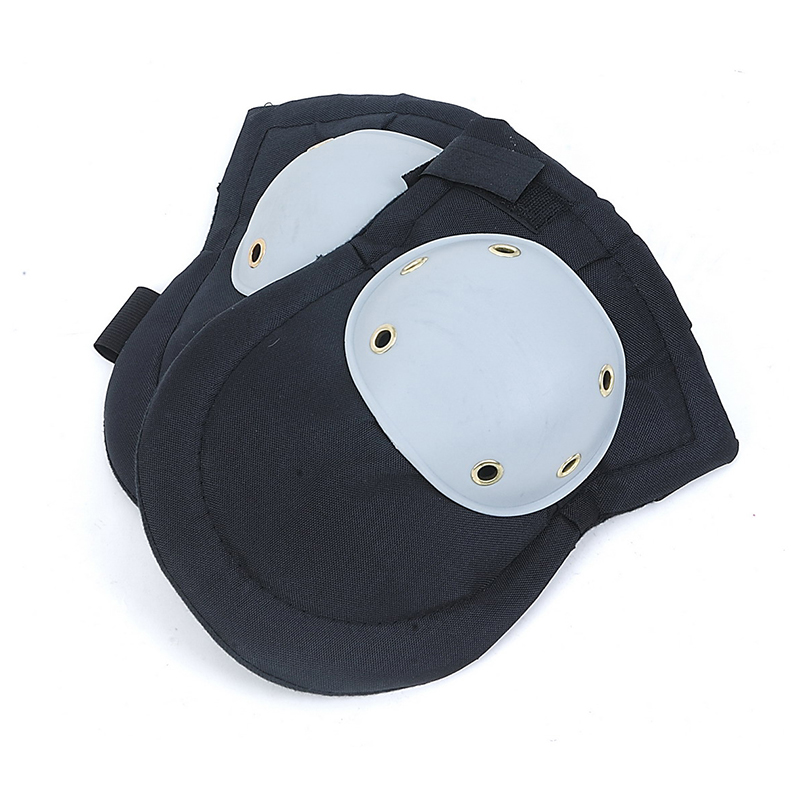
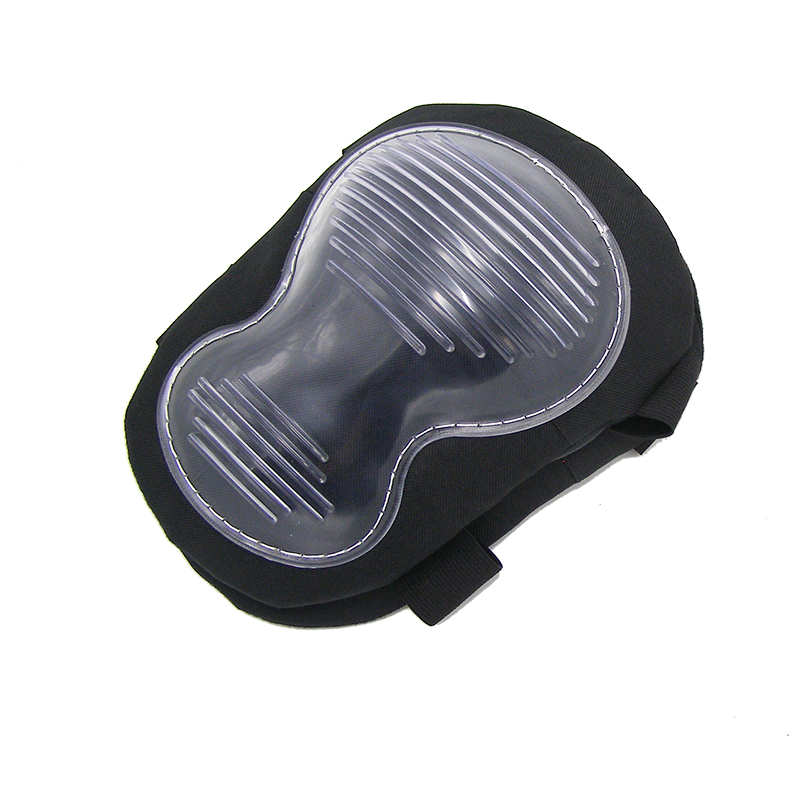
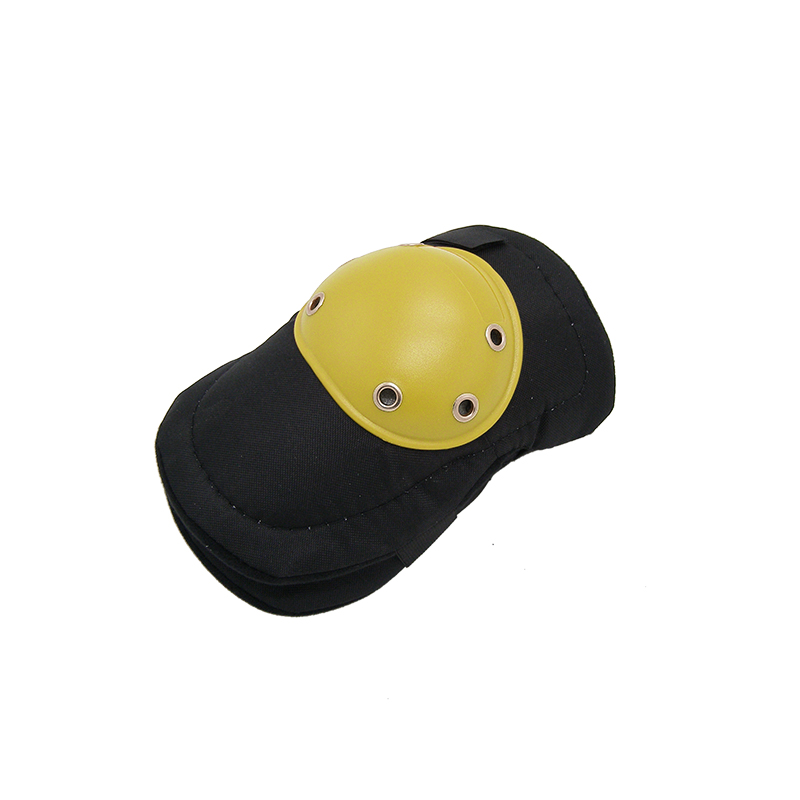
Garden Gloves & Protective Gear
Source premium Garden Gloves & Protective Gear from vetted manufacturers and suppliers. Designed for importers, distributors, and brands seeking reliable wholesale or OEM/ODM production, our factory-direct network ensures compliance with international safety standards and consistent quality for bulk orders.
Sourcing garden gloves and protective wear at scale requires balancing dexterity, durability, and cost-efficiency. The core challenge for volume buyers lies in navigating the vast landscape of PPE manufacturers—differentiating between dedicated glove factories with automated dipping lines and trading companies that lack control over material consistency and safety compliance. Success in this category depends on precise specification of yarns, coatings, and manufacturing processes.
Liners, Gauges, and Coating Technologies
The foundation of any dipped garden glove is its knitted liner. Factories classify these by gauge—the number of stitches per inch. A 10-gauge liner offers thick, heavy-duty protection, while 15-gauge or 18-gauge liners provide high dexterity for delicate tasks like seedling planting. Beyond the yarn (which ranges from basic cotton/polyester blends to high-performance HPPE for cut resistance), the coating dictates the glove's application.
| Coating Material | Key Characteristics | Ideal Garden Application |
|---|---|---|
| Latex (Crinkle/Smooth) | High grip, excellent elasticity, poor oil resistance | Heavy-duty handling, pruning, wet conditions |
| Nitrile (Solid/Micro-foam) | High puncture/abrasion resistance, breathable (if micro-foam) | Rose pruning, handling thorny plants, soil work |
| Polyurethane (PU) | Maximum dexterity, lightweight, less durable | Seedling planting, tool handling, delicate work |
Specifying the exact dipping process—such as palm-dip, 3/4-dip, or full-dip—is critical, as it directly impacts both the unit cost and the breathability of the final product.
Struggling to find a factory that can consistently meet your cut-resistance and coating requirements? We can help you identify and vet the right manufacturing partner.
Talk to our teamManufacturing Quality and Compliance
Protective gear is often subject to regulatory standards, particularly if marketed with specific safety claims. For European markets, EN388 (evaluating abrasion, cut, tear, and puncture resistance) is the standard benchmark. Ensuring a factory can meet these standards requires rigorous Compliance & Testing protocols.
Quality is typically won or lost on the dipping and curing lines. Inadequate temperature control during curing leads to brittle coatings, while poor washing (leaching) leaves residual chemicals that cause strong odors or allergic reactions.
Critical Quality Control Checkpoints
- Coating consistency: Check for pinholes, runs, or uneven thickness across the palm.
- Leaching process: Ensure adequate washing to remove residual proteins (in latex) and chemical odors.
- Seam integrity: For cut-and-sew leather or synthetic gloves, verify stitch density and thread strength.
- TPR adhesion: For impact-resistant models, verify that thermoplastic rubber overlays are securely bonded or stitched.
Implementing comprehensive Quality Control & Inspection prior to shipment is essential to catch these defects before they enter your supply chain.
Customization and Private Labeling
For brands building a proprietary line, OEM/ODM Services offer extensive customization. Factories can modify the yarn blend to achieve specific colors, apply silk-screen or heat-transfer logos to the back of the hand, and develop custom TPR molds for unique impact protection. When developing custom molds or highly specific yarn blends, conducting thorough Factory Audits ensures the supplier has the necessary R&D capabilities and in-house machinery, rather than subcontracting the complex work.
Pricing Drivers, MOQs, and Lead Times
Pricing in the garden glove sector is highly sensitive to raw material costs (particularly petroleum-based nitrile and PU) and the complexity of the knitting process. Higher-gauge yarns (like 18-gauge) require slower, more precise knitting machines, increasing production time and cost.
Need to consolidate multiple protective gear SKUs into a single, efficient shipment? Let's discuss your supply chain strategy.
Get a free consultationFrequently Asked Questions
Securing high-quality garden gloves at competitive wholesale prices requires matching your product specifications to a factory's core competency—whether that is automated PU dipping, complex cut-and-sew leather assembly, or high-gauge HPPE knitting. Understanding these technical nuances ensures you partner with a manufacturer capable of delivering consistent performance order after order.
Get Sourcing Help for Garden Gloves & Protective Gear
Tell us your requirements and our experts will connect you with verified manufacturers.