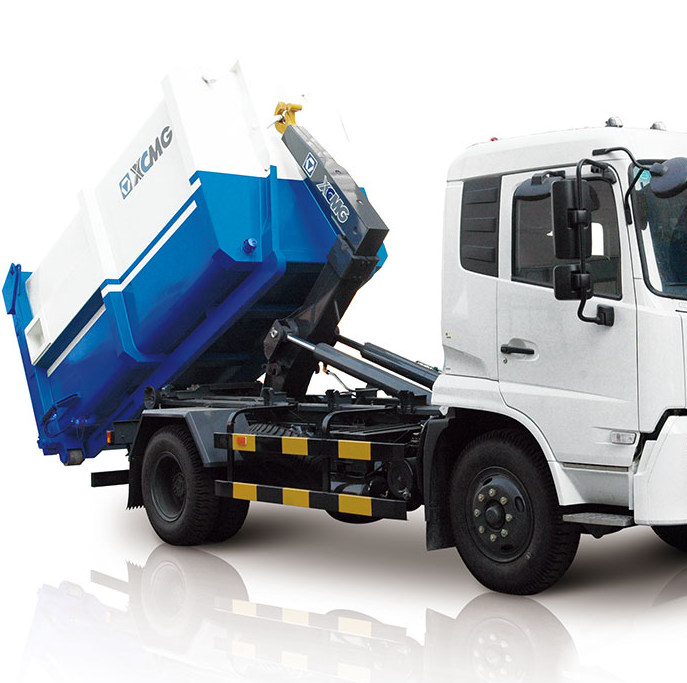
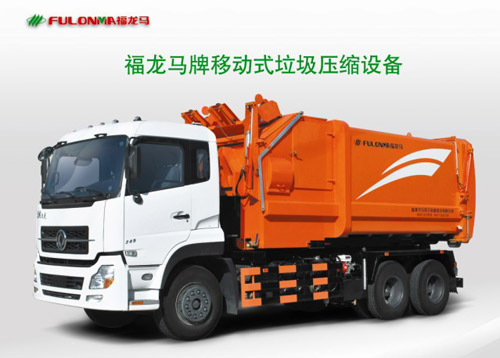
Garbage Trucks
Source commercial-grade Garbage Trucks from vetted suppliers and manufacturers across Asia. Designed for municipal procurement managers, heavy equipment distributors, and fleet importers, our network delivers reliable sanitation vehicles ranging from standard compactors to specialized OEM builds for your target market.
Sourcing heavy-duty municipal machinery requires more than just finding a factory with a glossy catalog. When procuring garbage trucks in volume or for large-scale municipal contracts, the primary challenge lies in seamlessly integrating the superstructure—the compactor, lifter, and hydraulic systems—with a reliable, compliant chassis. A mismatch in payload distribution, hydraulic pressure, or emissions standards can render an entire fleet unusable in your target market.
Chassis Integration and Superstructure Specifications
The foundation of any reliable garbage truck is the chassis. Chinese manufacturers frequently build superstructures on domestic chassis (like Dongfeng, Sinotruk, or FAW) or international chassis (like Isuzu or Hino) depending on your budget and local serviceability. You must specify the Gross Vehicle Weight (GVW) and ensure the wheelbase aligns with the hopper capacity to maintain safe axle load distribution when fully loaded.
Equally critical is the hydraulic system driven by the Power Take-Off (PTO). The hydraulic pump must deliver sufficient flow rate and pressure to operate the compaction cycle efficiently without stalling the engine or overheating the hydraulic fluid during continuous municipal routes.
| Specification | Light/Medium Duty | Heavy-Duty Municipal |
|---|---|---|
| Typical GVW | 4,000 to 12,000 kg | 16,000 to 25,000+ kg |
| Body Capacity | 4 to 10 cubic meters | 12 to 22+ cubic meters |
| Compaction Ratio | Up to 3:1 | 4:1 to 6:1 |
| Operating Pressure | 14 to 16 MPa | 18 to 21 MPa |
Need help matching superstructure specs to local chassis requirements? Let our engineers handle the technical vetting.
Talk to our teamManufacturing Tolerances and Quality Control
Quality is won or lost in the welding of the hopper and the integrity of the hydraulic cylinders. Garbage trucks endure highly corrosive environments and immense structural stress. The body should be constructed from high-tensile, wear-resistant steel (such as Q345, Q390, or Hardox equivalents) to prevent premature floor wear from abrasive waste.
Hydraulic cylinders must feature high-grade seals to prevent leaks under peak pressure. Implementing rigorous Quality Control & Inspection during production is mandatory. Catching a misaligned hydraulic ram or a porous weld after the truck has arrived at your port is a costly mistake.
Critical Pre-Shipment Inspection Points
- Continuous hydraulic cycle testing (minimum 50 full cycles without overheating)
- Ultrasonic or X-ray inspection of critical stress-point welds on the hopper and tailgate
- Verification of chassis-to-superstructure mounting bolt torque specifications
- PTO engagement smoothness and hydraulic hose routing clearance
- Paint thickness and anti-corrosion undercoating verification
Customization, Compliance, and Emissions
Importing vehicles requires strict adherence to local regulations. If your market drives on the left, you must specify Right-Hand Drive (RHD) chassis, which may extend lead times. Furthermore, emissions compliance is non-negotiable. Ensure the engine meets local standards (such as Euro IV, V, VI, or EPA equivalents).
For fleet buyers and distributors wanting to build their own brand, engaging factories for OEM/ODM Services allows you to customize hopper loading mechanisms (e.g., bin lifters for specific cart sizes), control panel layouts, and safety lighting configurations. Validating these modifications early through proper Compliance & Testing ensures the vehicles clear customs without delay.
Buying Mechanics: MOQs, Lead Times, and Logistics
Because garbage trucks are high-value, capital-intensive goods, Minimum Order Quantities (MOQs) are highly accessible. It is entirely standard to order a single unit for a pilot test before committing to a fleet rollout.
Logistics for fully assembled trucks require specialized handling. They are typically shipped via RoRo (Roll-on/Roll-off) vessels or on Flat Rack containers. Coordinating this requires robust Shipping & Freight expertise to secure vessel space and manage the complex export documentation for heavy vehicles.
Optimize your capital expenditure and streamline heavy-vehicle shipping with our supply chain experts.
Get a free consultationFrequently Asked Questions
Successfully importing garbage trucks requires balancing aggressive upfront pricing with long-term reliability. By focusing on hydraulic integrity, steel quality, and precise chassis matching, you can procure a fleet that delivers consistent municipal performance.
Get Sourcing Help for Garbage Trucks
Tell us your requirements and our experts will connect you with verified manufacturers.