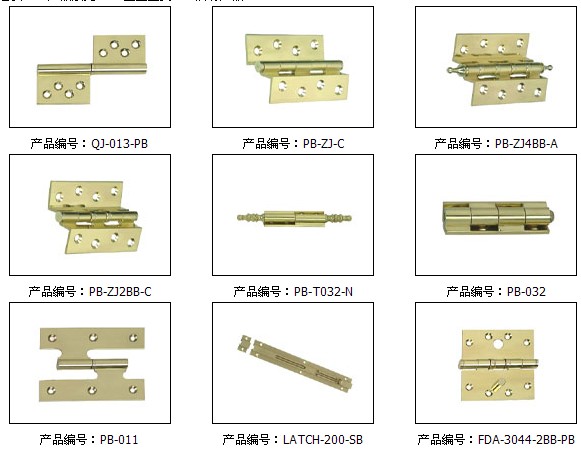
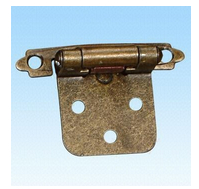
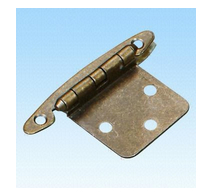
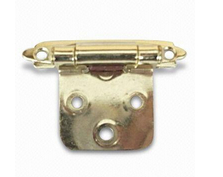
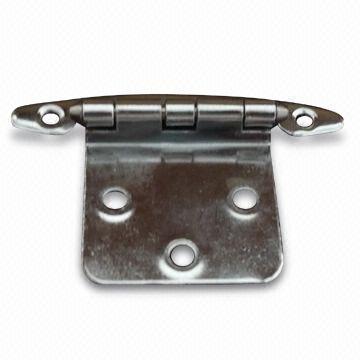
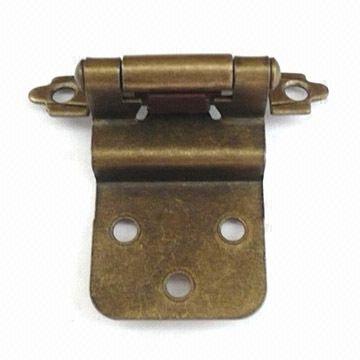
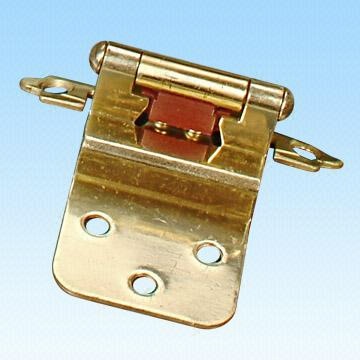
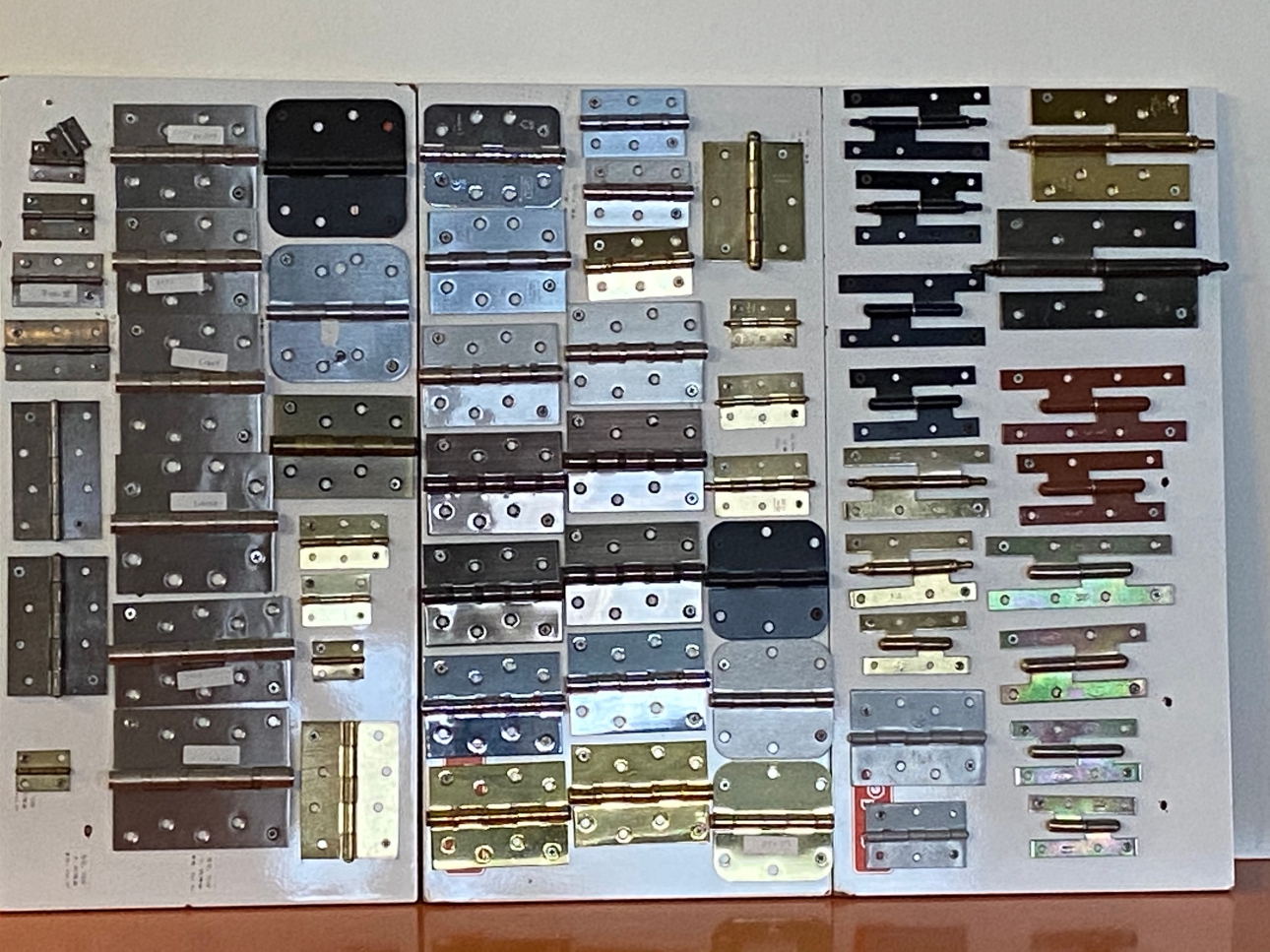
Furniture Hinges
Source premium Furniture Hinges from vetted suppliers and manufacturers across Asia. Designed for importers, wholesale distributors, and furniture brands seeking reliable bulk purchasing and OEM production. Secure competitive pricing and consistent quality for your hardware supply chain.
Sourcing furniture hinges in bulk is rarely as simple as matching a cup size and an opening angle. The true challenge lies in ensuring consistent cycle life, preventing hydraulic damper failure, and verifying that the electroplating will withstand real-world environmental conditions. For procurement teams and furniture manufacturers, balancing unit cost against long-term reliability requires strict control over material specifications and factory-floor processes.
Critical Specifications for Bulk Hinge Procurement
When negotiating with hinge manufacturers, vague specifications invite cost-cutting. Factories primarily adjust their pricing based on material thickness, cylinder quality, and plating processes. You must define these parameters clearly in your purchase orders.
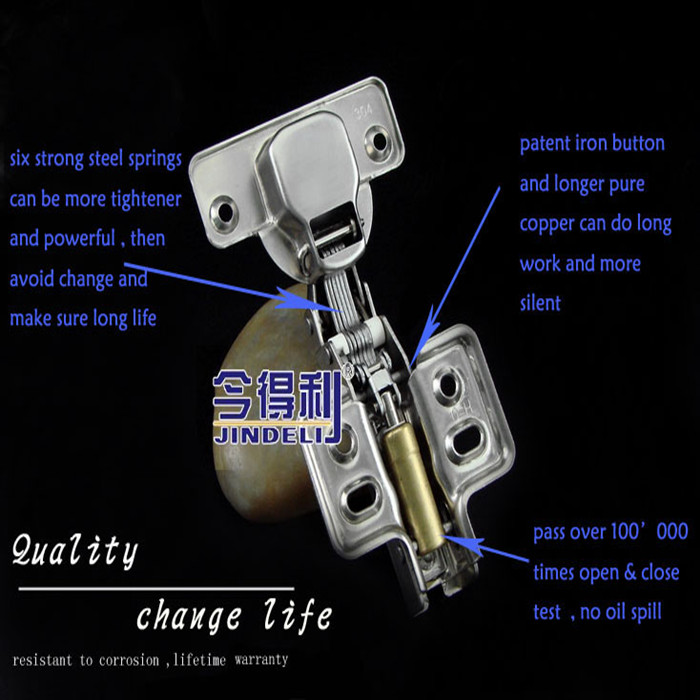
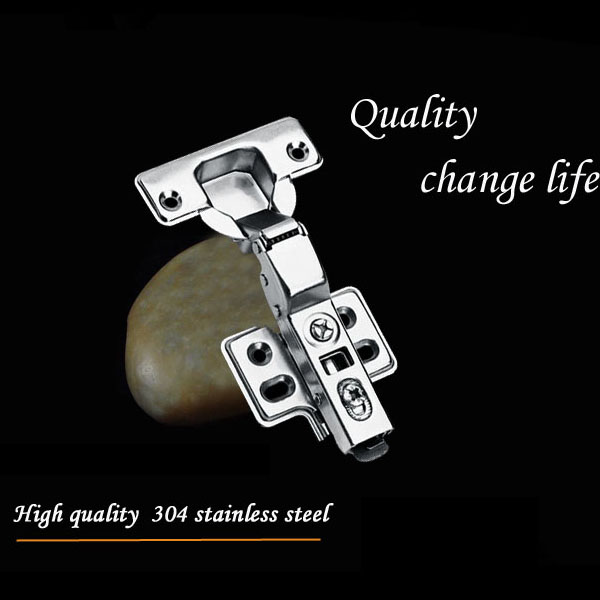
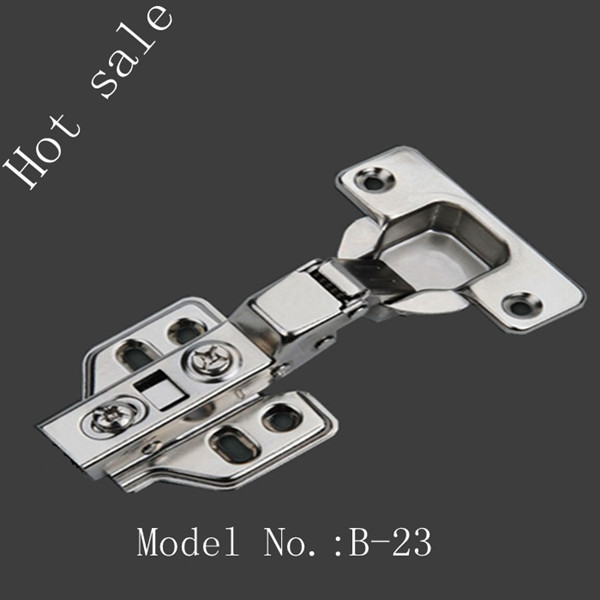
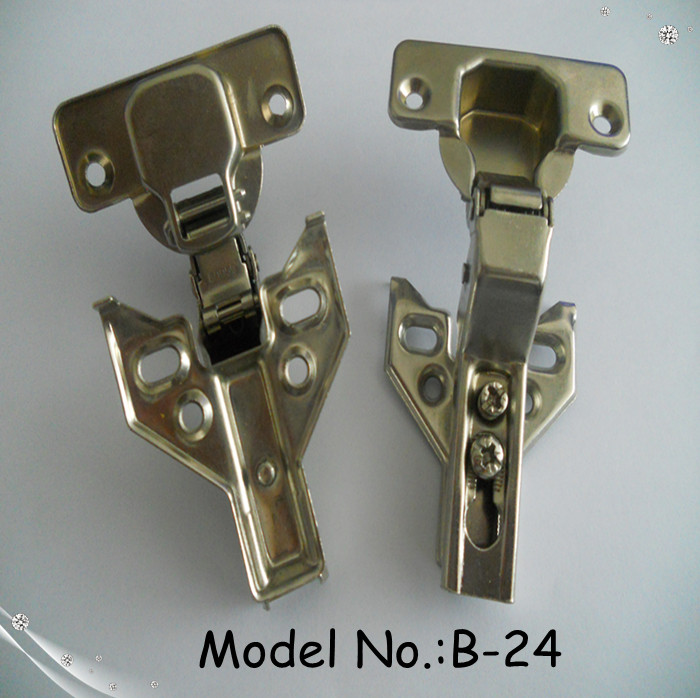
- Material Grade & Thickness: The vast majority of concealed hinges are stamped from cold-rolled steel (CRS). Standard production uses 1.0mm steel, but for heavy-duty applications or premium cabinetry, specifying 1.2mm or 1.5mm is essential to prevent deformation. For wet environments (kitchens, bathrooms), stainless steel (grades 201 or 304) is required.
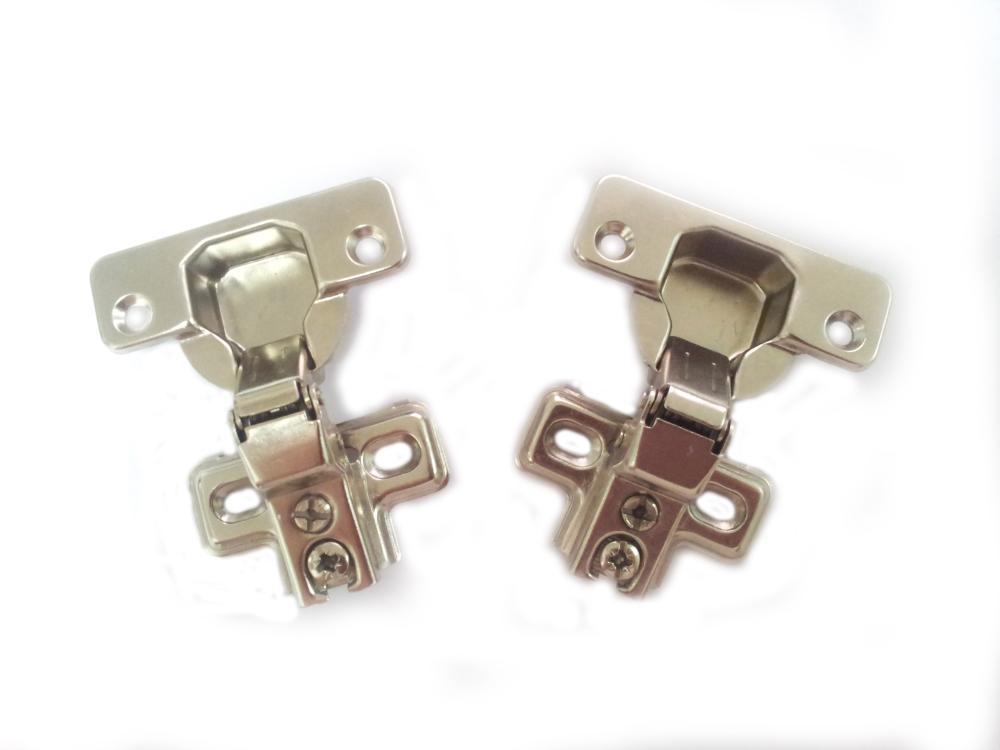
- Cup Size & Drilling Patterns: The 35mm cup is the global standard, though 26mm and 40mm are used for specific door profiles. Ensure the factory's drilling pattern (typically 45mm, 48mm, or 52mm hole spacing) matches your existing CNC routing setups.
- Damper Quality (Soft-Close): The hydraulic cylinder dictates the lifespan of a soft-close hinge. Premium hinges use brass or high-grade steel cylinders with silicone oil that maintains viscosity across temperature changes. Cheaper alternatives use plastic cylinders that are prone to leaking or losing resistance in cold weather.
Struggling with inconsistent hinge quality from your current factory? Let us help you standardize your specifications and find manufacturers capable of meeting them consistently.
Talk to our teamManufacturing Processes & Quality Control
The durability of a furniture hinge is determined during the stamping and plating phases. Progressive die stamping ensures uniformity across millions of units, but the tooling must be maintained. Worn tooling leads to burrs, poor articulation, and premature failure of the pivot pins.
Electroplating is another common point of failure. A standard low-cost hinge may only receive a quick nickel flash, leading to rust within months. High-quality production involves copper plating as a base layer, followed by a robust nickel layer. Implementing stringent quality control and inspection during production is the only way to verify these unseen details.
Pre-Shipment Hinge Inspection Checklist
- Verify material thickness using digital calipers (check both the mounting plate and hinge arm).
- Conduct a 24-hour or 48-hour neutral salt spray test (NSS) to verify plating integrity.
- Perform a manual articulation test to check for smooth damper engagement and absence of mechanical binding.
- Check hydraulic cylinders for micro-leaks or oil residue before packaging.
- Verify that the mounting screws (if included) match the requested thread type and hardness.
Evaluating Hinge Manufacturers
The global hub for furniture hardware manufacturing is concentrated in Guangdong province, China—specifically around Jieyang, Foshan, and Shunde. Jieyang is known for high-volume, cost-competitive production, while Foshan typically houses factories geared toward premium, design-led hardware.
Because the barrier to entry for basic stamping is low, the market is flooded with trading companies and lower-tier workshops. Conducting thorough factory audits is critical to separate genuine manufacturers with in-house heat treatment and automated assembly lines from those who outsource critical steps.
| Capability | Standard Workshop | Premium Manufacturer |
|---|---|---|
| Assembly | Manual or semi-automated | Fully automated robotic assembly |
| Tooling | Outsourced die maintenance | In-house CNC tooling center |
| Testing | Basic manual checks | In-house salt spray and cycle testing machines |
| Plating | Outsourced to budget facilities | Regulated environmental plating partners |
Pricing, MOQ, and Lead Times
Hinge pricing is highly sensitive to raw material costs (steel) and order volume. Realistic pricing for a standard 35mm cold-rolled steel soft-close hinge typically ranges from $0.15 to $0.35 per piece, depending on weight and damper quality. Stainless steel variants (304 grade) will command a significant premium, often pricing between $0.45 and $0.80 per piece.
- Minimum Order Quantities (MOQ): For standard, unbranded hinges, factories often accept MOQs of 10,000 to 20,000 pieces. If you require OEM/ODM services such as stamping your brand logo onto the hinge cup or custom retail packaging, expect MOQs to rise to 50,000 pieces or more to justify the tooling adjustments.
- Lead Times: Standard production runs require 25 to 35 days. However, during peak seasons or when environmental regulations temporarily restrict electroplating facilities, lead times can extend to 45 days.
Need to negotiate better pricing or consolidate your hardware shipments? Our sourcing experts can manage the factory negotiations and logistics on your behalf.
Get a free consultationFrequently Asked Questions
Consistent hardware supply requires moving beyond off-the-shelf purchasing and treating your hinges as engineered components. By defining your material grades, mandating strict QC checks, and partnering with verified, capable factories, you protect your brand's reputation and your bottom line.
Get Sourcing Help for Furniture Hinges
Tell us your requirements and our experts will connect you with verified manufacturers.