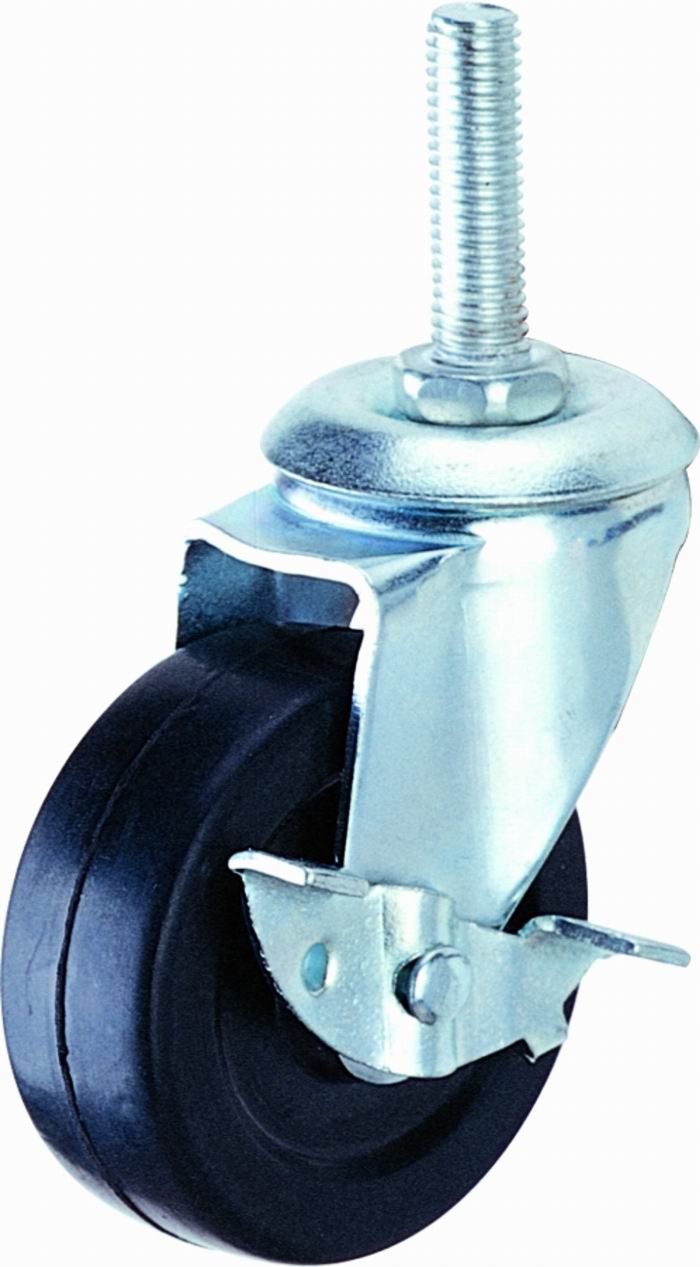
Furniture Casters
Source high-quality furniture casters from vetted manufacturers and wholesale suppliers. Designed for importers, distributors, and brands seeking reliable OEM and private-label production, our network delivers durable mobility solutions engineered for commercial and residential furniture applications.
Sourcing furniture casters at scale requires more than just finding a wheel that rolls. For volume buyers, the challenge lies in matching load capacities, floor compatibility, and mounting hardware to specific furniture applications while maintaining strict tolerances across production runs of tens of thousands of units. A minor defect in a caster bracket or an incorrect polyurethane durometer can lead to floor damage, product returns, and significant brand liability.
Defining Your Caster Specifications
To get accurate quotes and avoid production misunderstandings, your RFQ must clearly define the mechanical and material requirements of the caster. Factories price these units based on the exact combination of wheel material, bracket thickness, and bearing type.
Wheel Material and Floor Compatibility
The tread material dictates the caster's performance, noise level, and suitability for different environments.
| Tread Material | Ideal Floor Type | Key Characteristics | Relative Cost |
|---|---|---|---|
| Polyurethane (PU) | Hardwood, Tile, Linoleum | Non-marking, quiet, high load capacity | Medium-High |
| Thermoplastic Rubber (TPR) | Carpet, Hardwood | Excellent shock absorption, very quiet | Medium |
| Nylon / Polyamide | Carpet, Concrete | High impact resistance, low rolling resistance | Low-Medium |
| Zinc Alloy / Die-cast | Carpet (Decorative) | High aesthetic value, heavy weight | High |
Mounting Types and Bearings
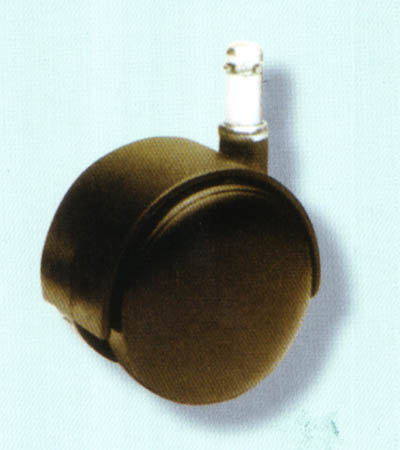
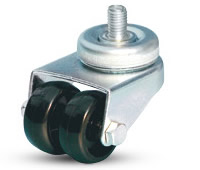
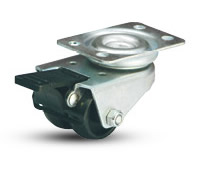
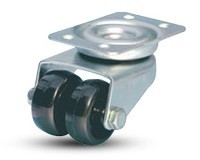
Specify the exact mounting mechanism required for your furniture assembly line. Common types include top plate mounts (requiring screws), threaded stems, and grip ring stems (common in office chairs).
Equally critical is the bearing selection. Plain bearings (no balls) are sufficient for lightweight, low-mobility furniture. Precision ball bearings are mandatory for office chairs and medical carts where smooth, frequent pivoting is required.
Struggling to find a manufacturer that meets your specific load-bearing and material specifications?
Talk to our teamManufacturing Tolerances and Quality Control
The production of furniture casters involves steel stamping for the yokes (brackets), plastic injection molding for the wheel cores, and overmolding for the treads (like PU or TPR). Quality is won or lost in the precision of these processes.
When evaluating a factory's capabilities, pay close attention to their overmolding process. Poor temperature control during injection molding leads to delamination, where the PU tread peels away from the nylon core under load. Additionally, the steel stamping process for the caster yoke must use adequate gauge steel; thin steel will deform under static loads over time.
Critical Pre-Shipment Inspection Points for Casters
- Verify PU/TPR tread adhesion to the core (delamination check).
- Measure bracket steel thickness and verify plating thickness (salt spray resistance).
- Check swivel radius clearance to ensure the wheel does not rub against the yoke.
- Test brake engagement and release force (for locking casters).
- Confirm bearing seating is flush and sufficiently lubricated.
Implementing rigorous quality control and inspection protocols before the goods leave the factory is the most effective way to catch these structural defects.
Industry Standards and Compliance Testing
Commercial furniture buyers must ensure their casters meet specific industry standards, most notably BIFMA (Business and Institutional Furniture Manufacturers Association) standards for office seating.
Factories producing high-end casters should have in-house testing equipment. Key tests include:
- Dynamic Load Testing: The caster is loaded with a specific weight and run over a track with obstacles for up to 100,000 cycles to test durability.
- Static Load Testing: Heavy weights are applied to a stationary caster to ensure the yoke does not permanently deform.
- Salt Spray Testing: For metal brackets, ensuring the zinc or chrome plating can withstand corrosive environments (typically 24 to 48 hours minimum).
If a supplier cannot provide recent test reports, you will need to arrange third-party compliance and testing to verify their claims.
Typical MOQs, Pricing, and Lead Times
The furniture hardware market operates on high volumes. While standard, off-the-shelf casters might be available in smaller quantities, custom colors, specific durometers, or branded components require standard industrial runs.
Pricing is highly volatile and tied directly to raw material costs (steel and petroleum-based plastics). Upgrading from a plain bearing to a precision double ball bearing will noticeably impact the unit price, but significantly extend the product's lifespan.
Need to consolidate hardware shipments from multiple suppliers or negotiate better terms with your current factory?
Get a free consultationFrequently Asked Questions
Securing a reliable supply chain for furniture casters requires looking past the lowest unit price and evaluating the manufacturer's tooling precision, material consistency, and internal testing capabilities. Partnering with the right factory ensures your furniture remains mobile, safe, and floor-friendly for years to come.
Get Sourcing Help for Furniture Casters
Tell us your requirements and our experts will connect you with verified manufacturers.