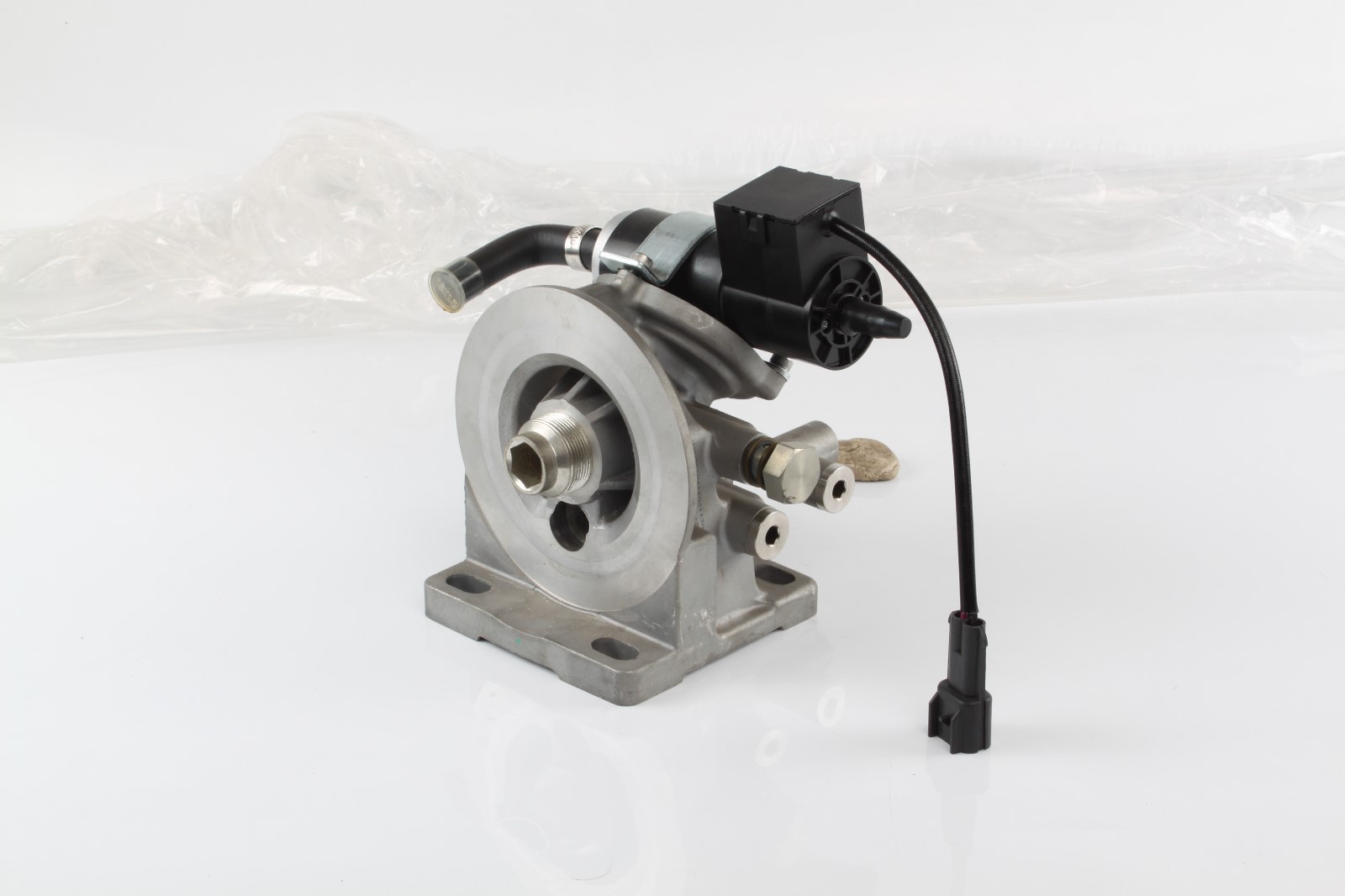
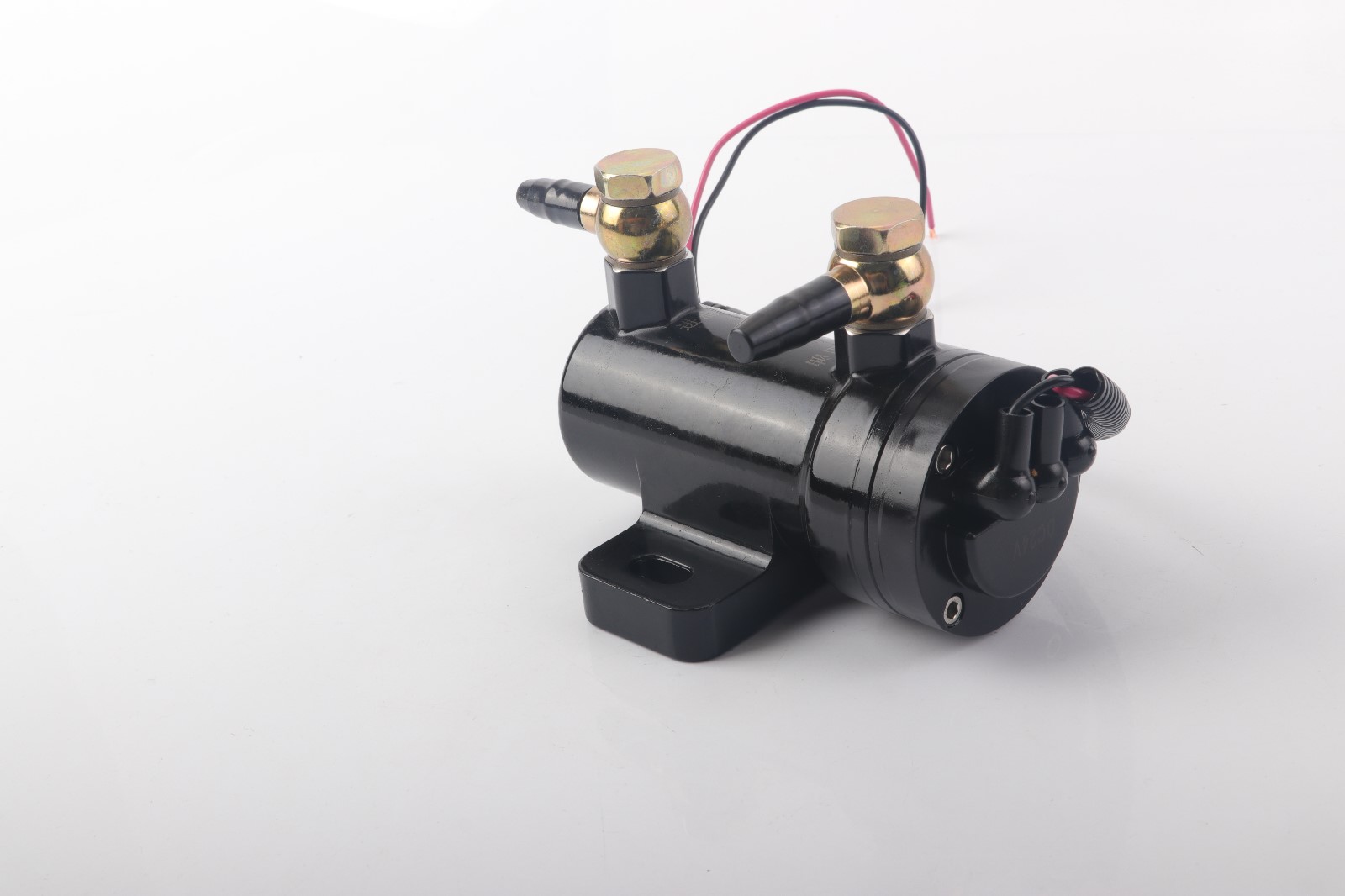
Fuel Pumps & Parts
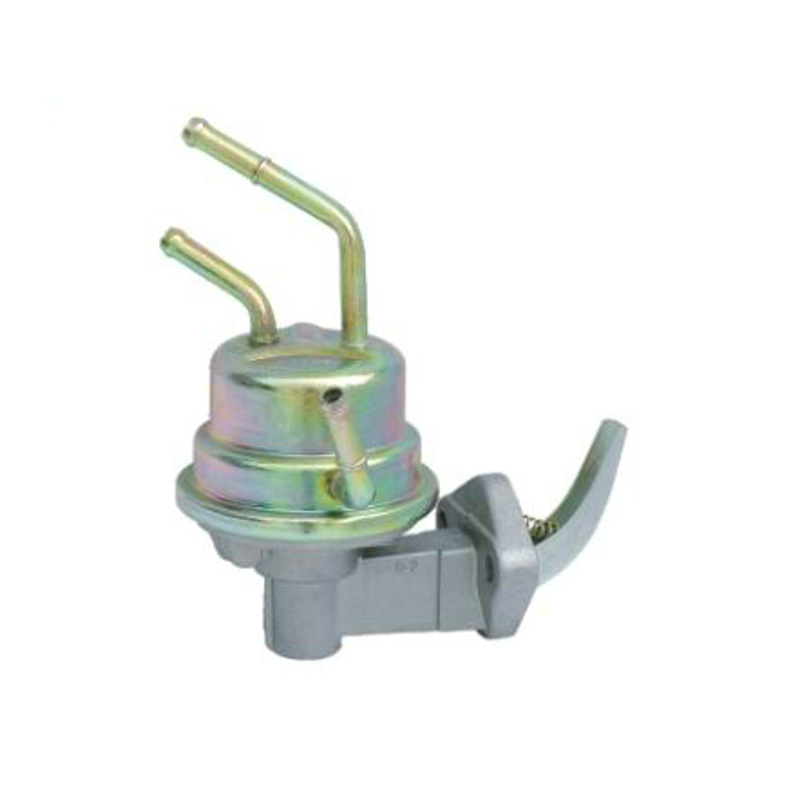
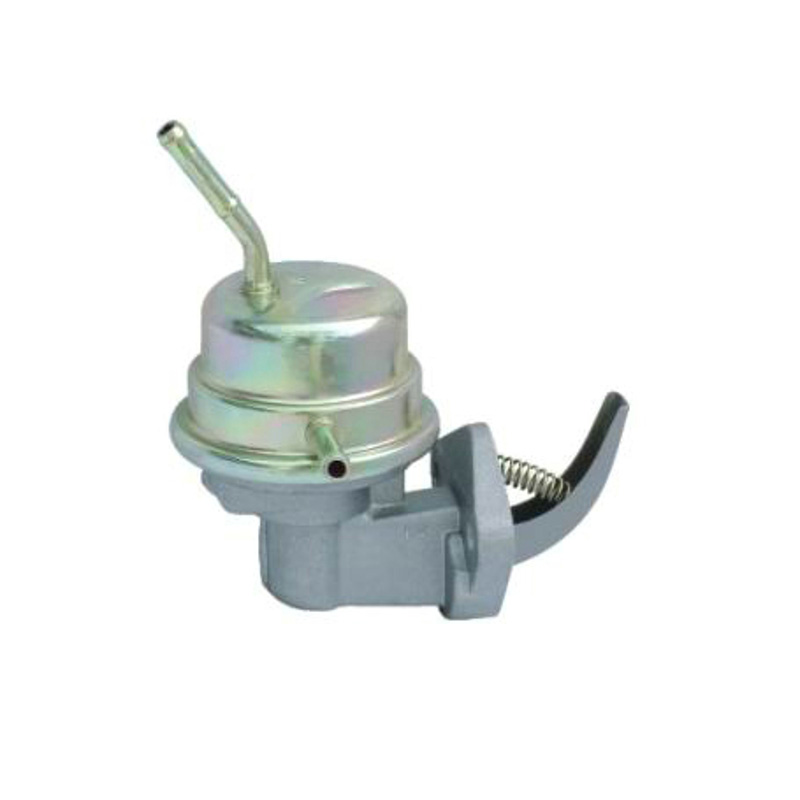
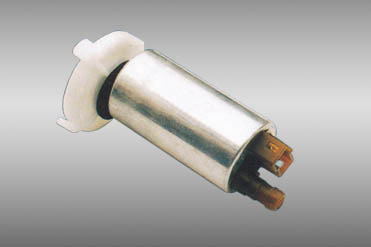
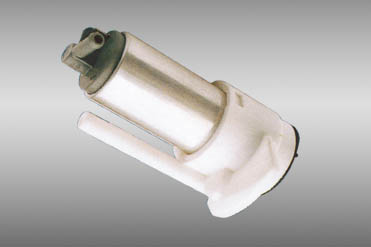
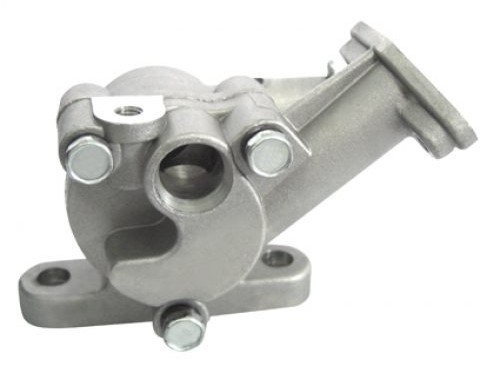
Source high-performance Fuel Pumps & Parts from vetted manufacturers and wholesale suppliers in China. Designed for automotive distributors, aftermarket parts importers, and brands requiring reliable OEM production, our network delivers precision-engineered components built to strict industry standards.
Sourcing automotive fuel delivery components requires balancing precise flow rates, pressure tolerances, and material durability against unit cost. Because a failing fuel pump immediately compromises engine performance or causes complete stalling, the margin for error in bulk procurement is practically zero. Securing a reliable supply chain means looking past the outer housing and digging deep into a manufacturer's motor winding processes, material selection, and end-of-line testing protocols.
Critical Specifications for Fuel Pump Sourcing
When engaging manufacturers, vague specifications lead to inconsistent aftermarket performance. You must clearly define the operational parameters for the specific vehicle applications you are targeting. Relying on a factory's "standard off-the-shelf" specs without validation often results in premature failure in the field.
- Flow Rate (LPH): Liters Per Hour must be specified and tested at the actual operating pressure, not at zero pressure (free flow). A pump that delivers 255 LPH at 40 PSI might drop significantly at 60 PSI.
- Operating Pressure: Typically measured in Bar or PSI. High-performance or direct-injection feeder pumps require much tighter pressure relief valve tolerances.
- Current Draw (Amps): Excessive current draw under load indicates poor motor winding, internal friction, or an inefficient magnetic field. This can overload vehicle relays and wiring harnesses.
- Acoustic Output (NVH): Noise, Vibration, and Harshness are critical for passenger vehicle applications. High dB levels usually point to poorly balanced armatures or cheap impeller designs.
Struggling to find a manufacturer that consistently meets strict flow and pressure tolerances? Let's discuss your technical requirements.
Talk to our teamManufacturing Tolerances and Material Selection
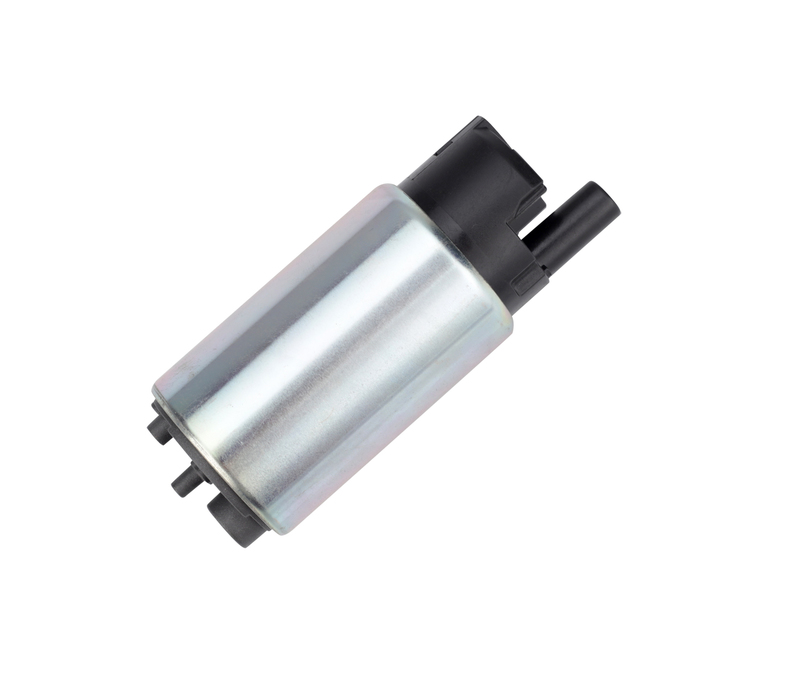
The lifespan of an electric fuel pump is largely dictated by the materials used in the motor assembly and the precision of the impeller housing. One of the most critical differentiators in factory quality is the commutator material.
| Component Type | Lifespan & Durability | Fuel Compatibility | Cost Impact |
|---|---|---|---|
| Copper Commutator | Lower (susceptible to wear) | Standard gasoline only | Low |
| Carbon Commutator | High (resists friction wear) | Compatible with Ethanol/E85 | Moderate to High |
Beyond commutators, the armature must be dynamically balanced to prevent vibration, and the impeller housing must be molded with minimal clearance to ensure efficient fluid displacement. Verifying a supplier's machining capabilities, material sourcing, and testing infrastructure is best handled through comprehensive Factory Audits before committing to a large order.
Quality Control and Performance Testing
A reliable factory will test 100 percent of their pumps at the end of the assembly line, typically using a specialized testing fluid (like Stoddard solvent) rather than actual gasoline for safety reasons. However, poor factories often skip this or test only a small batch. Implementing rigorous Quality Control & Inspection protocols ensures these tests are actually performed to your standards.
Essential QC Checkpoints for Fuel Pumps
- Dry run testing (brief duration to verify immediate motor engagement)
- Pressure relief valve pop-off verification
- Continuous flow rate testing at peak operating pressure
- Current draw measurement under full load conditions
- Leak down testing to verify internal check valve integrity
- Visual inspection of strainer mesh for consistent micron ratings
Beware of Residual Odors
If you receive sample pumps that smell strongly of standard gasoline, the factory may be using unsafe, uncalibrated testing methods rather than standardized calibration fluids. This is a major red flag for their overall facility standards.
Typical MOQs, Pricing Drivers, and Lead Times
Unit costs in this category are driven heavily by the motor internals (rare earth magnets vs. standard ferrite, carbon vs. copper commutators) and the complexity of the plastic molding for the fuel sender assembly.
For brands requiring custom housing, specific performance tuning, or complete module assemblies, OEM/ODM Services will involve upfront tooling costs. However, consolidating multiple pump models with a single capable manufacturer can often help negotiate better overall terms and lower the barrier for custom runs.
Need to consolidate your aftermarket parts purchasing? We can negotiate MOQs and manage production across multiple vetted suppliers.
Get a free consultationFrequently Asked Questions
Sourcing reliable fuel pumps at scale is an exercise in risk management. Success depends on verifying the unseen internals—from commutator materials to pressure valve tolerances—before mass production begins. By partnering with an experienced sourcing team, you can ensure your specifications translate directly to the factory floor, securing consistent performance for every unit shipped.
Get Sourcing Help for Fuel Pumps & Parts
Tell us your requirements and our experts will connect you with verified manufacturers.