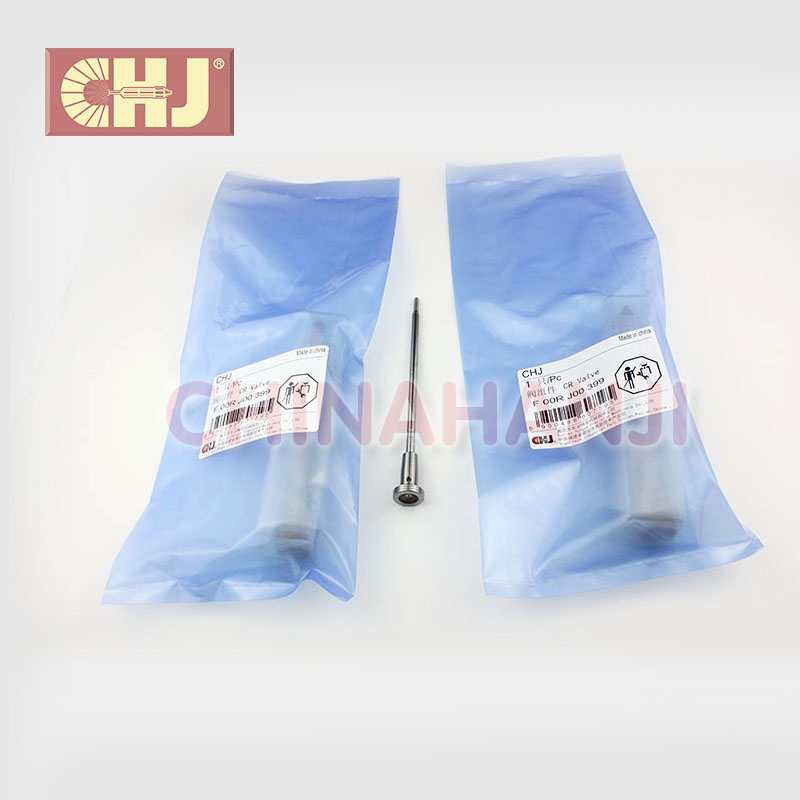
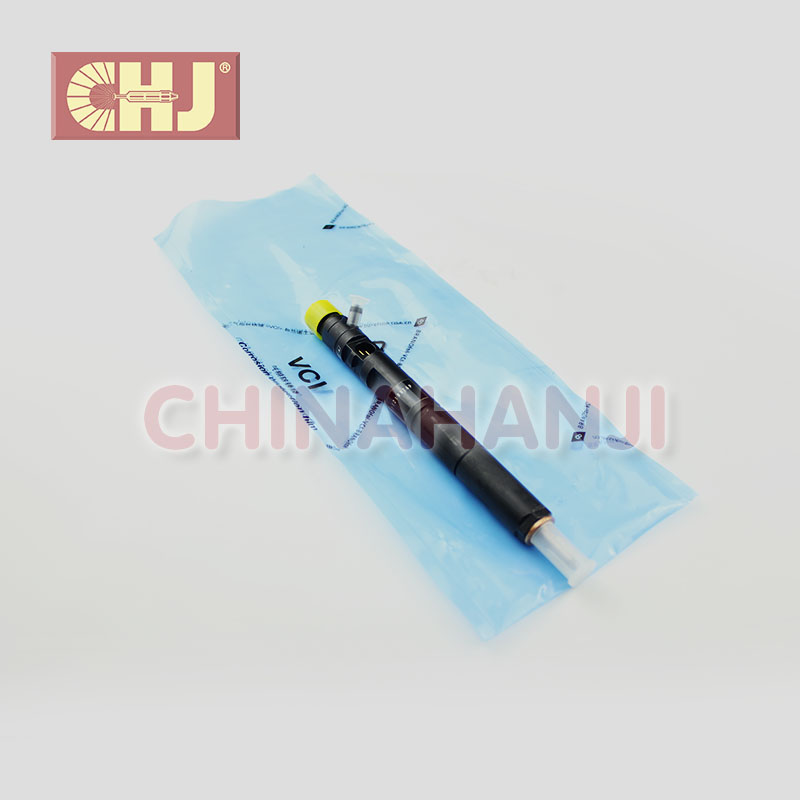
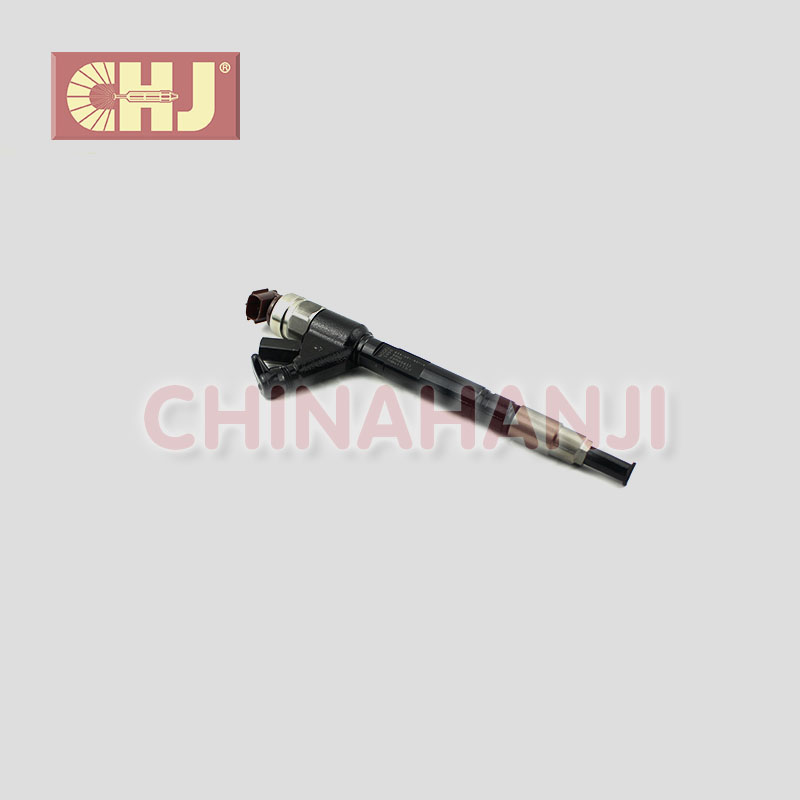
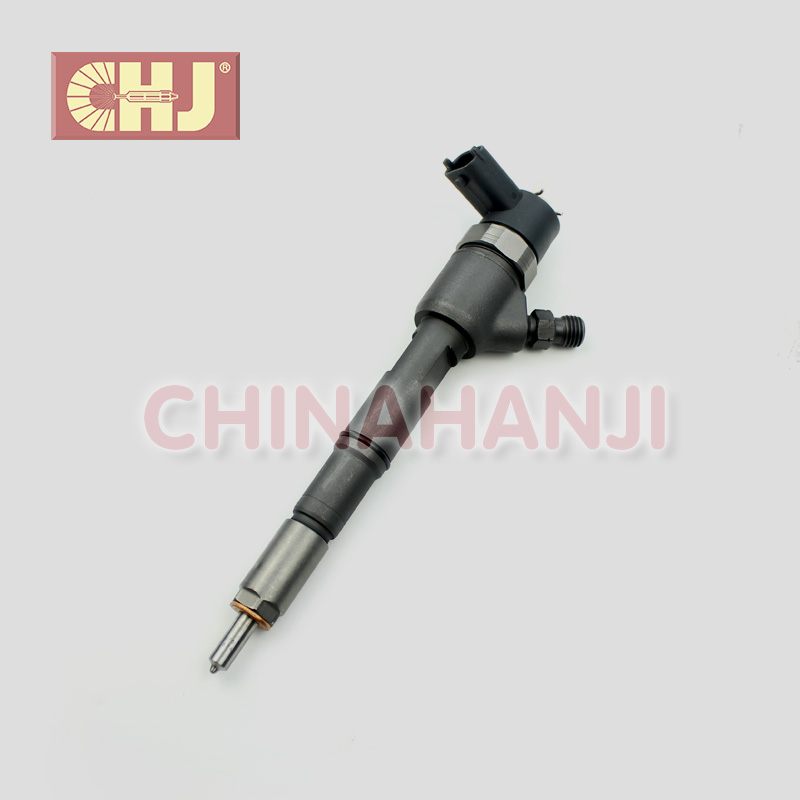
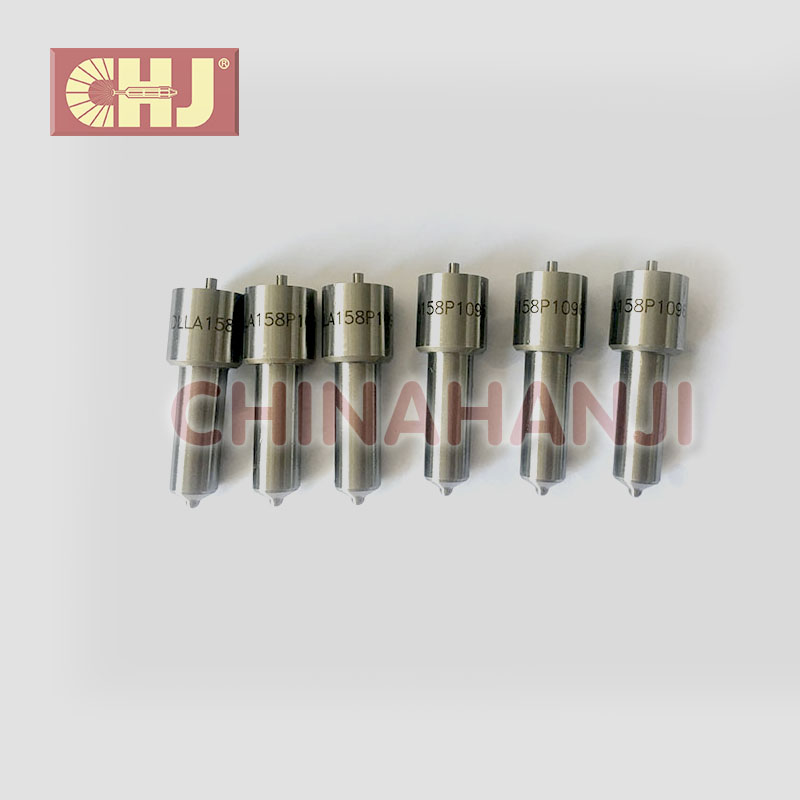
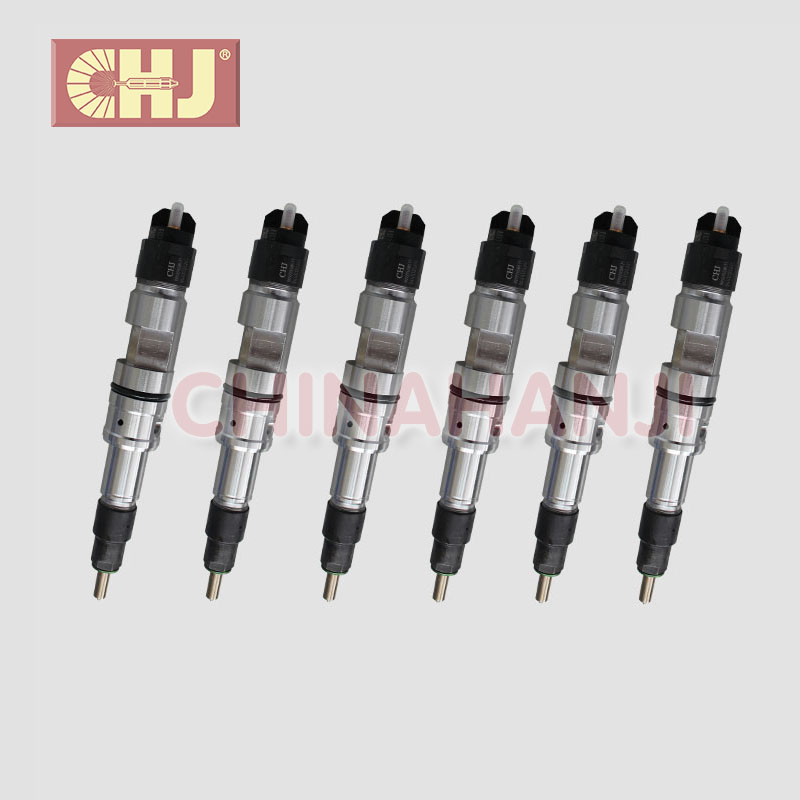
Fuel Injectors
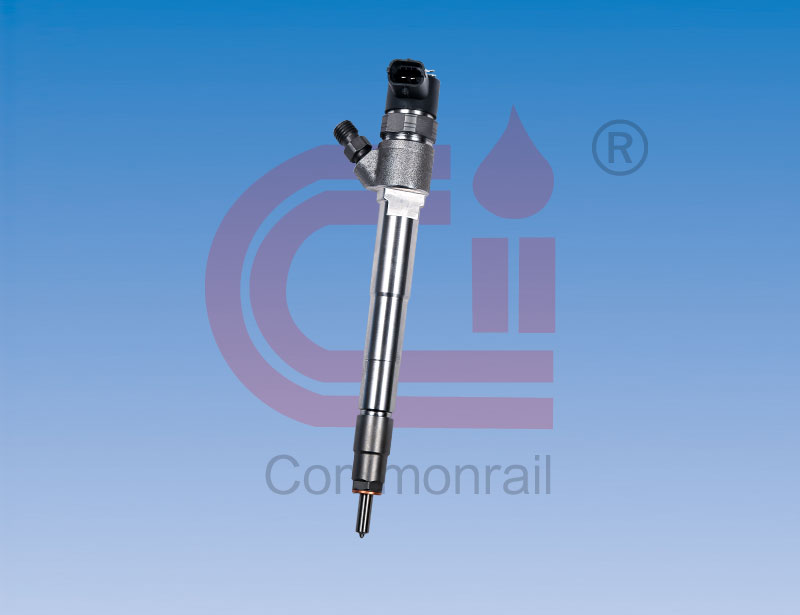
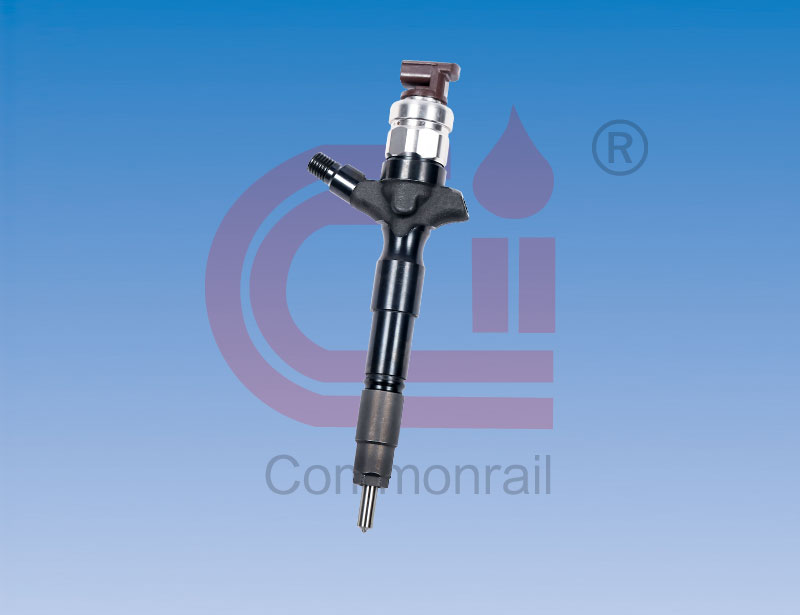
Source premium Fuel Injectors from vetted manufacturers and suppliers. Designed for automotive parts importers, wholesalers, distributors, and aftermarket brands seeking reliable bulk purchasing and custom OEM production. Ensure engine performance and compliance with factory-direct sourcing.
Sourcing fuel injectors at scale requires navigating a complex manufacturing landscape where a variance of just a few microns can lead to engine misfires, poor fuel economy, or catastrophic failure. For aftermarket distributors and auto parts brands, identifying factories capable of consistent, high-precision machining and rigorous end-of-line testing is the primary procurement challenge. Success depends on verifying supplier capabilities long before a purchase order is issued.
Critical Specifications and Machining Tolerances
Fuel injectors are precision electromechanical valves. When evaluating a manufacturer, you must look beyond top-level specifications and scrutinize their machining capabilities. The internal components—specifically the pintle, valve seat, and nozzle—dictate the injector's atomization quality and response time.
When defining your product requirements, ensure your factory can accurately control and measure the following:
- Dynamic and Static Flow Rates: Measured in cc/min or lbs/hr at a specific base fuel pressure (typically 3 bar or 43.5 psi).
- Coil Impedance: High impedance (saturated, typically 10-16 ohms) versus low impedance (peak-and-hold, typically 2-5 ohms). The factory must use high-grade copper windings to ensure thermal stability.
- Spray Pattern and Atomization: Single-hole, multi-hole, or directional spray patterns optimized for specific intake manifold geometries.
- Operating Pressure: Standard port fuel injection (PFI) operates at lower pressures, while gasoline direct injection (GDI) and common rail diesel injectors must withstand extreme pressures exceeding 2,000 bar.
Struggling to verify the machining tolerances of overseas injector suppliers? Let us audit their production lines and validate their capabilities.
Talk to our teamQuality Control and End-of-Line Testing
The difference between a reliable supplier and a risky one is found in their testing protocols. High reject rates in the field are usually traced back to inadequate end-of-line testing at the factory. Conducting comprehensive Factory Audits is essential to confirm that the supplier actually owns and calibrates their testing equipment, rather than relying on batch sampling.
Mandatory Factory Testing Protocols
- Coil resistance and inductance testing at varying temperatures.
- Static flow testing (wide open) to verify maximum delivery.
- Dynamic flow testing at multiple pulse widths (e.g., 2ms, 5ms, 10ms) to ensure linearity.
- Leak-down testing at maximum operating pressure to verify valve seat integrity.
- Spray pattern analysis using optical or laser measurement systems.
To protect your brand reputation, implementing strict Quality Control & Inspection before shipment is non-negotiable. This ensures that every batch meets your acceptable quality limits (AQL) for flow variance and electrical integrity.
OEM and Aftermarket Production
Many brands choose to develop custom injectors for specific performance applications or to consolidate part numbers for aftermarket replacement. When engaging in OEM/ODM Services, the factory will need to modify internal valve geometries, alter coil windings, or develop custom tooling for the injector body.
| Production Focus | Standard Aftermarket | Performance OEM |
|---|---|---|
| Flow Rates | Matched to OE specs | Custom high-flow (e.g., 1000cc+) |
| Flow Matching | Batch consistency (under 5%) | Strict set matching (under 1-2%) |
| Tooling Requirements | Existing factory molds | Custom molds and nozzle tooling |
Pricing, MOQs, and Lead Times
Procurement costs for fuel injectors are heavily influenced by the internal materials (e.g., stainless steel grades, Viton O-rings) and the level of testing required.
- Minimum Order Quantities (MOQs): For standard aftermarket replacements utilizing existing factory tooling, MOQs typically range from 500 to 1,000 units per part number. For custom performance injectors requiring unique flow rates or private labeling, expect MOQs of 1,000 to 3,000 units to absorb setup and calibration costs.
- Lead Times: Standard production runs generally take 30 to 45 days. If you are developing a new injector design or require custom tooling, factor in 60 to 90 days for initial sampling, testing, and mass production.
- Pricing Drivers: High-pressure GDI and diesel injectors command significantly higher unit prices than standard PFI injectors due to the extreme machining tolerances and specialized piezoelectric or heavy-duty solenoid components required.
Need accurate pricing, MOQs, and lead times for your bulk fuel injector program? Speak with our sourcing specialists.
Get a free consultationFrequently Asked Questions
Procuring fuel injectors in volume requires a rigorous approach to supplier selection and quality validation. By focusing on machining capabilities and strict testing protocols, you can secure a reliable supply chain that protects your brand and delivers consistent engine performance. If you need experienced oversight to manage this process, our team is ready to step in.
Get Sourcing Help for Fuel Injectors
Tell us your requirements and our experts will connect you with verified manufacturers.