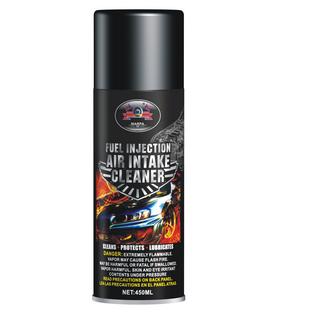
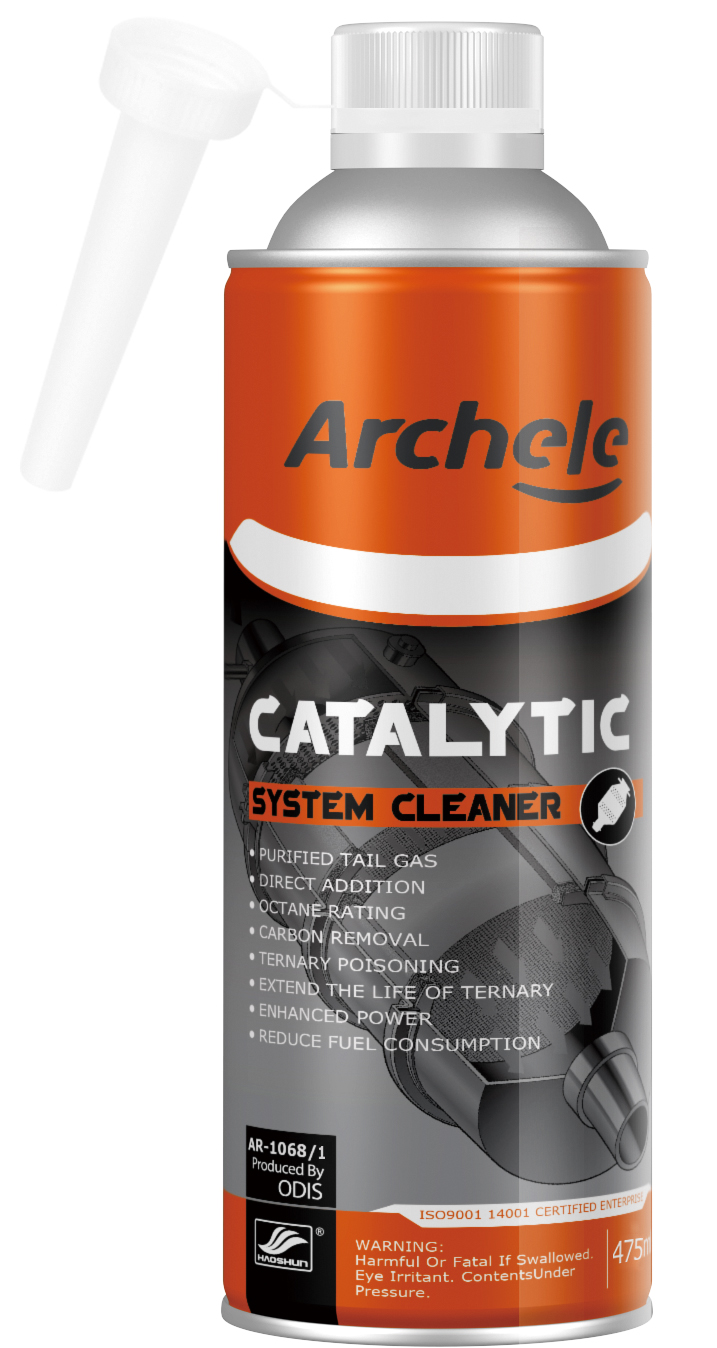
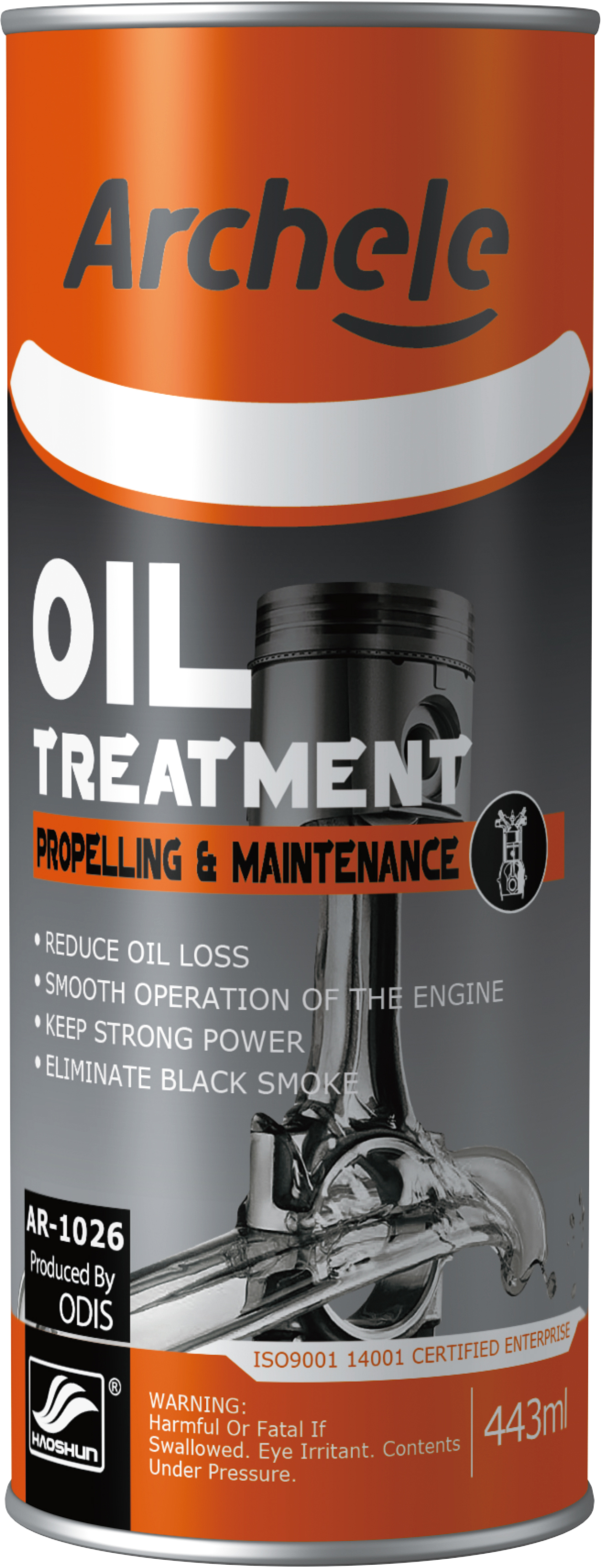
Fuel Additives & Treatments
Source premium Fuel Additives & Treatments directly from vetted manufacturers and wholesale suppliers. Designed for automotive distributors, importers, and brands seeking reliable OEM and private-label production, our network delivers bulk chemical solutions formulated for performance, compliance, and scale.
Sourcing bulk automotive chemicals requires a rigorous approach to formulation accuracy, packaging integrity, and regulatory compliance. When importing fuel treatments—whether octane boosters, cetane improvers, or polyetheramine (PEA) based system cleaners—the primary challenge is ensuring that the active ingredient concentrations meet your specifications without being overly diluted by low-cost carrier fluids.
For brands building a private-label automotive line, securing a factory capable of consistent chemical blending and proper hazmat handling is critical to protecting your brand reputation and avoiding costly customs delays.
Specifying Formulations: The Carrier-to-Active Ratio
The effectiveness of any fuel additive is dictated by its active ingredients. Many entry-level formulations heavily rely on inexpensive carrier oils (like mineral spirits or kerosene) to bulk up the volume, reducing the actual cleaning or boosting power.
When negotiating with chemical manufacturers for OEM/ODM Services, you must explicitly define the chemical composition and request the complete Material Safety Data Sheet (MSDS) during the sampling phase.
| Specification | Standard Aftermarket | Premium / Professional Grade |
|---|---|---|
| PEA Content (Cleaners) | 5 to 10 percent | 15 to 35 percent |
| Cetane Boosters (Diesel) | 2-Ethylhexyl Nitrate (2-EHN) under 20 percent | 2-EHN up to 40 percent |
| Carrier Fluid | Heavy mineral spirits | Synthetic carrier oils |
| Flash Point | Variable (often low) | Tightly controlled for safety |
Need help verifying factory formulations and chemical capabilities? Let us audit your potential suppliers.
Talk to our teamPackaging Integrity for Aggressive Solvents
Fuel additives contain aggressive solvents that can degrade standard plastics over time, leading to paneling (bottle collapse), swelling, or outright leaks during transit. A superior formulation is useless if the packaging fails before it reaches the retail shelf.
Critical Packaging Specifications for Additives
- Bottle Material: Ensure HDPE bottles are fluorinated (Level 3 or 5) to create a barrier against solvent permeation.
- Cap Sealing: Mandate electromagnetic induction sealing with aluminum foil liners to prevent leaks during temperature fluctuations in sea freight.
- Neck Finish: Specify precise neck thread tolerances to prevent backing-off of the cap under vibration.
- Label Adhesion: Use oil-resistant and solvent-resistant label adhesives to prevent peeling if minor drips occur during filling.
Hazmat Compliance and Global Freight
Fuel additives are typically classified as Dangerous Goods (DG) under international shipping regulations, frequently falling under Class 3 (Flammable Liquids) or Class 9 (Miscellaneous Dangerous Substances). This classification impacts everything from the factory's export licensing to the final cost of freight.
Before committing to a production run, ensure your product undergoes rigorous Compliance & Testing to verify flash points and toxicity levels. This data is required to generate accurate SDS documentation and secure the correct UN transport numbers. Because hazmat shipping requires specialized carriers and documentation, coordinating with an experienced Shipping & Freight partner early in the sourcing process is essential to avoid stranded inventory at the port of origin.
Typical MOQs, Lead Times, and Pricing Drivers
Chemical manufacturing scales efficiently, but the minimum order quantities (MOQs) are often dictated by the packaging rather than the liquid itself. Custom bottle shapes or specialized fluorinated plastics require higher upfront volume commitments than standard stock bottles.
Pricing is highly sensitive to the global commodity costs of the base chemicals (like PEA or 2-EHN) and the crude oil index. When evaluating quotes, always check the validity period of the pricing, as chemical suppliers typically only hold quotes for 15 to 30 days.
Struggling with hazmat logistics or high MOQs? We can help consolidate shipments and negotiate better terms.
Get a free consultationFrequently Asked Questions
Successfully sourcing fuel treatments requires treating the liquid formulation and the packaging as equally critical components. By auditing your supplier's chemical sourcing, mandating strict packaging tolerances, and planning your hazmat logistics well in advance, you can deliver a high-performance product that arrives safely and performs exactly as specified.
Get Sourcing Help for Fuel Additives & Treatments
Tell us your requirements and our experts will connect you with verified manufacturers.