Fryers
Source commercial and industrial fryers from vetted manufacturers and suppliers across Asia. Built for importers, restaurant equipment wholesalers, and brands seeking reliable OEM production, our network delivers high-capacity frying systems engineered for thermal efficiency, safety compliance, and continuous heavy-duty operation.
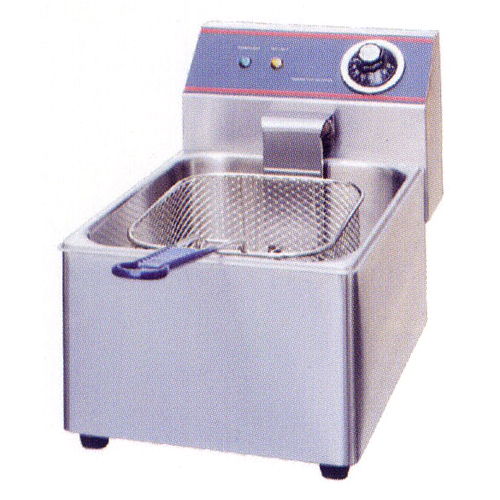
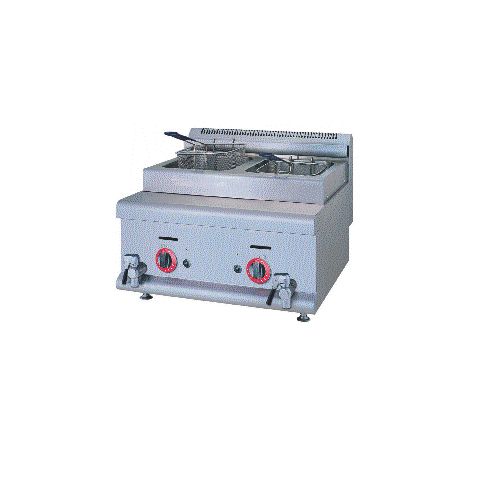
Sourcing commercial fryers in volume requires balancing thermal efficiency with rigorous safety and food-grade material standards. Whether you are importing standard electric countertop units for hospitality distribution or designing custom high-capacity gas fryers for industrial food processing, the factory's welding precision, component sourcing, and assembly protocols dictate the unit's lifespan and market viability.
Critical Specifications and Material Selection
The longevity of a commercial fryer depends heavily on the grade of stainless steel used for the fry tank and the housing. While standard models often use 430-grade stainless steel for the exterior chassis to reduce costs, the fry pot itself must be constructed from 304-grade stainless steel to withstand constant exposure to high heat, corrosive cooking oils, and acidic food byproducts.
Tank thickness is another critical variable. Heavy-duty commercial units typically utilize 14-gauge or 16-gauge stainless steel for the fry pot. Thinner gauges (18 or 20) are prone to warping under thermal stress, leading to weld failures and catastrophic oil leaks over time.
| Specification | Gas Fryers | Electric Fryers |
|---|---|---|
| Power Measurement | BTU/hr (British Thermal Units) | Kilowatts (kW) |
| Heating Element | Cast iron or aluminized steel burners | Incoloy alloy sheathed elements |
| Thermal Recovery | Fastest recovery, suitable for high volume | Consistent, highly efficient heat transfer |
| Installation Requirements | Gas line, regulator, heavy ventilation | High-voltage electrical supply (208V/240V/480V) |
When evaluating suppliers, it is crucial to verify their component supply chain. The reliability of the thermostat—whether a traditional capillary tube system or a solid-state digital controller—determines temperature accuracy. Temperature swings exceeding 10 degrees Fahrenheit can severely degrade oil life and product quality.
Need help verifying supplier specifications and component quality? Let our engineers review your factory's technical capabilities.
Talk to our teamManufacturing Quality and Factory Vetting
Not all sheet metal fabrication facilities are equipped to manufacture commercial fryers safely. The fry pot requires flawless TIG (Tungsten Inert Gas) welding. Any porosity or micro-cracks in the weld seams will eventually leak hot oil, creating severe fire hazards and liability issues.
When conducting factory audits, pay close attention to the manufacturer's pressure testing protocols. Reputable factories will fill every welded fry pot with water and apply air pressure to check for microscopic leaks before final assembly.
Key In-Line Quality Control Checks for Fryers
- Weld Integrity: Inspect TIG welds on the fry pot for uniformity, penetration, and lack of porosity.
- Pressure Testing: Verify 100% of fry pots undergo hydrostatic or pneumatic leak testing.
- Electrical Safety: Ensure high-voltage components undergo Hi-Pot (dielectric withstand) and ground continuity testing.
- Thermostat Calibration: Check that the temperature differential between the dial setting and actual oil temperature is within acceptable tolerances (usually ±5°F).
- Capillary Tube Placement: Confirm the thermostat sensing bulb is securely mounted in the correct position within the cold zone.
Implementing rigorous quality control & inspection before shipment is non-negotiable for commercial cooking equipment, as post-shipment rework is prohibitively expensive.
Customization and OEM Production
For brands looking to differentiate their product lines, OEM/ODM services offer avenues for customization. Common modifications include integrating built-in oil filtration systems, upgrading to programmable solid-state controls with multi-product timers, or designing custom basket lifts.
When developing a custom unit, tooling costs will apply if you are altering the dimensions of the fry pot or designing a proprietary stamped chassis. Standardizing the internal dimensions while customizing the control panel and exterior branding is a cost-effective way to launch a private-label line without incurring heavy initial tooling fees.
Buying Mechanics: MOQs, Lead Times, and Pricing
Pricing for commercial fryers fluctuates based on global stainless steel indices, the complexity of the control systems, and the certifications required for your target market.
Ready to negotiate pricing and production terms with top-tier fryer manufacturers? Contact Merhein to streamline your procurement.
Get a free consultationFrequently Asked Questions
Navigating the commercial fryer supply chain requires technical diligence, from verifying stainless steel gauges to ensuring flawless weld integrity. Partnering with experienced sourcing professionals ensures your equipment meets the rigorous safety and performance demands of the commercial foodservice industry.
Get Sourcing Help for Fryers
Tell us your requirements and our experts will connect you with verified manufacturers.