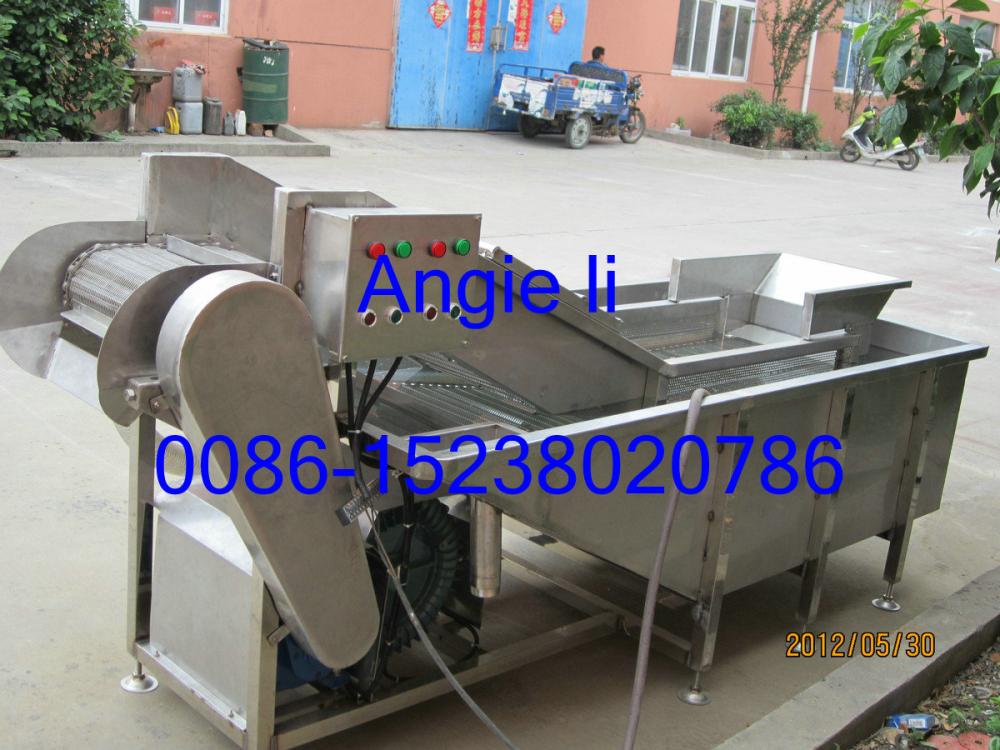
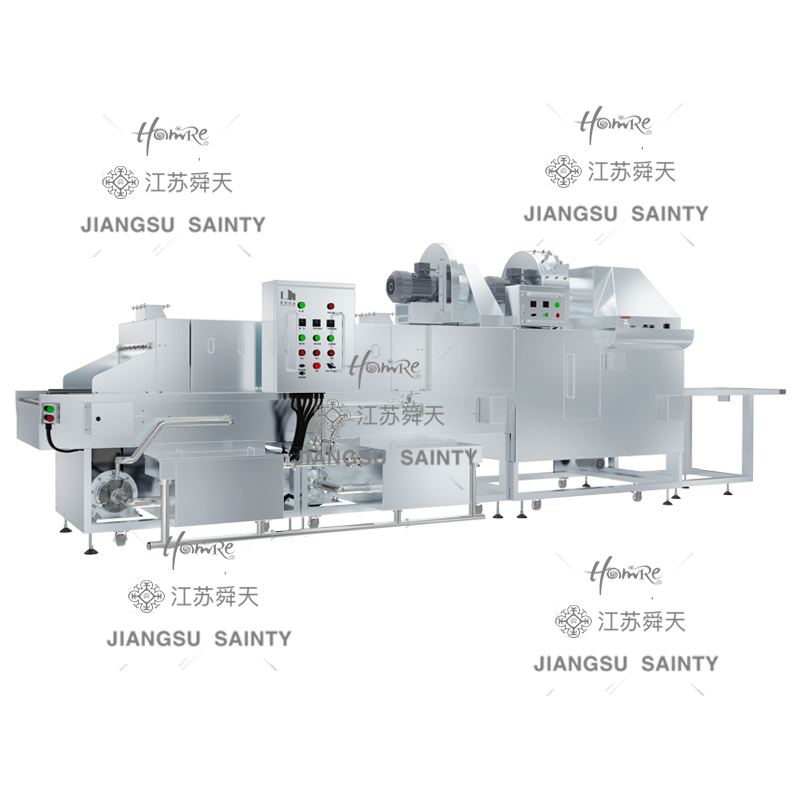
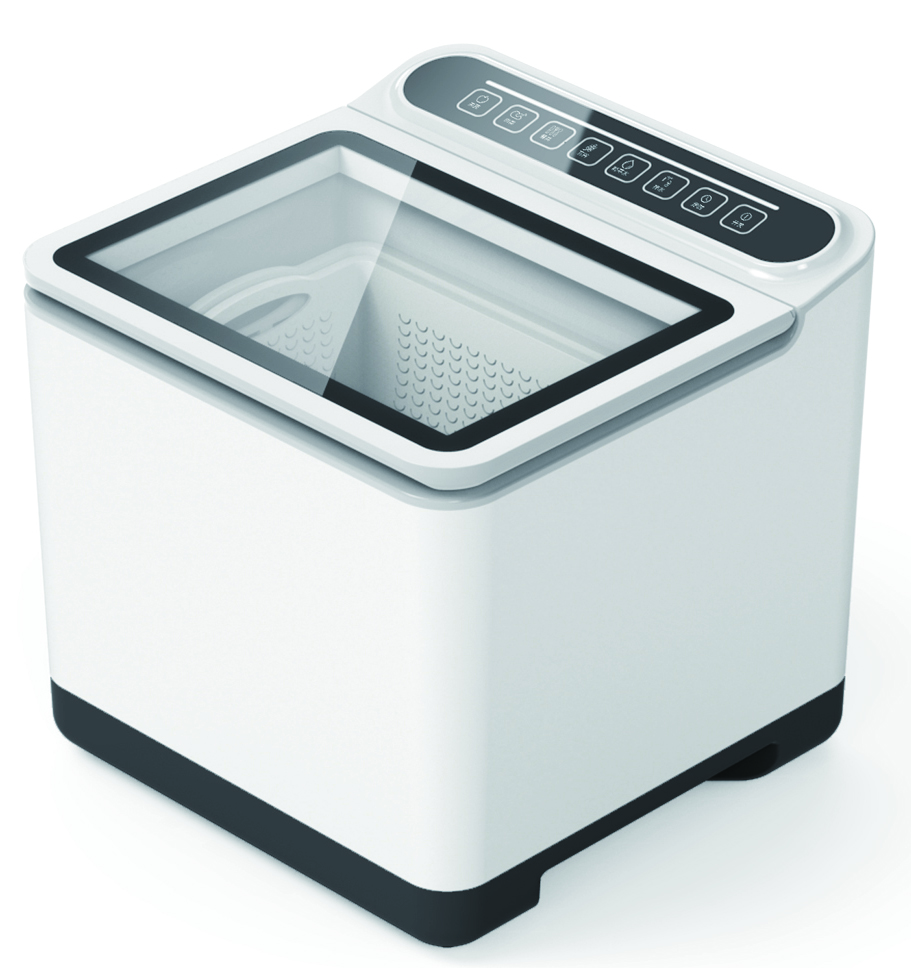
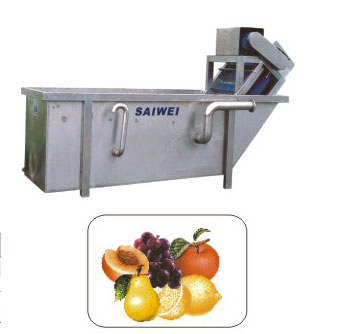
Fruit & Vegetable Washing Equipment
Source industrial-grade Fruit & Vegetable Washing Equipment from vetted suppliers and manufacturers across Asia. Designed for importers, distributors, and food processing brands looking for high-capacity OEM production, our network delivers reliable, food-safe washing machinery built for continuous commercial operation.
Procuring industrial fruit and vegetable washing equipment requires balancing throughput capacity with gentle produce handling and strict sanitation standards. For bulk buyers and systems integrators, the primary sourcing challenge is identifying manufacturers capable of delivering true food-grade machinery that seamlessly integrates into existing processing lines without excessive water or power consumption.
Core Technical Specifications
When evaluating fruit and vegetable washing equipment manufacturers, the difference between a light-commercial unit and a continuous-duty industrial machine lies in the structural materials, pump architecture, and filtration systems. Buyers must specify exact operational parameters to ensure the factory engineers the correct solution.
| Specification | Standard Commercial | Heavy-Duty Industrial |
|---|---|---|
| Material Grade | SUS304 Stainless Steel | SUS316 (for high-acid/saline environments) |
| Throughput Capacity | 500 to 1,000 kg/hr | 2,000 to 5,000+ kg/hr |
| Filtration System | Single-stage mesh screen | Multi-stage rotary drum with auto-discharge |
| Agitation Method | Basic air bubble | Variable high-pressure spray + air bubble |
Key parameters to define with your supplier include:
- Water Circulation & Filtration: Effective machines recycle water to minimize waste. Ensure the pump capacity matches the tank volume and that filtration screens are easily removable for mid-shift cleaning.
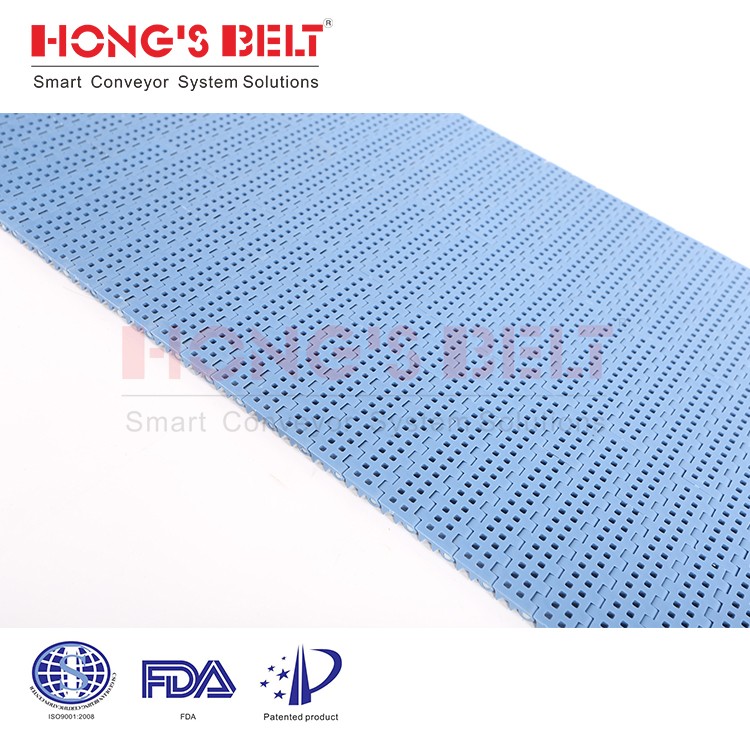
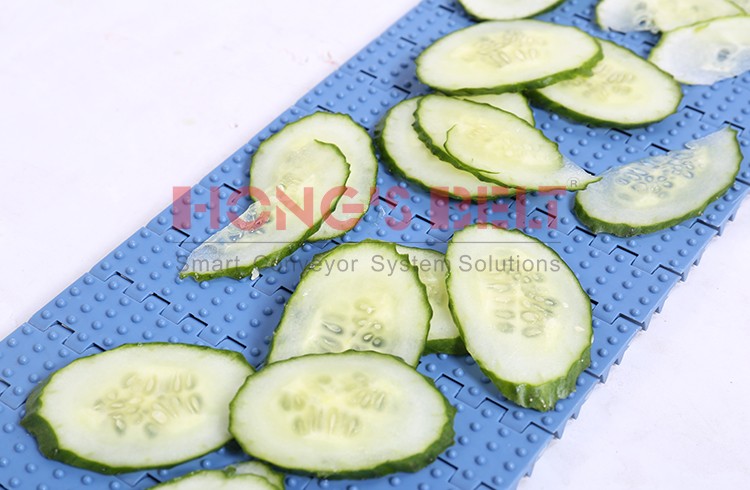
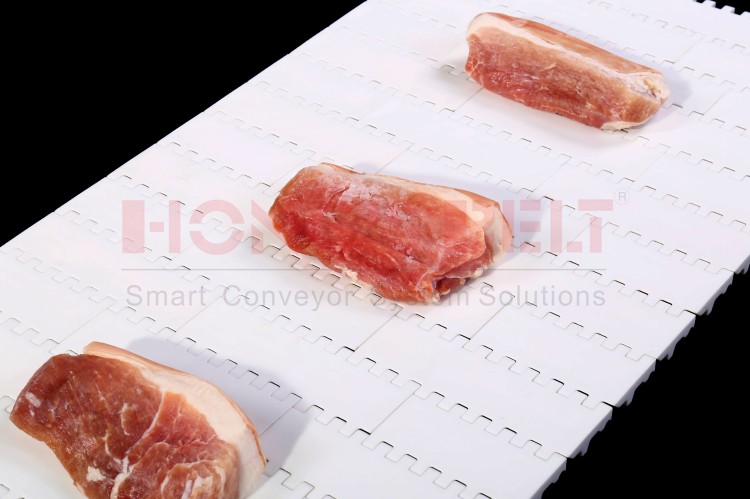
- Conveyor Belt Specifications: Belts must be food-grade (often modular plastic or stainless steel mesh). Specify the belt width and flight height based on your target produce size.
- Ozone & UV Integration: For advanced microbial control, many buyers request integrated ozone generators. Ensure the factory uses industrial-grade ozone units rather than residential components.
Need help verifying a manufacturer's engineering capabilities? Our team evaluates factory technical competence and production capacity on the ground.
Discuss your technical requirementsManufacturing Quality & Factory Vetting
The visual appearance of a machine can be deceiving. True equipment longevity is determined by manufacturing precision on the factory floor. Poor welding, substandard electrical components, and inadequate motor sealing are common failure points in lower-tier machinery.
Conducting thorough Factory Audits before placing an order is critical. You must verify that the supplier has the actual machining and fabrication equipment in-house, rather than just assembling outsourced parts.
Critical Quality Inspection Points
- Weld Seams: Must be continuous, ground smooth, and passivated to prevent bacterial harborage and rust.
- Electrical Cabinets: Verify IP65 or higher ratings for water resistance, using internationally recognized components (e.g., Siemens, Schneider).
- Pumps and Motors: Check that the specified brand and power rating are actually installed; counterfeit or undersized motors are a common cost-cutting tactic.
- Piping and Valves: Ensure all internal plumbing uses sanitary fittings (e.g., Tri-Clamp) rather than threaded pipe that traps debris.
Implementing rigorous Quality Control & Inspection prior to shipment is non-negotiable. Factory Acceptance Testing (FAT) should be performed using actual produce or simulated loads to verify throughput and agitation performance.
Buying Mechanics: MOQ, Pricing, and Lead Times
Unlike consumer goods, industrial food processing machinery is rarely kept in stock. Most equipment is built to order, allowing for significant customization through OEM/ODM Services to match specific factory layouts or voltage requirements.
Pricing is heavily dependent on stainless steel market rates, the complexity of the filtration system, and the origin of the electrical components. Be wary of quotes that are significantly below market average; they almost always indicate a downgrade in material thickness (e.g., using 1.5mm steel instead of 2.0mm or 3.0mm) or the use of non-standard alloys.
Ensure your equipment investments are protected. We manage supplier negotiation, production oversight, and international logistics for heavy industrial machinery.
Get a sourcing consultationFrequently Asked Questions
Sourcing fruit and vegetable washing equipment requires precise technical alignment and stringent quality oversight. A minor defect in material finishing or electrical sealing can lead to massive downtime and food safety liabilities. By focusing on detailed specifications and rigorous factory-level inspections, you can secure reliable machinery that delivers long-term value. When you are ready to move forward, coordinating the heavy-lift Shipping & Freight is the final critical step to ensuring your machinery arrives safely and on schedule.
Get Sourcing Help for Fruit & Vegetable Washing Equipment
Tell us your requirements and our experts will connect you with verified manufacturers.