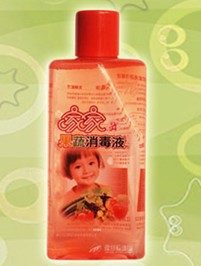
Fruit & Vegetable Detergent
Source premium Fruit & Vegetable Detergent from vetted suppliers and manufacturers across Asia. Designed for importers, distributors, and brands seeking reliable OEM and private-label production, our network delivers scalable, compliant solutions for commercial and consumer household cleaning markets.
Sourcing fruit and vegetable wash in bulk requires balancing cleaning efficacy with strict food-safety compliance. Unlike standard dishwashing liquids or surface cleaners, produce detergents must effectively strip away agricultural waxes, pesticide residues, and soil without leaving harmful chemical traces or altering the food's taste profile. The core sourcing challenge lies in verifying that a manufacturer's formulations rely entirely on food-safe or GRAS (Generally Recognized As Safe) ingredients while maintaining a stable shelf life.
Formulation and Chemical Specifications
The performance of a produce wash depends heavily on its surfactant profile and active matter percentage. Buyers developing private-label lines must specify these parameters clearly to avoid receiving diluted or aggressively synthetic formulas that fail regulatory scrutiny in target markets.
| Specification | Standard Commercial | Premium / Natural |
|---|---|---|
| Primary Surfactants | SLES or synthetic blends | APG (Alkyl Polyglucosides) |
| Active Matter | 10% - 15% | 15% - 25% |
| pH Level | 6.5 - 7.5 (Neutral) | 5.5 - 6.5 (Slightly acidic) |
| Preservatives | Standard cosmetic grades | Food-grade (e.g., Potassium Sorbate) |
When negotiating specifications, pay close attention to the water quality used in the factory's mixing process. Because the end product comes into direct contact with raw food, the base water must be purified using reverse osmosis (RO) and UV sterilization to prevent microbial growth within the bottle.
Need help navigating formulation specs and verifying supplier capabilities?
Talk to our teamManufacturing Standards and Quality Control
Not all household chemical factories are equipped to produce food-contact detergents. The manufacturing environment must bridge the gap between standard chemical blending and food-grade cleanroom standards. Relying on thorough Factory Audits is critical to verify that a facility has the necessary ISO 22716 (GMP for Cosmetics) or equivalent certifications, and that their mixing tanks are constructed from 316L pharmaceutical-grade stainless steel to prevent corrosion and contamination.
During production, strict Quality Control & Inspection protocols should focus on:
Critical Factory Floor Checks
- Water purification system maintenance logs and RO membrane replacement schedules.
- Raw material verification to ensure all surfactants and chelating agents match the agreed GRAS specification.
- In-line pH and viscosity testing during the emulsification and mixing phases.
- Packaging integrity checks, specifically drop tests and pump-dispenser torque tests to prevent transit leakage.
- Microbial testing on finished batches before bottling.
Compliance and Regulatory Testing
Produce detergents occupy a unique regulatory space. In the US, ingredients must typically meet FDA requirements for indirect food additives or be classified as GRAS. In the EU, REACH compliance for the chemical components is mandatory, alongside specific local food safety guidelines.
Failing to validate these claims can result in customs seizures or costly recalls. Engaging professional Compliance & Testing services ensures that third-party labs verify the absence of heavy metals, restricted synthetic surfactants, and biological contaminants before the shipment leaves the factory.
Pricing, MOQs, and Lead Times
Pricing for fruit and vegetable detergent is highly sensitive to the chosen surfactant. Plant-derived APGs (like decyl glucoside) are significantly more expensive than standard synthetic alternatives. Packaging—specifically custom molds, high-quality pump dispensers, or eco-friendly PET/HDPE bottles—also heavily influences the final unit cost.
For brands looking to develop unique formulations or custom packaging, utilizing OEM/ODM Services allows for tailored scent profiles (using food-grade essential oils) and proprietary bottle designs, though this typically pushes the initial MOQ closer to 20,000 units to cover raw material minimums.
Looking for competitive pricing and reliable production for your custom formulations?
Get a free consultationFrequently Asked Questions
Successfully scaling a fruit and vegetable detergent line means looking past the marketing claims and digging into the chemical data sheets, cleanroom protocols, and raw material supply chains of your chosen manufacturer. Establishing strict formulation boundaries early in the sourcing process is the most effective way to ensure a safe, compliant, and high-performing product.
Get Sourcing Help for Fruit & Vegetable Detergent
Tell us your requirements and our experts will connect you with verified manufacturers.