Fridge Magnets
Source high-quality Fridge Magnets in bulk from vetted manufacturers and wholesale suppliers across Asia. Designed for importers, distributors, and brands seeking reliable OEM and private-label production, our factory-direct network ensures competitive pricing and strict quality control for large-scale procurement.
Sourcing fridge magnets at scale requires moving past the simple aesthetic design to specify the correct magnetic substrates, adhesives, and surface materials. Whether you are procuring premium 3D resin souvenirs, flat promotional die-cuts, or functional home decor accents, the factory you choose must have the specific equipment for your chosen material, alongside rigorous controls to prevent delamination and ensure adequate magnetic pull force.
Material Specifications and Magnetic Pull
The core of any fridge magnet is the magnetic base. Factories typically offer two main types of flexible magnetic sheeting, alongside hard magnets (like neodymium or ferrite) for heavier 3D designs. Specifying the right base dictates the product's functionality and unit cost.
| Magnet Type | Characteristics | Typical Application |
|---|---|---|
| Isotropic Flexible Rubber | Magnetized on one side, lower pull force, highly cost-effective. | Mass promotional giveaways, lightweight paper-holding. |
| Anisotropic Flexible Rubber | Magnetized through the material, significantly stronger pull force. | Premium flat magnets, car magnets, holding multiple heavy papers. |
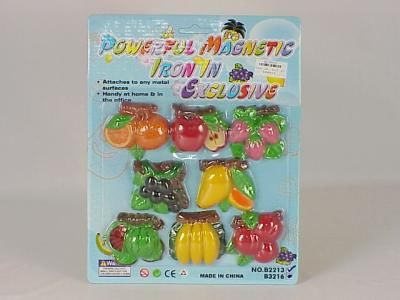
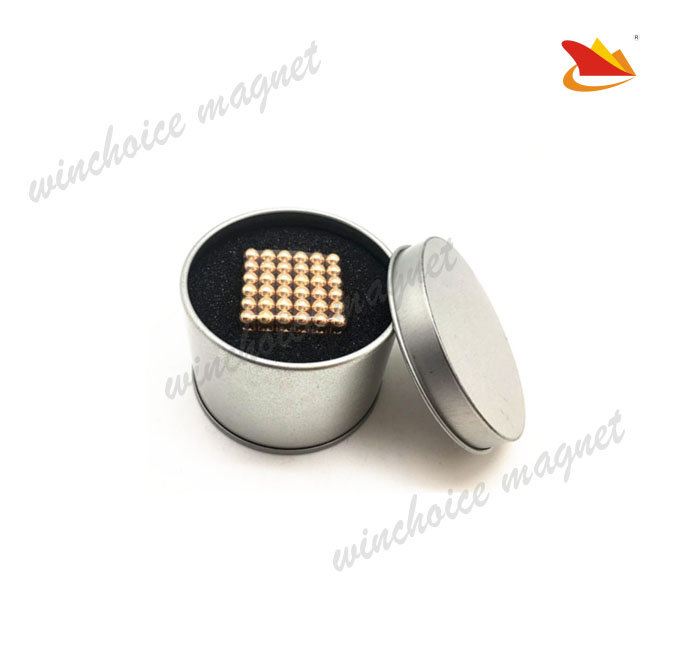
| Hard Ferrite / Neodymium | Rigid, extremely high pull force, requires a separate housing or adhesive bond. | 3D resin magnets, epoxy domes, heavy tinplate or ceramic designs. |
For flexible magnets, thickness is the primary driver of magnetic strength and cost. Standard promotional magnets often use 0.3mm to 0.5mm thickness. For retail-grade decor magnets, you should specify a minimum of 0.8mm to 1.0mm to ensure they can hold up menus or photographs without sliding down the fridge door.
Manufacturing Processes and Substrates
Fridge magnets are composite products. The manufacturing process heavily depends on the surface material bonded to the magnetic base.
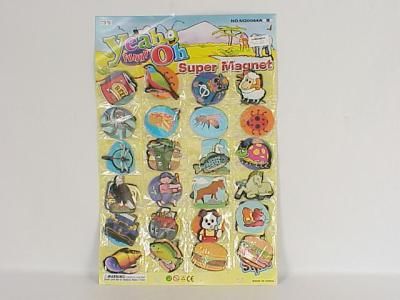
- Paper/Cardboard with Lamination: The most common for flat magnets. Factories print on coated paper (usually 157gsm or 250gsm copperplate paper), apply a glossy or matte PP lamination, and bond it to the flexible magnet sheet before die-cutting.
- Epoxy Dome: A polyurethane resin is poured over a printed decal bonded to a magnetic base, creating a premium 3D lens effect. The curing process requires strict dust-free environments.
- Soft PVC: Liquid PVC is injected into micro-molds and baked. A hard magnet is usually embedded in the back or glued on after curing. This requires factories specializing in injection molding, not just printing.
- Tinplate: Similar to button manufacturing, a printed paper is wrapped over a metal shell with a cardboard backer and a flat magnet attached.
Dealing with inconsistent magnetic strength or print quality across batches? Let us match you with a vetted manufacturer equipped for your specific material requirements.
Talk to our teamQuality Control Defect Checklist
Defects in fridge magnets rarely stem from the core magnetic material itself; they almost always occur during the bonding, printing, or cutting phases. Implementing thorough pre-shipment and in-line inspection is critical before bulk orders leave the facility.
Critical Inspection Points for Fridge Magnets
- Adhesion Testing: Perform cross-hatch or peel tests to ensure the printed layer or PVC does not delaminate from the magnetic base.
- Pull Force Verification: Test the magnet against a standard steel surface to ensure it holds the specified weight (e.g., holding 3 sheets of 80gsm A4 paper).
- Die-Cut Cleanliness: Inspect edges for fraying, exposed adhesive, or incomplete cuts, particularly on intricate custom shapes.
- Epoxy Curing: Check epoxy domed magnets for trapped air bubbles, yellowing, or incomplete curing (stickiness).
- Toxicity and Compliance: Ensure inks and soft PVC materials pass REACH, RoHS, or EN71 testing for heavy metals and phthalates, especially if the design appeals to children.
If your products are destined for retail markets in the US or EU, partnering with experts who understand product testing and regulatory compliance is essential to avoid customs seizures due to restricted phthalates in soft PVC.
Pricing, MOQs, and Production Realities
The unit cost of a fridge magnet is highly sensitive to order volume due to setup costs for printing and tooling.
When negotiating with suppliers for custom and private-label production, be aware that factories will often quote based on the thinnest possible magnetic sheet (0.3mm) and isotropic material to win on price. Always explicitly state your required thickness and magnetic type in your RFQ to ensure accurate, comparable quotes.
Ready to scale your custom magnet line? We handle factory vetting, price negotiation, and quality control so you can focus on sales.
Get a free consultationFrequently Asked Questions
Successful procurement in this category comes down to locking down your specifications early. By dictating the exact magnetic thickness, material type, and adhesive standards before requesting quotes, you prevent suppliers from cutting corners on the unseen components that define the final product's quality.
Get Sourcing Help for Fridge Magnets
Tell us your requirements and our experts will connect you with verified manufacturers.